Country · Africa
Algeria
Every profile recorded in Algeria, native or introduced.
- Species
- 3
- Families
- 2
- Genera
- 3
- Found only here
- 2
- Photographed
- 3 of 3
Where it isAfrica
Shares its fishes withspecies recorded in both
Found only here2
2 of these profiles carry Algeria and no other country. That is not the same as endemic. Most of these distributions are only half recorded.
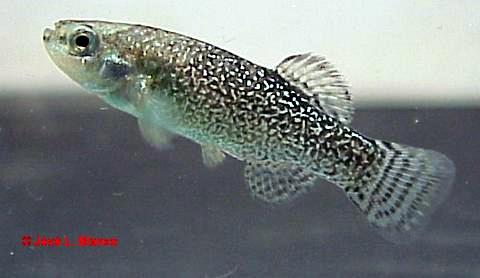
Apricaphanius saourensisSahara Toothcarp
Aphaniidae · Blanco, Hrbek & Doadrio, 2006
All Algerian Aphanius populations were considered to be representative of A. iberus until this species was described in 2006. It differs both morphologically and genetically from A. iberusand A. baeticus, probably diverging about 5.3 million years ago during the opening of the Straits of Gibraltar. It is most easily distinguished by the distinct mottled body patterning which in males of the other two species forms distinct vertical bars and in females dark spot-like markings. A. iberusis now k...
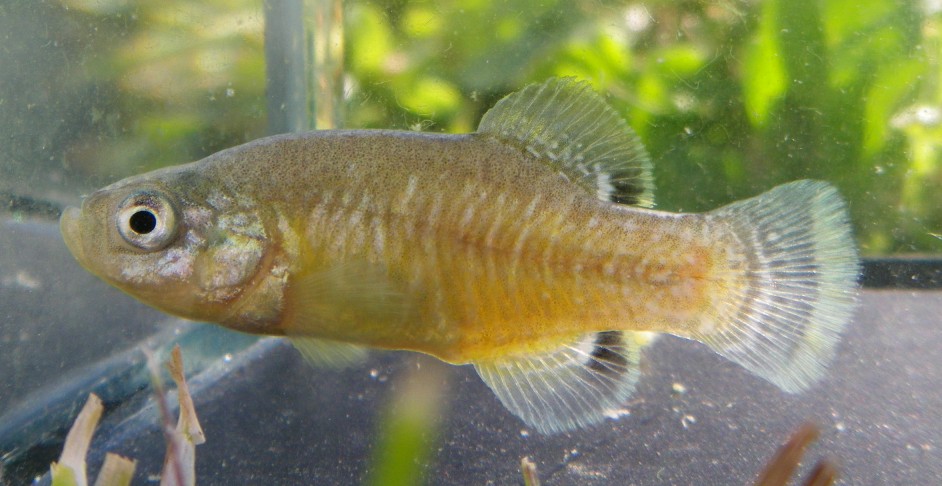
Tellia apodaFootless Toothcarp
Aphaniidae · Gervais, 1853
The genus Aphanius currently contains 22 species and subspecies which are thought to have derived from a common ancestor originally distributed around the periphery of the former Tethys Sea. These can be separated into two main phylogenetic groups usually referred to as the 'eastern' and 'western' clades by scientists and aquarists because they broadly correspond to those coastlines of the Tethys. The eastern clade comprises the species now found in the Arabian Peninsula and ...
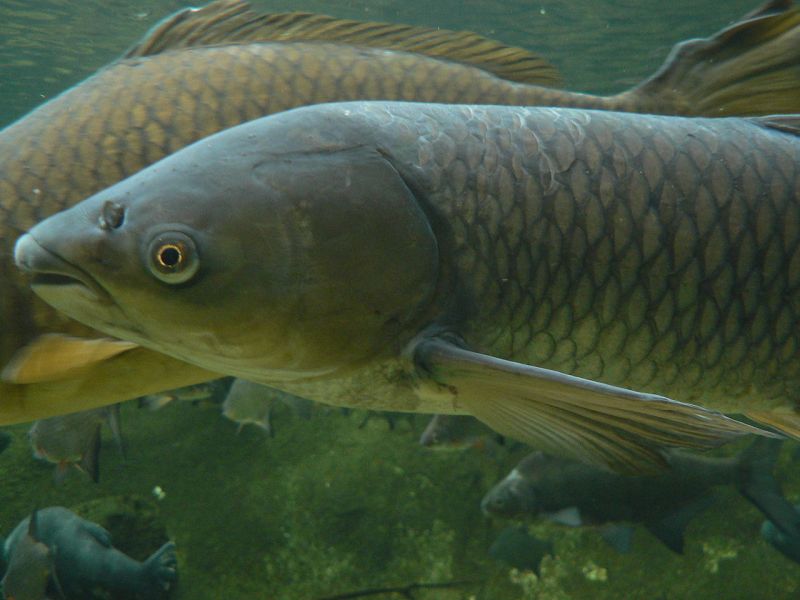
Ctenopharyngodon idellaGrass Carp
Cyprinidae · Valenciennes, 1844
Despite being a wholly unsuitable aquarium subject, C. idella is often traded as such, with an albino form having been developed specifically for the ornamental market. Individuals which have outgrown their aquarium or pond should never be released into natural waters, either, since this species has proven capable of causing serious environmental damage under a wide range of climatic conditions.