Genus
Anatolichthys
- Species
- 6
- Photographed
- 6 of 6
- Difficulty rated
- 6 of 6
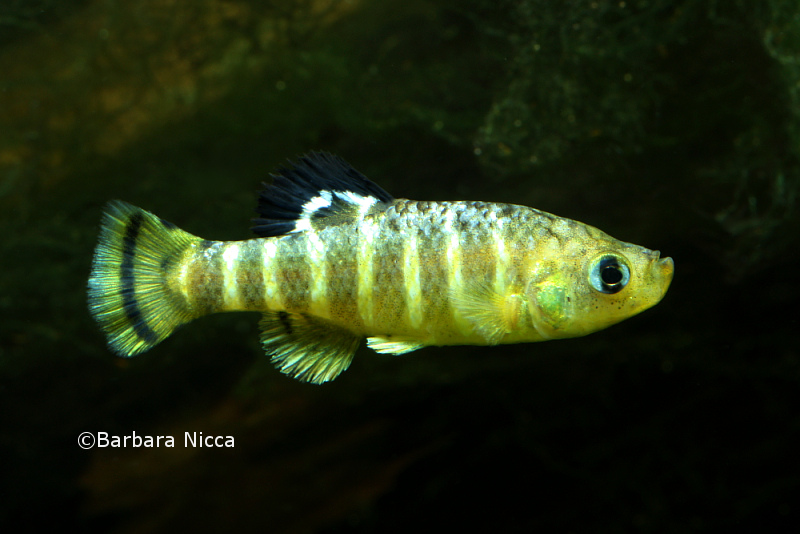
Anatolichthys anatoliaeAnatolian Toothcarp
Leidenfrost, 1912
A. anatoliae is the most widely-distributed of the Anatolian Aphanius species although like most of its congeners is not easy to come by in the hobby. You are unlikely to find it on sale in aquatic stores although it may be available via specialist breeders or associations from time-to-time. While Aphanius spp. are certainly not as colourful as some of their relatives their interesting behaviour and continuous activity make them fascinating aquarium subjects and well worth a try if you possess the de...
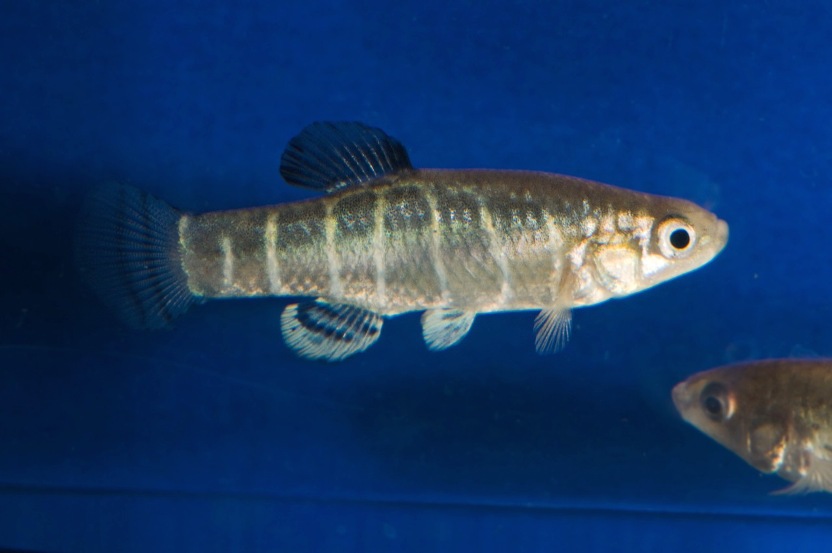
Anatolichthys danfordiiDanford's Toothcarp
Boulenger, 1890
This species has something of a confused history having been previously been considered synonymous with both A. sophiae and A. fasciatus. Another species, A. chantrei is still listed as valid by some sources but is now known to be a junior synonym of A. danfordii. This became clear during a 1999 study in which the type specimens of A. danfordii were found to be indistinguishable from the Aphanius population living in the Sultan Swamps, the type locality of A. chantrei. You're unlikely t...
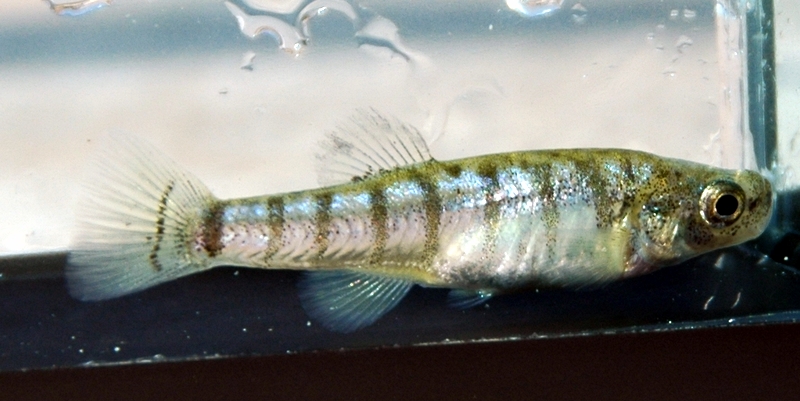
Anatolichthys saldaeSalda Toothcarp
Akşiray, 1955
The elongated, slender body profile, angular lower jaw and reduced scalation exhibited by this little-known subspecies have seen it placed in the disused genera Anatolichthys and Kosswigichthys in the past and it's still inexplicably listed as a species of Lebias by some sources (for the record Lebias has long been considered a synonym of Cyprinodon by most authorities and an ICZN committee voted to suppress the name in favour of Aphanius as recently as 2003). You're unlikely to find i...
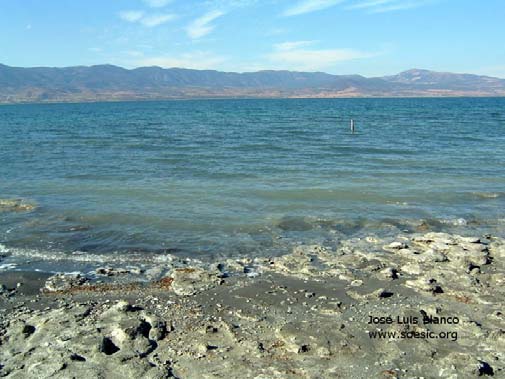
Anatolichthys sureyanusBurdur Toothcarp
Neu, 1937
The elongated, slender body profile, angular lower jaw and reduced scalation exhibited by this little-known subspecies have seen it placed in the disused genera Anatolichthys and Kosswigichthys in the past. It has also been referred to, and still is in some cases, as A. transgrediens or more often A. burdurensis/burduricus. Some of these names were erected due to the differences in scalation that can be observed among the population in Lake Burdur but studies by Villwock and others revealed that...
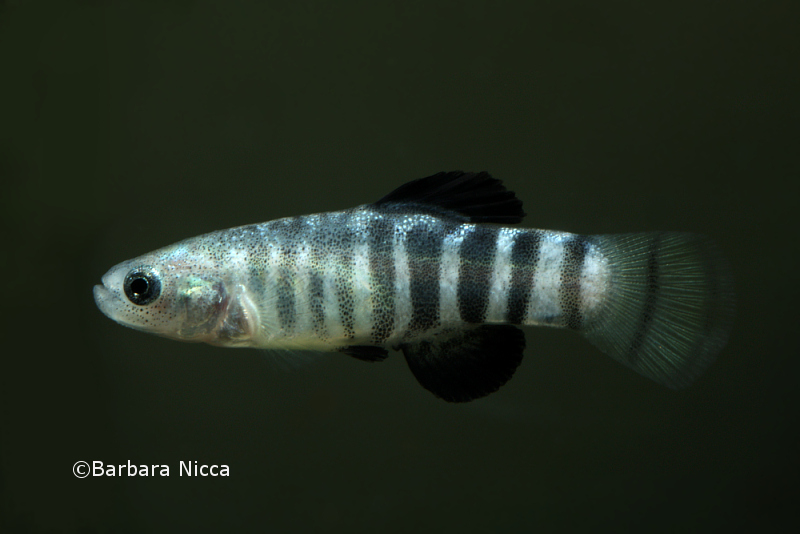
Anatolichthys transgrediensAcı Toothcarp
Ermin, 1946
The modified lower jaw and reduced scalation exhibited by this little-known species have seen it placed in the disused genera Anatolichthys and Turkichthys in the past and it is still sometimes listed as a species of Lebias although that generic name has long been considered a synonym of Cyprinodon by most authorities and an ICZN committee voted to suppress the name in favour of Aphanius as recently as 2003. You're unlikely to find it on sale in aquatic stores although it ma...
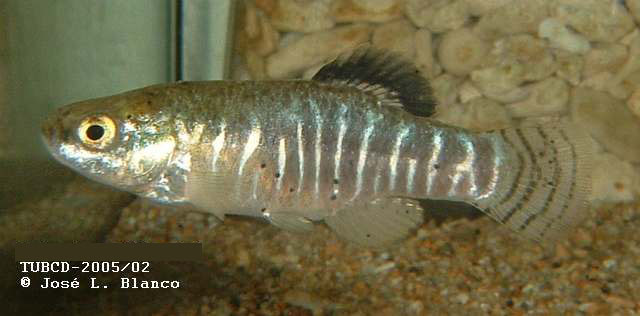
Anatolichthys villwockiSakarya Toothcarp
Hrbek & Wildekamp, 2003
Prior to its description this species had been considered a form of A. anatoliae and also referred to as A. sp. aff. danfordii but collections in the early part of this century motivated new studies and resulted in its elevation to full species level. Phylogenetic analyses have shown it to represent the sister group to all other Anatolian Aphanius spp. The Anatolia region represents a centre of diversity for the genus with ten endemic species described to date. These are thought to have diverged ...