Genus
Astyanax
- Species
- 4
- Photographed
- 4 of 4
- Difficulty rated
- 4 of 4
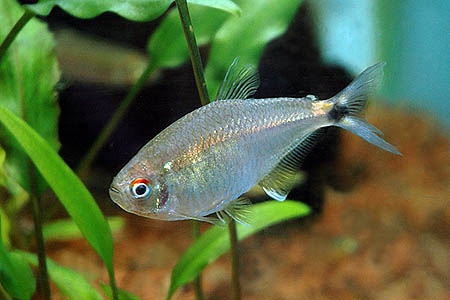
Astyanax bimaculatusTwo Spot Astyanax
Linnaeus, 1758
A. bimaculatus is not a popular aquarium fish but is available on occasion exception, most often as a contaminant among shipments of other species. It's identity is also in question to an extent with the name currently applied to what is considered to represent a species complex comprising at least four taxa.
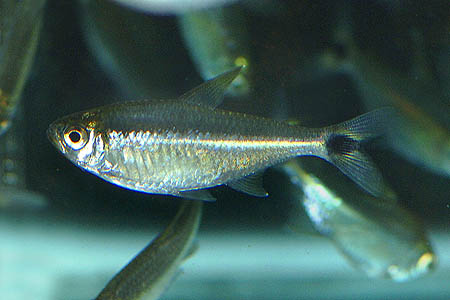
Astyanax kennedyiKennedy's Tetra
Géry, 1964
Endemic to pthe upper Amazon basin in Peru, around the city of Iquitos. Most Astyanax spp. are not popular in the aquarium hobby, though the genus is among the most speciose within the family Characidae. A. kennedyi is no exception; you'll rarely see it offered for sale but may find the occasional specimen mixed among other species in shipments of wild fishes from Peru.
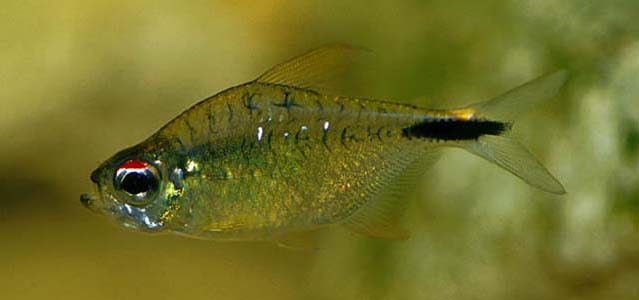
Astyanax leopoldiLeopold's Tetra
Géry, Planquette & Le Bail, 1988
Most Astyanax spp. are not popular in the aquarium hobby, though the genus is among the most speciose within the family Characidae. A. leopoldi is no exception in that you'll rarely see it offered for sale but may find the occasional specimen mixed among other species in shipments of wild fishes from Peru.
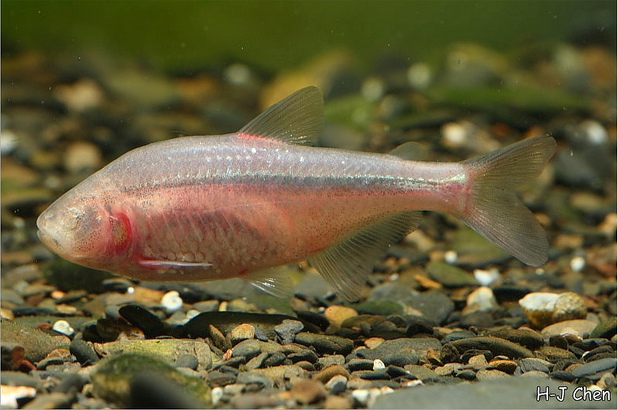
Astyanax mexicanusBlind Cave Tetra
De Filippi, 1853
While the surface-dwelling form of this species is fairly unremarkable and rarely-seen in the hobby, the blind form is very popular indeed. The two may have diverged as recently as within the last 10,000 years, with the blind form losing its eyes and much of its pigment. This probably happened because the fish needed better development in other sensory areas. Losing unnecessary and energy-consuming aspects of its physiology allowed it to devote more energy to developments such as increased numbers of taste receptors on the head.