Genus
Hemibarbus
- Species
- 4
- Photographed
- 4 of 4
- Difficulty rated
- 4 of 4
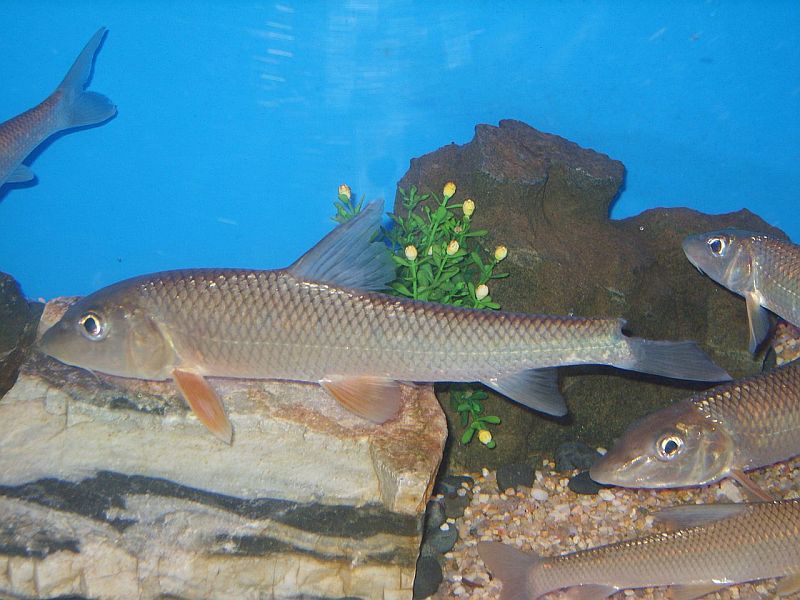
Hemibarbus labeoBarbel Steed
Pallas, 1776
This species can be distinguished from other members of the genus by the following combination of characters: absence of dark spots on body in adults; body elongate with slightly convex dorsal profile; head longer than body is deep; snout much longer than postorbital head length; lips well developed, lateral lobes of lower lip broad and thick with folds, median process small; barbel thickness shorter or equal to eye diameter; dorsal spine strong, ⅔ of HL; dorsal-fin origin closer to tip of snout than caudal-fin base base; 15+ gill rakers; 6½ branched anal-fin rays; posterior simple dorsal-fin rays ossified and spinous.
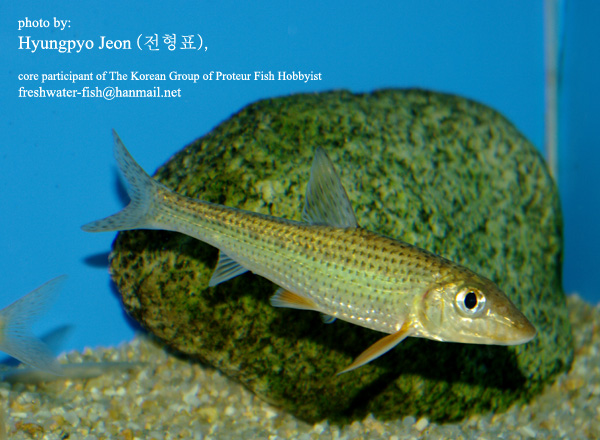
Hemibarbus longirostris
Regan, 1908
A predominantly riverine fish preferring clear, well-oxygenated, running waters with substrates of sand, gravel, rock or mud, where adults tend to form schools just above the substrate in slower-moving sections.
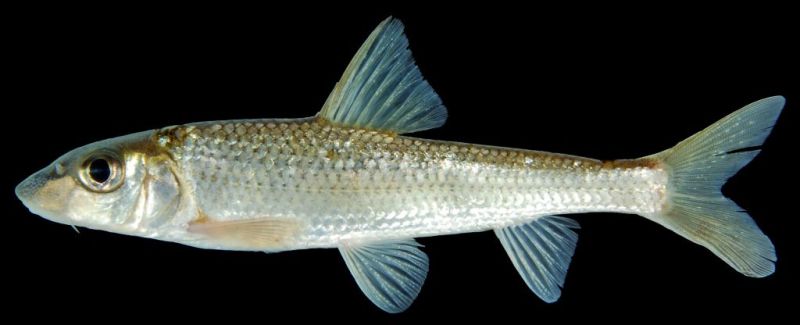
Hemibarbus maculatusSpotted Steed
Bleeker, 1871
Widepread in eastern Asia between the Yangtze and Amur river basins, including China (mainland and islands of Taiwan and Hainan), Korea, Mongolia, Russia, and Japan. It probably been introduced to Vietnam and Laos, or records from these countries represent another species.
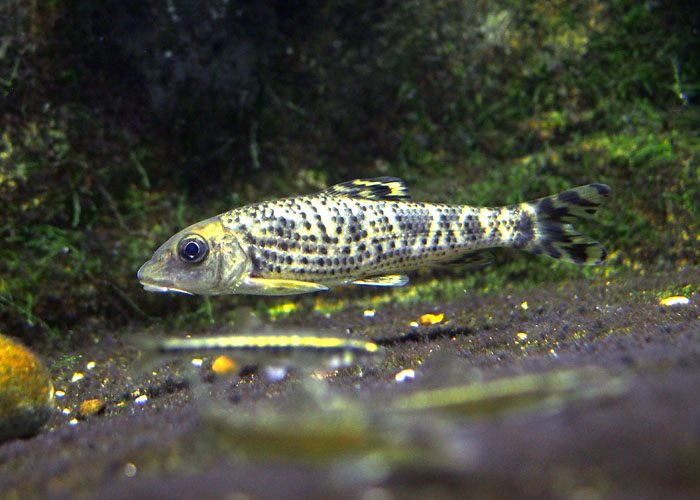
Hemibarbus mylodon
Berg, 1907
Endemic to the Korean peninsula where it occurs throughout North Korea and South Korea. Type locality is 'Keumsan River, near Pusan, South Korea.'