Genus
Lepidocephalichthys
- Species
- 15
- Photographed
- 15 of 15
- Difficulty rated
- 15 of 15
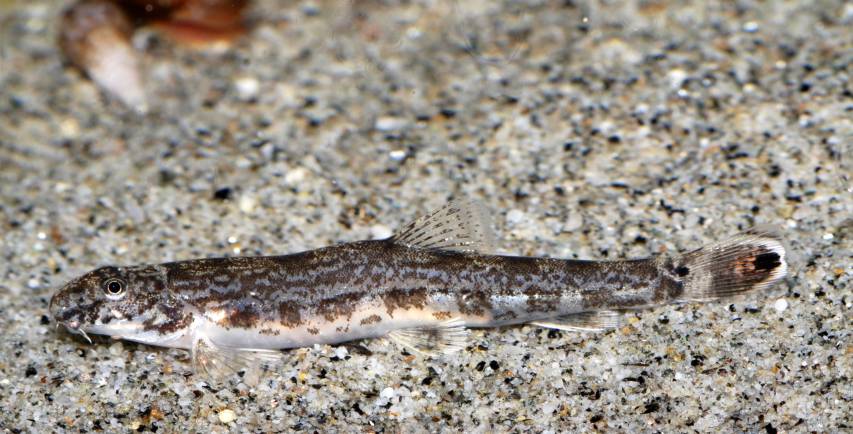
Lepidocephalichthys annandalei
Chaudhuri, 1912
Sand-dwelling loaches from the families Botiidae, Cobitidae and Nemacheilidae are also suitable but proper research is essential as some can be excessively territorial or otherwise aggressive. A community based around fishes from its natural waters could include species such as Badis badis,...
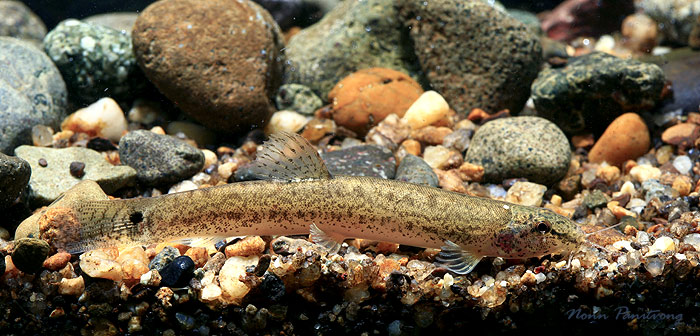
Lepidocephalichthys berdmorei
Blyth, 1860
This is one of the most frequently-traded members of the genus and is an excellent choice for those new to keeping loaches. It's distinguishable from congeners by a combination of characters including: relatively large adult size (to at least 80 mm SL); rounded/truncate caud...
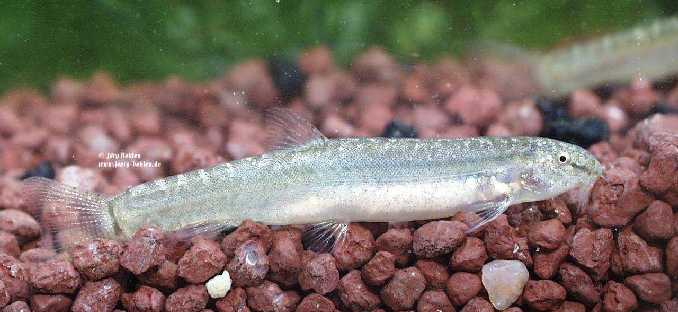
Lepidocephalichthys cf. irrorataLoktak Loach
Hora, 1921
This species is not traded often but may occasionally be exported as bycatch among shipments of other species. It can be distinguished from congeners by the following combination of characters: presence of large, exposed scales on top of head; dorsal-fin origin posterior to pelvic-fin origin; moderate to small size (to 29 mm SL); caudal-fin emarginate and with dark reticulations; caudal-fin lobes with dark, elongated spots along upper and lower edges.
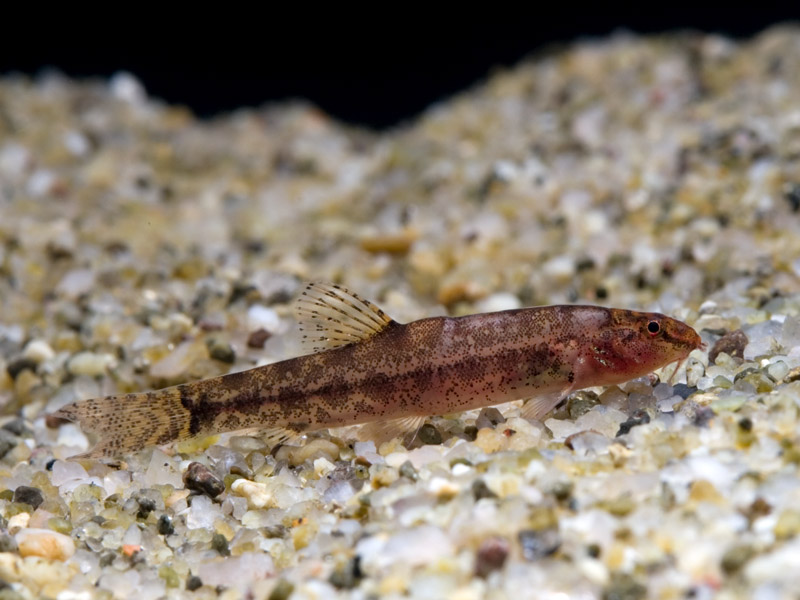
Lepidocephalichthys furcatus
de Beaufort, 1933
This species is not traded often but is occasionally available as bycatch among shipments of other species. It can be told apart from congeners most easily by the prominent, dorsally-orientated, roughly semi-circular lamina circularis in males, a feature unique within the genus. Other distinguishing characters include a combination of: forked caudal-fin; relatively small adult size; dark <-shaped mark at the base of the caudal-fin; a black spot at the base of branched caudal-fin rays 3-5.
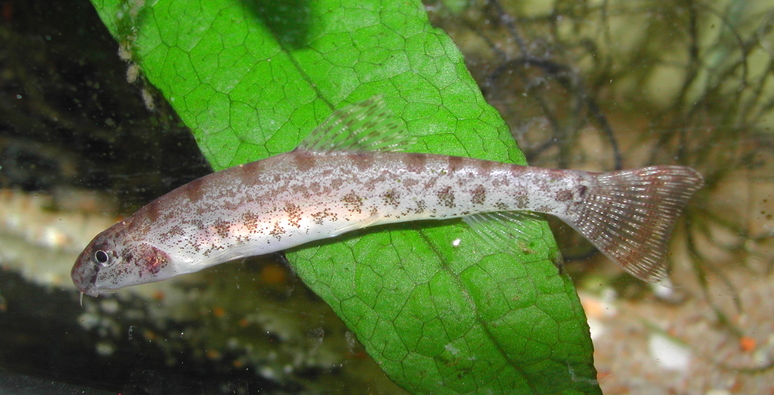
Lepidocephalichthys goalparensis
Pillai & Yazdani, 1976
This species is almost unheard of in the hobby with the specimen pictured above the only one we're aware of. It was imported into the United Kingdom in late 2011 as bycatch among a shipment of mastacembelid eels from northern India, and the identification was subsequently confirmed by Justin Havird, senior author of the most recent revision of the genus.
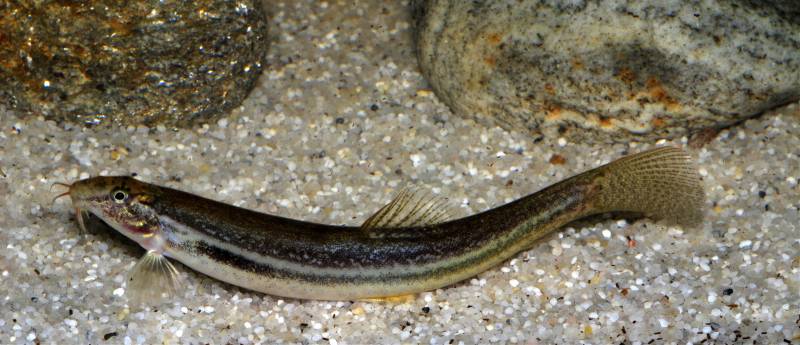
Lepidocephalichthys guntea
Hamilton, 1822
This is one of the most frequently-traded members of the group and is an excellent choice for those new to keeping loaches. It's distinguishable from congeners by a combination of characters including: rounded/truncate caudal-fin; a scaleless patch on top of the head; relatively large adult size; flanks with spotted patterning in females and a solid...
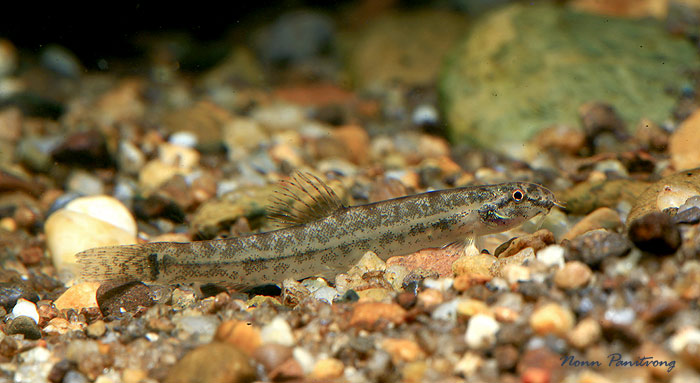
Lepidocephalichthys hasselti
Valenciennes, 1846
At one locality close to Ban Na Hwai, Chiang Mai Province, Thailand L. hasselti was collected from a shallow (<0.5 m) pool in a swampy zone between forest and rice fields. The substrate was of mud, there was no aquatic vegetation and it was being used as drinking water by local animals, with the only effluent connected to a 'small creek'. Other species found there were Physoschistura pseudobrunneana, Rasbora hobelmani and Systomus cf. orphoides.
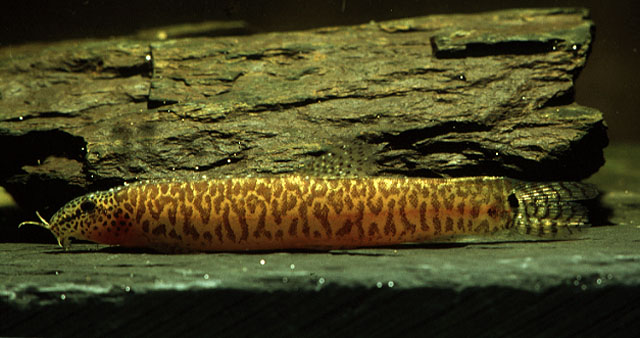
Lepidocephalichthys jonklaasi
Deraniyagala, 1956
Endemic to Sri Lanka with type locality 'shaded pools of mountain streams at Akuressa, Southern Province, Sri Lanka, elevation 500 meters'. It's known from at least five localities, all of which are located in restricted to Sri Lanka's 'wet zone' in the southwest of the island, with records exis...
Lepidocephalichthys kranos
Havird & Page, 2010
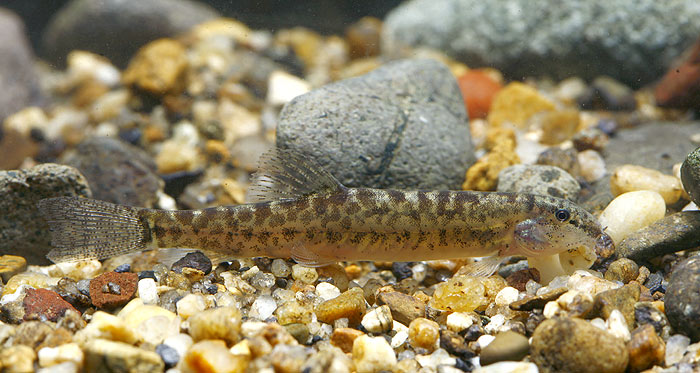
The family Cobitidae, often referred to as 'true' loaches, is widely-distributed across most of Eurasia with the Indian subcontinent, Southeast Asia and China representing particular centres of species diversity. Phylogenetic analyses by Tang et al. (2006), Šlechtová et al. (2007) and Šlechtová et a...
Lepidocephalichthys micropogon
Blyth, 1860
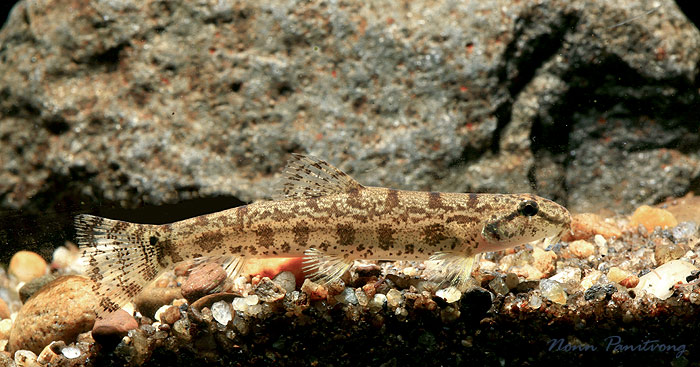
According to Kottelat (2012) L. manipurensis Arunkumar, 2000, which was described from Moreh, Manipur state, northeastern India, close to the border with Myanmar, is a syonym of L. micropogon. Havird and Page (2010) differentiate the two based on caudal-fin patterning, predorsal length and ver...
Lepidocephalichthys sp. 'LE1'Vietnamese Marbled Hog-faced Loach
authority not recorded
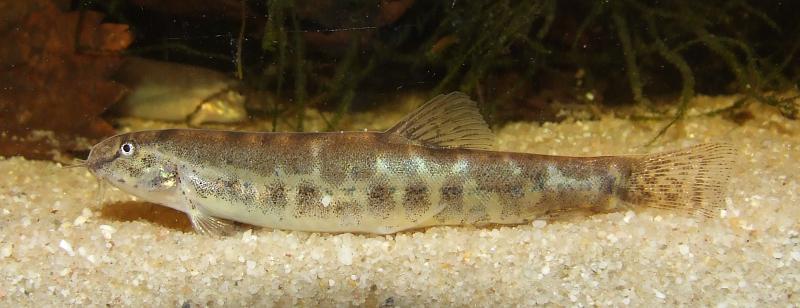
This fish has only been traded on a handful of occasions to date. It's been referred to as Lepidocephalichthys cf. hasselti and Lepidocephalus cf. thermalis but appears to be an undescribed member of the former genus. Following a...
Lepidocephalichthys sp. 'LE2'
authority not recorded
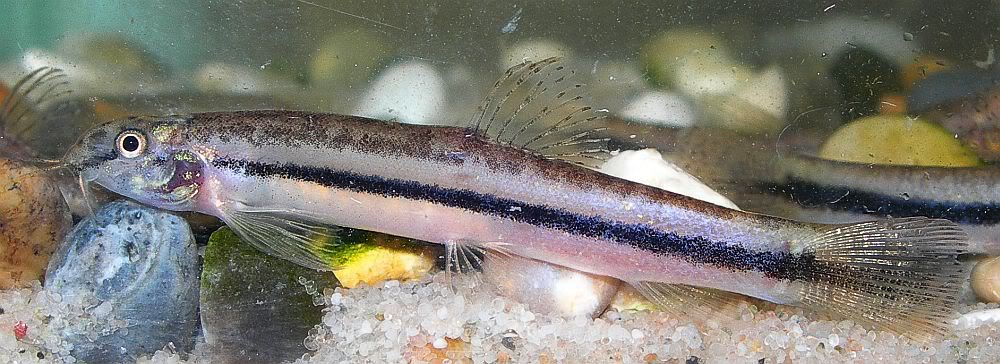
This fish may only have been exported for aquaria on a single occasion to date. It exhibits characters reminiscent of both L. alkaia and L. guntea, and has been referred to as L. cf. guntea) but is most likely an undescribed species (Havird, pers. comm.).
Lepidocephalichthys thermalis
Valenciennes, 1846
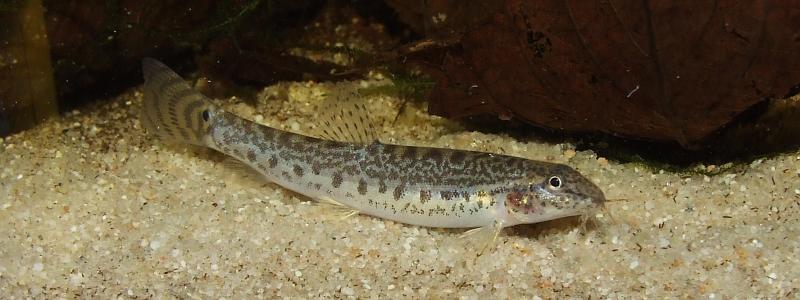
This species is available sporadically and makes an excellent choice for those new to keeping loaches. It's distinguishable from congeners by a combination of characters including: truncate/rounded caudal-fin; no scales on top of head; dark, squarish spots o...
Lepidocephalichthys tomaculum
Kottelat & Lim, 1992
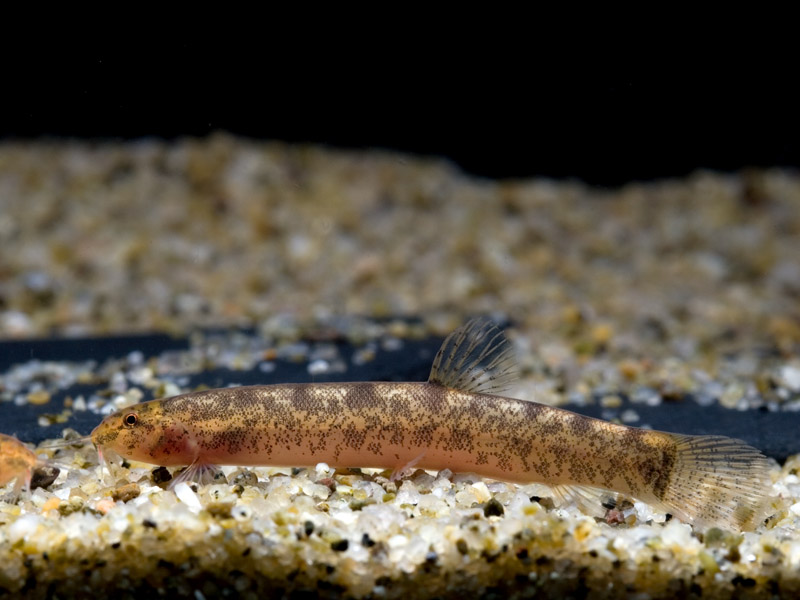
This species is not traded often but may be available occasionally bycatch among shipments of other species. It can be told apart from congeners most easily by the following combination of characters: truncate caudal-fin; scaleless patch on top of head; caudal-fin with reticulated patterning, sometimes appearing as a series of thin vertical bars; body reddish brown with darker markings; 3-7 predorsal and 3-6 postdorsal thin, transverse dark bars running across the dorsal surface; relatively deep...
Lepidocephalichthys zeppelini
Havird & Tangjitjaroen, 2010
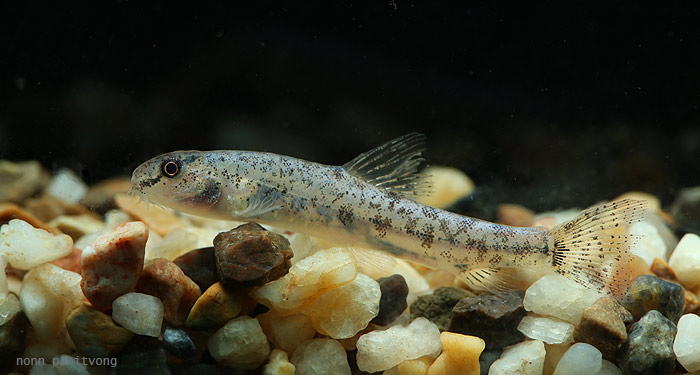
The type locality consisted of remnant ephemeral pools in otherwise dry agricultural land, and many adults were collected from such habitats. Other species present included the congener L. hasselti plus members of Anabas, 'Puntius', Rasbora, Channa, and Hampala.