Genus
Neolamprologus
- Species
- 14
- Photographed
- 2 of 14
- Difficulty rated
- 14 of 14
Neolamprologus boulengeri
authority not recorded
N. boulengeri can be distinguished from the similar N. hecqui and Lamprologus kungweensis primarily by the orange border on the dorsal and anal fins, although its adult patterning is somewhat different to the other species. Unlike many other shell dwellers, it will spawn in small caves if no shells are made available....
Neolamprologus brevis
authority not recorded
N. brevis is one of the commoner species of shell dweller available in the hobby. Several colour morphs are available including "sunspot", "katabe" and "sambia". As mentioned above, it is often found in areas within Lake Tanganyika where relatively few snail shells collect and in these areas, pairs of fish will share the same shell. This behaviour may or may not be observed in the aquarium, depending on the number of shells provided and the individual fish. The terr...
Neolamprologus buescheriStriped Lamprologus
authority not recorded
Not recommended for the beginner N. buescheri is one of the most aggressive small cichlids in the hobby. Several geographical morphs are available, including "gombi", "kachese", "kamakonde", and "zaire".
Neolamprologus fasciatusBarred Lamprologus
authority not recorded
N. fasciatus is a predator by nature and its body shape has been adapted to allow it to enter small crevices and gaps in the rockwork of Lake Tanganyika to prey on invertebrates, eggs, fry and small fish. The lateral compression exhibited by this fish also makes the fish hard to spot head on, giving it an advantage over both its predators and prey. It hunts in a head down position a few feet above the substrate, moving its body in sinuous motions to counteract the water currents. It is sometimes...
Neolamprologus helianthusSunflower Lamprologus
authority not recorded
This stunning species was only described in 1997 and is included in the so-called "Brichardi complex", which also includes N. brichardi, crassus, falcicula, gracilis, pulcher, savoryi and splendens. The species should not be mixed in aquaria as they will hybridise freely. N. helianthus can be distinguished from others in the complex by its overall yellow-orange patterning and v-shaped cheek marking....
Neolamprologus leleupiLemon Cichlid
authority not recorded
One of the most popular Tanganyikan species in the hobby, N. leleupi is a stunning fish when in good condition. However, it is not as easy to maintain as its popularity suggests, due to its disagreeable attitude towards conspecifics and its sensitivity to deteriorating water conditions. It is a solitary species in nature, with male fish entering females' caves as they find them and spawning with receptive females. This explains the weak pair bond formed by spawning fish in aquaria and also ...
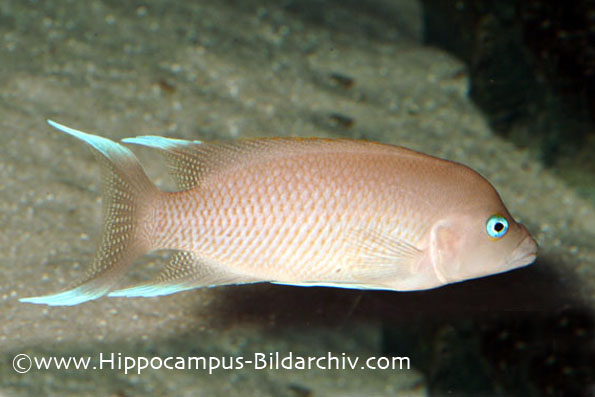
Neolamprologus marunguensis
authority not recorded
A less often seen but good looking species with a deeply forked tail. It was previously sold as Neolamprologus sp. "walteri".
Neolamprologus multifasciatus
authority not recorded
This is probably the smallest known cichlid species and exhibits truly fascinating behaviour. The territories it establishes are very small, usually measuring no more than 6" across, but they are defended vigorously. The tiny fish will even bite hands or fingers that invade their 'personal space'! Highly recommended to anyone wishing to observe some unique behaviour on a small scale....
Neolamprologus olivaceous
authority not recorded
This species is included in the so-called "Brichardi complex", which also includes N. brichardi, crassus, falcicula, gracilis, pulcher, savoryi and splendens. These should not be mixed in aquaria, as they will hybridise freely. N. olivaceouscan be distinguished from others in the complex by the two curved markings on the gill cover. It is possible that it is synonymous with N. pulcher, as proposed by Konings (1993)....
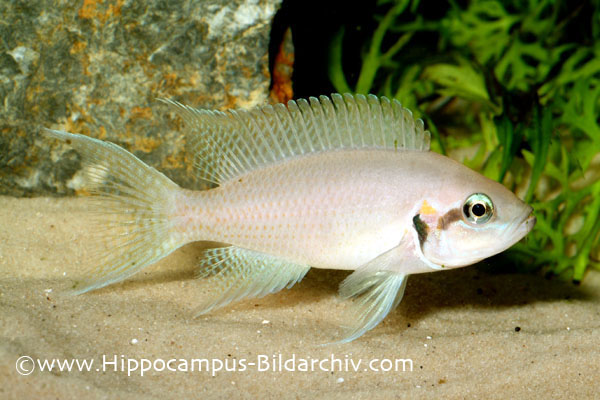
Neolamprologus pulcherBrichardi
Trewavas & Poll, 1952
Deservedly one of the most popular Tanganyikan species available in the hobby, N. brichardi is ideal for newcomers to both Rift Lake cichlids and cichlids in general, being beautiful and easy to keep and breed. It is seen for sale under several common names including "Fairy Cichlid", "Lyretail Cichlid" and "Princess of Burundi". There are several colour morphs available, although these do not vary much in patterning, and an albino form is also occasionally available...
Neolamprologus savoryiStriped Brichardi
authority not recorded
This species is included in the so-called "Brichardi complex", which also includes N. brichardi, crassus, falcicula, gracilis, helianthus, olivaceous, pulcher, and splendens. These should not be mixed in aquaria as they will hybridise freely. N. savoryi can be distinguished from others in the complex by it's distinctive patterning of vertical bars....
Neolamprologus sexfasciatusSix-barred Lamprologus
authority not recorded
Several geographical morphs of this species are available, including "Sambia" and "Kipili". These vary in base colour from blue to yellow to white. It is not recommended for the general Tanganyikan community due to its aggressive and predatory nature....
Neolamprologus similis
authority not recorded
N. similis is one of the less frequently seen shelldwellers in the hobby but has no less personality than its cousins. The territories it establishes are very small, usually measuring no more than 6" across, but they are defended vigorously. The tiny fish will even bite hands or fingers that invade their 'personal space'! It can be distinguished from the similar N. multifasciatus by the presence of additional barring on the head and neck and also in this species the stripes appear...
Neolamprologus tretocephalusFive-barred Lamprologus
authority not recorded
It can be distinguished from the similar N. sexfasciatus by the presence of only five, rather than six, vertical bars on it's flanks. It is not recommended for the general Tanganyikan community due to it's aggressive nature, particularly when breeding....