Region · Indonesia, Papua New Guinea
New Guinea
New Guinea crosses 2 countries, and its fishes do not recognise the border.
- Species
- 6
- Countries
- 2
- Photographed
- 6 of 6
- Difficulty rated
- 6 of 6
Split acrossfrom the record that named both
One more species carries New Guinea without naming a country, so it is on this page and on none of those.
Countries hereone fauna, more than one flag
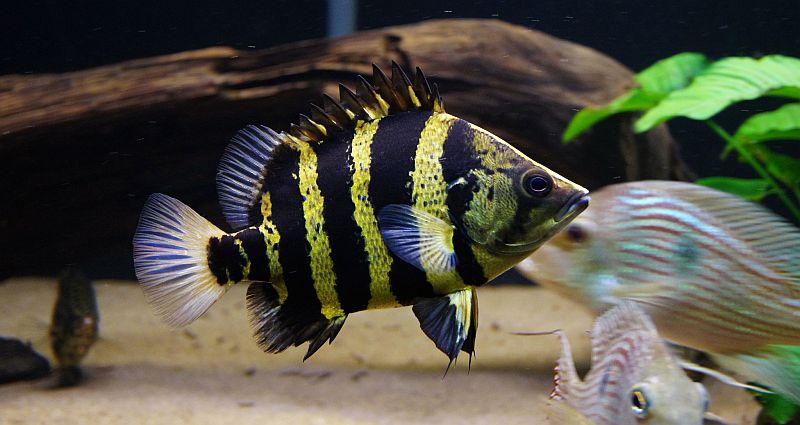
Datnioides campbelliNew Guinea Tiger Perch
Datnioididae · Whitley, 1939
Apparently restricted to the southern portion of New Guinea, between the Lorentz River in Papua province, Indonesia, and Kikori River in Gulf province, Papua New Guinea. The majority of records pertain to the lower Fly River basin in Western province, southwestern Papua New Guinea.
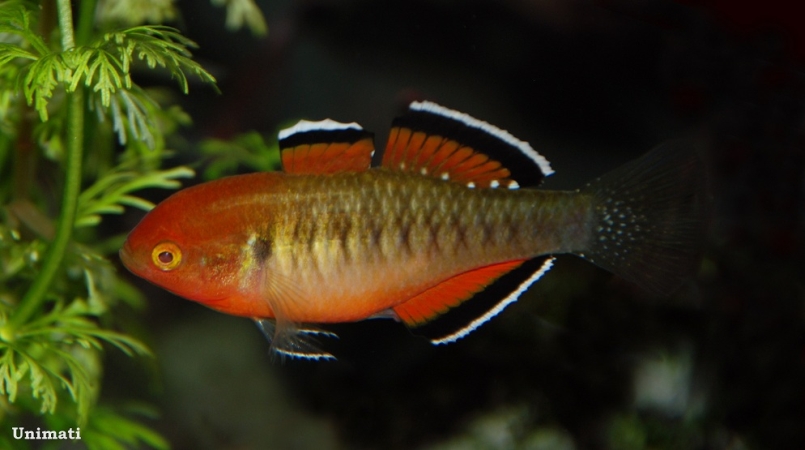
Hypseleotris compressaEmpire Gudgeon
Eleotridae · Krefft, 1864
Occurs in northern and eastern Australia and southern New Guinea. In the former its range extends from the Pilbara and Kimberley regions of Western Australia state around the northern and eastern coastlines of the continent as far as the Towamba river system in New South Wales state.
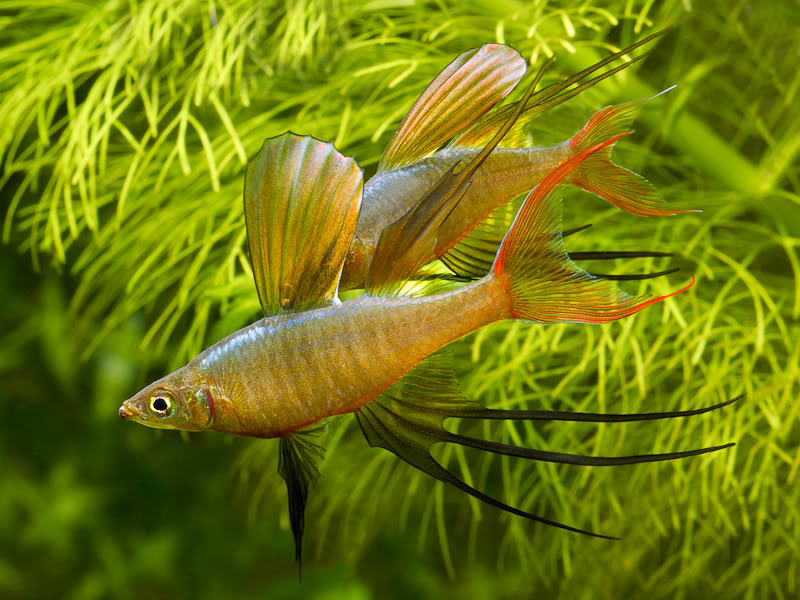
Iriatherina werneriThreadfin Rainbowfish
Melanotaeniidae · Meinken, 1974
There also exists a sister-group relationship between the Melanotaeniidae and Malagasy family Bedotiidae, which may seem surprising given their respective modern-day distributional patterns. The precise origin and subsequent dispersal of the two families has been the subject of debate, with some palentologists suggesting that Madagascar's freshwater fishes derived froma trans-oceanic dispersal during the Cenozoic Era, but the most compelling arguments currently indicate a freshwater radiation which occurred during the Mezozoic break-up of Gondwana.
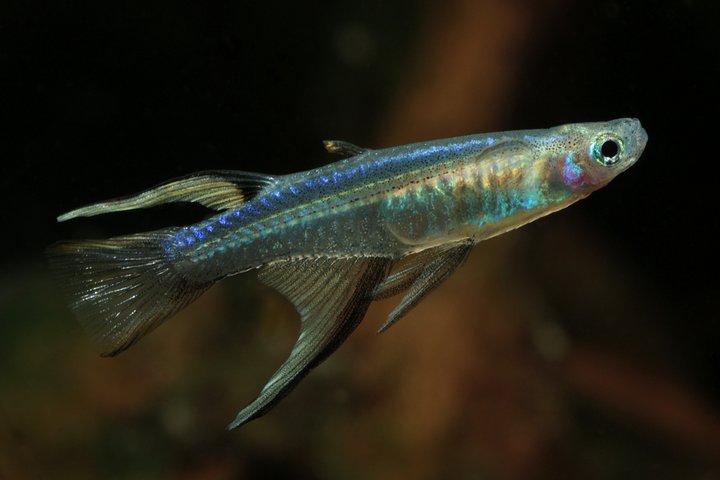
Pseudomugil cyanodorsalisNeon Blue-eye
Pseudomugilidae · Allen & Sarti, 1983
Euryhaline and thus capable of withstanding significant fluctuations in salinity and other water conditions. It's been recorded in full marine conditions as well as pure freshwater environments, and commonly inhabits coastal mangrove creeks and swamps. Such changes may occur on a daily or seasonal basis depending on locality, with some habitats influenced by daily tides whereas others become hypersal...
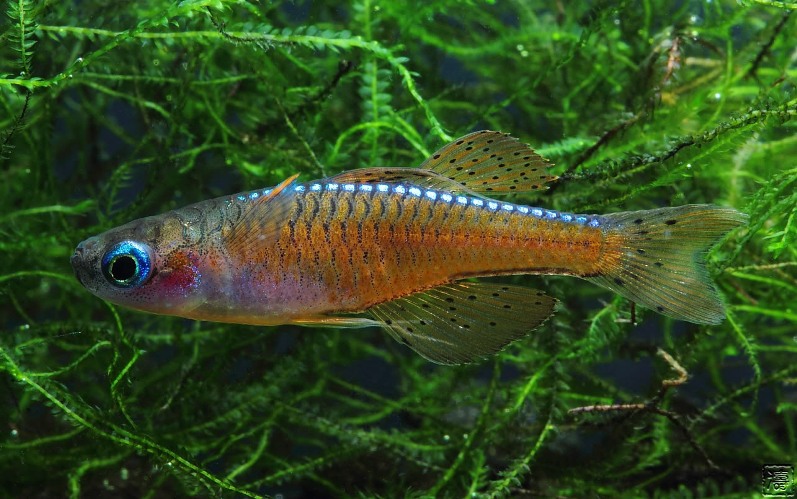
Pseudomugil sp. 'red neon'
Pseudomugilidae · authority not recorded
This fish first appeared in the aquarium hobby in 2011 and has been traded under various names including P. sp. cf. paskai, P. sp. 'red orange neon', P. sp. 'neon orange', P. sp. 'Irian' and P. 'iriani'. The majority of fish available tend to be male, presumably due to their brighter colour pattern. It was initially suspected to be a hybrid or sele...
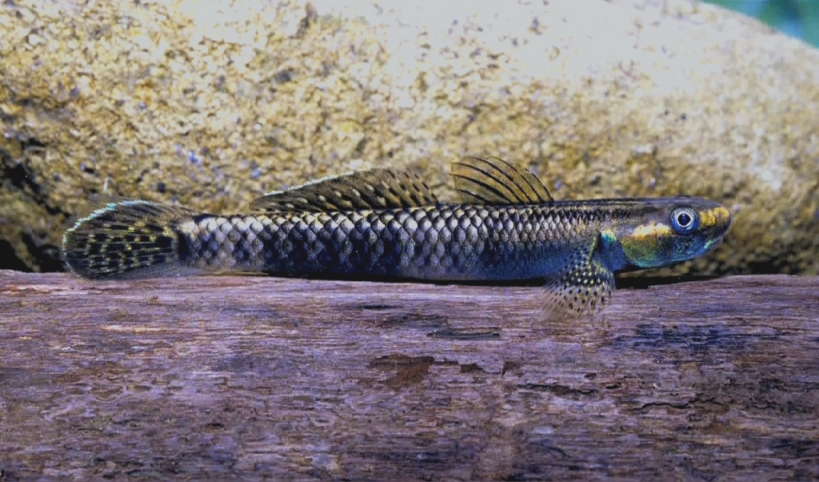
Stiphodon atratus
Gobiidae · Watson, 1996
Type locality is given as 'Stream at end of long narrow bay, Waigeo Island, Irian Jaya, Indonesia', with the species also known from rivers draining the northern slope of New Guinea as well as Halmahera Island (Indonesia), the Admiralty Islands (Papua New Guinea), the Bismarck Archipelago (Papua New Guinea), D'Entrecasteaux Islands (Papua New Guinea), Louisiade Archipelago (Papua New Guinea), Bougainville (Papua New Guinea), Vanuatu, and...