Results for “Solimões”
Type a name: scientific, common, or one a species used to go by. Or narrow the catalogue with the filters.
Filters
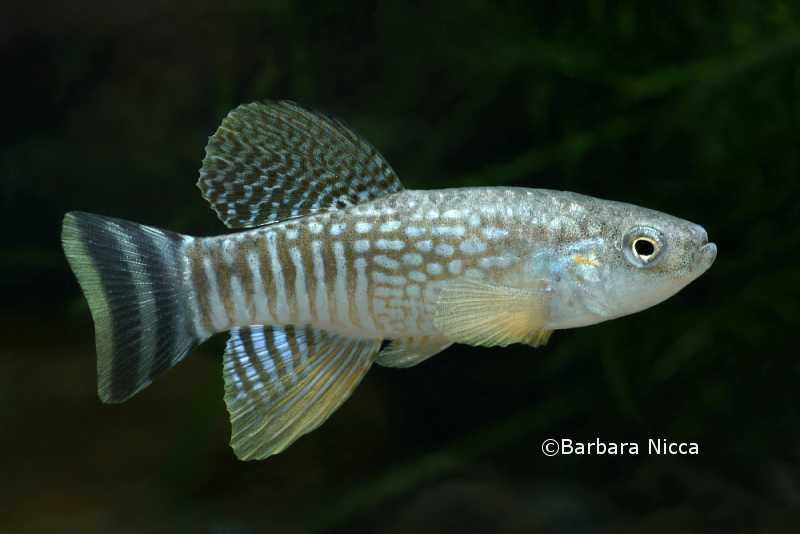
Aphaniops disparArabian Toothcarp
Rüppell, 1829
Max length80mm SL3.1in SLTank120 × 30cm48 × 12inTemp4–30°C39–86°FpH7.5–9.0A. dispar should only be considered a nominal species as demonstrated by Hrbek and Meyer (2003) who conducted an in-depth phylogenetic study covering the majority of the genus. It was found to represent a paraphyletic grouping meaning it cannot be considered to be a species following the phylogenetic species concept. A. mento, A. sirhani and especially A. ginaonis and A. richardsoni were found to be its closest surviving relatives. Hoedeman (1951) suggested that it should be moved into a separat...
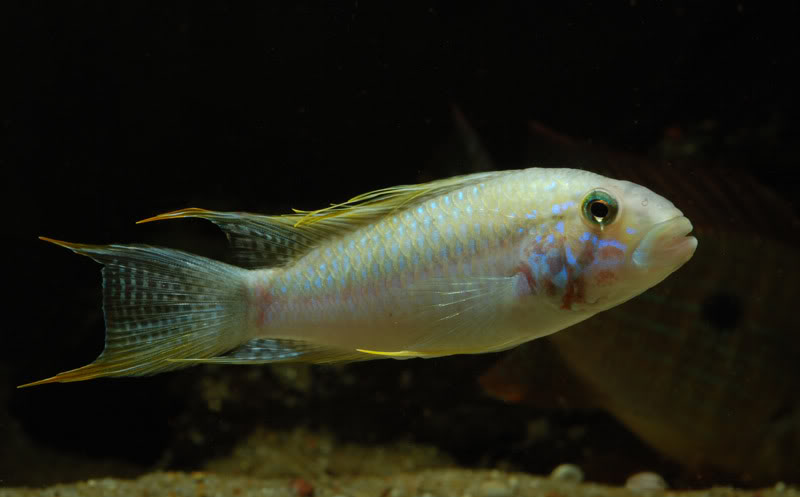
Apistogramma sp. 'Kelleri'
authority not recorded
Max length♂ 80 · ♀ 65mm SL♂ 3.1 · ♀ 2.6in SLTank60 × 30cm24 × 12inTemp22–29°C72–84°FpH4.0–6.0This undescribed species was first collected and subsequently appeared in the aquarium hobby during 2008. It was exported again in late 2009 and early 2010 under the names A. sp. 'Jutai' and A. sp. 'diamond face', and said to have been collected in the Río Jutai, Amazonas state, Brazil. The Jutai is a south bank tributary of the Solimões but lies several hundred kilometres downstream of Leticia so this information, from a purportedly trustworthy source, initiall...
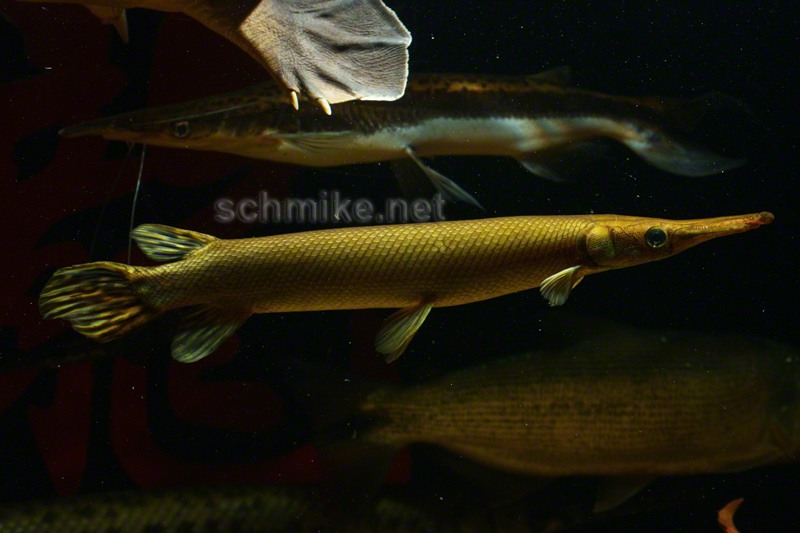
Atractosteus tristoechusCuban Gar
Bloch & Schneider, 1801
Max length1800mm SL71in SLTanknot recordedTempnot recordedpHnot recordedEndemic to Cuba where it's found throughout western parts of the island plus Isla de la Juventud (Isle of Youth, formerly known as the Isle of Pines). It's endangered across most of this range and captive breeding efforts are well-established. Known locally in Cuba as 'manjuari', it clearly shouldn't be considered a home aquarium subject...
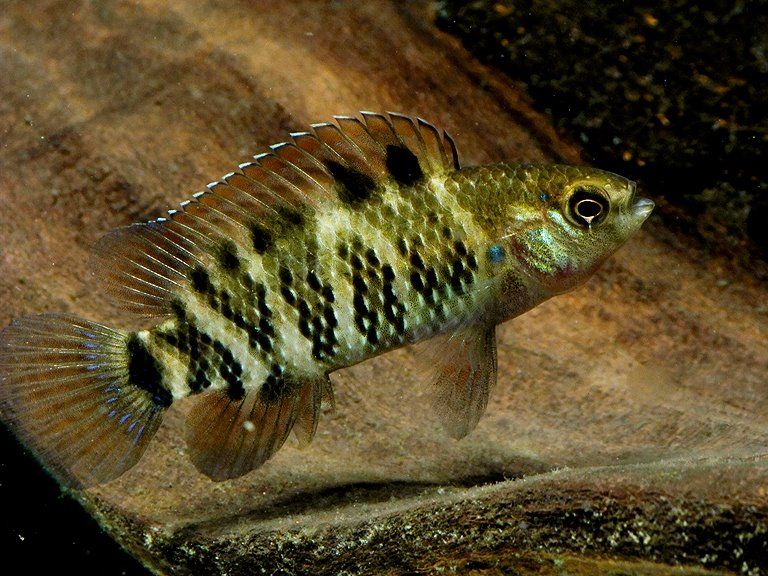
Badis badisBadis
Hamilton, 1822
Max length60mm SL2.4in SLTank80 × 30cm31 × 12inTemp15–25°C59–77°FpH6.0–7.5This species is sometimes sold under the trade name of 'chameleon fish' due to its ability to rapidly change colour, especially when breeding or stressed. It was originally described as Labrus badis by Hamilton but Bleeker reclassified it as Badis buchanani in 1854; he had adopted the species name 'badis' as the new name for the genus and wished to avoid using a tautonym. At that time the use of tautonyms was avoided in zoological taxonomy but is now permissible under ICZN ru...
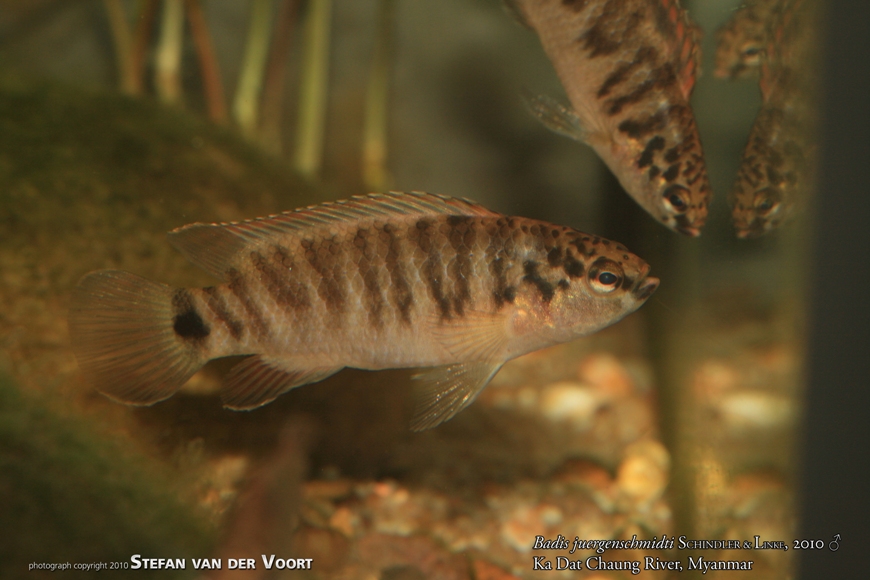
Badis juergenschmidti
Schindler & Linke, 2010
Max length50mm SL2.0in SLTank60 × 30cm24 × 12inTempnot recordedpH6.0–7.0This species is essentially unknown in the hobby at time of writing. It was discovered by German aquarist Horst Linke in early 2010 and before official description was known as B. sp. ‘East Myanmar’ (‘Ost Myanmar’ in Germany). It can be differentiated from other members of the genu...
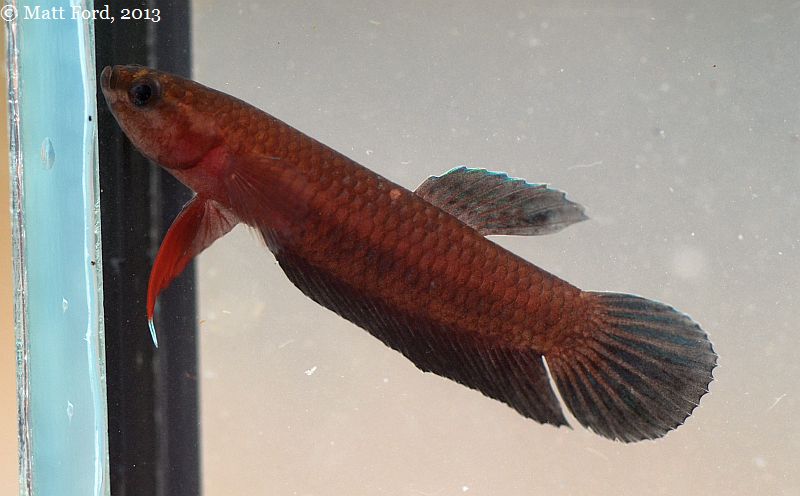
Betta miniopinna
Tan & Tan, 1994
Max length35mm SL1.4in SLTank45 × 30cm18 × 12inTemp22–28°C72–82°FpH4.0–6.0Bintan has been developed for tourism over the last decades and is heavily-promoted by Indonesia, with luxury beach resorts and golf courses increasing in number. Further deforestation has occurred in order to establish large rubber plantations in the interior of the island. B. miniopinna is now restricted to a few remaining pockets of primary peat swamp forest and has been listed as 'Critically Endangered' on the IUCN Red List of Threatened Species since 1996.
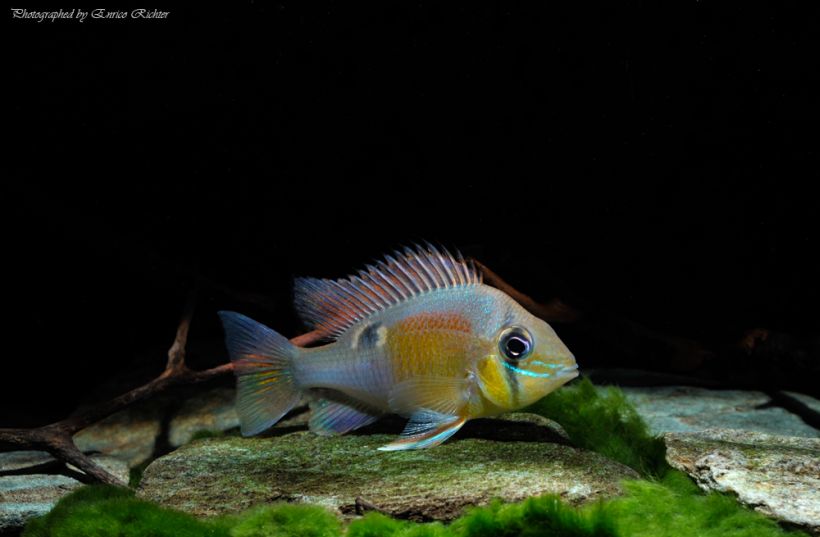
Biotodoma cupidoCupid Cichlid
Heckel, 1840
Max length100mm SL3.9in SLTank150 × 45cm60 × 18inTemp20–30°C68–86°FpH5.0–7.0Recorded throughout much of the Amazon basin, with its range extending eastwards from the Ucayali system in Peru as far as the Tocantins drainage which flows into the Atlantic alongside the Amazon at its delta. The southern extremity of its range appears to be the Río Mamoré in Bolivia, a tributary of the rio Guaporé, and the northern limit the Essequibo basin, Guyana.
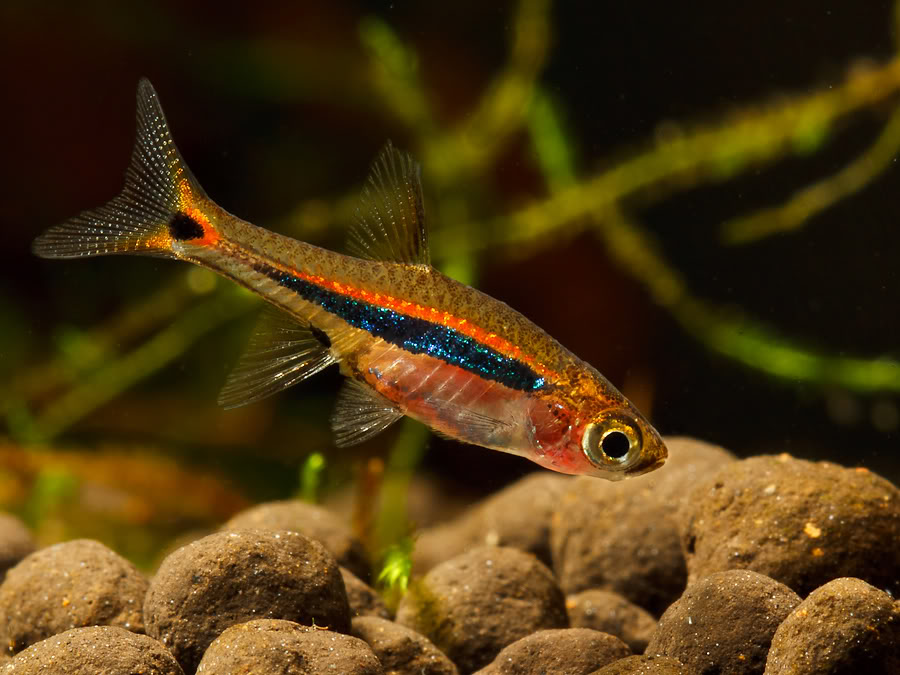
Boraras urophthalmoides
Kottelat, 1991
Max length16mm SL0.6in SLTank45 × 30cm18 × 12inTemp20–28°C68–82°FpH6.0–7.0The anatomical structure of miniaturised cyprinids can vary greatly, and there are two principle 'groupings' with some species possessing intermediate features to some degree. The first contains those fishes which though small are essentially proportionally dwarfed versions of their larger relatives, e.g., Barboides, Microdevario, Microrasbora, Horadandia, Boraras, Sawbwa, Sundadanio, Danio, Laubuca and Rasbora. The other includes those in which anatom...
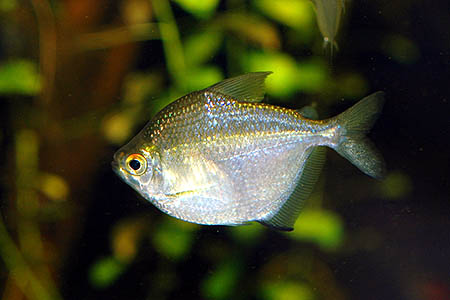
Brachychalcinus orbicularisDiscus Tetra
Valenciennes, 1850
Max length90mm SL3.5in SLTank120 × 30cm48 × 12inTemp20–27°C68–81°FpH5.0–7.5The genus Brachychalcinus currently contains four other species: B. copei (Steindachner 1882) from the rio Madeira and rio Solimões; B. nummus Böhlke 1958 from the Upper Amazon region in Colombia, Ecuador and Peru; B. parnaibae Reis 1989 from the rio Parnaíba basin, and B. retrospina Boulenger 1892 from the Rio Paraguay system. The group is often referred to collectively as 'silver dollar tetras' and tho...
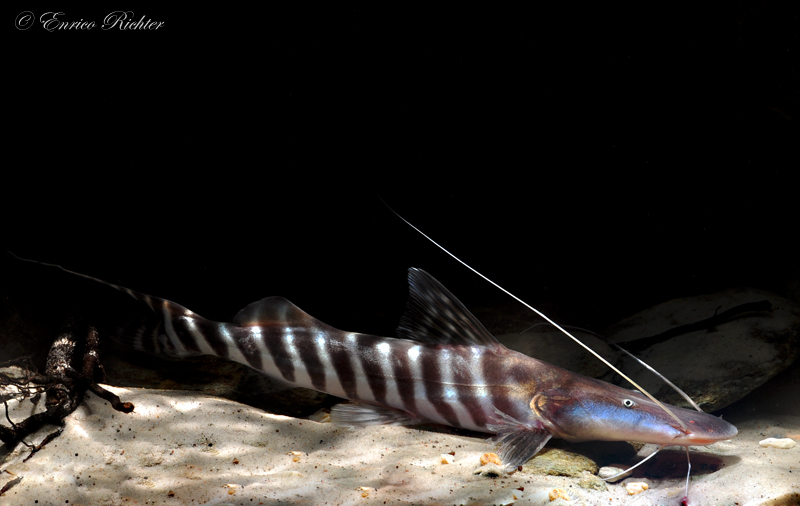
Brachyplatystoma tigrinumZebra Shovelnose
Britski, 1981
Max length500mm SL20in SLTank1000 × 400cm394 × 157inTemp22–32°C72–90°FpH6.0–7.6This species is sometimes confused with B. juruense, especially when juvenile, but can be told apart quite easily by it's more well-defined colour pattern, relatively slender body shape and longer barbels. It was described in the genus Meredontotus, but is currently included in Brachyplatystoma based on a pair of synapomorphies shared by memb...
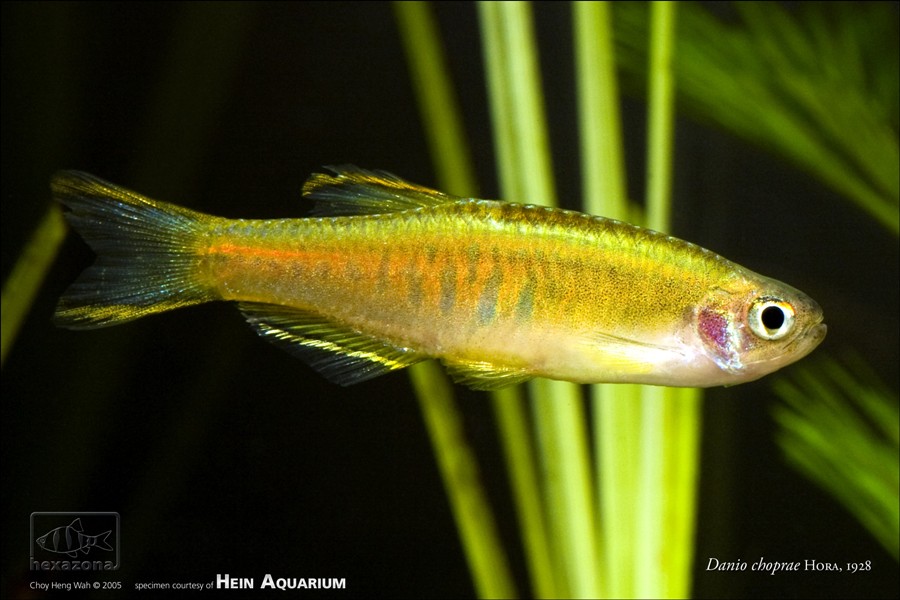
Celestichthys chopraeGlowlight 'Danio'
Hora, 1928
Max length30mm SL1.2in SLTank80 × 30cm31 × 12inTemp16–26°C61–79°FpH6.0–8.0C. choprae has only been available since 2003 but has quickly established itself as one of the most popular small danios in the hobby. There has been some confusion regarding the correct spelling of the specific name with many resources listing it incorrectly as "choprai". Briefly, when Hora described the species he named it after a man, Dr B. N. Chopra, meaning that "choprai" is technically correct as under ICZN rules the specific name ought to follow the gender of the indiv...
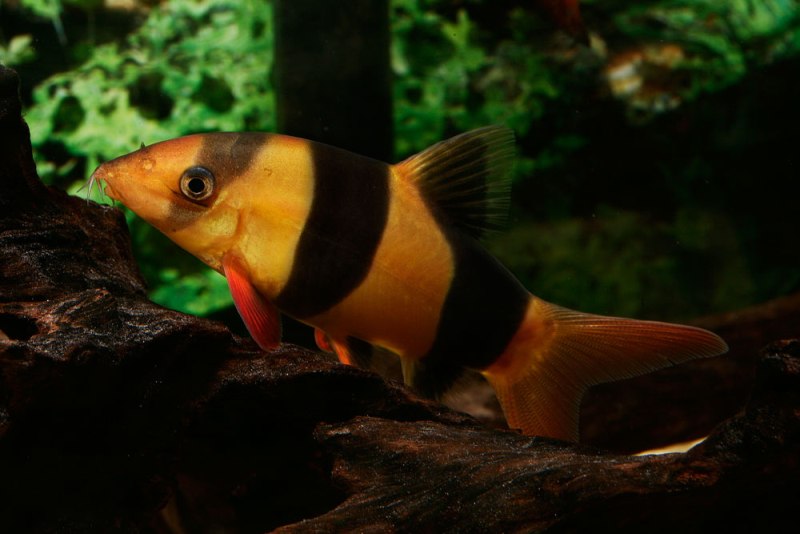
Chromobotia macracanthusClown Loach
Bleeker, 1852
Max length400mm SL16in SLTank180 × 60cm72 × 24inTemp24–30°C75–86°FpH5.0–7.0This species is arguably one of the most misunderstood in the hobby since it's wholly unsuitable for smaller aquaria despite its ubiquitous availability. Most retailers sell it without providing what should be considered essential information regarding long-term care and most specimens undoubtedly fail to reach their potential in captivity. The purchase of a group is also a considerable investment given that if properly cared for typical life span is in excess...
Clarotes laticepsWidehead Catfish
authority not recorded
Max length800mm SL31in SLTank150 × 60cm60 × 24inTemp20–26°C68–79°FpH6.5–8.0This is not a particularly common species in the trade, probably as it's not especially attractive to look at and grows very large. It's unsuitable for all but the biggest aquaria.
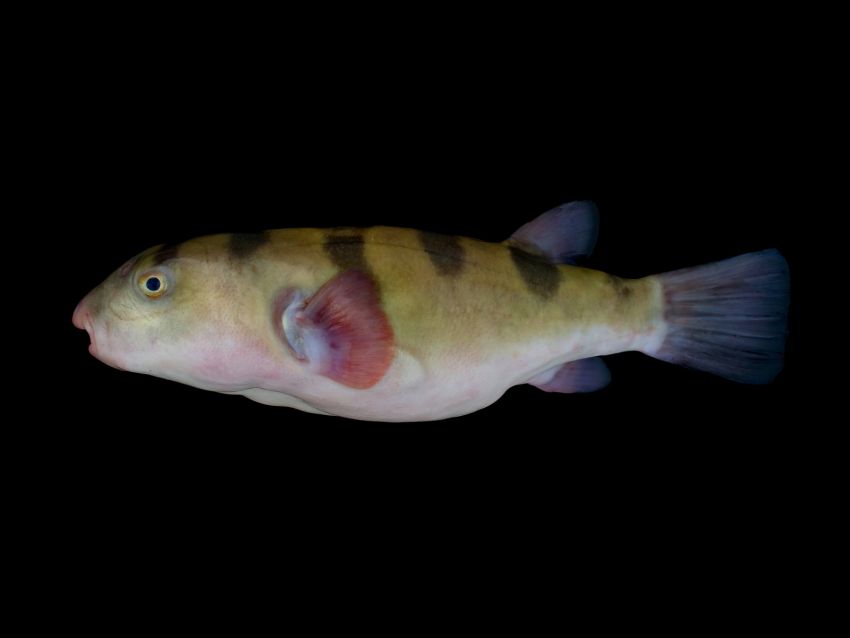
Colomesus psittacusBanded Puffer
Bloch & Schneider, 1801
Max length290mm SL11in SLTank180 × 60cm72 × 24inTemp20–26°C68–79°FpH7.0–9.0Although it does penetrate the lower basins of rivers, particularly the Amazon where it has been collected from the rio Xingu several hundred kilometres from its mouth, this species is predominantly an inhabitant of mangrove swamps, estuaries, and other such saline habitats. It is particularly common in tidal channels, shallow inshore lagoons, and the lower reaches of rivers.
Corynopoma riiseiSwordtail Characin
authority not recorded
Max length65mm SL2.6in SLTank75 × 38cm30 × 15inTemp22–28°C72–82°FpH6.0–7.0This unusual tetra is not often seen on sale in the trade, but is never particularly expensive when available. It is currently the only member in the genus although the family Glandulocaudinae actually contains about 20 member genera. None are especially popular aquarium fish, although a couple of Mimagoniates species are occasionally seen in the hobby. Almost all members of the Glandulocaudinae are characterised by the presence of secretory caudal glands in male fish, the particular structur...
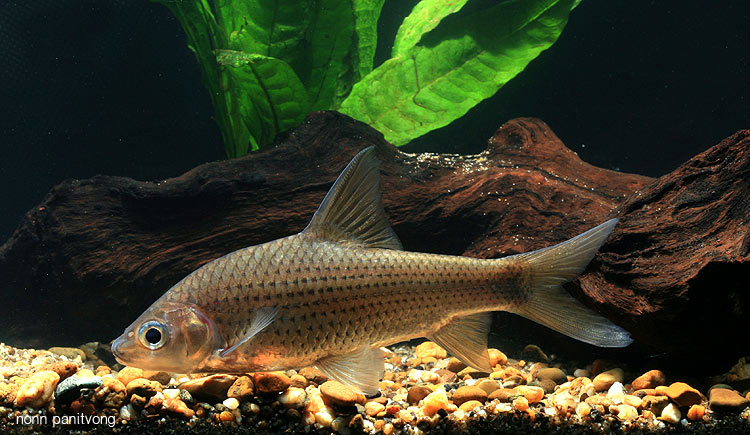
Cyclocheilichthys repasson
Bleeker, 1853
Max length280mm SL11in SLTank180 × 45cm72 × 18inTemp20–26°C68–79°FpH5.0–8.0An ideal resident of the larger, well-furnished community set-up though it might upset slow-moving or timid companions simply by its size. There are plenty of suitable tankmates including many cyprinids, loaches, cichlids, catfish and characins, but as always when selecting a compatible community of fish proper research is essential. A community based around one of its native countries or river basins...
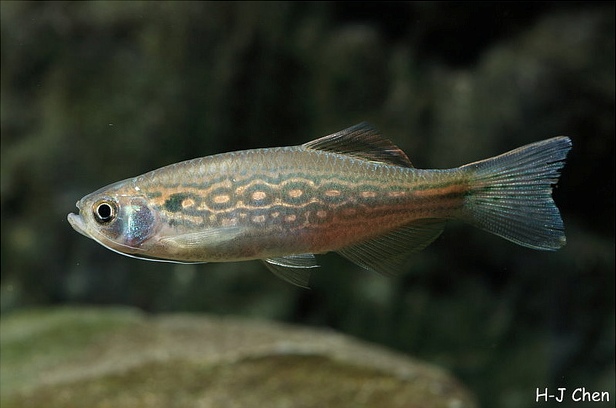
Danio dangilaMoustached Danio
Hamilton, 1822
Max length130mm SL5in SLTank120 × 45cm48 × 18inTemp16–24°C61–75°FpH6.5–7.5In the Barak River drainage, which flows through the north-east Indian states of Nagaland and Assam before bifurcating at the Bangladesh border, symaptric species include Barilius bakeri, B. barna, B. bendelisis, B. dogarsinghi, Laubuca laubuca, Esomus danricus, Devario aequipinnatus, D. annandalei, D. devario, Rasbora daniconius, R. rasbora,...
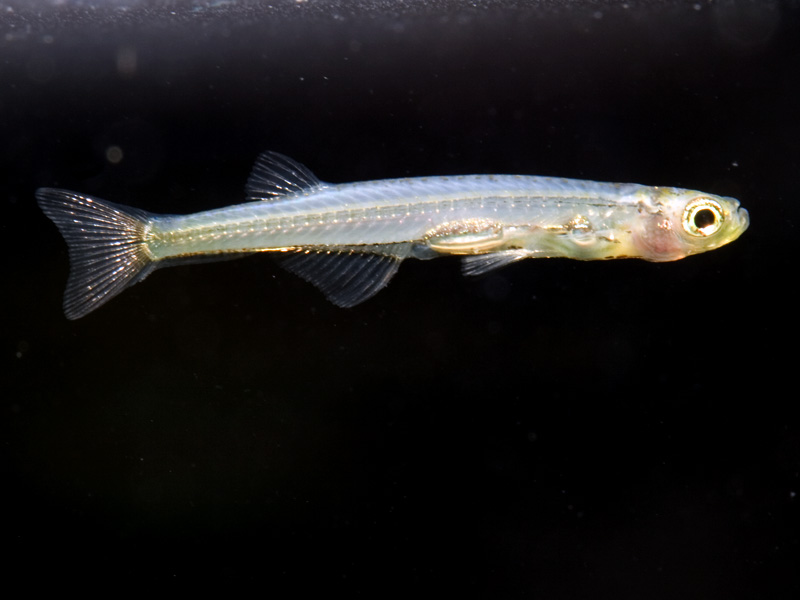
Danionella translucida
Roberts, 1986
Max length11mm SL0.4in SLTank45 × 30cm18 × 12inTemp18–24°C64–75°FpH6.0–8.0The anatomical structure of miniaturised cyprinids can vary greatly; there are two putative groups with some species possessing intermediate features to some degree. The first contains those fishes which though small are essentially proportionally dwarfed versions of their larger relatives. The other includes those in which anatomical development stops at a point where adult still resemble a larval form of their larger ancestor, as in...
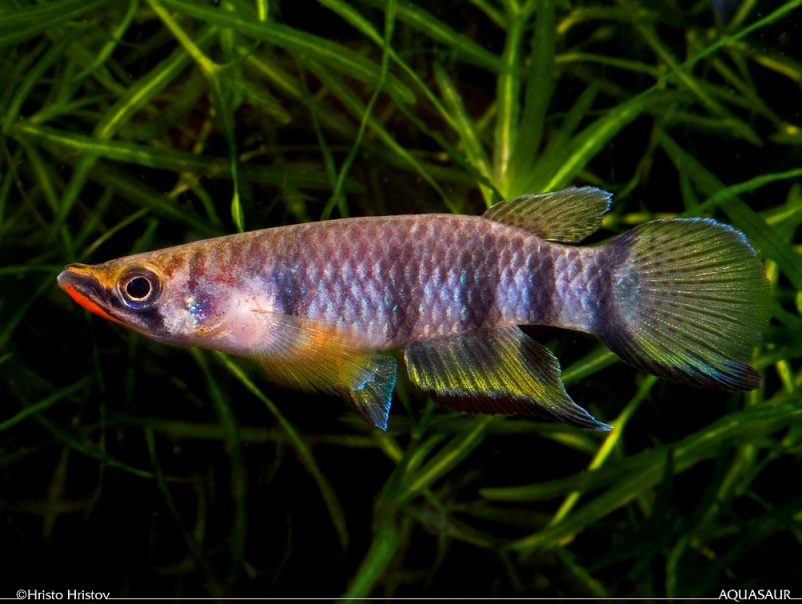
Epiplatys dagetiRed-chinned Panchax
Poll, 1953
Max length45mm SL1.8in SLTank60 × 30cm24 × 12inTemp20–30°C68–86°FpH5.0–7.0This species is also known as 'Daget's panchax', 'black-lipped panchax', 'orange-throated panchax' or 'firemouth killifish' and is an aquarium stalwart with the red-throated form having first been exported in 1908. It's an excellent choice for those new to killifishes or egg-laying species in general since the aquarium strain is well-established, quite hardy and easy to breed. There was some initial confusion after Belgian ich...
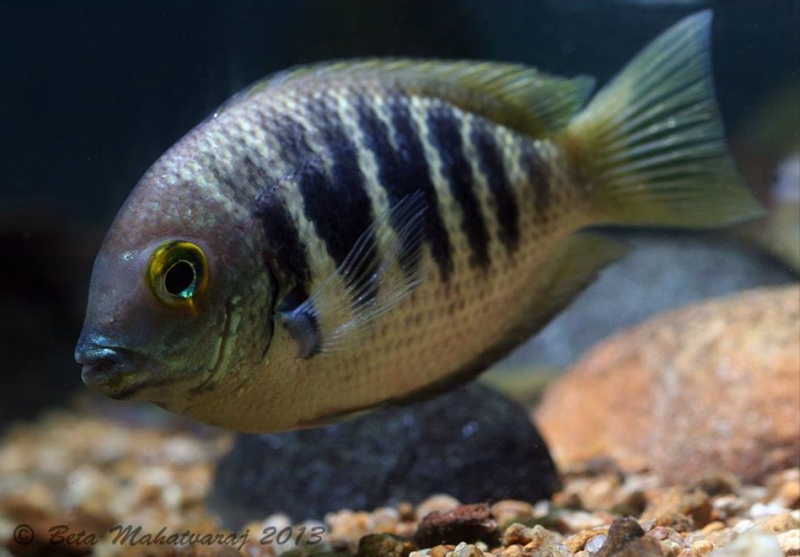
Etroplus canarensisCanara Pearlspot Cichlid
Day, 1877
Max length110mm SL4in SLTank120 × 45cm48 × 18inTemp22–32°C72–90°FpH6.0–7.5Etroplus is the only cichlid genus native to the Indian subcontinent and Sri Lanka and currently comprises three species among which E. canarensis is uniquely limited to freshwater and restricted in range. Its congeners E. maculatus and E. suratensis are both euryhaline inhabiting estuaries, coastal lagoons and the lower reaches of rivers around coastlines of western and southern India plus northern Sri Lanka.