Results for “endemic”
Type a name: scientific, common, or one a species used to go by. Or narrow the catalogue with the filters.
Filters
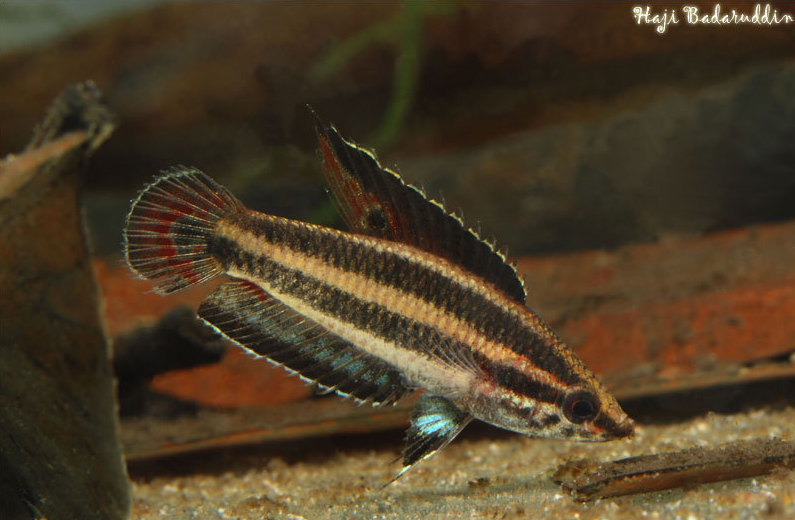
Parosphromenus allani
Brown, 1987
Max length35mm SL1.4in SLTank40 × 20cm16 × 8inTemp22–28°C72–82°FpH3.0–6.5Type locality is given only as 'Sarawak state, Borneo, East Malaysia', with the material deriving from Sibu Division in western Sarawak. It's since been recorded at other localities within Sarawak, to which it appears endemic, but it remains unclear whether all represent a single species or not with those from the area around Lundu in northwestern Kuching Division in par...
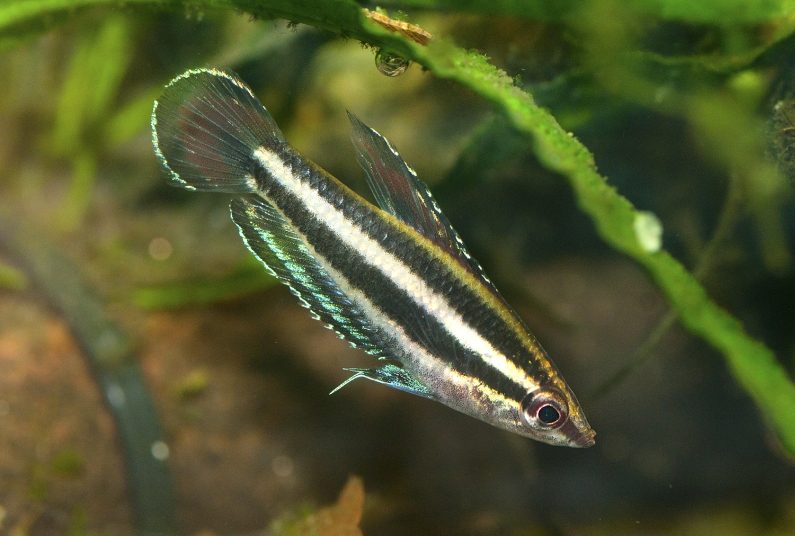
Parosphromenus opallios
Kottelat & Ng, 2005
Max length30mm SL1.2in SLTank40 × 20cm16 × 8inTemp22–28°C72–82°FpH3.0–6.5Endemic to Central Kalimantan (Kalimantan Tengah) province, Borneo, Indonesia although the full extent of its range remains somewhat unclear. Initial collections were from the southwestern tip of the province, in the Jelai Bila river basin near Sukamara and Lamand basin close to Pangkalan Bun, both of which are tributaries within the Arut drainage, while it's subsequently been recorded in the Benipah river system further east.
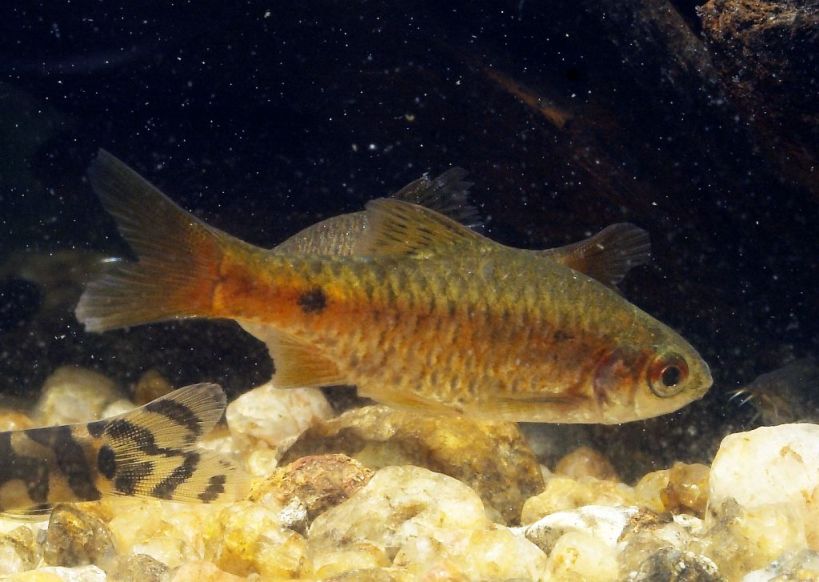
Pethia pookodensisPookode Lake Barb
Mercy & Jacob, 2007
Max length42mm SL1.7in SLTank75 × 30cm30 × 12inTemp20–25°C68–77°FpH5.5–7.5Described from Pookode Lake in Wayanad district, Kerala state, southern India and possibly endemic there although some unconfirmed records exist from within the surrounding Wayanad Wildlife Sanctuary. Pookode is a small freshwater lake surrounded by forest with a surface area of around 2 km² and is the source of the Panamaram River, a tributary within the much larger Kabani system. Its maximum depth is around 6.5 metres and in marginal areas dense patches of water lilies can be found.
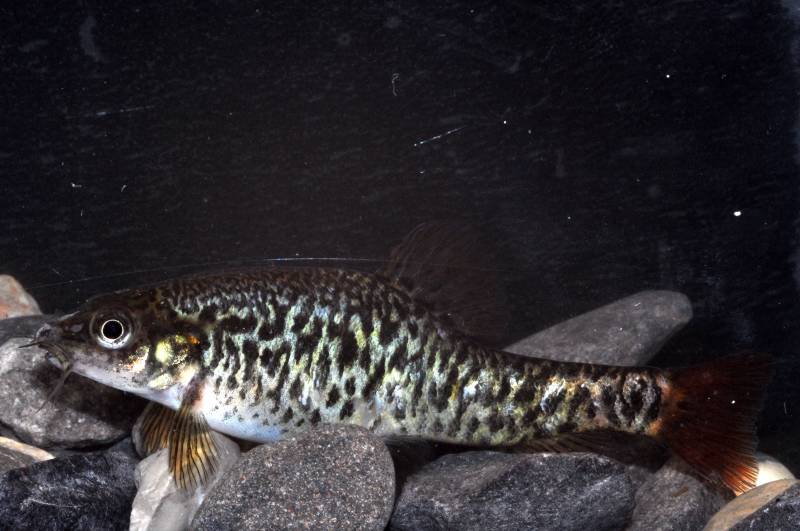
Petruichthys brevisInle Loach
Boulenger, 1893
Max length60mm SL2.4in SLTank90 × 30cm36 × 12inTemp18–24°C64–75°FpH6.0–8.0This species is sometimes traded as 'Lake Inle red-tailed loach' and was formerly included in the genus Yunnanilus, a diverse assemblage of which the majority of members are endemic to the Yunnan plateau in Yunnan province, southern China.
Pseudomystus sp. cf stenomusFalse Asian Bumblebee Catfish
authority not recorded
Max length150mm SL6in SLTanknot recordedTemp20–27°C68–81°FpH6.0–7.6This fish is usually imported as Pseudomystus stenomus but actually seems to be an undescribed species, as it's collected from the Malay Peninsula. P. stenomus is endemic to the island of Java and supposedly exhibits a higher degree of light-coloured patterning on the body. The genus Pseudomystus contains many similarly-patterned species, of which the most common in the hobby is the Asian bumblebee catfish, P. siamensis. This can easily be distinguished from P. sp. cf stenomus by its cha...
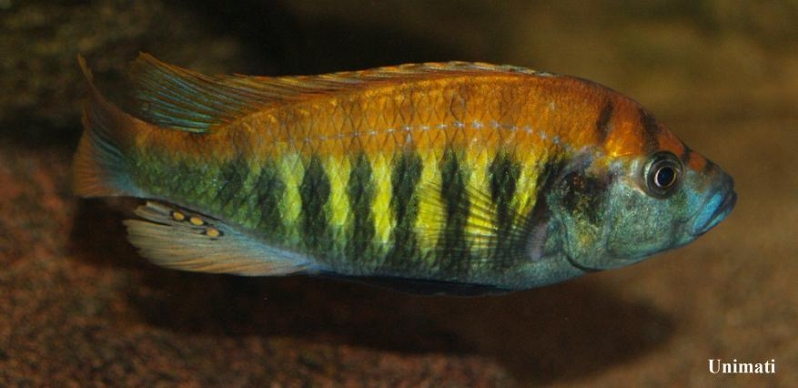
Pundamilia nyererei
Witte-Maas & Witte, 1985
Max length80mm SL3.1in SLTank120 × 45cm48 × 18inTemp23–27°C73–81°FpH7.0–8.5Endemic to Lake Victoria which has a shoreline divided between Kenya, Uganda and Tanzania, although P. nyererei has been recorded only in the southern part of the lake belonging entirely to Tanzania. Type locality is 'Mwanza Gulf, Tanzania, Lake Vic...
Rasbora cf. dandia
authority not recorded
Max length99mm SL3.9in SLTank120 × 45cm48 × 18inTemp22–25°C72–77°FpHnot recordedThis fish may well be a form of R. dandia itself but in the absence of scientific confirmation we list it with a 'cf' abbreviation for the time being. It appears to be widely available in the trade but is often (mis)identified as R. wilpita, a species now confirmed as endemic to a small number of streams in Sri Lanka and which is probably much rarer in the hobby than previously thought. Valenciennes initially described Leuciscus dandia as a new species from Sri Lanka in 1844 but the...
Rasbora vulcanus
authority not recorded
Max length40mm SL1.6in SLTank60 × 38cm24 × 15inTemp23–26°C73–79°FpHnot recordedThis species was described in 1999 and may still occasionally be seen on sale under the incorrect names R. reticulata or R. cf. reticulata as well as the trade name 'volcano rasbora'. The real reticulata is endemic to the small island of Nias which lies off Sumatra's northwestern coast and is virtually inaccessible to fish collectors so is unlikely to be in the hobby although it may have been exported on a couple of occasions. It's a deeper-bodied fish and does not exhibit th...
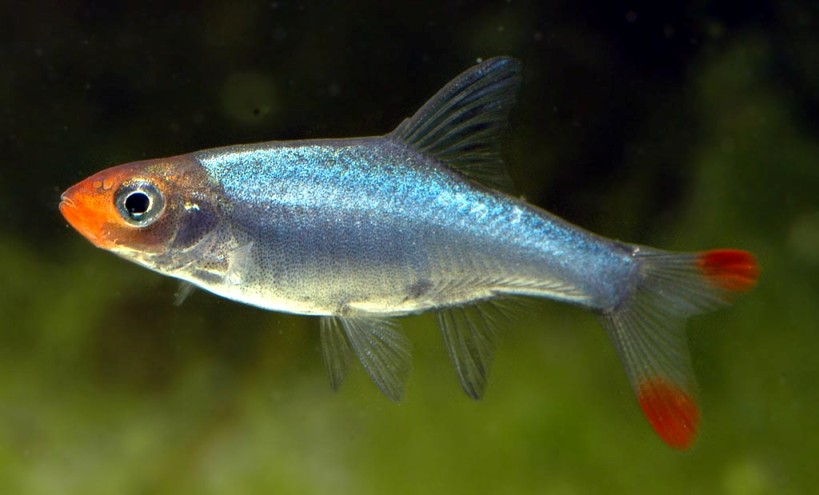
Sawbwa resplendens
Annandale, 1918
Max length35mm SL1.4in SLTank60 × 30cm24 × 12inTemp18–22°C64–72°FpH6.0–8.0S. resplendens is traded under several names including 'Asian rummynose', 'rummynose rasbora' and 'naked microrasbora'. It can be immediately distinguished from all other Asian cyprinids by the distinctive colour pattern. The genus Sawbwa is currently monotypic and endemic to the isolated lake basin of Inlé in Shan State, eastern Myanmar.
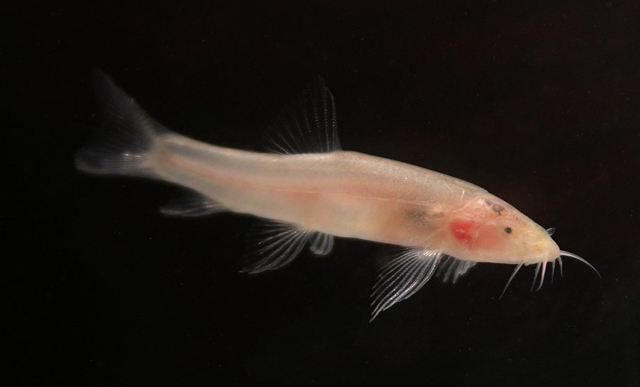
Schistura deansmarti
Vidthayanon & Kottelat, 2003
Max length105mm SL4in SLTanknot recordedTempnot recordedpHnot recordedType locality is 'Tham [=cave] Phra Sai Ngam, about 200 meters from entrance, Thung Salaeng Luang National Park, Phitsanulok Province, Thailand, 16°37'22"N, 100°39'47"E', and this species is endemic to the Tham Phra Sai Ngam cave system. Tham Phra Sai Ngam is a limestone cave system about 1.7 km long and containing a subterranean stre...
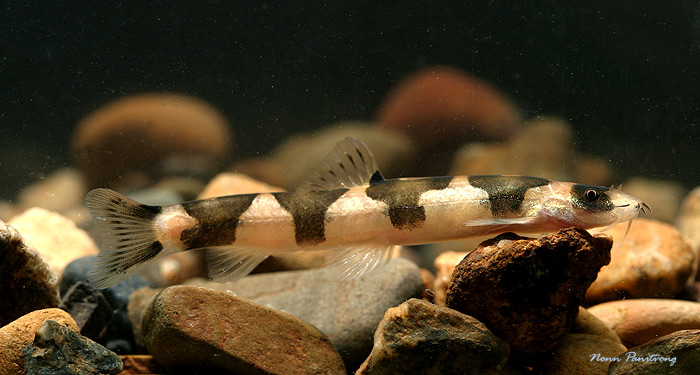
Schistura pridiiMini Dragon Loach
Vidthayanon, 2003
Max length40mm SL1.6in SLTank60 × 30cm24 × 12inTemp18–24°C64–75°FpH7.0–8.5Endemic to a handful of tributary streams within the upper Chao Phraya river system in northern Thailand. Six populations are known to date, with the majority lying inside the Doi Chiang Dao Wildlife Sanctuary. Some of its habitats are under threat by over-grazing, deforestation, deliberate forest fires, and collection for the aquarium trade.
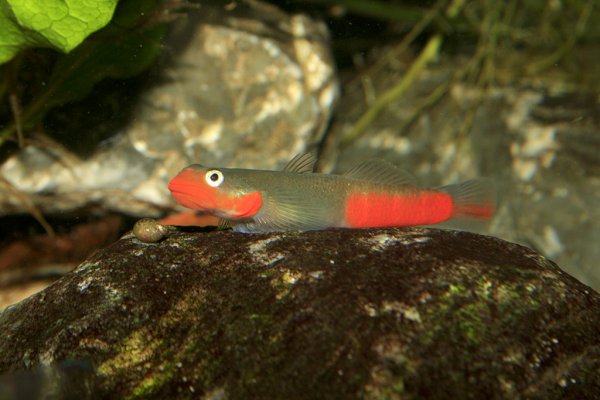
Sicyopus exallisquamulus
Watson & Kottelat, 2006
Max length52mm SL2.0in SLTank60 × 30cm24 × 12inTemp22–28°C72–82°FpH6.5–7.5Live colouration of this species was not included in the original description but the specimens in our images were identified by Dr. Ronald E. Watson, the principal author, as S. exallisquamulus. It's normally misidentified and traded as the Sri Lankan endemic species Sicyopus jonklaasi. It is diagnosable from congeners by the following combination of characters: 14-15 pectoral-fin rays; both genders exhibit small, widely-spaced scales...