Results for “species”
Type a name: scientific, common, or one a species used to go by. Or narrow the catalogue with the filters.
Filters
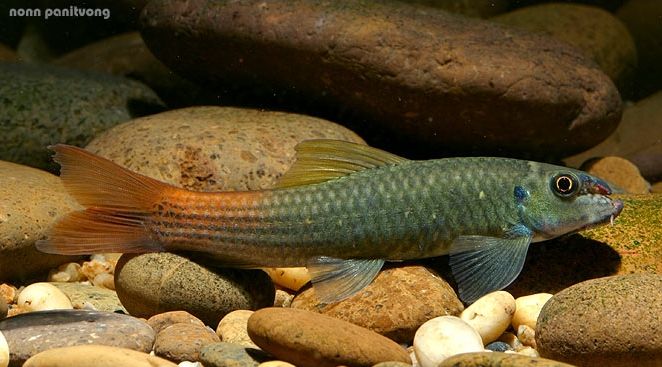
Garra sp. 'redtail'Burmese Red-tailed Garra
authority not recorded
Max length75mm SL3.0in SLTank120 × 30cm48 × 12inTemp20–27°C68–81°FpH6.0–7.5A putatively undescribed species often imported and sold as G. sp. 'burmanicus'. It first appeared in the trade during 2005 and has since been available on a sporadic basis, usually with a relatively high price tag. As well as its unique colour pattern, a primary diagnostic character is the presence of a proboscis-like rostral process between the eyes.
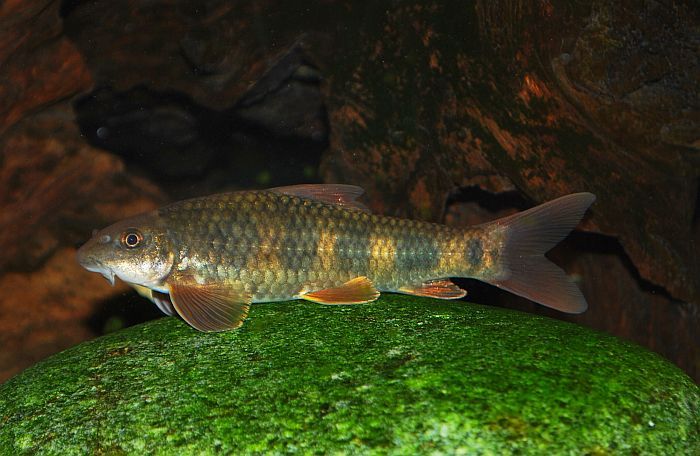
Garra spilota
Kullander & Fang, 2004
Max length69mm SL2.7in SLTank90 × 30cm36 × 12inTemp20–26°C68–79°FpH6.0–7.5The type locality is located in a hilly area mostly comprising bamboo forest. At time of collection the water was clear, colourless and flowing at a moderate pace over a substrate of rocks and gravel. It was 1-2 metres wide and maximum depth was only 0.5 metres. Due to the surrounding forest some stretches were shaded and others more open. Sympatric species included...
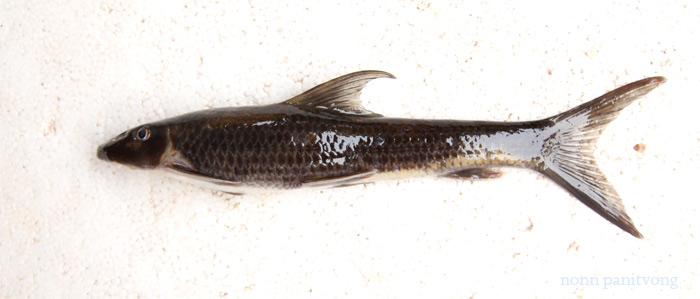
Garra theunensis
Kottelat, 1998
Max length300mm SL12in SLTanknot recordedTempnot recordedpHnot recordedThis species can be distinguished from congeners in Southeast Asia and China by the following combination of characters: plain brown body and fins, sometimes with 6-8 narrow, faintly distinct, longitudinal stripes; snout triangular in dorsal view, with small tubercules and without transverse groove...
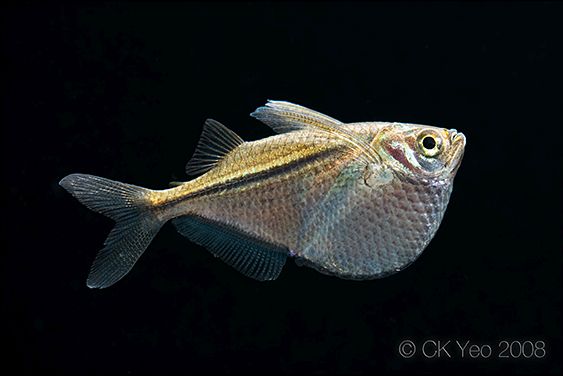
Gasteropelecus sterniclaCommon Hatchetfish
Linnaeus, 1758
Max length40mm SL1.6in SLTank120 × 30cm48 × 12inTemp20–28°C68–82°FpH5.0–7.5This species spends almost all of its time at or just below the water surface, although it will sometimes retreat into midwater if threatened or feeding. Like other freshwater hatchetfishes, it is renowned for its ability to leap from the water surface and glide for distances of several metres. This behaviour is used both to catch flying insects, and to escape potential predators.
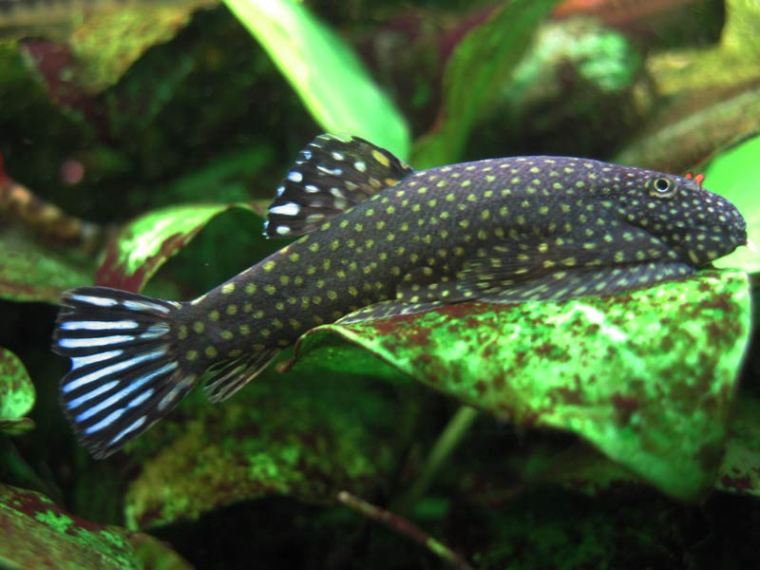
Gastromyzon ctenocephalus
Roberts, 1982
Max length40mm SL1.6in SLTank60 × 30cm24 × 12inTemp20–24°C68–75°FpH6.0–7.5One of the more commonly-traded members of the genus and often found in mixed shipments which may contain other Gastromyzon spp. or related fishes like Beaufortia kweichowensis, these often labelled collectively as 'Borneo sucker', 'Hong Kong pleco', 'butterfly loach', etc. It's sometimes misidentified as G. punctulatus, a species not currently traded which possesses yellow finnage and a lighter-coloured, less-intensely spotted body.
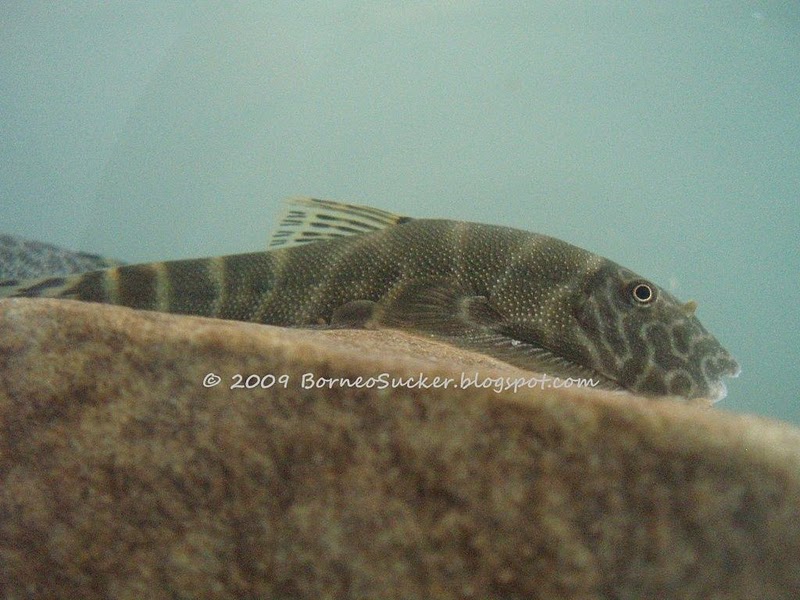
Gastromyzon extrorsus
Tan, 2006
Max length80mm SL3.1in SLTank75 × 30cm30 × 12inTemp20–24°C68–75°FpH6.0–8.0This species has probably not been seen in the aquarium trade yet but has been maintained by a few private collectors. It can be distinguished from congeners by the following combination of characters: secondary rostrum present; complete postoral pouch present; body colour brown with up to 9 thin gold stripes; head dorsum dark brown with gold reticulate pattern; subopercular groove absent; gill slit vertical; sublacrymal groove present; sno...
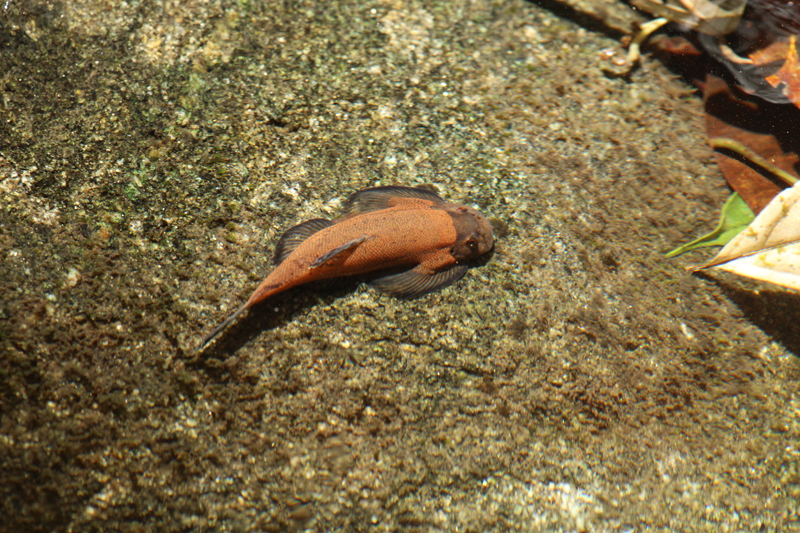
Gastromyzon lepidogaster
Roberts, 1982
Max length100mm SL3.9in SLTank120 × 30cm48 × 12inTemp18–24°C64–75°FpH6.0–8.5This species is variable in terms of colour. Large adults may be bright green, orange or barred but are apparently capable of changing from barred to plain in just a few seconds. These different forms have been recorded in the same natural habitats, and some individuals also possess prominent nuptial tubercules covering much of the body.
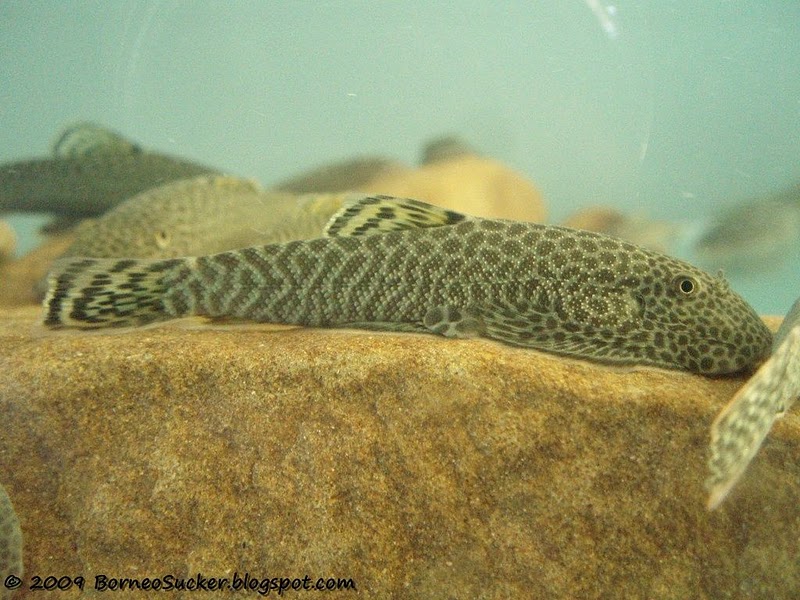
Gastromyzon monticola
Vaillant, 1889
Max length85mm SL3.3in SLTank75 × 30cm30 × 12inTemp20–24°C68–75°FpH6.0–8.5Field observations have revealed that individuals almost always position themselves facing into the flow, either along the sides, behind or under rocks, their specialised morphology (see 'notes') allowing them to feed and maintain position without being swept away. In nature G. monticola occurs sympatrically alongside Garra borneensis, Osteochilus ingeri, Gastromyzon auronigrus, G. cornusaccus, Nemacheilus olivaceus,...
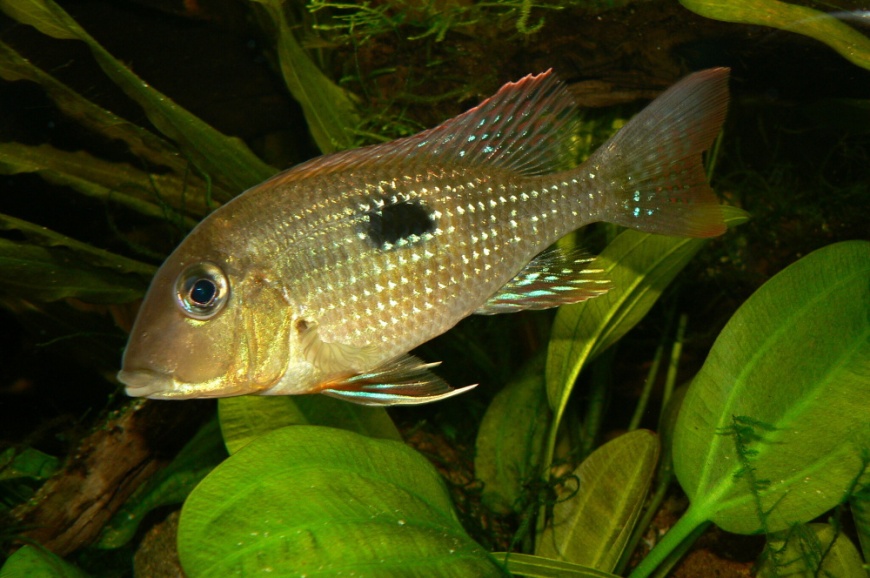
Geophagus camopiensisOiapoque Eartheater
Pellegrin, 1903
Max length200mm SL8in SLTank150 × 45cm60 × 18inTemp25–33°C77–91°FpH6.0–7.5In a study conducted on the Arataye River, the main tributary of the Approuage, this species was mostly collected from stretches of rapids with rocky substrate which were reduced to a series of pools during the dry season. Other fishes observed at the same site were Auchenipterus nuchalis, Hypostomus gymnorhynchus and Moenkhausia cf. intermedia while at other localities in the river Bryconops affinis, Myleus ternetzi, M. rhomboidalis, Moenkhausia aff. barbouri, Curimata sp. and Serrasalmus sp. were collected.
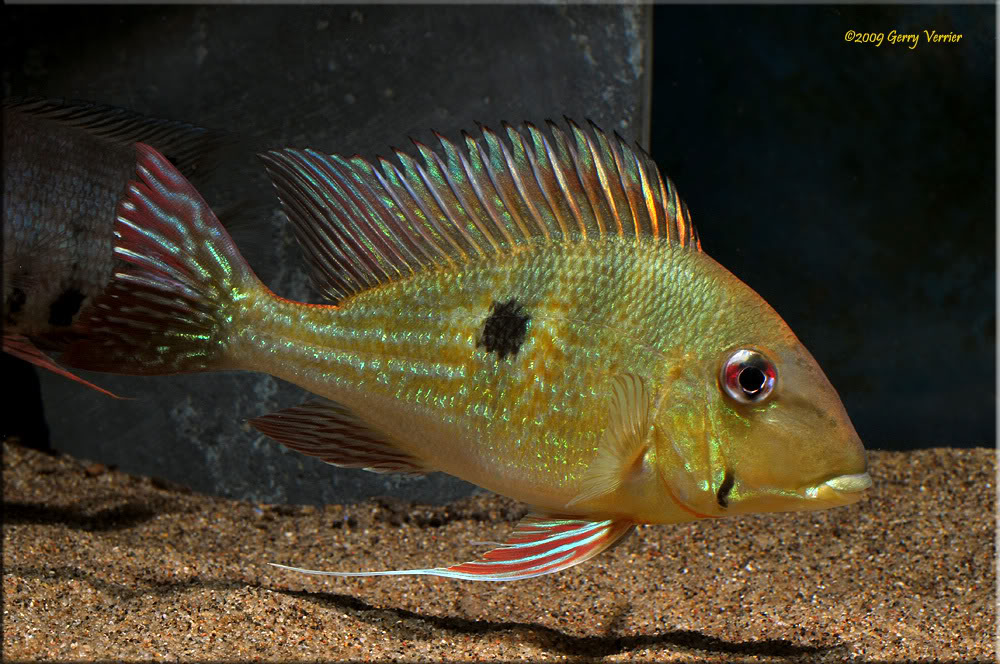
Geophagus dicrozoster
López-Fernández & Taphorn, 2004
Max length202mm SL8in SLTank180 × 60cm72 × 24inTemp26–30°C79–86°FpH4.0–7.0It's a member of the nominal G. surinamensis 'group' of closely-related species within the genus and can be identified by a combination of characters including: presence of dark preopercular markings; seven parallel vertical bars on each flank (normally visible only when the fish are stressed, spawning or preserved); vertical bars four and five meet in such a way that they form a 'Y' shape; dark lateral spot positioned within the third vertical bar; caudal fin reddish with variable pattern of iridescent blue spots and stripes.
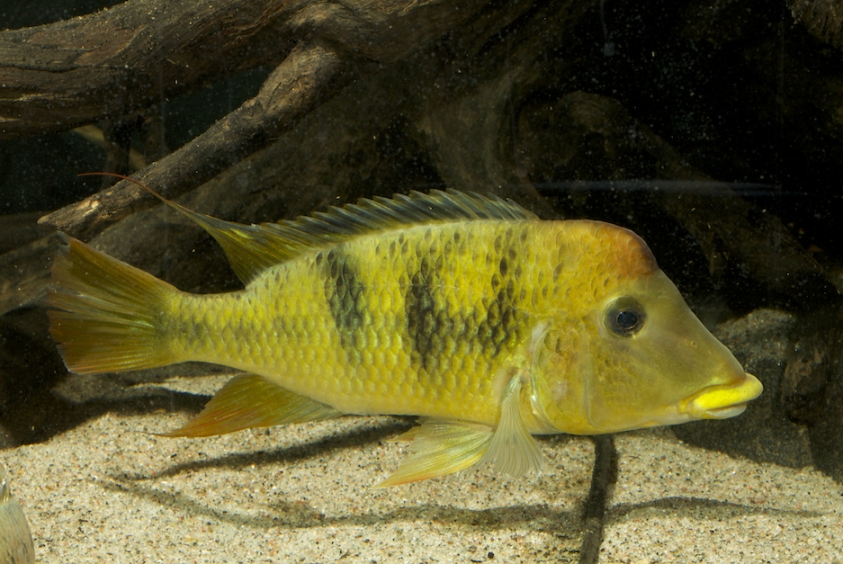
'Geophagus' pellegriniYellowhump Eartheater
Regan, 1912
Max length155mm SL6in SLTank120 × 45cm48 × 18inTemp25–30°C77–86°FpH5.0–6.0This species appears to be a relative ecological generalist. During a sampling trip in 1989 it was collected various habitat-types including a narrow (maximum width 3 m) stream containing shallow (maximum depth 1 m), transparent, moderate to fast-flowing water and substrate comprising gravel, mud, clay and organic debris including submerged logs. Aquatic plants consisted of water lilies and marginal vegetation was dense, comprising various trees, shrubs, grasses and ferns.
Gnathonemus petersiiElephantnose Fish
authority not recorded
Max length225mm SL9in SLTank120 × 45cm48 × 18inTemp23–28°C73–82°FpH6.0–7.5Also known as Peter's elephantnose, this fascinating species is currently the most common Mormyrid in the hobby. Sadly, its popularity means it is often kept in unsuitable conditions. To deny the fish a soft substrate really is cruel, as it uses its "trunk" to locate food hidden in the substrate. It also needs dim lighting, and will commonly become withdrawn and pine away if kept under bright lights. If you cannot provide suitable lighting, add food to the tank at lights out to al...
Gymnocorymbus bondiSilver Tetra
authority not recorded
Max length50mm SL2.0in SLTank60 × 38cm24 × 15inTemp22–27°C72–81°FpH5.5–7.5Not often seen in the hobby, probably because it's a fairly bland species when mature. Juveniles are more attractive, possessing reddish unpaired fins, but these fade as the fish mature. It is, however, both peaceful and hardy and is a good choice for the beginner. It is sometimes seen labelled as G. socolofi. This name is now considered a junior synonym of G. bondi....
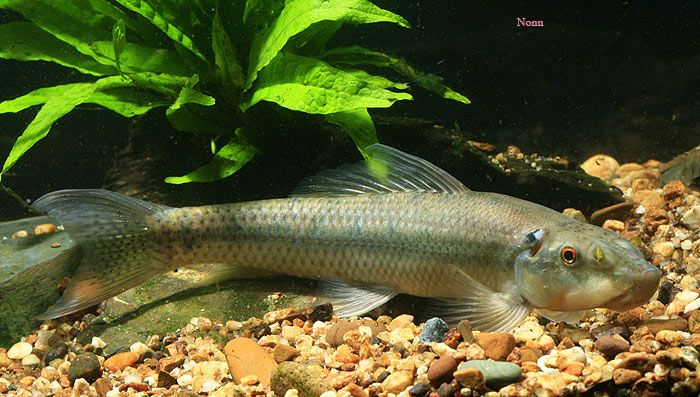
Gyrinocheilus aymonieriSucking 'Loach'
Tirant, 1883
Max length280mm SL11in SLTank150 × 45cm60 × 18inTemp22–26°C72–79°FpH6.0–8.0This species is among the most well-known fishes in the aquarium trade but juveniles are typically being offered for sale with little to no information regarding temperament, eventual size, and potential age in excess of 15 years. Wild examples are not currently traded, with all of those seen on sale produced on a commercial basis.
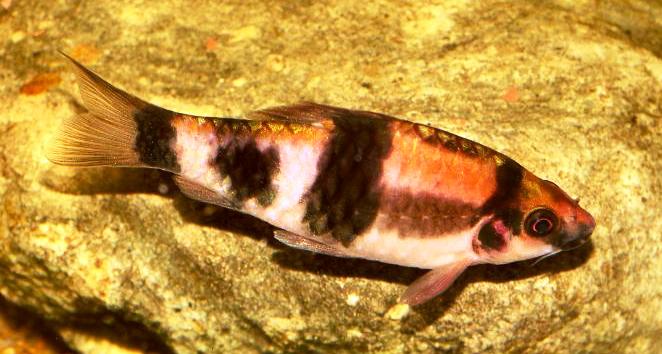
Haludaria fasciataMelon Barb
Jerdon, 1849
Max length70mm SL2.8in SLTank90 × 30cm36 × 12inTemp22–26°C72–79°FpH6.0–7.5This species is traded under various vernacular names including 'ember barb', 'banded barb' and 'black spot barb', and is perhaps among the more undervalued small cyprinids in the aquarium hobby being peaceful, relatively hardy, colourful, and of interesting behaviour. It exists in a number of colour for...
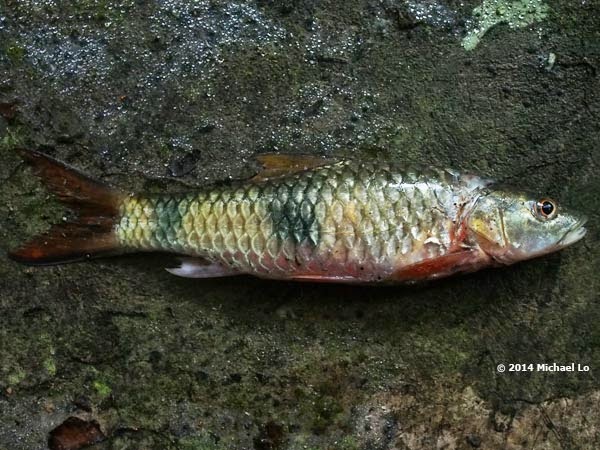
Hampala bimaculata
Popta, 1905
Max length500mm SL20in SLTanknot recordedTempnot recordedpHnot recordedPredominantly a riverine fish preferring clear, well-oxygenated, running waters with substrates of sand, gravel, rock or mud, typically flowing through tropical forest. In the habitat seen in our images sympatric fish species included Barbonymus balleroides, B. collingwoodi, Cyclocheilichthys repasson, C. apogon, Diplocheilichthys pleurotaenia, Garra borneensis, Leptobarbus hosii, and an unidentified Gastromyzon sp.
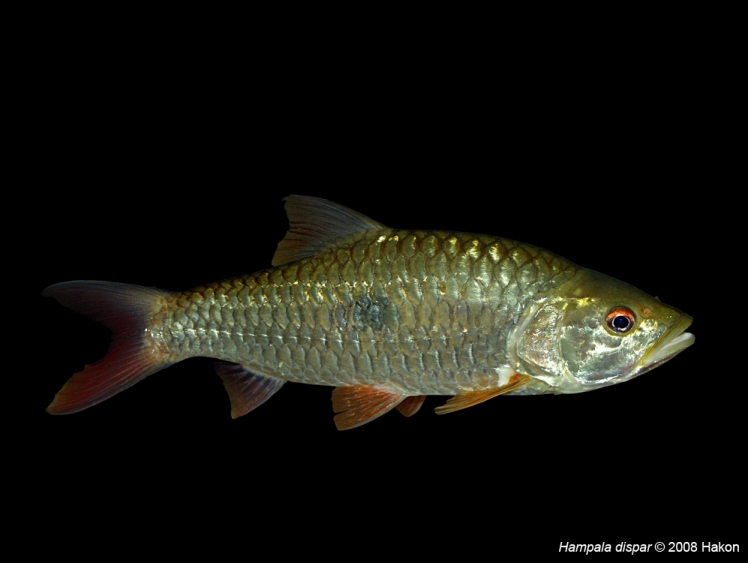
Hampala disparSpotted Hampala Barb
Smith, 1934
Max length350mm SL14in SLTank240 × 60cm96 × 24inTemp20–25°C68–77°FpH6.0–8.0The genus currently contains seven species of which H. macrolepidota and, to a lesser extent, H. dispar are the only ones seen with any regularity in the aquarium trade. As well as having the widest distribution H. macrolepidota is also the largest member of the group. All representatives can appear superficially similar at first glance, the exception being H. lopezi which is endemic to a single island in The Philippines and displays a unique lateral band-like marking on the flanks.
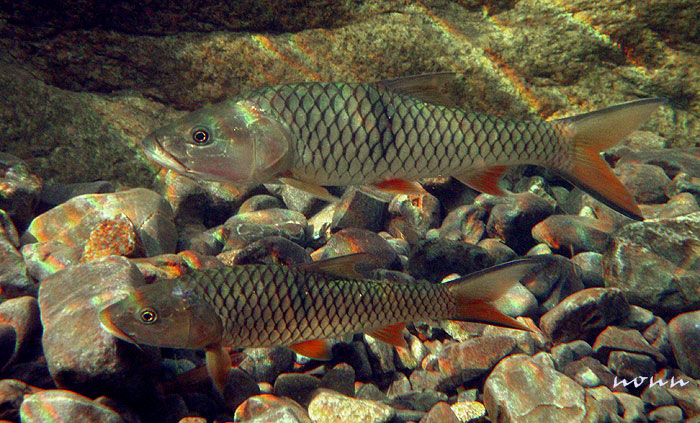
Hampala macrolepidotaHampala Barb
Kuhl & van Hasselt, 1823
Max length700mm SL28in SLTanknot recordedTemp20–26°C68–79°FpH5.5–8.0This species is also known by the vernacular 'jungle perch' or 'sidebar barb' and should not be considered an aquarium subject in all but the most extreme circumstances since it can grow to over 2 feet in length, weigh in excess of 5 kg and is a powerful, pelagic predator. It's also a popular sport fish with a reputation for striking hard.
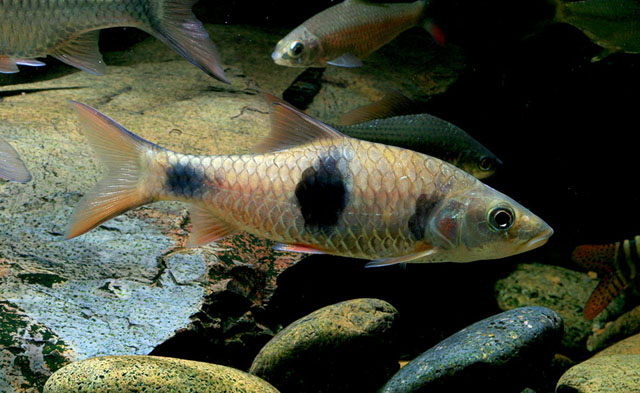
Hampala salweenensis
Doi & Taki, 1994
Max length201mm SL8in SLTank240 × 60cm96 × 24inTemp20–26°C68–79°FpH6.0–8.0This species is poorly-known in the aquarium hobby and may have never been maintained outside its native countries. It can be distinguished from congeners by the following combination of characters: 26-27 lateral line scales; two roundish, dark blotches on each flank, one beneath dorsal-fin origin and above the lateral line, the other on the caudal peduncle and passing thro...
Hara jerdoniAsian Stone Catfish
authority not recorded
Max length30mm SL1.2in SLTank30 × 20cm12 × 8inTemp18–24°C64–75°FpH5.6–7.6This delightful little species can be distinguished from others in the genus by its elongated pectoral spines. It, and others in the genus (and also the closely related genus Erithistes), also go by the common name of moth catfish due to their patterning and shape when viewed from above....