Results for “habitat”
Type a name: scientific, common, or one a species used to go by. Or narrow the catalogue with the filters.
Filters
Tanganicodus irsacae
authority not recorded
Max length70mm SL2.8in SLTank75 × 30cm30 × 12inTemp24–28°C75–82°FpH8.0–9.0This is one of the so-called Tanganyikan Goby Cichlids. They occur only in the upper few feet of water around rocky shores, also known as the surge zone, where they scrape algae from the rocks with their specialised teeth. This habitat is typified by breaking waves and strong currents. They have a few adaptations allowing them to inhabit such an environment. The swim bladder is rendered useless to reduce their buoyancy. They also have a longand a laterally compressed body shape to allow them to ...
Triportheus angulatusDusky Narrow Hatchetfish
authority not recorded
Max length165mm SL6in SLTank120 × 30cm48 × 12inTemp22–30°C72–86°FpH5.0–7.5An attractive but not often seen species in the hobby. This is quite odd considering how common it is in many of its native habitats, where it is known as sardina. It has very strong pectoral muscles, and uses these to jump from the water to catch flying insects or to escape potential predators. It can make leaps of several metres in length....
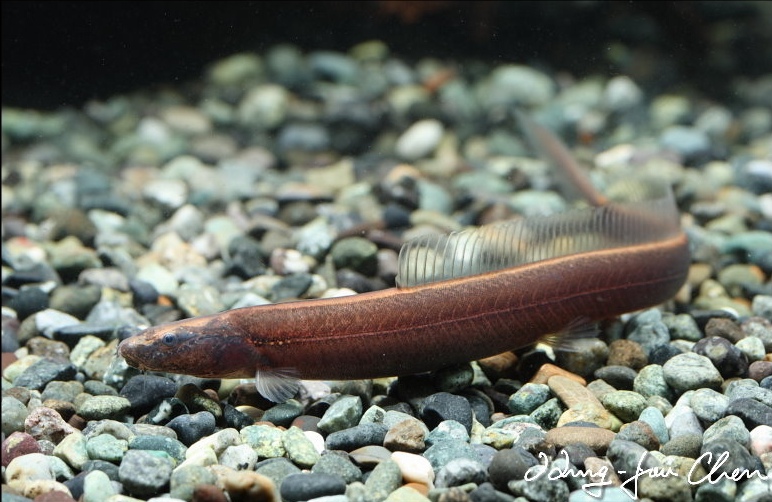
Vaillantella maassiFork-tailed Loach
Weber & de Beaufort, 1912
Max length125mm SL5in SLTank120 × 30cm48 × 12inTemp23–29°C73–84°FpH3.5–7.2This species is traded under various names including 'chocolate scissor-tailed loach', chocolate long-finned loach', 'red line cobra loach', 'spiny eel loach' and 'dragon loach'. It's apparently difficult to find in its natural habitats and thus time-consuming to collect, meaning it's rarely traded in numbers, sought after by enthusiasts and tends to carry a relatively high price tag when available. The genus currently contains just three...