Results for “benthic”
Type a name: scientific, common, or one a species used to go by. Or narrow the catalogue with the filters.
Filters
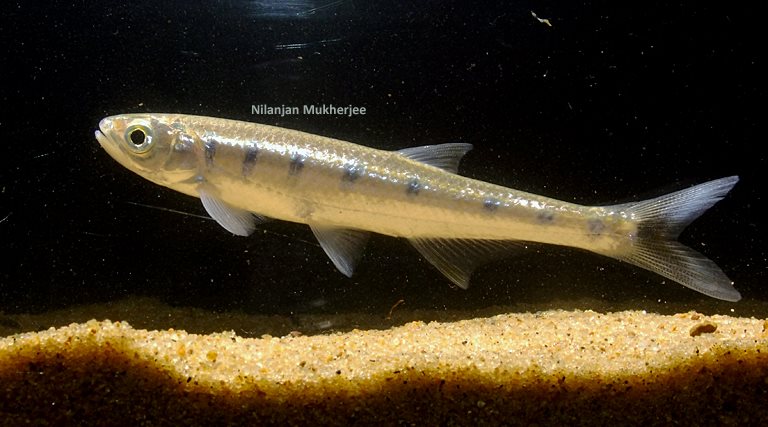
Barilius vagra
Hamilton, 1822
Max length125mm SL5in SLTank150 × 60cm60 × 24inTemp18–26°C64–79°FpH6.0–7.5Barilius spp. are near-exclusive surface-feeders preying mostly on flying insects in nature with some small fishes and benthic invertebrates probably taken as well but in the aquarium they're largely unfussy and will accept most foods.
Caecomastacembelus albomaculatus
authority not recorded
Max length220mm SL9in SLTank120 × 30cm48 × 12inTemp23–27°C73–81°FpH8.0–9.5This is a great oddball species for the Tanganyikan community tank, although it is not as attractive as the closely related Aethiomastacembelus ellipsifer. It is rarely seen in the hobby. The species in the family Mastacembelidae are known as "spiny" eels because the dorsal rays are stiffened. Care must therefore be exercised when handling them to avoid injuries. Spiny eels also have no swim bladder, an adaptation to their benthic lifestyle....
Caecomastacembelus plagiostomus
authority not recorded
Max length300mm SL12in SLTank120 × 45cm48 × 18inTemp23–27°C73–81°FpH8.0–9.5Very rarely seen in the hobby, this species makes an interesting oddball addition to the Tanganyikan community tank. The species in the family Mastacembelidae are known as "spiny" eels because the dorsal rays are stiffened. Care must therefore be exercised when handling them to avoid injuries. Spiny eels also have no swim bladder, an adaptation to their benthic lifestyle.....
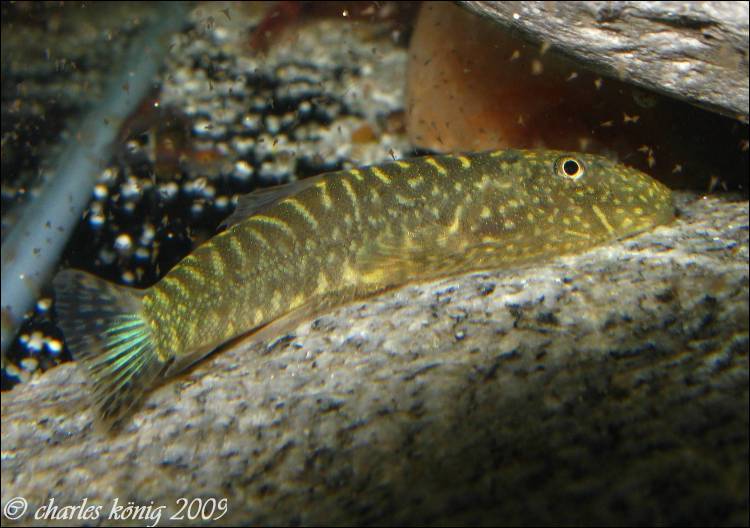
Gastromyzon zebrinus
Tan, 2006
Max length61mm SL2.4in SLTank75 × 30cm30 × 12inTemp20–24°C68–75°FpH6.0–7.5Much of the natural diet is likely to be composed of benthic algae plus associated micro-organisms which are rasped from solid surfaces. In captivity it will accept good-quality dried foods and meatier items like live or frozen bloodworm but may suffer internal problems if the diet contains excessive protein. Home-made foods usi...
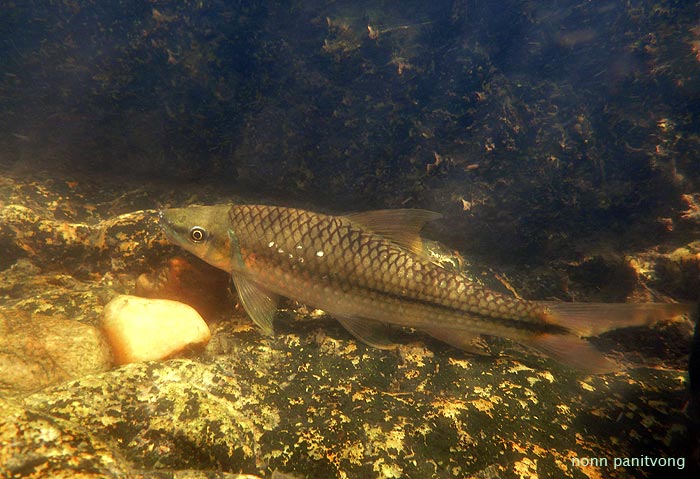
Lobocheilos rhabdoura
Fowler, 1934
Max length220mm SL9in SLTank180 × 60cm72 × 24inTemp20–26°C68–79°FpH6.0–8.0Lobocheilos species are specialised grazers of periphyton, benthic algae, and other organisms which grow attached to rocks and other solid surfaces, and they typically leave visible scrape marks in places where they have been feeding. They are by no means herbivorous and should be offered meaty foods such as live or frozen chironomid larvae (bloodworm), Tubifex, Artemia, chopped prawn, etc., along with good quality, sinking dried products, at lea...