Results for “ephemeral”
Type a name: scientific, common, or one a species used to go by. Or narrow the catalogue with the filters.
Filters
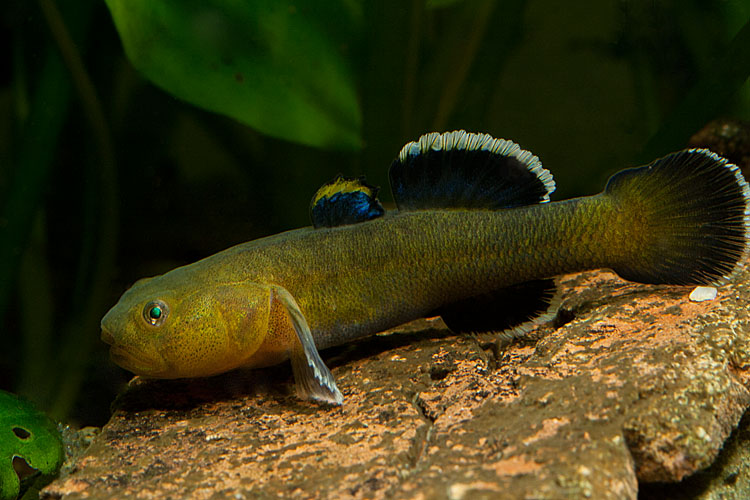
Chlamydogobius eremiusDesert Goby
Zietz, 1896
Max length60mm SL2.4in SLTank45 × 30cm18 × 12inTemp20–28°C68–82°FpH7.0–8.5Lake Eyre is a vast endorheic basin within which lies the lowest point in Australia at some 15 m BMSL. It only fills with water occasionally and when it does so forms the country's largest salt lake. C. eremius does not occur in the lake itself since no fishes are able to survive there, rather it inhabits isolated freshwater springs, flowing artesian bores (wells), and ephemeral waterholes where it tends to be associated with rocks and other submerged cover.
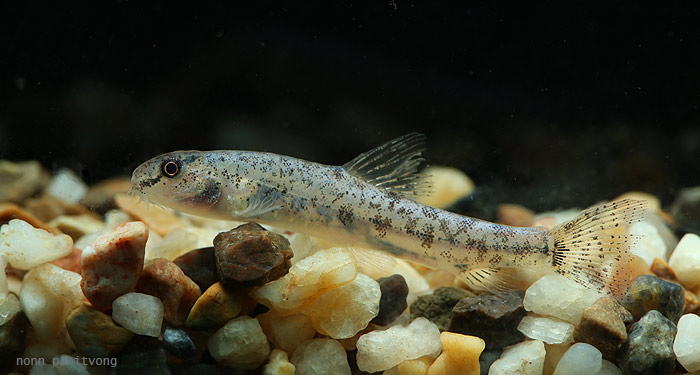
Lepidocephalichthys zeppelini
Havird & Tangjitjaroen, 2010
Max length26mm SL1.0in SLTank45 × 30cm18 × 12inTemp20–26°C68–79°FpH6.0–7.5The type locality consisted of remnant ephemeral pools in otherwise dry agricultural land, and many adults were collected from such habitats. Other species present included the congener L. hasselti plus members of Anabas, 'Puntius', Rasbora, Channa, and Hampala.
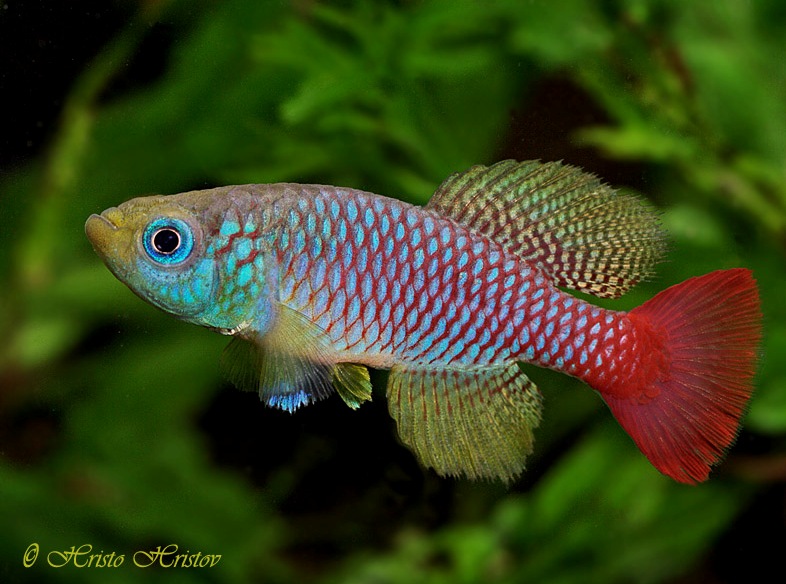
Nothobranchius foerschi
Wildekamp & Berkenkamp, 1979
Max length♂ 55 · ♀ 40mm SL♂ 2.2 · ♀ 1.6in SLTank45 × 30cm18 × 12inTemp20–24°C68–75°FpH6.5–7.5Inhabits ephemeral, water-filled depressions, pools and swamps mostly located in lowland floodplains. Water levels in these seasonally-variable habitats typically decrease during the dry season and eventually become completely dessicated for several months each year. Near Bagamoyo it's been collected from pools of a flat, grassy floodplain alongside the congeners N. annectens, N. janpapi and N. melanospilus, while at Soga it occus together with N. janpapi and N. ocellatus. Most habitats appear to be heavily overgrown with terrestrial vegetation.