Results for “extirpate”
Type a name: scientific, common, or one a species used to go by. Or narrow the catalogue with the filters.
Filters
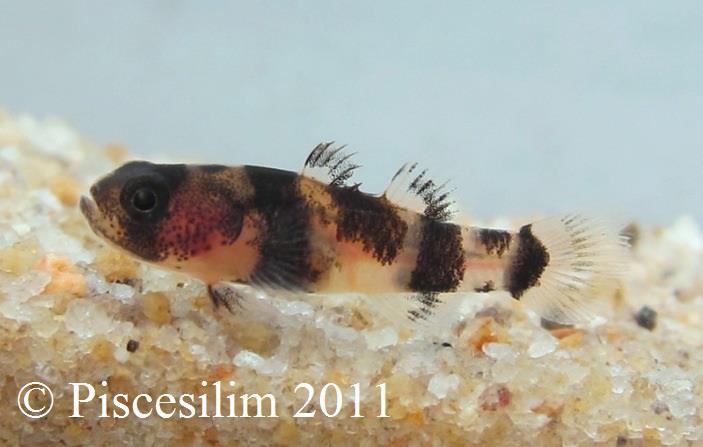
Brachygobius xanthomelas
Herre, 1937
Max length20mm SL0.8in SLTank45 × 30cm18 × 12inTemp22–28°C72–82°FpH7.0–8.5Type locality is '55 miles north of Singapore, freshwater ditches, Mawai District, Johore, Malaysia', and this species has been recorded throughout much of Peninsular Malaysia and southern Thailand. Records from Borneo and Singapore appear to be in error although it may have been extirpated from the latter but as with most members of the genus a degree of confusion surrounds its identity (see 'Notes').
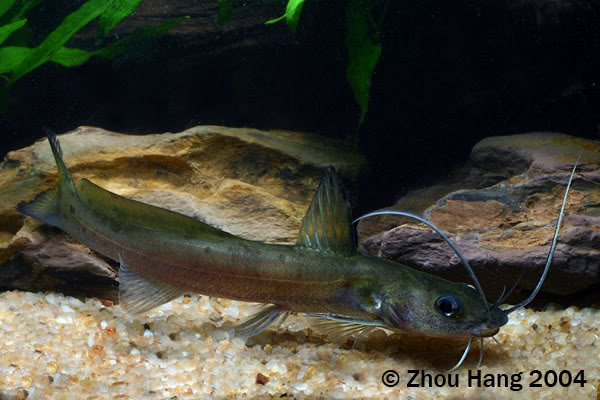
Hemibagrus macropterus
Bleeker, 1870
Max length408mm SL16in SLTanknot recordedTempnot recordedpHnot recordedThis species has been recorded from the Zhujiang (Pearl River), Changjiang (Yangtze River) and Qiantang Jiang in central and southern China. Type locality is 'Chang Jiang, China', referring to the Yangtze. It's been adversely affected by dam construction and pollution across certain parts of its range and may be locally extirpated in some cases.
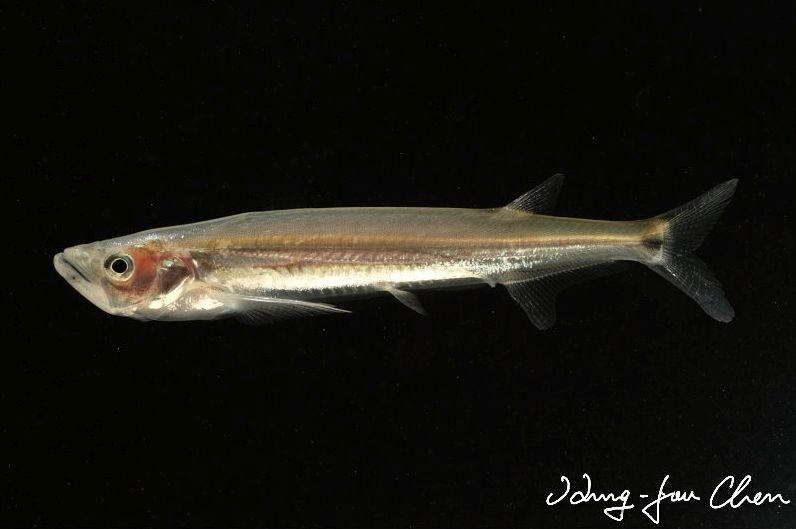
Macrochirichthys macrochirusGiant Sword Minnow
Valenciennes, 1844
Max length800mm SL31in SLTanknot recordedTemp20–26°C68–79°FpH6.0–8.0It is thought to have been extirpated from the Chao Phraya and Mae Klong rivers, Lake Songkhla, and the entire island of Java due to a variety of anthropogenic factors, and the Mekong populations have also been drastically reduced. In particular, it is sensitive to pollution and gillnetting, and is heavily overfished.
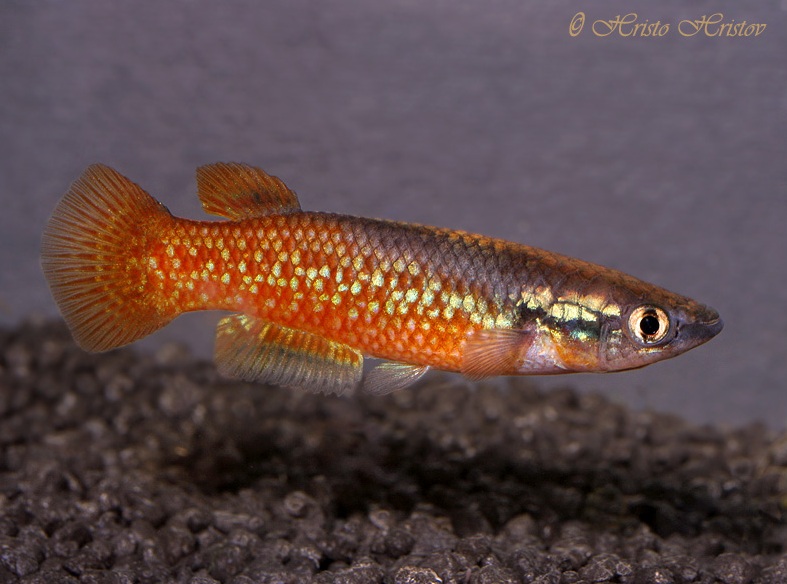
Pachypanchax sakaramyiMadagascar Panchax
Holly, 1928
Max length90mm SL3.5in SLTank90 × 30cm36 × 12inTemp20–24°C68–75°FpH6.5–7.5The majority of original populations have already been extirpated due to introduction of invasive species such as Gambusia holbrooki and Poecilia reticulata, ongoing deforestation of the Ambohitra Massif, and physical diversion of the source of the Sakaramy River for domestic use by locals. An additional population may exist in a stream on the southern slope of the Ambohitra Massif on the road between Bobasokoa and Anivorano, near the village of Andranotohiliny, but this requires verification.