Results for “mangrove”
Type a name: scientific, common, or one a species used to go by. Or narrow the catalogue with the filters.
Filters
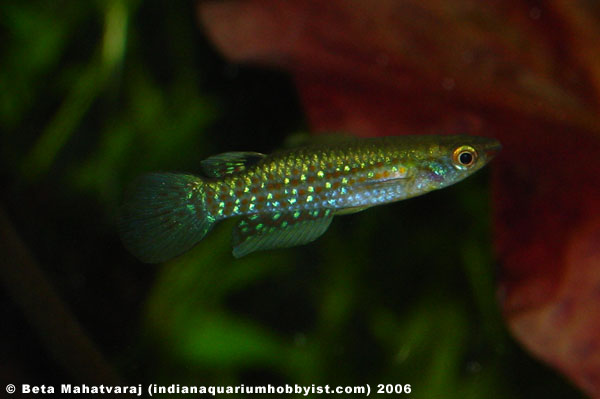
Aplocheilus blockiiGreen Panchax
Arnold, 1911
Max length45mm SL1.8in SLTank45 × 30cm18 × 12inTemp20–28°C68–82°FpH6.0–8.5This species is euryhaline and mostly inhabits lowland, often coastal, habitats containing still or slow-moving brackish or freshwater. It displays a preference for habitats with surface vegetation or overhanging cover and is commonly found in mangrove swamps and rice paddies.
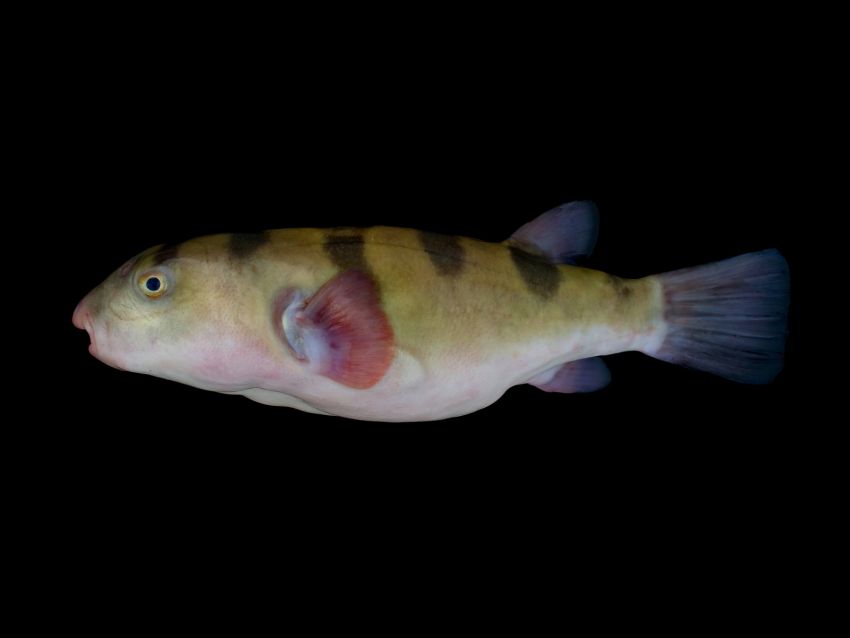
Colomesus psittacusBanded Puffer
Bloch & Schneider, 1801
Max length290mm SL11in SLTank180 × 60cm72 × 24inTemp20–26°C68–79°FpH7.0–9.0Although it does penetrate the lower basins of rivers, particularly the Amazon where it has been collected from the rio Xingu several hundred kilometres from its mouth, this species is predominantly an inhabitant of mangrove swamps, estuaries, and other such saline habitats. It is particularly common in tidal channels, shallow inshore lagoons, and the lower reaches of rivers.
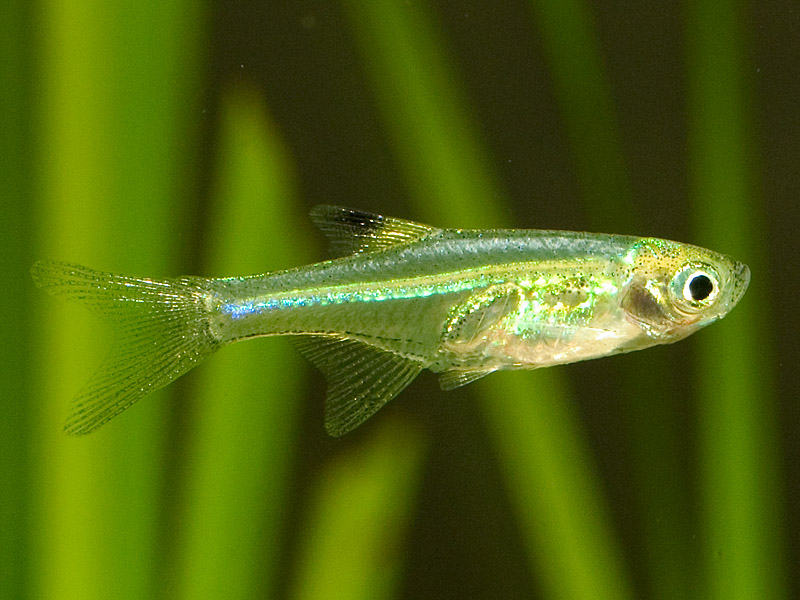
Microdevario nanus
Kottelat & Witte, 1999
Max length16mm SL0.6in SLTank45 × 30cm18 × 12inTemp20–27°C68–81°FpH6.0–7.5Towards the Andaman Sea the lower part of the delta gives way to brackish mangrove swamps. The climate is wet, with annual precipitati0n of 1500 - 2500 mm, up to 90% of which falls between mid May and mid November, and warm with average air temperatures of 22 - 37 °C over the course of the year. At one locality M. nanus was collected in less then 30cm of water from an oxbow lake among floating Pistia-like vegetation and gra...
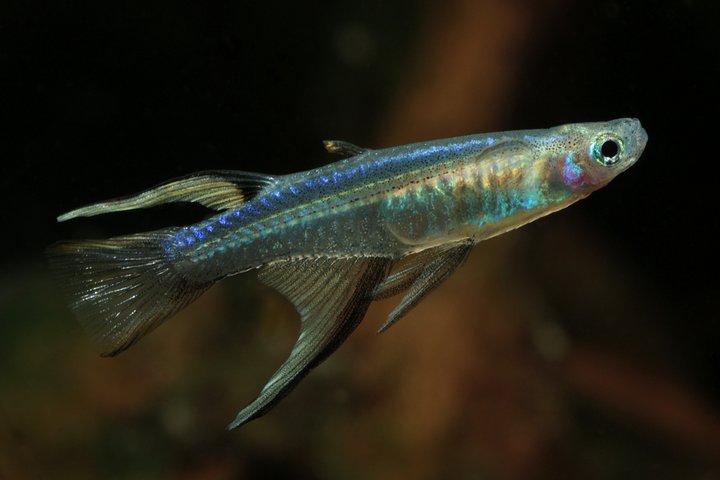
Pseudomugil cyanodorsalisNeon Blue-eye
Allen & Sarti, 1983
Max length35mm SL1.4in SLTank45 × 30cm18 × 12inTemp21–31°C70–88°FpH7.0–8.5Euryhaline and thus capable of withstanding significant fluctuations in salinity and other water conditions. It's been recorded in full marine conditions as well as pure freshwater environments, and commonly inhabits coastal mangrove creeks and swamps. Such changes may occur on a daily or seasonal basis depending on locality, with some habitats influenced by daily tides whereas others become hypersal...
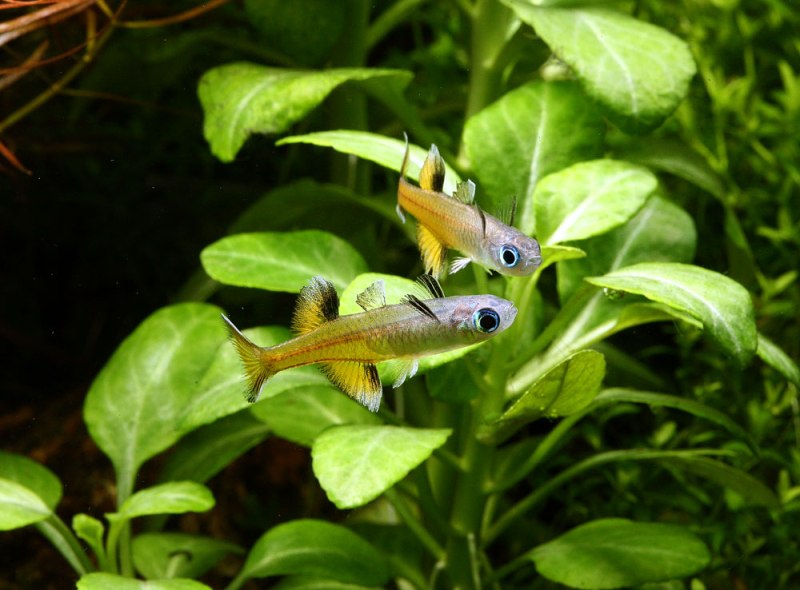
Pseudomugil signiferPacific Blue-eye
Kner, 1866
Max length70mm SL2.8in SLTank60 × 30cm24 × 12inTemp20–26°C68–79°FpH6.5–7.5Generally found within 15-20 km of the sea but habitat-type is extremely variable. It's been recorded in full marine conditions as well as pure freshwater environments, and commonly inhabits coastal mangrove creeks, swamps, and salt marshes. Freshwater habitats tend to comprise lowland swamps or forest streams with clear water but some populations inhabit acidic, tannin-stained, black waters. It's also abundant in the artificial canals typical of residential zones in the Gold Coast, southern Queensland.