Results for “species”
Type a name: scientific, common, or one a species used to go by. Or narrow the catalogue with the filters.
Filters
Lamprologus speciosus
authority not recorded
Max length65mm SL2.6in SLTanknot recordedTemp23–27°C73–81°FpH7.5–9.0This species is very similar to L. ocellatus and often carries the trade name "black ocellatus". It is found living alongside L. stappersi in nature....
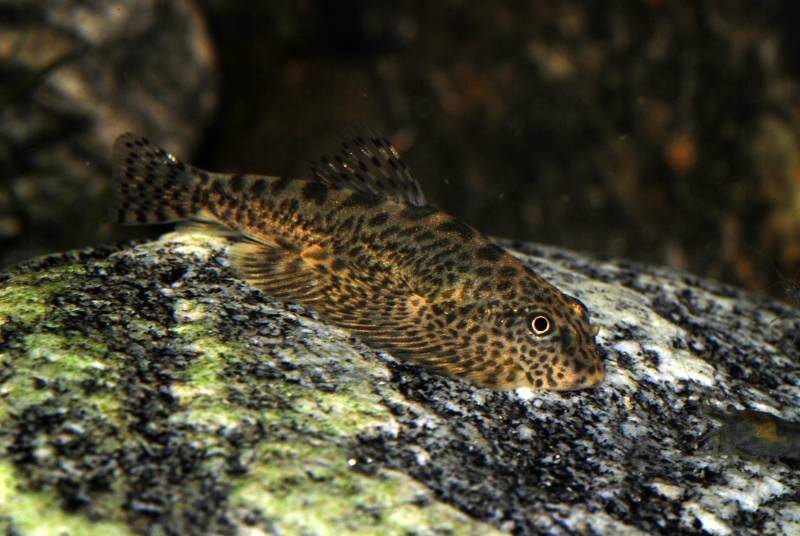
Sewellia speciosa
Roberts, 1998
Max length55mm SL2.2in SLTank75 × 30cm30 × 12inTemp20–24°C68–75°FpH6.0–7.5This species first became available in early 2010 and sometimes appears on trade lists under the vernacular names 'Laos sucker' or 'Laos Sakura sucker'. It's distinguishable from other members of the genus by the following combination of characters: body spotted and without stripes; no concentric bands on paired fins; origin of pelvic-fin below origin of dorsal-fin; origin of pectoral-fin posterior to corner of mouth; pelvic fin reaching origin of anal fin; small elevated ...
Gymnotus pedanopterusZebra Knifefish
authority not recorded
Max length280mm SL11in SLTanknot recordedTemp22–28°C72–82°FpH6.0–7.0The genus Gymnotus has undergone considerable taxonomic revision in recent years, with over 20 new species being described since 1994, of which this stunning species is one. It's still very rare in the hobby and tends to command a high price when available. Like other Gymnotids, it produces a weak electric field using specially-adapted muscle tissue located towards the tail. It also possesses electroreceptors which allow the fish to receive electrical signals. With these the fish can sense ...
Hepsetus odoeAfrican Pike Characin
authority not recorded
Max length700mm SL28in SLTank180 × 60cm72 × 24inTemp25–28°C77–82°FpH6.0–7.5The only species in the genus, and a popular game fish in its native range, H. odoe superficially resembles our native European Pike. It is an ambush predator with a fearsome set of teeth, and should be handled very carefully, particularly when maintaining its tank. Although juvenile specimens have become relatively common in the trade in the last few years, this is strictly a species for the specialist who is able to provide it with a suitably large aquarium and the correct conditions. In sm...
Serrasalmus manueliManny
authority not recorded
Max length435mm SL17in SLTank210 × 75cm84 × 30inTempnot recordedpHnot recordedThe native name for this species is Caribito Parguasero. It's sometimes sold as the "green tiger piranha" in the trade and is usually highly coveted and expensive when available. A notoriously sensitive traveller, mortality rates are sadly quite high among imported fish. The lack of fully-grown specimens known to the hobby is also a worry, and would suggest that the majority are not being maintained correctly. This really is a species for the specialist with the resources necessar...
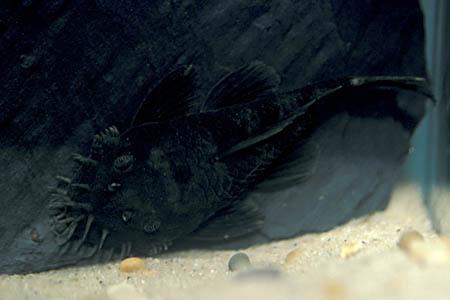
Ancistrus ranunculusL034
Muller, Rapp Py-Daniel & Zuanon, 1994
Max length130mm SL5in SLTank80 × 30cm31 × 12inTemp25–30°C77–86°FpH6.0–7.0A somehwhat odd-looking species with a distinctive wide head and overall flattened profile. Unfortunately this fish is not the easiest fish to keep alive in the aquarium since it requires rather specialised conditions and is often in poor condition post-import. As a juvenile, it often sports a pattern of light spots on the body, leading to confusion with the similarly shaped L255 species.In A. ranunculus, these spots fade as the fish mature,...
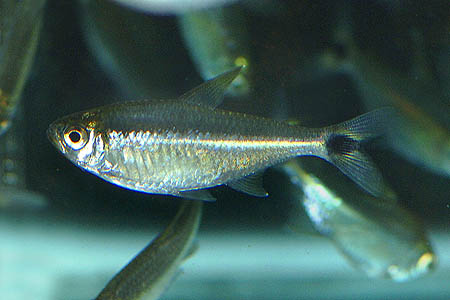
Astyanax kennedyiKennedy's Tetra
Géry, 1964
Max length50mm SL2.0in SLTank80 × 30cm31 × 12inTemp26–29°C79–84°FpH5.5–7.0Endemic to pthe upper Amazon basin in Peru, around the city of Iquitos. Most Astyanax spp. are not popular in the aquarium hobby, though the genus is among the most speciose within the family Characidae. A. kennedyi is no exception; you'll rarely see it offered for sale but may find the occasional specimen mixed among other species in shipments of wild fishes from Peru.
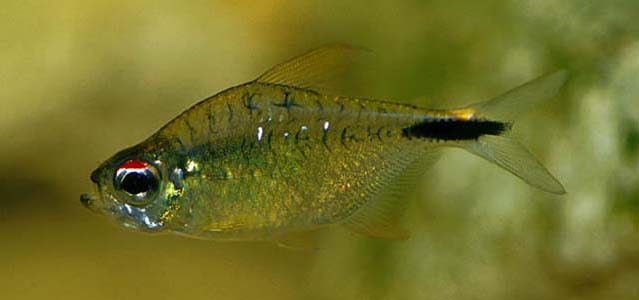
Astyanax leopoldiLeopold's Tetra
Géry, Planquette & Le Bail, 1988
Max length60mm SL2.4in SLTank60 × 30cm24 × 12inTemp23–27°C73–81°FpH5.5–7.0Most Astyanax spp. are not popular in the aquarium hobby, though the genus is among the most speciose within the family Characidae. A. leopoldi is no exception in that you'll rarely see it offered for sale but may find the occasional specimen mixed among other species in shipments of wild fishes from Peru.
Gymnogeophagus balzaniiParaguay Eartheater
authority not recorded
Max length200mm SL8in SLTanknot recordedTemp21–25°C70–77°FpH6.5–7.5A very interesting species that sadly is only recommended to the specialist able to provide it with the specific conditions it requires for its long term health. There are a couple of different colour forms available, dependant on locality.
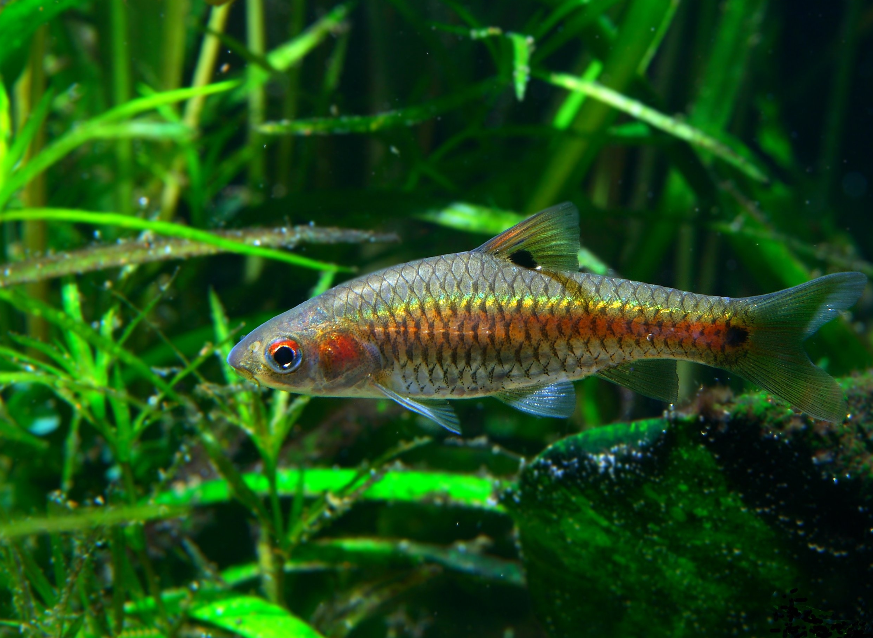
Puntius bimaculatusTwo-spotted Barb
Bleeker, 1863
Max length50mm SL2.0in SLTank60 × 30cm24 × 12inTemp18–24°C64–75°FpH6.0–7.5Generally very peaceful making it an ideal resident of the well-researched community tank. As it places no special demands in terms of water chemistry it can be combined with many of the most popular fish in the hobby including other small cyprinids as well as tetras, livebearers, rainbowfishes, anabantoids, catfishes and loaches. It's a schooling species by nature, and at least 6-10 specimens should be purchased. Maintaining it in such...
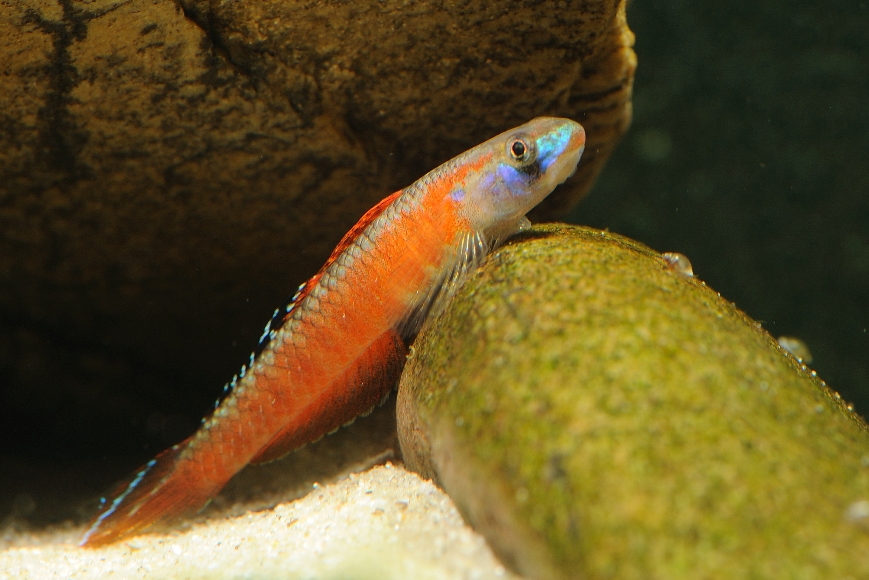
Stiphodon rutilaureus
Watson, 1996
Max length35mm SL1.4in SLTank60 × 30cm24 × 12inTemp22–28°C72–82°FpH6.5–7.5This species is not traded commercially at present and the specimen pictured above was brought back from northern Papua New Guinea by private collectors in 2008. It's diagnosable from other members in the genus by possession of 10 segmented rays in the second dorsal fin, males with filamentous spines in the firstandusually with 14 rays. Colour patterning in males is also distinctive (see 'Sexual Dimorphism'). The Gobiidae is the most speciose vert...
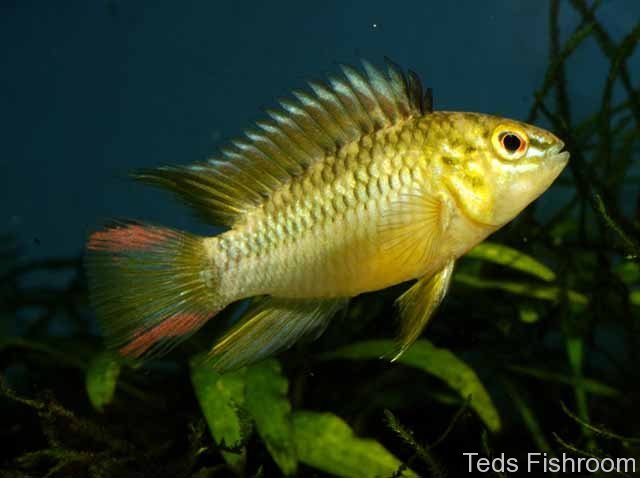
Apistogramma hoignei
Meinken, 1965
Max length60mm SL2.4in SLTank45 × 30cm18 × 12inTemp23–29°C73–84°FpH5.0–7.0The genus Apistogramma is among the most speciose of South American cichlid genera with around 70 species valid at present but many more awaiting description. In addition many species exist in two or more geographical colour forms which may or may not turn out to be distinct in the future. Hobbyists tend to label these with collection data if available in order to avoid mixing them and the potential of hybridisation. Member species have also been organised into a series of species lineages, sublineages, complexes and groups by authors in order to better separate them.
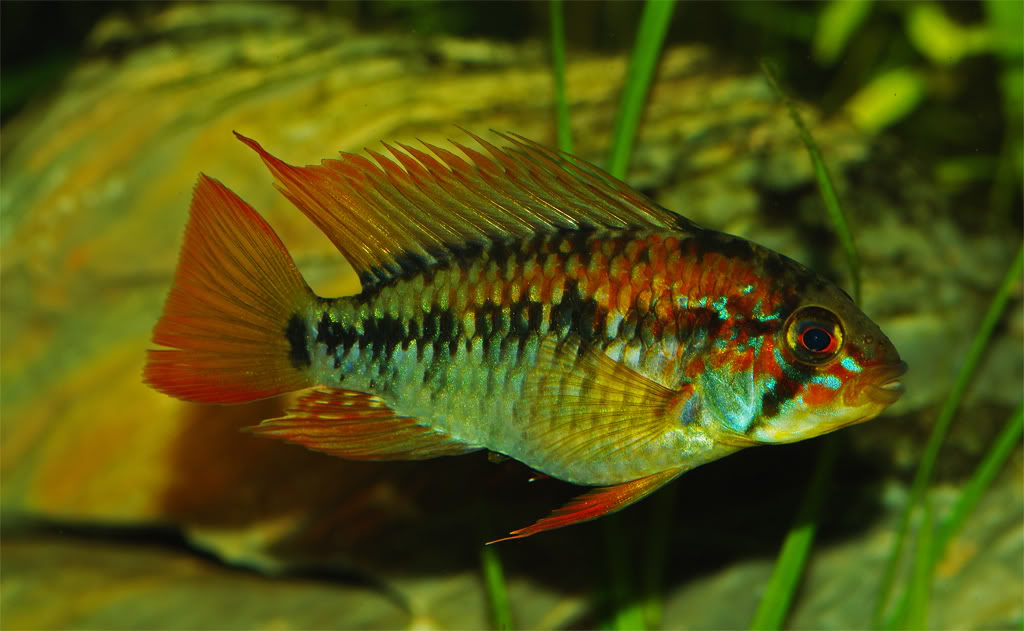
Apistogramma macmasteri
Kullander, 1979
Max length♂ 55 · ♀ 40mm SL♂ 2.2 · ♀ 1.6in SLTank45 × 30cm18 × 12inTemp24–28°C75–82°FpH5.5–7.0The genus Apistogramma is among the most speciose of South American cichlid genera with around 70 species valid at present but many more awaiting description. In addition many species exist in two or more geographical colour forms which may or may not turn out to be distinct in the future. Hobbyists tend to label these with collection data if available in order to avoid mixing them and the potential of hybridisation. Member species have also been organised into a series of species lineages, complexes and groups by authors in order to better separate them.
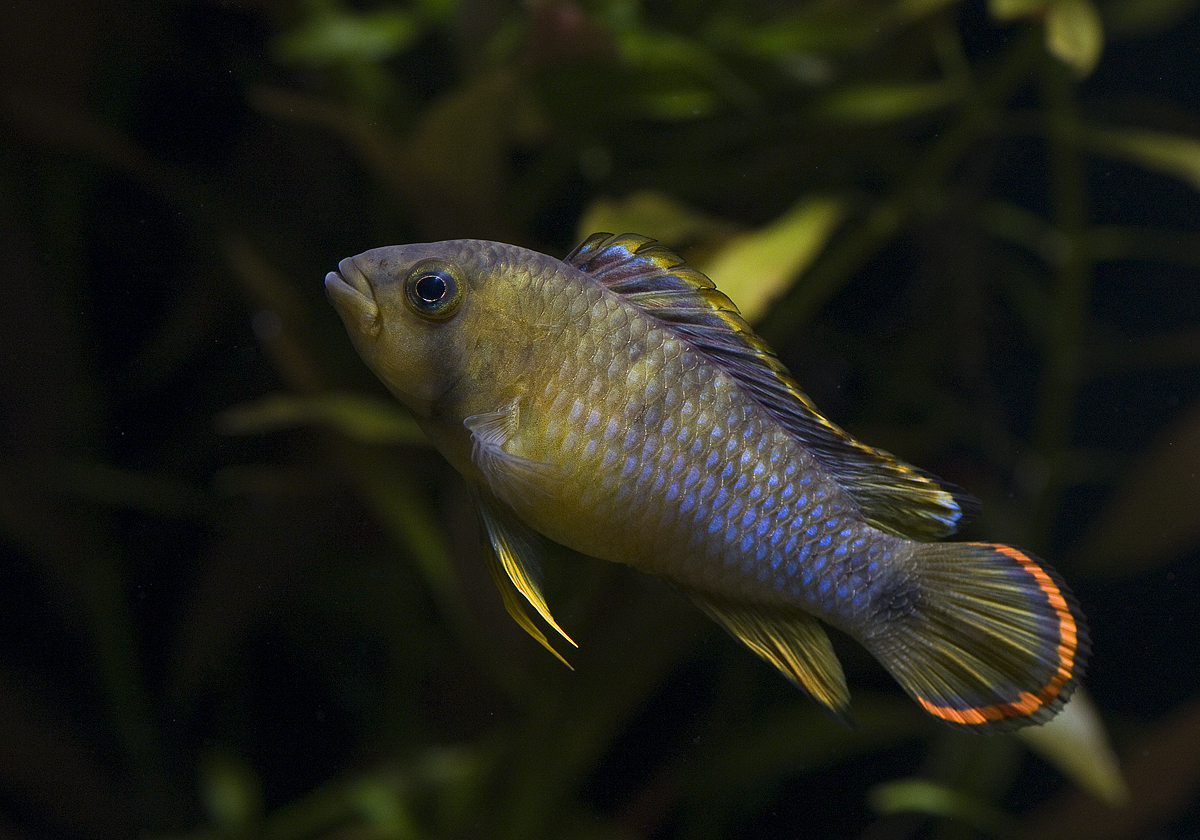
Apistogramma nijsseni
Kullander, 1979
Max length♂ 85 · ♀ 70mm SL♂ 3.3 · ♀ 2.8in SLTank60 × 30cm24 × 12inTemp24–28°C75–82°FpH5.0–6.5The genus Apistogramma is among the most speciose of South American cichlid genera with around 70 species valid at present but many more awaiting description. In addition many species exist in two or more geographical colour forms which may or may not turn out to be distinct in the future. Hobbyists tend to label these with collection data if available in order to avoid mixing them and the potential of hybridisation. Member species have also been organised into a series of species lineages, complexes and groups by authors in order to better separate them. Such lists have been augmented by fish that have appeared in the aquarium trade and are in a state of near-constant flux
Erythrinus erythrinusRed Wolf Fish
authority not recorded
Max length200mm SL8in SLTank120 × 30cm48 × 12inTemp22–26°C72–79°FpH5.5–7.5A species for the specialist, E. erythrinus is also known as the rainbow wolf fish or red hi-fin wolf fish. It is quite variable in colour and pattern depending on collection locality. There is a variant from Peru that has a bright orange belly. Recent studies have highlighted genetic differences in these different populations, suggesting that E. erythrinus is actually a species complex, rather than a single species. There is currently one other recognised species in the genus, E. kessleri, but ...
Hemigrammus belottiiDash-dot Tetra
authority not recorded
Max length40mm SL1.6in SLTank60 × 38cm24 × 15inTemp23–27°C73–81°FpH6.0–7.0Not a common fish in the trade, most of the specimens imported come in as contaminants among batches of more popular species. Like all Hemigrammus, the taxonomic status of this species is currently Incertae Sedis, meaning uncertain. The genus is currently used as something of a catch-all for over 70 species of small characin. Most experts agree that a full revision is required, with the likely outcome that many species will be placed into new or different genera....
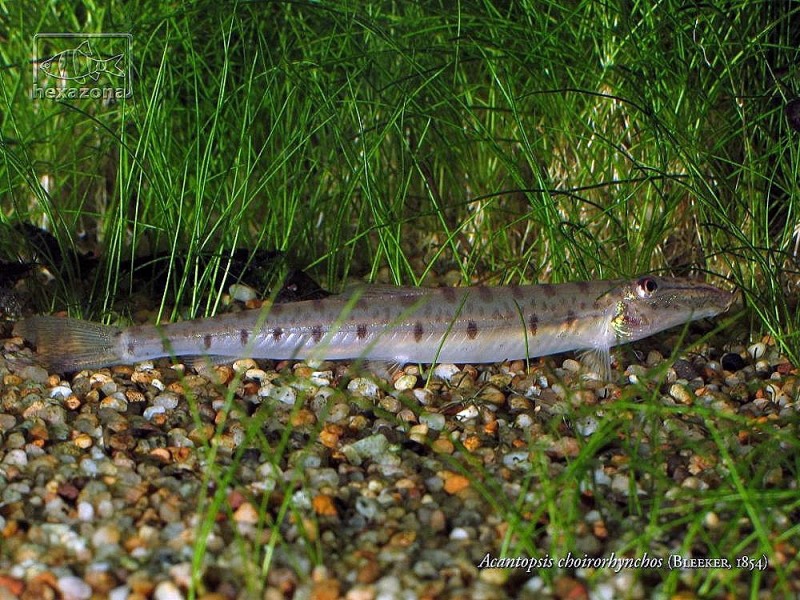
Acantopsis dialuzonaHorseface Loach
van Hasselt, 1823
Max length200mm SL8in SLTank120 × 45cm48 × 18inTemp16–24°C61–75°FpH6.0–8.0Juveniles of this 'species' (probably a group of species - see 'distribution') are traded in large numbers but it's still uncommon to see adult specimens in the hobby suggesting their needs are not catered for often enough. This is a shame as when maintained properly they're hardy, long-lived and interesting aquarium residents. Other trade names include 'long-nosed' and 'banana' loach. Please note although certain that more than one species is being tr...
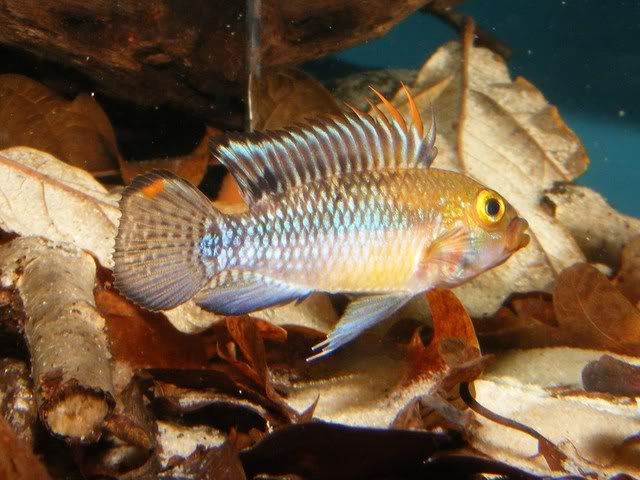
Apistogramma norberti
Staeck, 1991
Max length♂ 60 · ♀ 40mm SL♂ 2.4 · ♀ 1.6in SLTank45 × 30cm18 × 12inTemp24–28°C75–82°FpH4.5–6.5Prior to decription this species was known as A. sp. 'großmaul' or 'bigmouth', and it has also been assigned the code A190 under the DATZ system. The genus Apistogramma is among the most speciose of South American cichlid genera with around 70 species valid at present but many more awaiting description. In addition many species exist in two or more geographical colour forms which may or may not turn out to be distinct in the future. Hobbyists tend to label these with collection data if available in order to avoid mixing them and the potential of hybridisation.
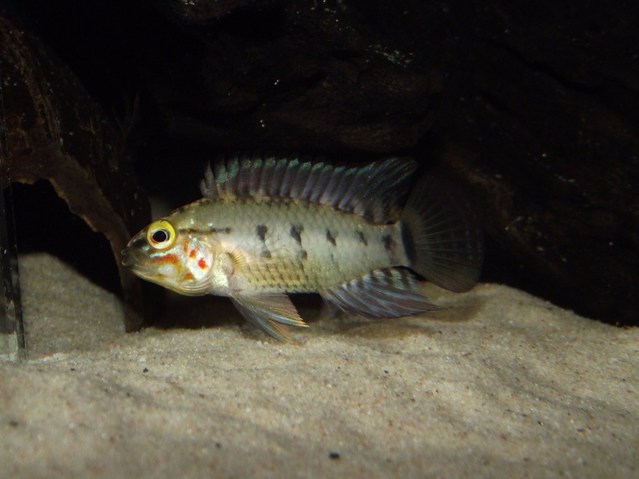
Apistogramma paulmuelleriA52
Römer, Beninde, Duponchelle, García Dávila, Vela Díaz & Renno, 2013
Max length♂ 42 · ♀ 33mm SL♂ 1.7 · ♀ 1.3in SLTank45 × 30cm18 × 12inTemp22–31°C72–88°FpH4.0–6.5This species is assigned the code A52 under the DATZ 'A' number system and is also known by the trade names A. sp. 'Apache', A. sp. 'Peru (II)', A. sp. 'Peru-regani', A. sp. cf. regani (Belém) and A. sp. 'carapintada'. Apistogramma is among the most speciose of South American cichlid genera with around 70 species valid at present but many more awaiting description. In addition many species exist in two or more geographical colour forms which may or ma...
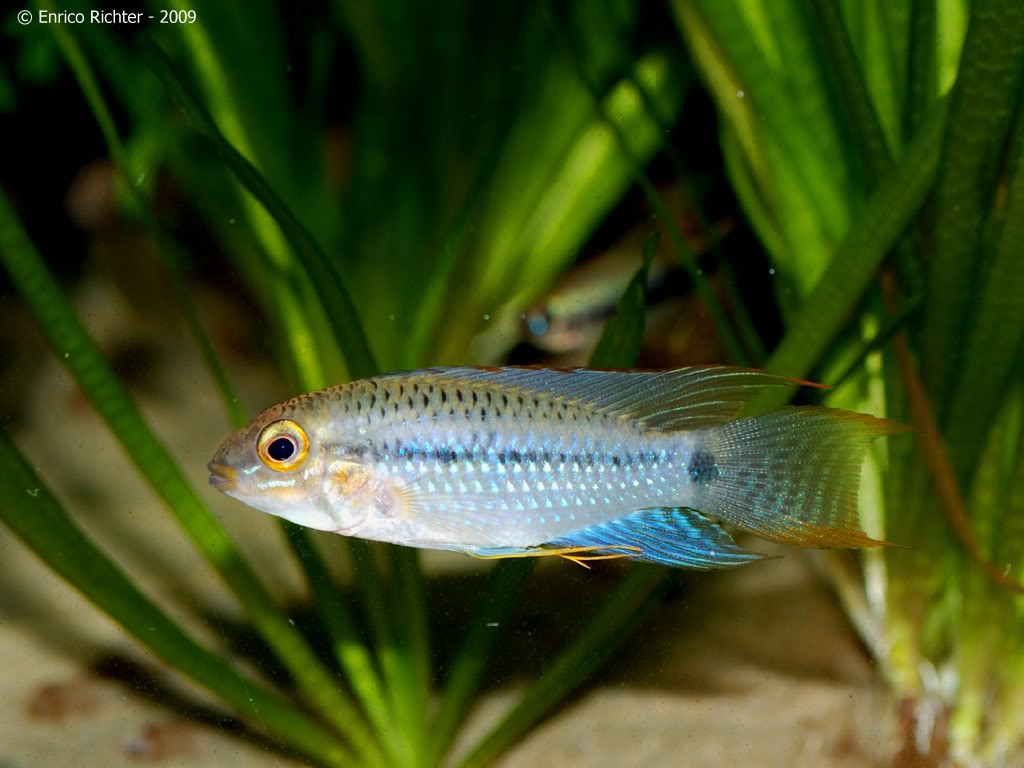
Apistogramma steindachneriSteindachner's Apisto
Regan, 1908
Max length♂ 80 · ♀ 50mm SL♂ 3.1 · ♀ 2.0in SLTank90 × 30cm36 × 12inTemp20–25°C68–77°FpH4.0–7.5This species is assigned the code A138 under the DATZ system, with the Venezuelan variant referred to as A139 for easy reference. The genus Apistogramma is among the most speciose of South American cichlid genera with around 70 species valid at present but many more awaiting description. In addition many species exist in two or more geographical colour forms which may or may not turn out to be distinct in the future. Hobbyists tend to label these with collection dat...