Peckoltia sp.
L076 · L099
On this page9 sections
Quick facts
Difficulty5 of 6 measures
More bars, more demanding.
- Space
- large tank
- Water
- tap water
- Temp
- steady heat
- Temperament
- unknown
- Social
- shoal
- Compatibility
- not a community fish
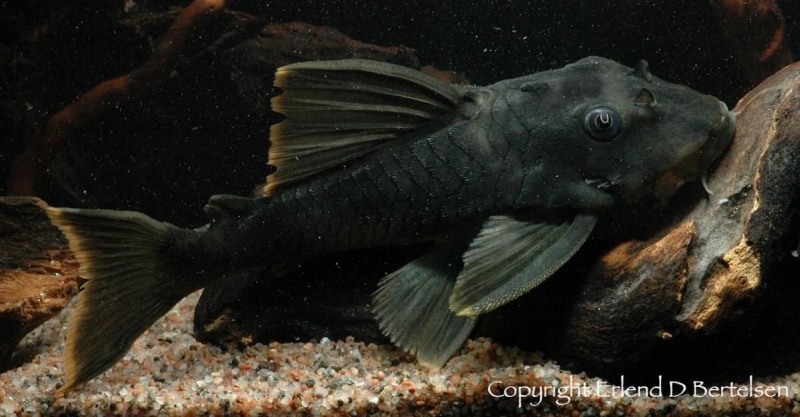
L076 and L099 appear to be the same species with the former exhibiting a darker diurnal colour pattern than the latter, though both appear similar at night.
Etymology
Peckoltia: named for German botanist and pharmacist Gustavo Peckolt who was born in Brazil, became a member of the Natural History Commission of Rondon, and published important books about Brazilian plants in the late 1800s alongside his father Theodor.
Distribution
Aquarium size
An aquarium with base dimensions of 120 ∗ 45 cm48 ∗ 18 in should be the smallest considered.
Water conditions
These boxes carry affiliate links and we may earn a commission. What they recommend comes from each profile’s own figures, never chosen by hand or paid for.
Sexual dimorphism
Adult males possess odontodes on the caudal peduncle while females do not.
Reproduction
Cave-spawner with the male responsible for brood care.
Notes
L076 and L099 appear to be the same species with the former exhibiting a darker diurnal colour pattern than the latter, though both appear similar at night.
References
- Stawikowski, R., A. Werner and I. Seidel (2004). DATZ Special: L-Numbers DATZ, 1-132
Species images · 3
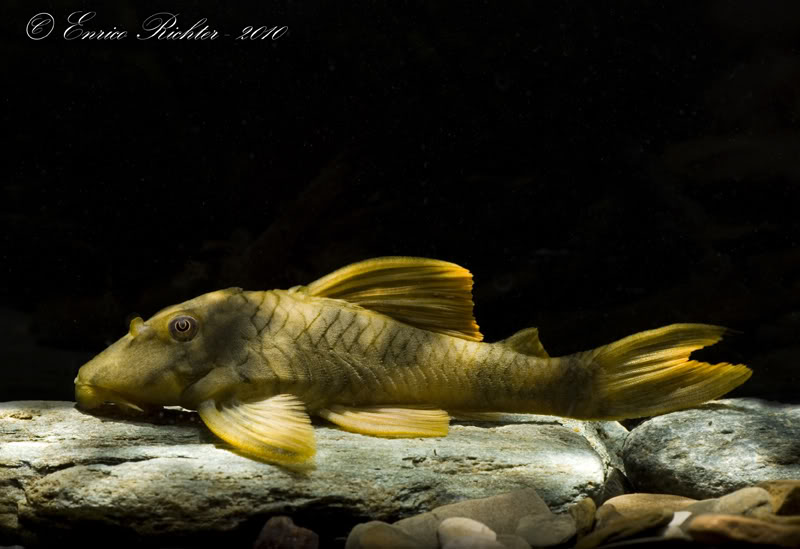
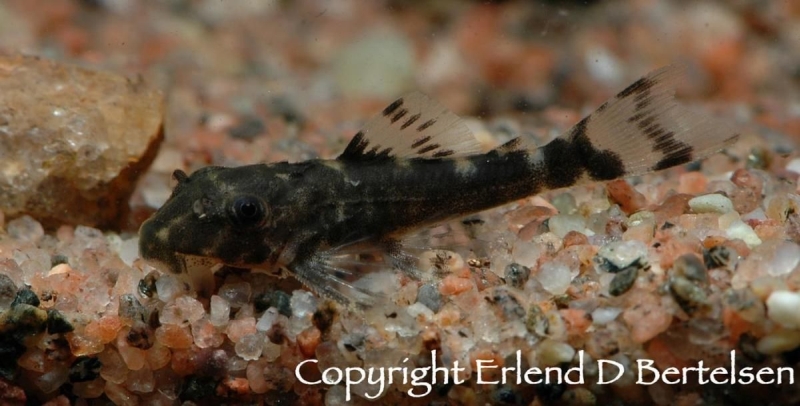
Used with the photographer’s permission. Not licensed for reuse.