Genus
Apistogramma
- Species
- 27
- Photographed
- 26 of 27
- Difficulty rated
- 27 of 27
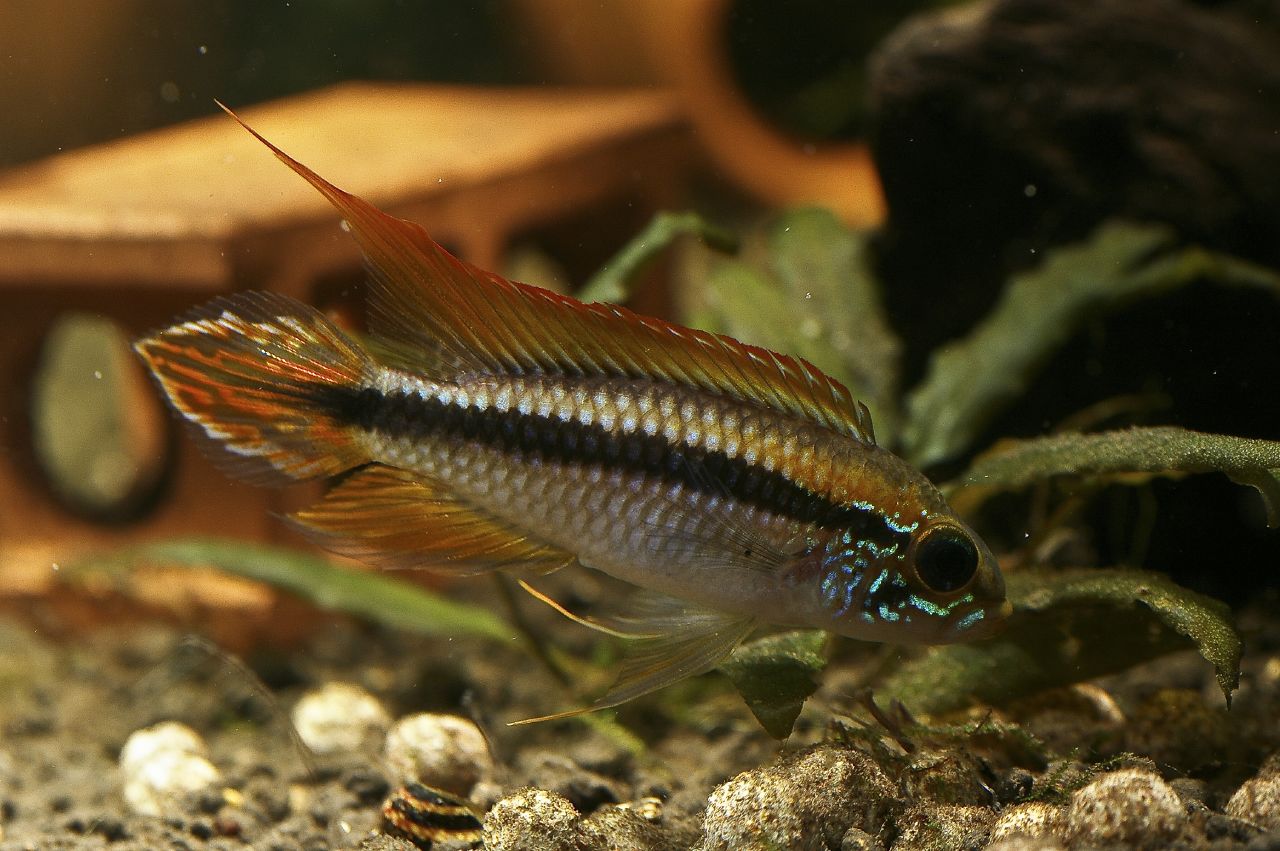
Apistogramma agassiziiAgassizi's Dwarf Cichlid
Steindachner, 1875
Numerous ornamental forms of this species have been selectively-bred for the aquarium trade, some of which include. It has also been assigned the 'A' number A234 under the DATZ system with possibly conspecific, related forms similarly numbered A235, A236, A237, A238, A239, A240, A241 and A242 depending on locality. The genus Apistogramma is among the most speciose of South American cichlid genera with around 70 species valid at present but many more awaiting description. In addition ...
Apistogramma alacrinaRedspot Dwarf Cichlid
Kullander, 2004
This species differs from all other described members of the genus by the presence of dark blotches at the dorsal and ventral base of the pectoral fins. Three very similar-looking fishes have been assigned the codes A106, A107 and A108 under the DATZ system and are also known in the aquarium hobby as A. sp. 'rotpunkt' (this form has been in the hobby for decades with its precise origin unclear), A. sp. 'rotpunkt Orteguazas' (the paratype form of A. alacrina) and A. sp. 'rotpunkt Guayas', respectively. It remains to be seen whether they're conspecific with A. alacrina or not since they exhibit some differences in colour pattern and morphology.
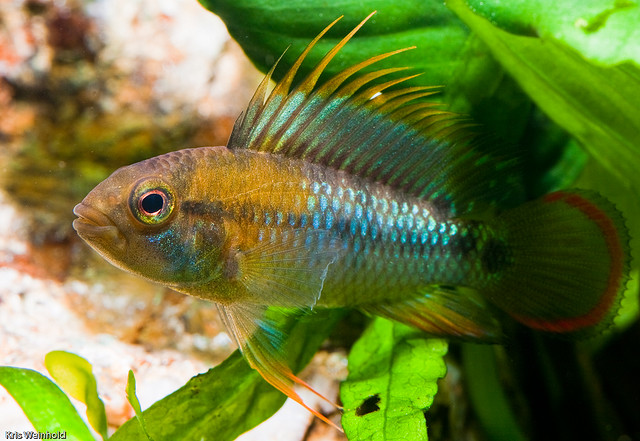
Apistogramma baenschiA188
Römer, Hahn, Römer, Soares & Wöhler, 2004
This species is assigned the code A188 under the DATZ system and is also known by the trade names A. sp. 'Inca/Inka', A. sp. 'Inka 50', A. sp. 'highfin nijsseni', A. sp. 'Nijsseni 2', A. sp. 'red crescent' or A. baenschi 'Inca'. It's among those members of the genus produced on a commercial basis and is regularly available in the aquarium trade.
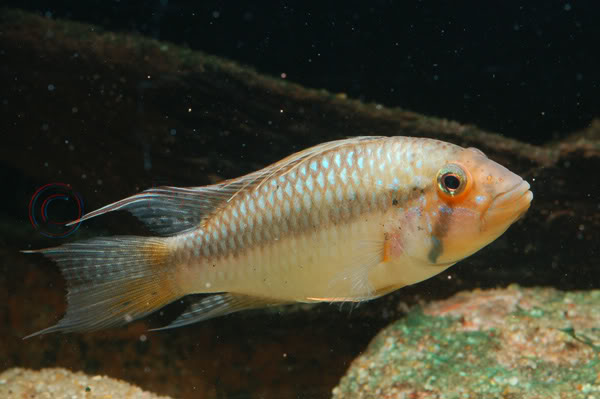
Apistogramma barlowiA174
Römer & Hahn, 2008
This species has been assigned the code A174 under the DATZ system, and is also known by the trade names A. sp. 'Maulbrüter/mouthbrooder', A. sp. 'Glaser' (these referring to the 'red' colour form) and A. sp. 'Hauswell' (referring to the 'white' colour form). It can be told apart from other members of the genus most eas...
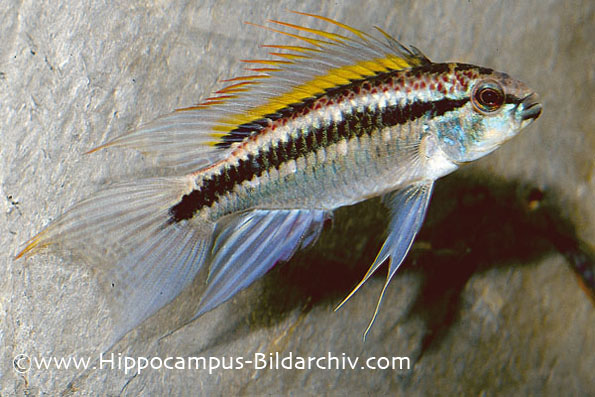
Apistogramma bitaeniataTwo-Striped Dwarf Cichlid
Pellegrin, 1936
Localities known in the hobby include 'Pastaza', 'Putumayo', 'Requena', 'Río Nanay', 'Rio Napo', 'Maniti', 'Momón', 'Río Tigre', 'Río Ampiyacu', 'Shishita', 'Shushupi', 'Yavari', 'Tefé', 'Manaquiri', 'Lago do Januari', 'Mamori' (often misspelled 'Mamuri'), 'Careiro', 'Manacapuru', 'Juruá', 'Curuaí', and 'Purutu' though we've been unable to find anywhere matching the latter name within the species' known distribution, and in fact several of these names are applied incorrectly on a regular basis.
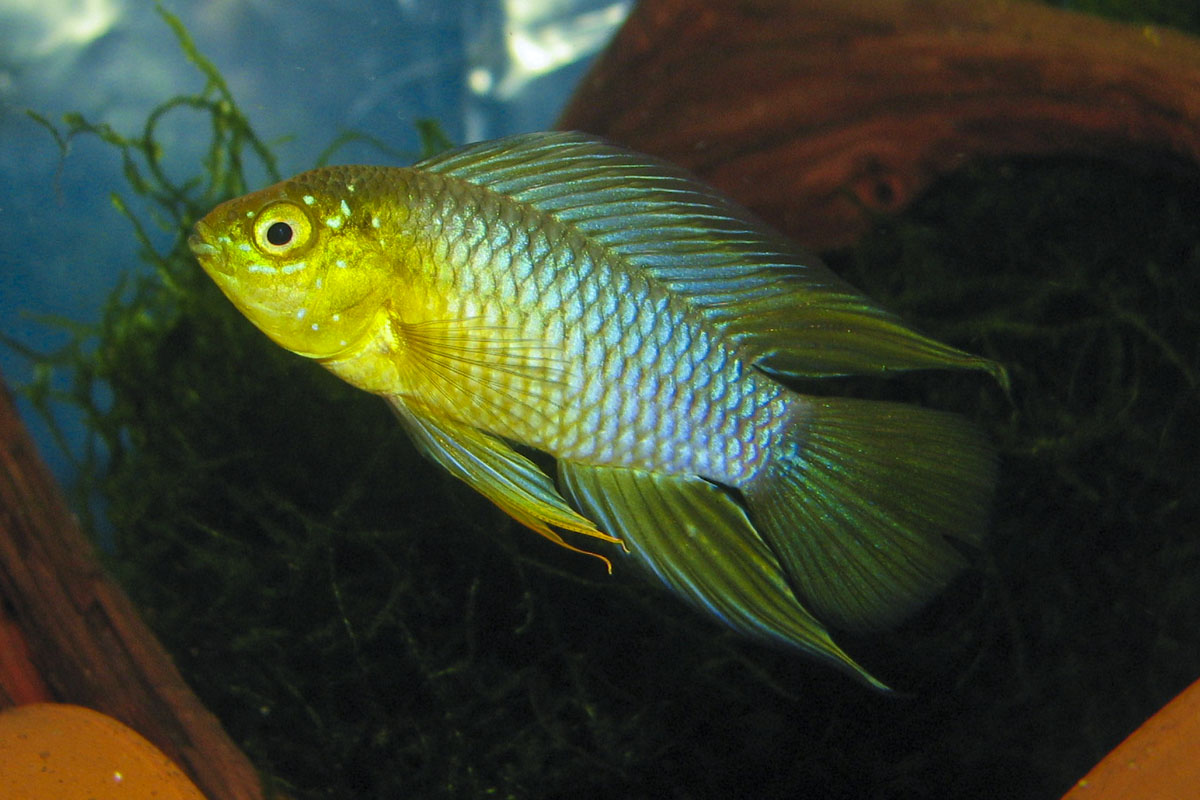
Apistogramma borelliiBorelli's Dwarf Cichlid
Regan, 1906
Numerous ornamental forms of this species have been selectively-bred for the aquarium trade. It has also been assigned the 'A' number A234 under the DATZ system with possibly conspecific, related forms similarly numbered A103, A104, and A105 depending on locality.
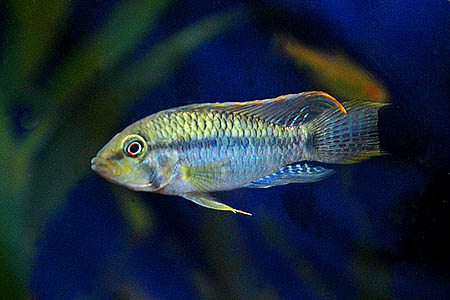
Apistogramma brevis
Kullander, 1980
Apistogrammas are identified by the use of "A numbers"in a similar fashion to the "L number" system used to identify loricariids. Apistogramma brevis is identified as A168. Additionally, apistos are also grouped into type families and this species is the species type of the brevis group. Unlike some apistogramma species, a. brevis occurs only in a relatively small range and has not been found outside this. personata complex gibbiceps group...
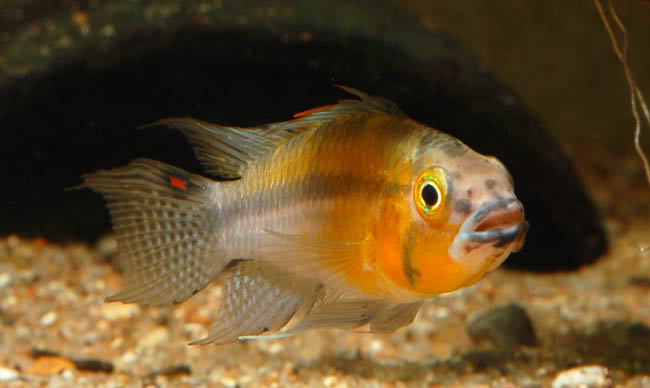
Apistogramma cacatuoidesCockatoo Cichlid
Hoedeman, 1951
Numerous ornamental forms of this species have been selectively line-bred for the aquarium trade, vernacular names for which include "sunset", "sunburst", "double red", "triple red", "gold", "white gold", "orange flash" and "albino". It has also been assigned the 'A' number A200 under the DATZ system with possibly conspecific, related forms similarly numbered A201, A202 and A203 depending on locality. Th...
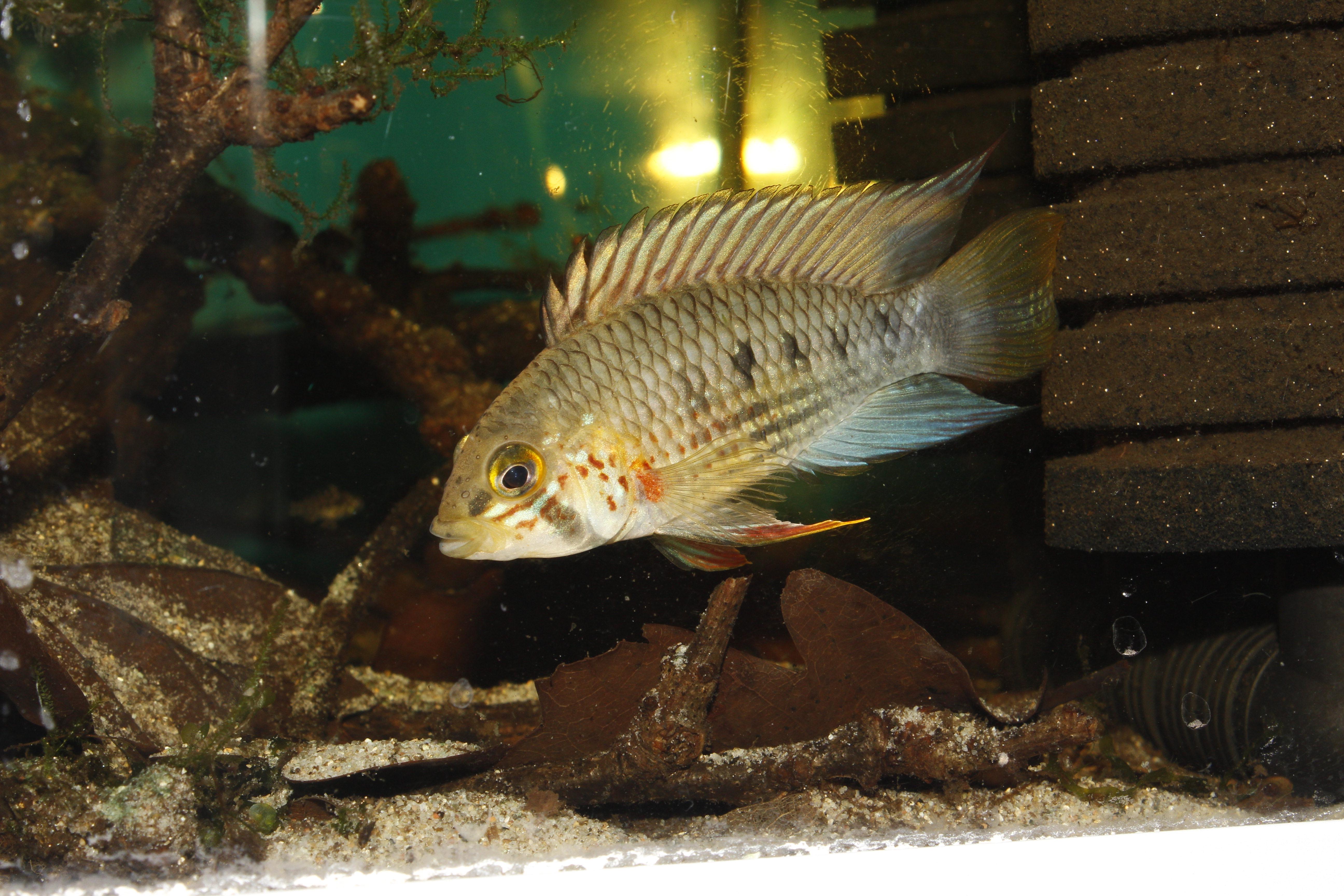
Apistogramma cinilabraAsh Lipped Apisto (A80)
Romer, Duponchelle, Diaz, Davilla, Sirvas, Catchay and Renno, 2011
Apistogramma cinilabra
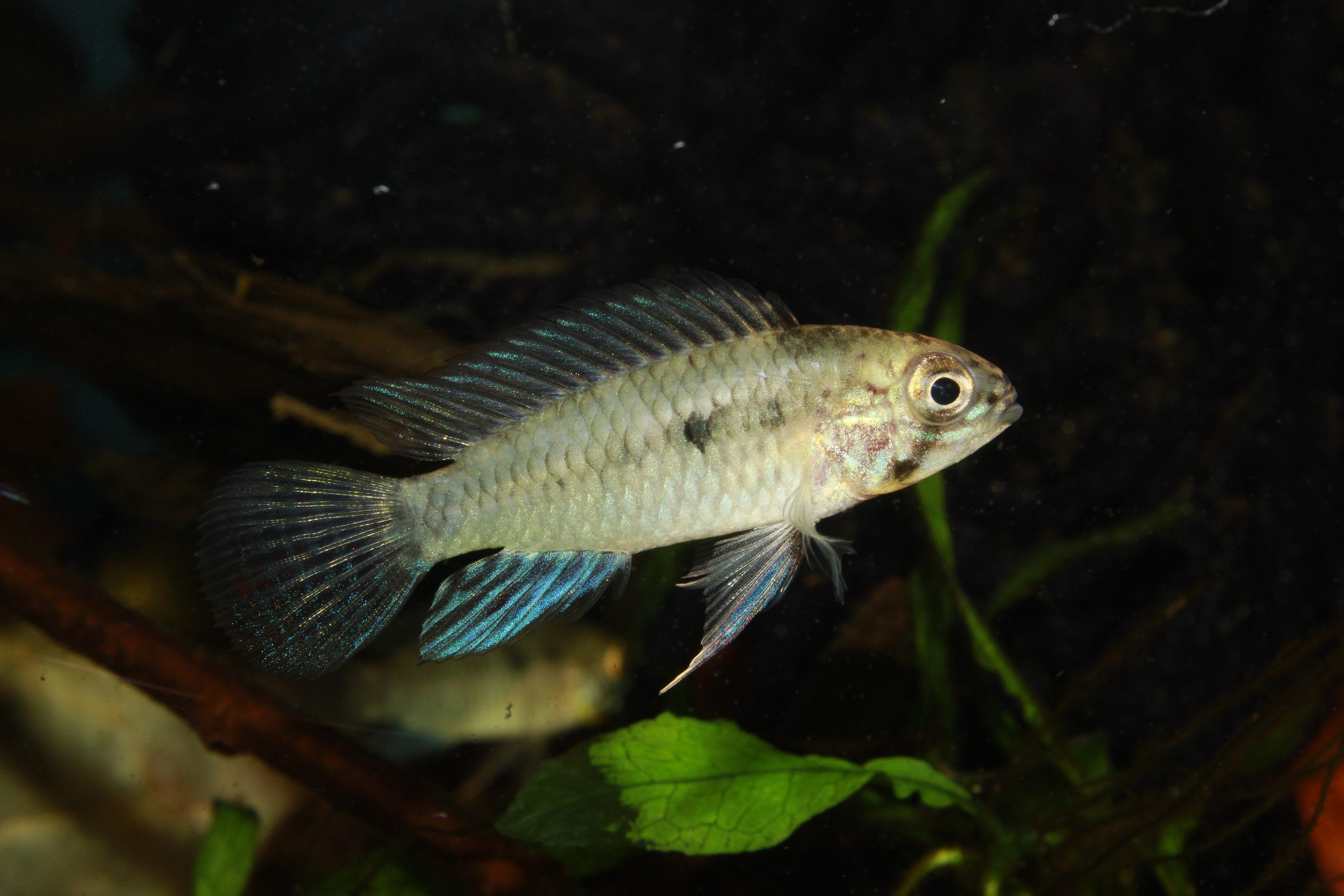
Apistogramma commbraeA93
Regan, 1906
Apistogramma commbrae and other members of the commbrae complex can be distinguished from congeners by the conspicuous double caudal peduncle spot. This species may also be polymorphic, with some males exhibiting red and blue markings on the cheeks and a yellow gular region.
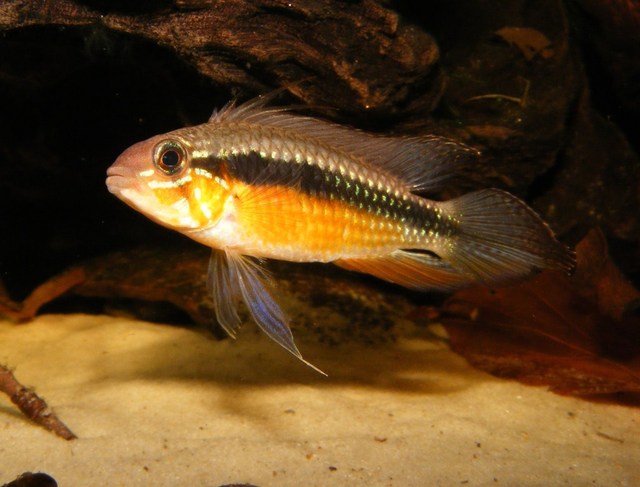
Apistogramma elizabethaeA208
Kullander, 1980
The form from the rio Içana tends to have more blue markings on the head than that from the Uaupés, while a reddish population apparently collected close to the settlement of Tucana (sometimes mis-spelled 'Tucano') on the Uaupés is sometimes traded as A. elizabethae 'super red'. Apistogramma is among the most speciose of South American cichlid genera with around 70 species valid at present but many more awaiting description.
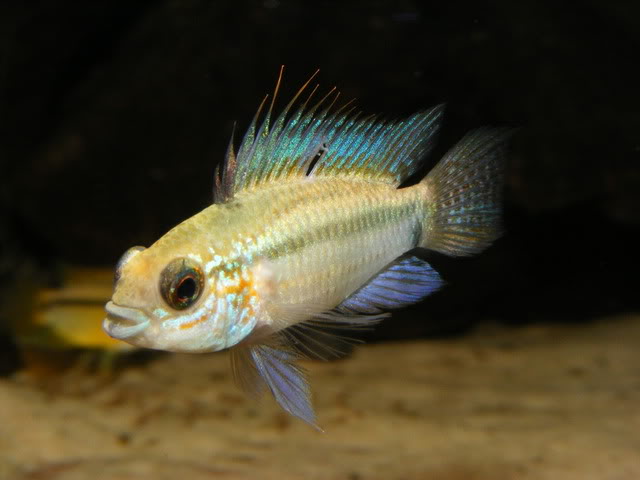
Apistogramma eremnopygeA218
Ready & Kullander, 2004
Known only from Loreto region in northeastern (Amazonian) Peru. Type locality is 'Río Pintuyacu, 48 kilometers on road from Iquitos to Nauta, Río Itaya drainage, Province Loreto, Peru' and it's also been recorded from tributaries of the Nanay system in the same area. An additional population is known from the Río Tapiche, a tributary of the Río Ucayali located well over 150 km further south.
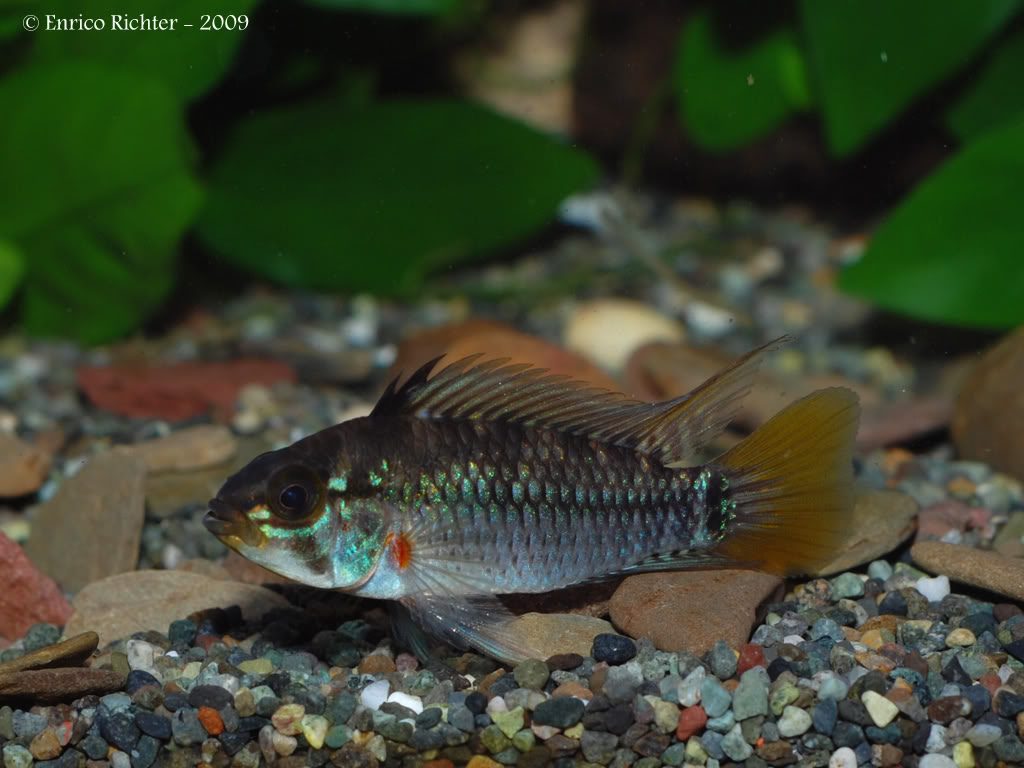
Apistogramma eunotus
Kullander, 1981
The genus Apistogramma is among the most speciose of South American cichlid genera with around 70 species valid at present but many more awaiting description. In addition many species exist in two or more geographical colour forms which may or may not turn out to be distinct in the future. Hobbyists tend to label these with collection data if available in order to avoid mixing them and the potential of hybridisation.
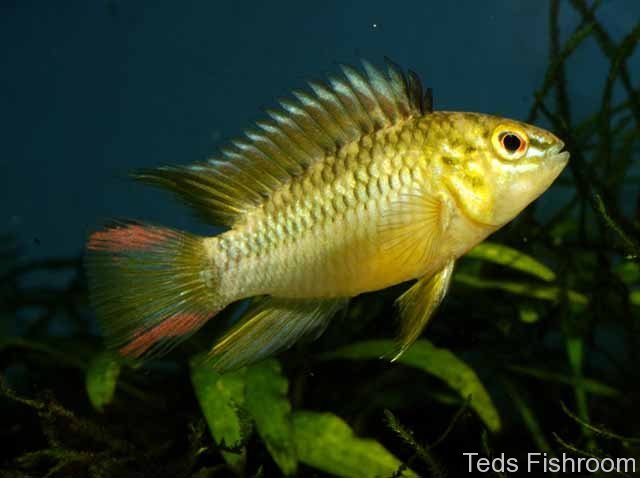
Apistogramma hoignei
Meinken, 1965
The genus Apistogramma is among the most speciose of South American cichlid genera with around 70 species valid at present but many more awaiting description. In addition many species exist in two or more geographical colour forms which may or may not turn out to be distinct in the future. Hobbyists tend to label these with collection data if available in order to avoid mixing them and the potential of hybridisation. Member species have also been organised into a series of species lineages, sublineages, complexes and groups by authors in order to better separate them.
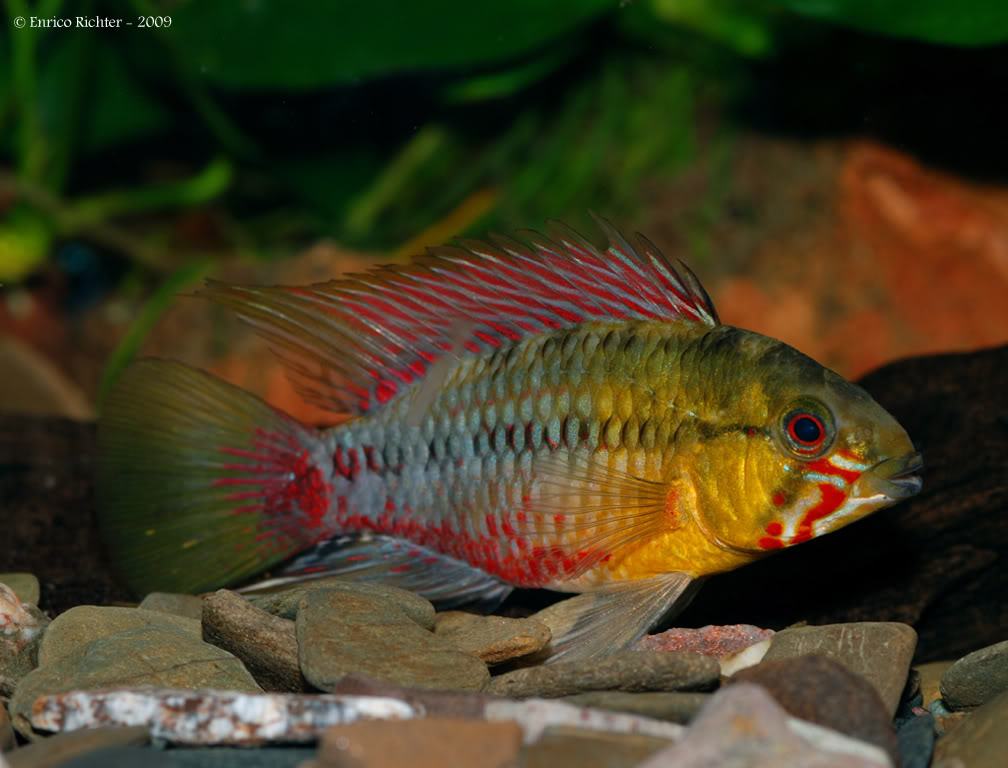
Apistogramma hongsloi
Kullander, 1979
The genus Apistogramma is among the most speciose of South American cichlid genera with around 70 species valid at present but many more awaiting description. In addition many species exist in two or more geographical colour forms which may or may not turn out to be distinct in the future. Hobbyists tend to label these with collection data if available in order to avoid mixing them and the potential of hybridisation.
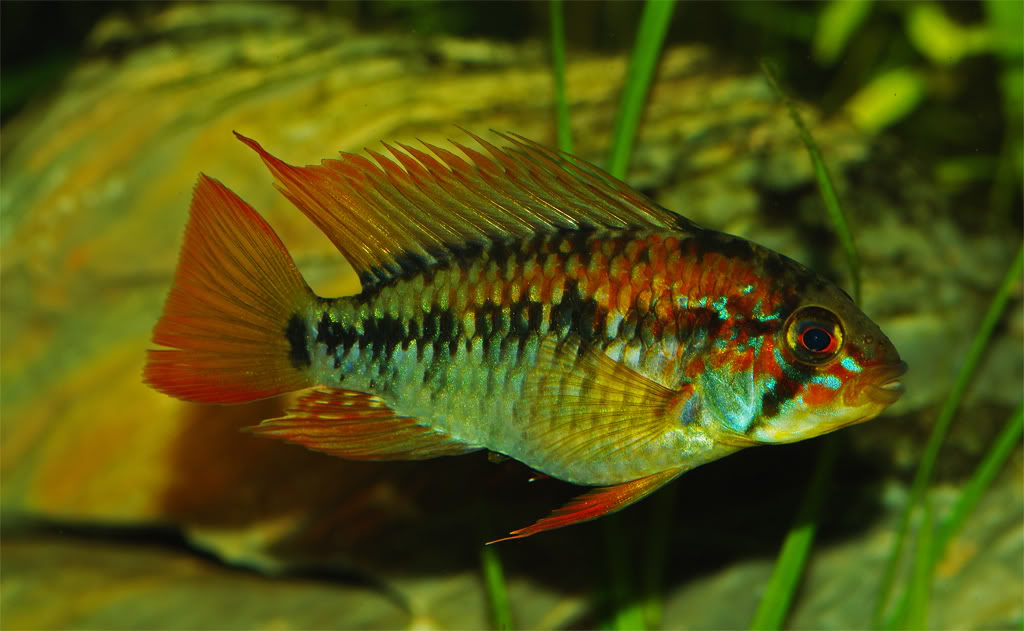
Apistogramma macmasteri
Kullander, 1979
The genus Apistogramma is among the most speciose of South American cichlid genera with around 70 species valid at present but many more awaiting description. In addition many species exist in two or more geographical colour forms which may or may not turn out to be distinct in the future. Hobbyists tend to label these with collection data if available in order to avoid mixing them and the potential of hybridisation. Member species have also been organised into a series of species lineages, complexes and groups by authors in order to better separate them.
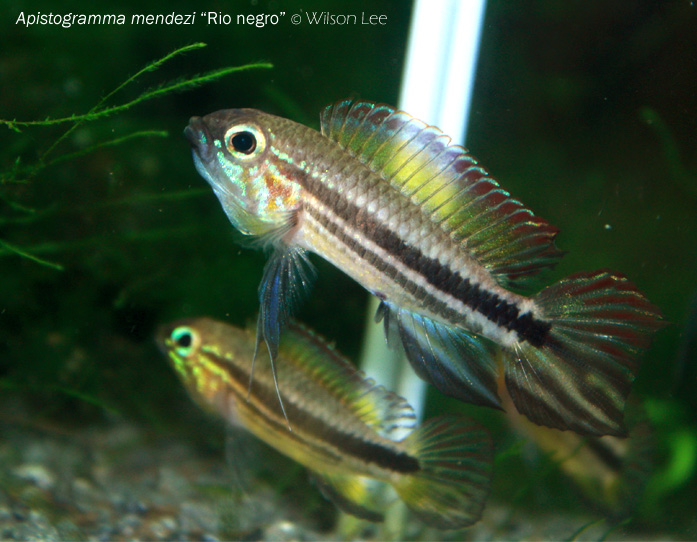
Apistogramma mendeziA220
Römer, 1994
This species is assigned the codes A220, A221 and A222 under the DATZ 'A' number system with these referring to similar-looking, possibly conspecific, populations. These differ in some aspects of colour pattern, particularly the orientation of the caudal-fin markings which may be horizontal, vertical, or somewhere inbetween. One population displays an orange colouration on the belly and is som...
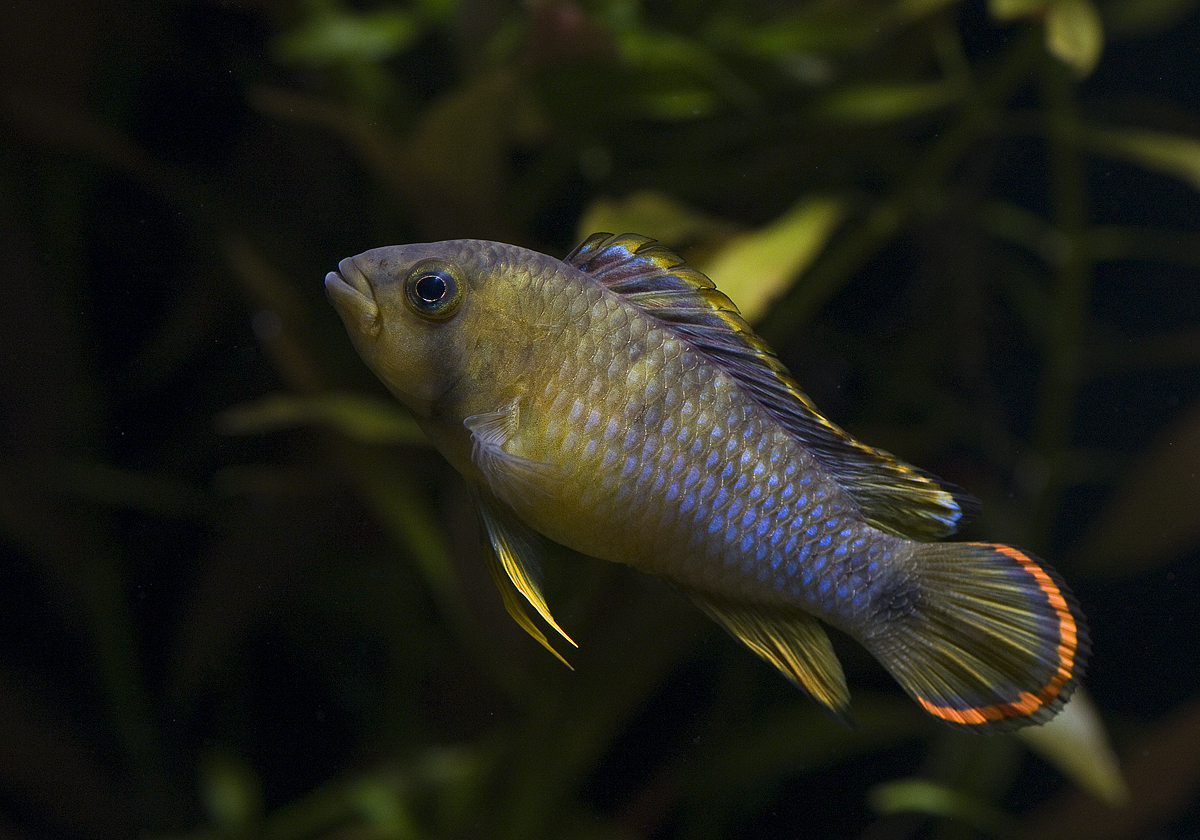
Apistogramma nijsseni
Kullander, 1979
The genus Apistogramma is among the most speciose of South American cichlid genera with around 70 species valid at present but many more awaiting description. In addition many species exist in two or more geographical colour forms which may or may not turn out to be distinct in the future. Hobbyists tend to label these with collection data if available in order to avoid mixing them and the potential of hybridisation. Member species have also been organised into a series of species lineages, complexes and groups by authors in order to better separate them. Such lists have been augmented by fish that have appeared in the aquarium trade and are in a state of near-constant flux
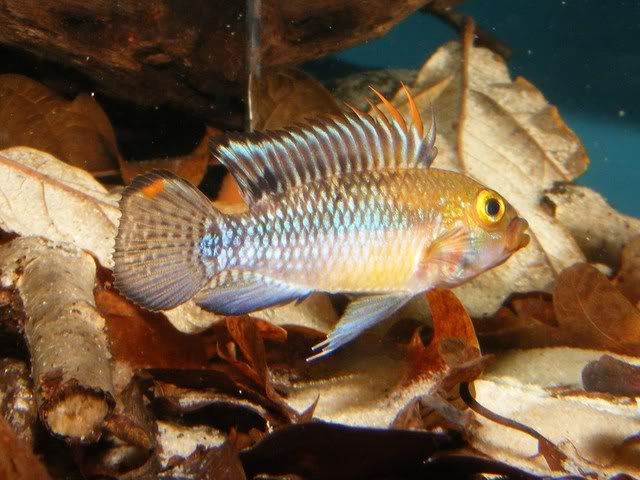
Apistogramma norberti
Staeck, 1991
Prior to decription this species was known as A. sp. 'großmaul' or 'bigmouth', and it has also been assigned the code A190 under the DATZ system. The genus Apistogramma is among the most speciose of South American cichlid genera with around 70 species valid at present but many more awaiting description. In addition many species exist in two or more geographical colour forms which may or may not turn out to be distinct in the future. Hobbyists tend to label these with collection data if available in order to avoid mixing them and the potential of hybridisation.
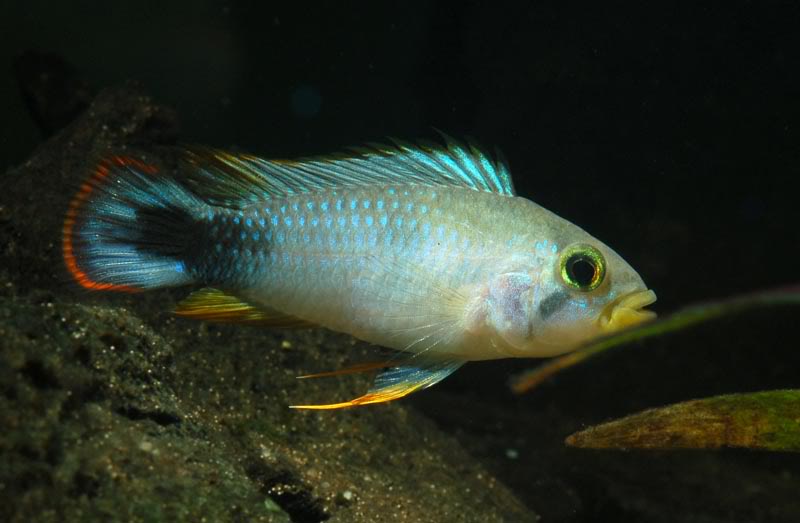
Apistogramma panduro
Römer, 1987
This species is also known by the alternative vernacular names 'blue panda cichlid', 'blue sky dwarf cichlid and 'azure cichlid' as well as the confusing trade name A.sp. 'pandurini'. It has also been assigned the 'A' number A183 under the DATZ system with possibly conspecific, related forms similarly numbered A184 or A185 depending on locality. It can be distinguished from similar-looking species by the length of the lower jaw which characte...
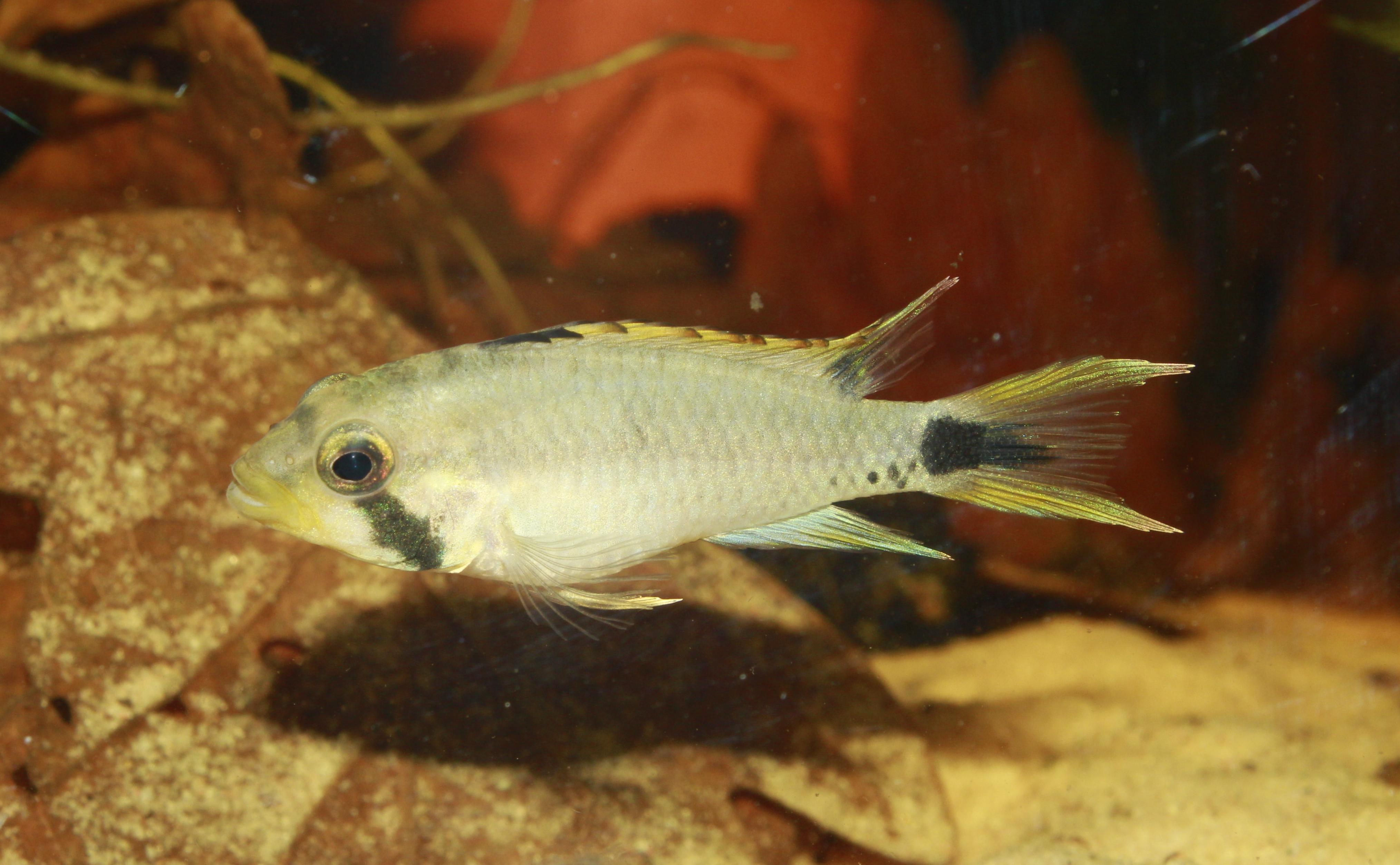
Apistogramma pantaloneA186
Romer, Romer, Soares & Hahn, 2006
Apistogramma pantalone
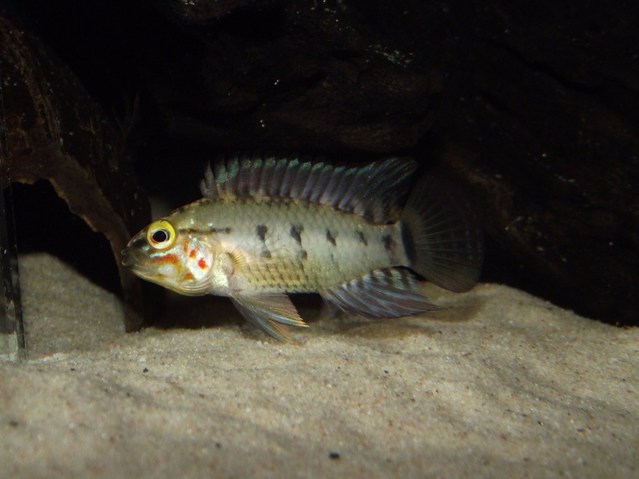
Apistogramma paulmuelleriA52
Römer, Beninde, Duponchelle, García Dávila, Vela Díaz & Renno, 2013
This species is assigned the code A52 under the DATZ 'A' number system and is also known by the trade names A. sp. 'Apache', A. sp. 'Peru (II)', A. sp. 'Peru-regani', A. sp. cf. regani (Belém) and A. sp. 'carapintada'. Apistogramma is among the most speciose of South American cichlid genera with around 70 species valid at present but many more awaiting description. In addition many species exist in two or more geographical colour forms which may or ma...
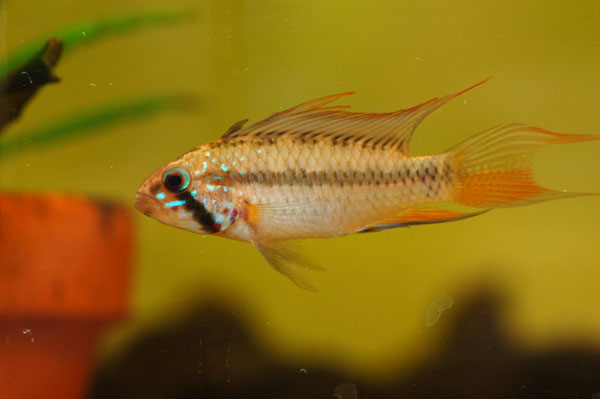
Apistogramma sp. 'breitbinden'A164
authority not recorded
The German term 'breitbinden' translates literally as "broad-banded" and refers to the uniformly broad suborbital stripe seen in males of this 'species' which remains undescribed despite being known in the aquarium hobby for several decades. It's often imported as bycatch among shipments of wild-collected A. iniridae. Some of the populations have also been assigned th...
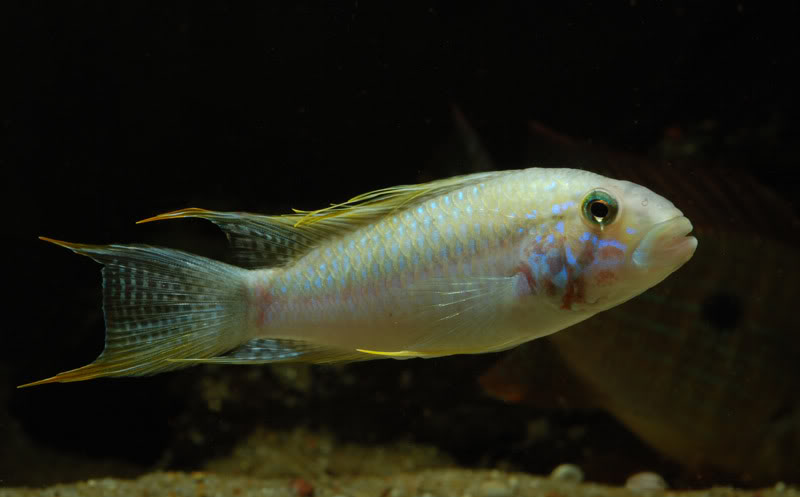
Apistogramma sp. 'Kelleri'
authority not recorded
This undescribed species was first collected and subsequently appeared in the aquarium hobby during 2008. It was exported again in late 2009 and early 2010 under the names A. sp. 'Jutai' and A. sp. 'diamond face', and said to have been collected in the Río Jutai, Amazonas state, Brazil. The Jutai is a south bank tributary of the Solimões but lies several hundred kilometres downstream of Leticia so this information, from a purportedly trustworthy source, initiall...
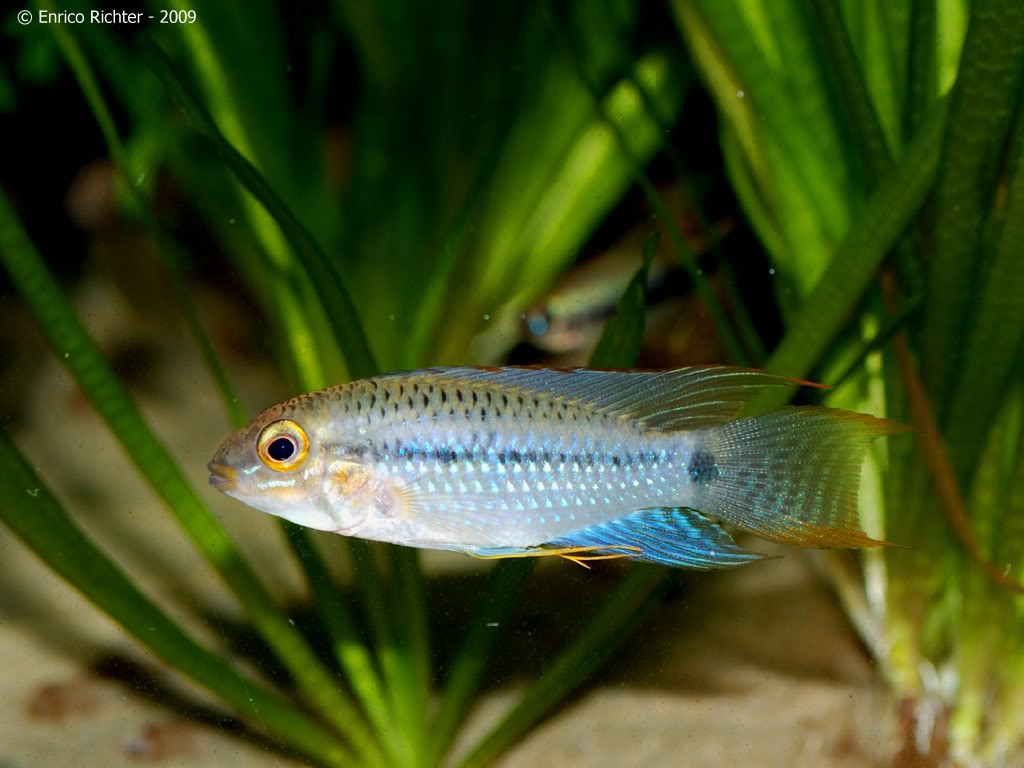
Apistogramma steindachneriSteindachner's Apisto
Regan, 1908
This species is assigned the code A138 under the DATZ system, with the Venezuelan variant referred to as A139 for easy reference. The genus Apistogramma is among the most speciose of South American cichlid genera with around 70 species valid at present but many more awaiting description. In addition many species exist in two or more geographical colour forms which may or may not turn out to be distinct in the future. Hobbyists tend to label these with collection dat...
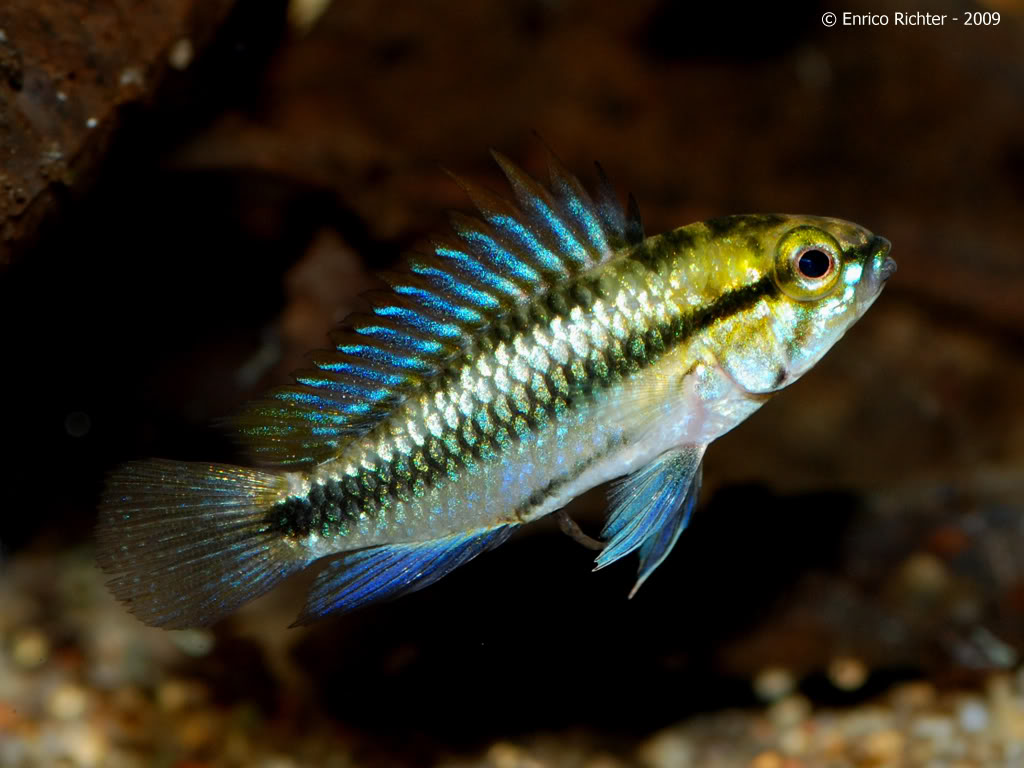
Apistogramma trifasciataThree-striped Apisto
Eigenmann & Kennedy, 1903
This species is assigned the 'A' number A204 under the DATZ system with possibly conspecific, related forms coded A205 or A206 depending on collection locality and representing populations from Argentina and the rio Guaporé, respectively. The genus Apistogramma is among the most speciose of South American cichlid genera with around 70 species valid at present but many more awaiting description.
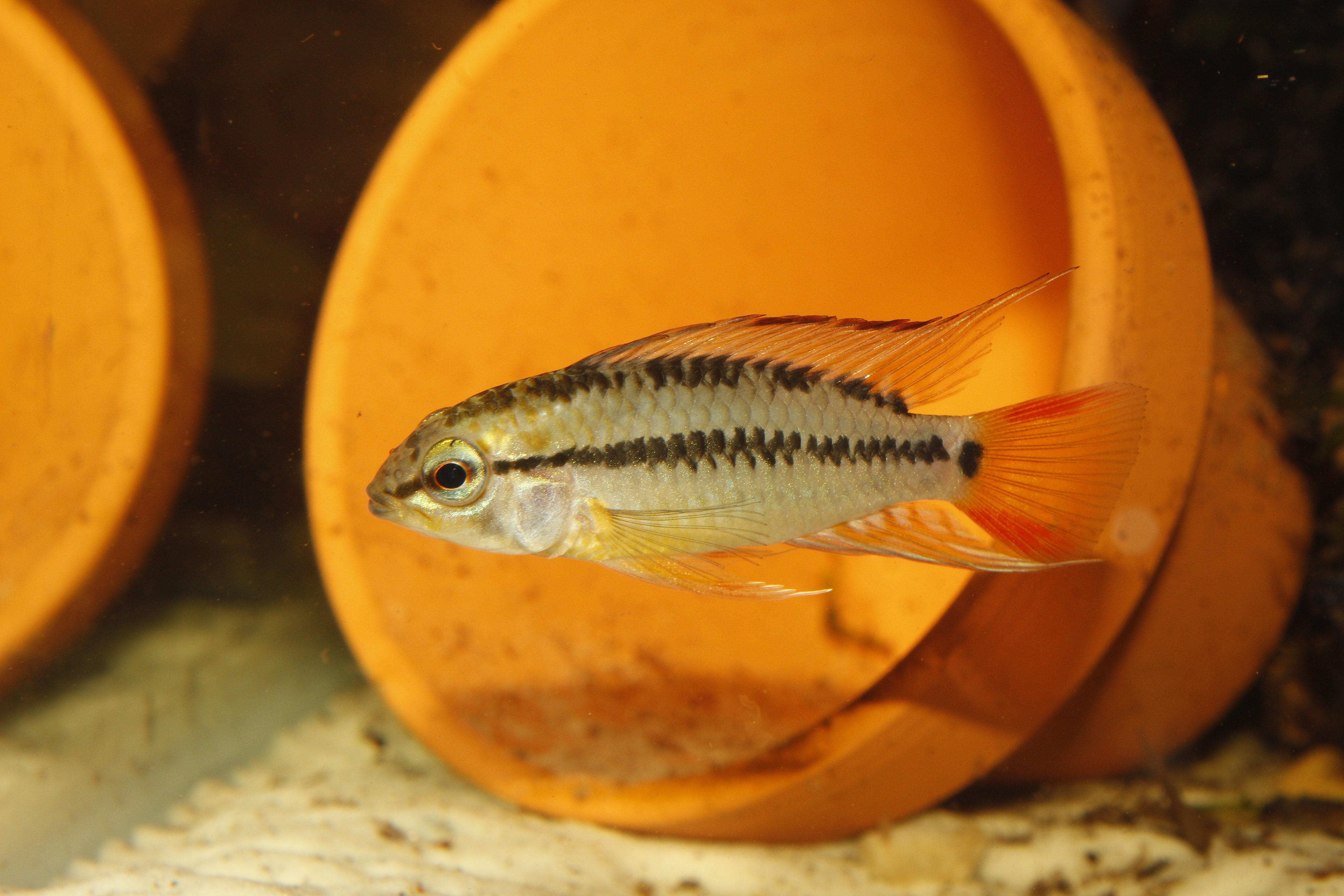
Apistogramma viejitaRed Edge Apisto
Kullander, 1979
Apistogramma viejita