Genus
Brachyplatystoma
- Species
- 7
- Photographed
- 7 of 7
- Difficulty rated
- 7 of 7
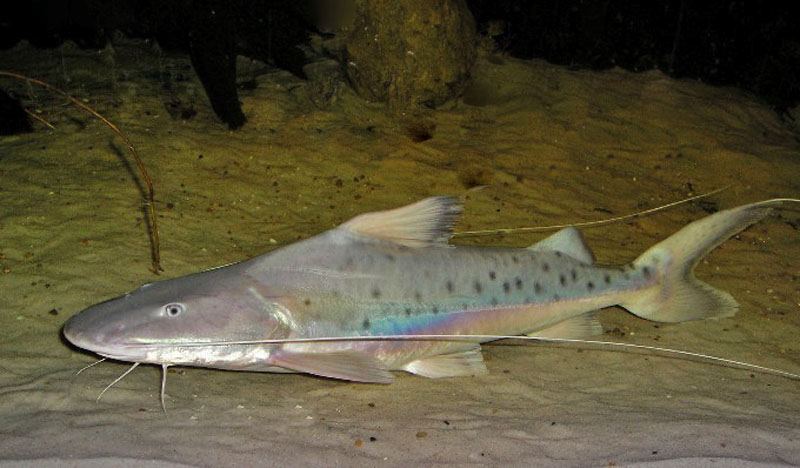
Brachyplatystoma capapretum
Lundberg & Akama, 2005
This species can be told apart from the very similar-looking congener B. filamentosum by its smaller adult size (B. filamentosum can grow to almost 3 m in length), shorter maxillary barbels (never extending beyond base of adipose fin (vs. extending beyond base of adipose fin), moderately-forked with lobes of equal size (vs. deeply-forked caudal fin with upper lobe usually longer than the lower) and body col...
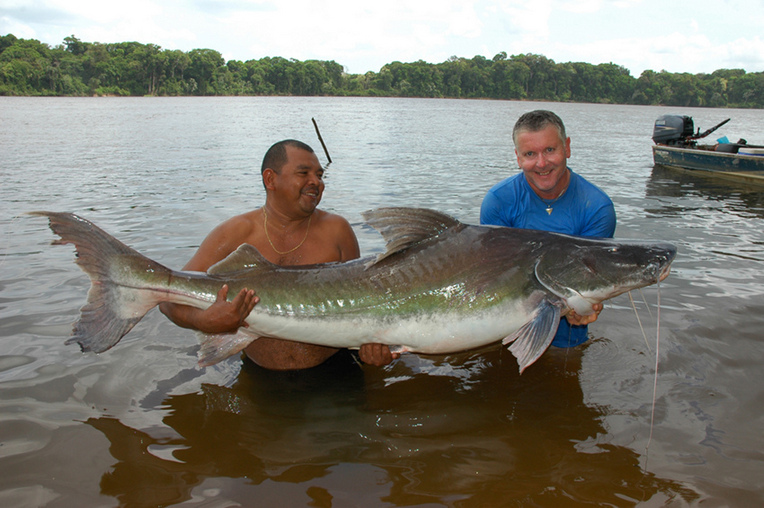
Brachyplatystoma filamentosumPiraíba
Lichtenstein, 1819
In the Amazon region it is only specimens larger than around 160 cm and werighing in excess of 50 kg that are referred to as 'Piraíba' with the name 'filhote' normally applied to smaller individuals. Other vernacular names include 'Salton catfish', 'Kumakuma'; and 'tiger antenna catfish'; with members of the genus often referred to collectively as 'goliath catfishes'.
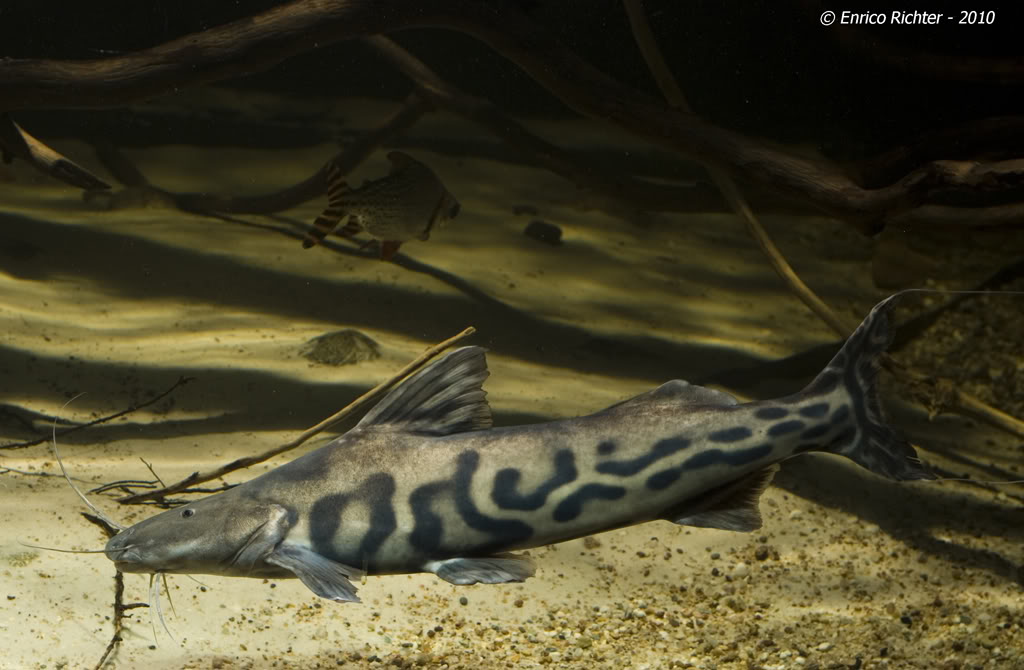
Brachyplatystoma juruenseGold Zebra Catfish
Boulenger, 1898
Brachyplatystoma spp. are distinguished from all other catfishes by two synapomorphies. The first comprises several morphological characters relating to the skull, specifically that the mandibular suspensorium (that which connects the lower jaw bone to the skull) is greatly expanded mediodorsally to form a large plate approaching the parasphenoid bone, with the hyomandibula and metapterygoid similarly enlarged.
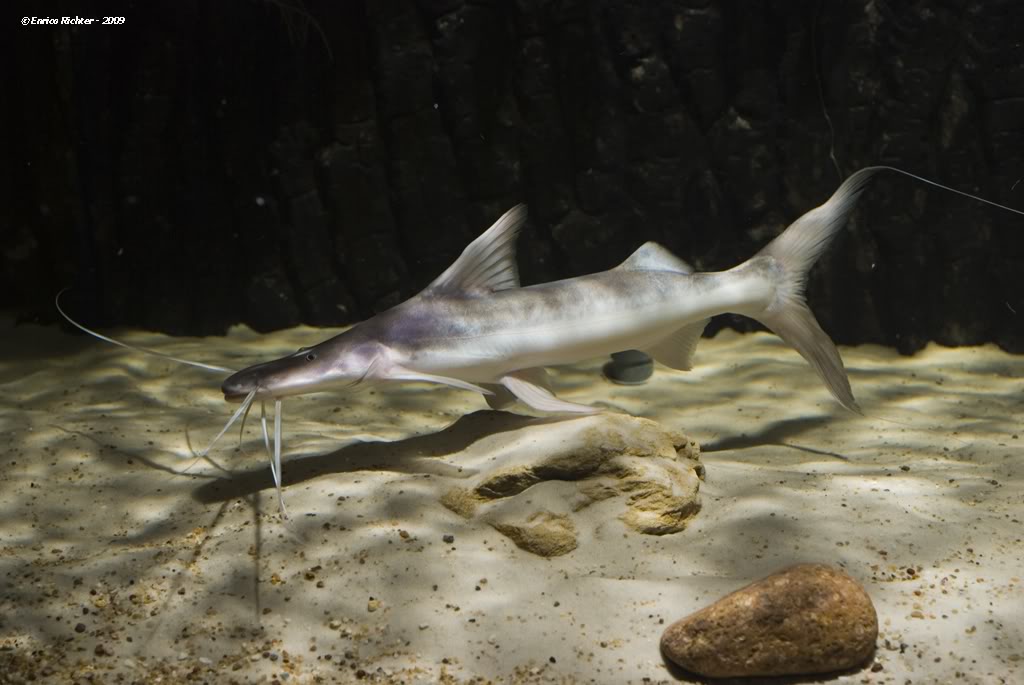
Brachyplatystoma platynemumSlobbering Catfish
Boulenger, 1898
Found in a number of habitat-types, though rarely in smaller tributaries, generally preferring deeper, flowing channels through which it travels for considerable distances at certain times of year. Like other large, migratory pimelodids these movements are typically associated with nutrient-rich, white water drainages rather than nutrient-poor black waters.
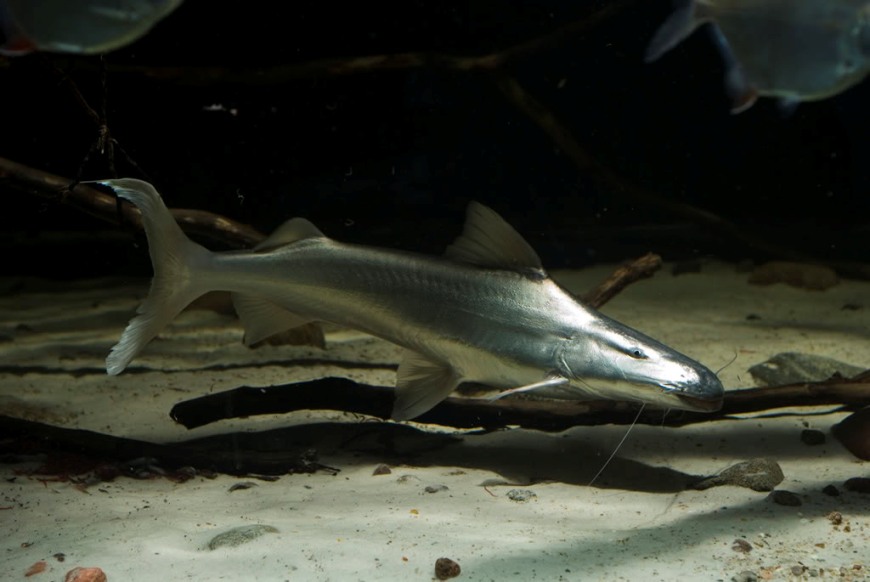
Brachyplatystoma rousseauxiiDourada
Castelnau, 1855
Study of B. rousseauxii has revealed that sexually mature adults are found only in the western Amazon, with no mature individual ever recorded east of Manaus despite the intensive commercial fishery operating there. The total distance covered by some populations during migration from the delta was as much as 5500 km, making it the longest known in any freshwater fish species.
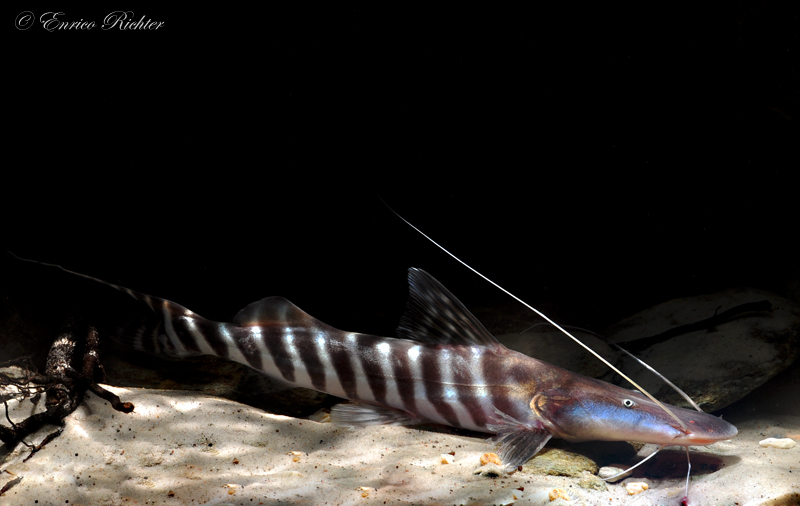
Brachyplatystoma tigrinumZebra Shovelnose
Britski, 1981
This species is sometimes confused with B. juruense, especially when juvenile, but can be told apart quite easily by it's more well-defined colour pattern, relatively slender body shape and longer barbels. It was described in the genus Meredontotus, but is currently included in Brachyplatystoma based on a pair of synapomorphies shared by memb...
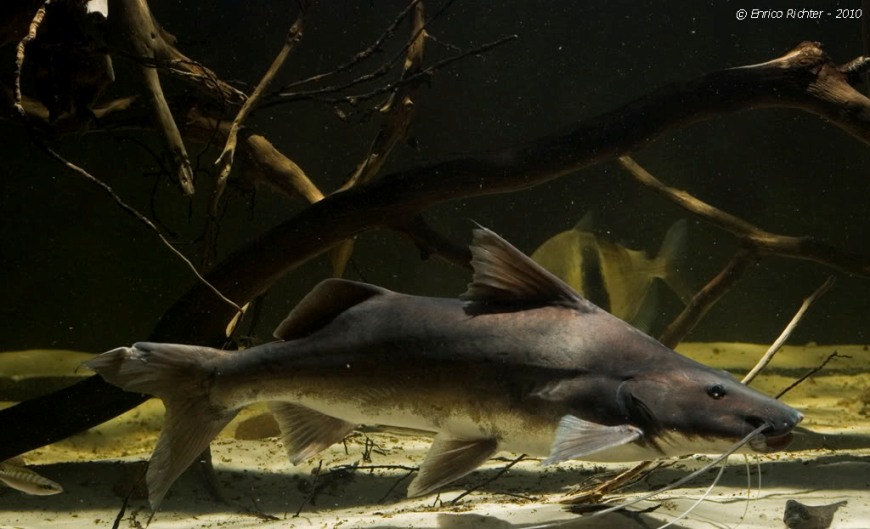
Brachyplatystoma vaillantii
Valenciennes, 1840
This rich feeding ground is exploited until the sea water returns, at which point the catfishes begin to migrate upstream in massive numbers, moving up the Amazon and its tributaries. Sexually mature individuals are not normally recorded during these events so they're thought related to feeding and dispersal rather than spawning. The fish are subject to intensive capture by commercial and artisanal fishing operations during this upstream movement.