Genus
Leptobotia
- Species
- 6
- Photographed
- 6 of 6
- Difficulty rated
- 6 of 6
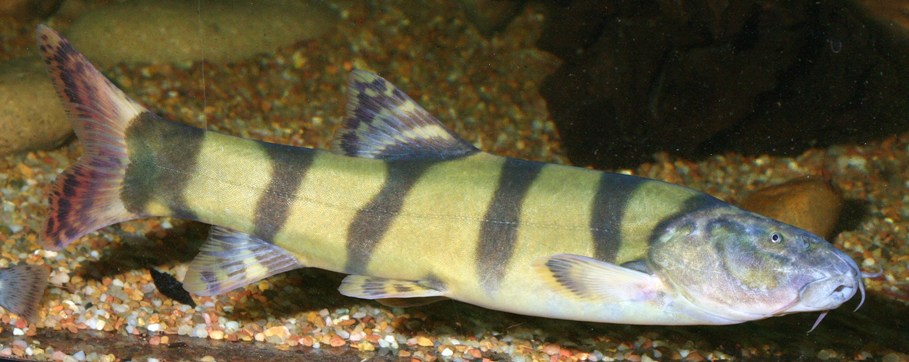
Leptobotia elongataImperial Flower Loach
Bleeker, 1870
This species is rare in the aquarium trade, increasingly so in nature and as a result prohibitively expensive when available. Given its adult size and probable longevity this is therefore a species for the specialist possessing the necessary time, money and dedication to house it long term.
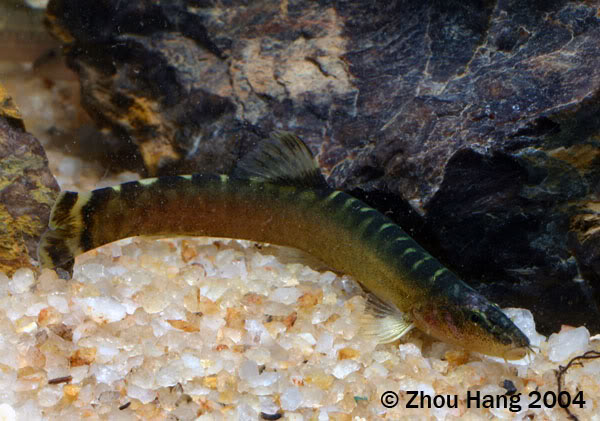
Leptobotia guilinensis
Chen, 1980
L. elongata is the type species of the genus but according to current knowledge there exist 13 members in total, all of which are endemic to China and northern Vietnam. They're diagnosable by the following shared characters: possession of a simple (non-bifurcated), short sub-ocular spine not extending beyond the posterior edge of the eye; a laterally-compressed body; relatively deep caudal peduncle; pelvic fins reaching origin of anal-fin; anus below base of dorsal-fin and equidistant between pelvic and anal-fin origins.
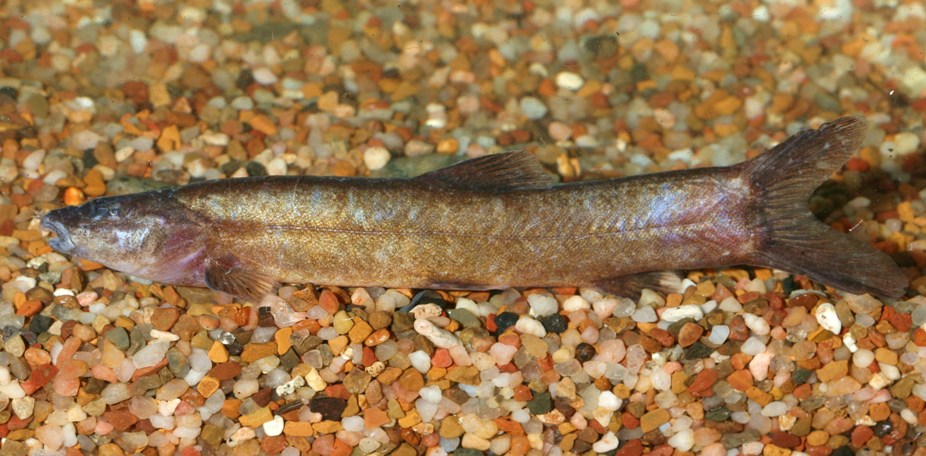
Leptobotia microphthalma
Fu & Ye, 1983
Superficially similar to L. tientainensis but according to the formal description can be separated by a combination of characters including: more deeply-forked caudal-fin (shortest central rays fit 2.6-2.9 times in the outer rays vs. 1.7-2.5 times); significantly smaller eye (fits 26 times in head length vs. 10 times); caudal-fin with 1-2 dark bands at lateral edges v...
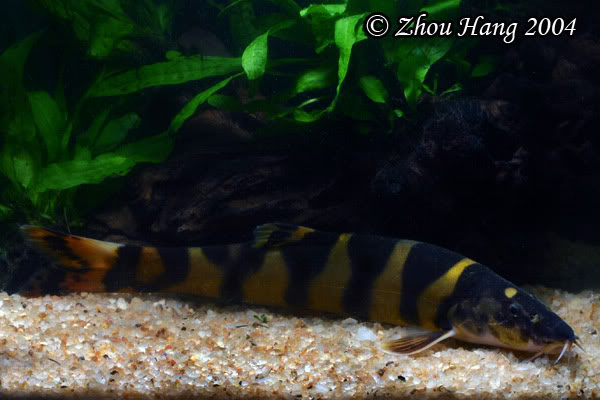
Leptobotia pellegrini
Fang, 1936
Described from Sichuan province, southwestern China (presumably the upper Yangzte River, aka Chang Jiang, drainage) and also known from parts of the Pearl River (Zhu Jiang) basin in Guangxi Autonomous Region. The latter area is one of the most populous and industrialised in China meaning much of the main river channel is now highly polluted. Its relatively wide distribution probably explains why it's commoner in the aquarium hobby than the similar-looking...
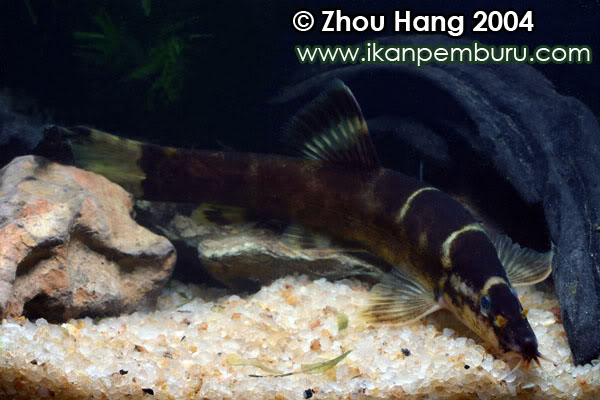
Leptobotia rubrilabris
Dabry de Thiersant, 1872
Should be kept in a set-up designed to resemble a flowing stream with a substrate of variably-sized rocks, gravel and some water-worn boulders. This can be further furnished with driftwood roots and branches arranged to form some shaded spots while lengths of PVC piping or similar can be used to provide additional cover. Although most plant species will fail to thrive in such surroundings hardy genera such as Microsorum, Bolbitis or Anubias spp. can be grown attached to the décor and bright lighting will promote the growth of aufwuchs.
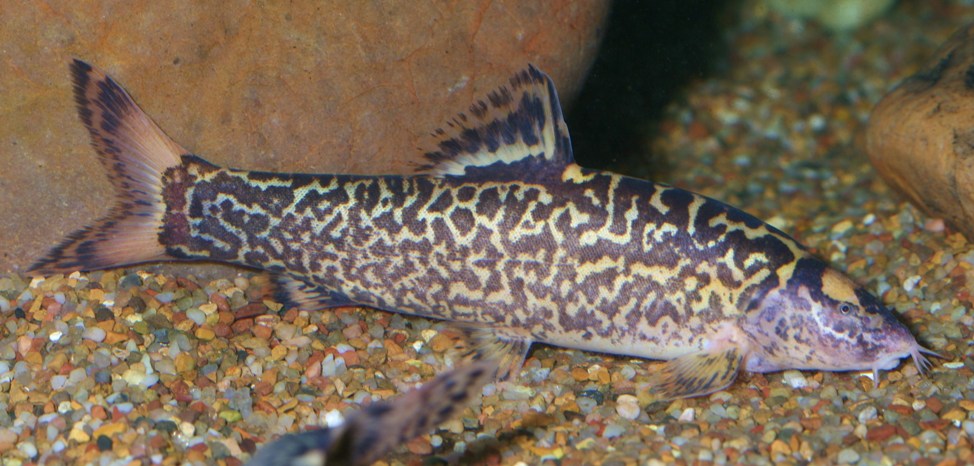
Leptobotia taeniops
Sauvage, 1878
L. taeniops is almost unheard of in the aquarium trade although we know of one or two private collectors maintaining it. It was previously included in the related genus Parabotia. L. elongata is the type species of the genus but according to current thinking there exi...