Genus
Microdevario
- Species
- 3
- Photographed
- 3 of 3
- Difficulty rated
- 3 of 3
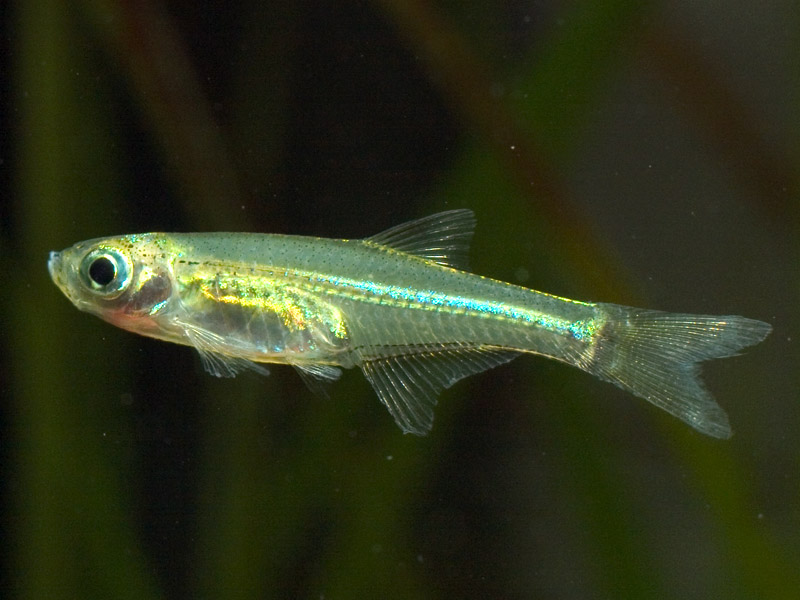
Microdevario gatesi
Herre, 1939
The genus Microdevario was raised by Fang et al. (2009) after phylogenetic analyses revealed that some species formerly included in Microrasbora to be more closely allied with Devario and in need of reclassification. Microdevario is largely separated from Devario and other closely related genera such as Chela and Laubuca by virtue of internal characters but also the following: small adult size; anal and dorsal fins with concave-shaped distal margin; absence of barbels; absence of perforated scales; 9-10 branched anal-fin rays; 7 branched dorsal-fin rays; less abdominal than caudal vertebrae.
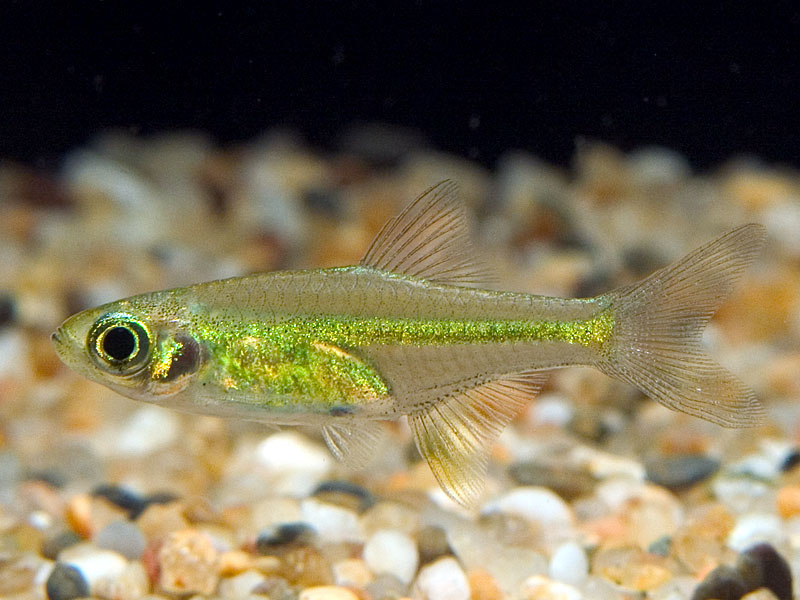
Microdevario kubotai
Kottelat & Witte, 1999
Apparently inhabits calm to moderately-flowing stretches of well-oxygenated headwaters and minor tributaries. Such habitats tend to comprise transparent water, substrates of sand, gravel, rocks, boulders, and patches of leaf litter, with submerged driftwood, roots of riparian vegetation, and aquatic vegetation in places.
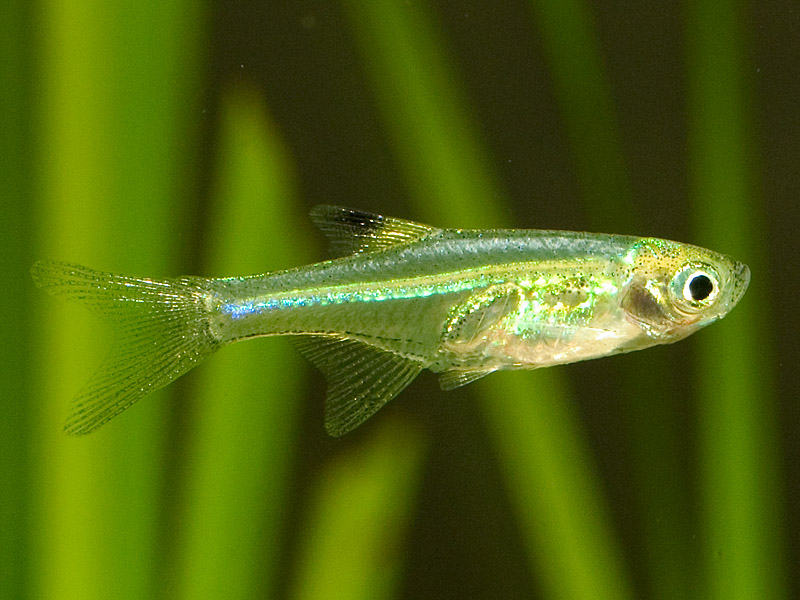
Microdevario nanus
Kottelat & Witte, 1999
Towards the Andaman Sea the lower part of the delta gives way to brackish mangrove swamps. The climate is wet, with annual precipitati0n of 1500 - 2500 mm, up to 90% of which falls between mid May and mid November, and warm with average air temperatures of 22 - 37 °C over the course of the year. At one locality M. nanus was collected in less then 30cm of water from an oxbow lake among floating Pistia-like vegetation and gra...