River
Itaya
13 profiles across 7 families name the Itaya as a locality.
- Species
- 13
- Families
- 7
- Photographed
- 13 of 13
- Difficulty rated
- 13 of 13
Basin
Also in the Amazon basinspecies recorded from both
Shares fishes with rivers elsewherespecies recorded from both
Runs through
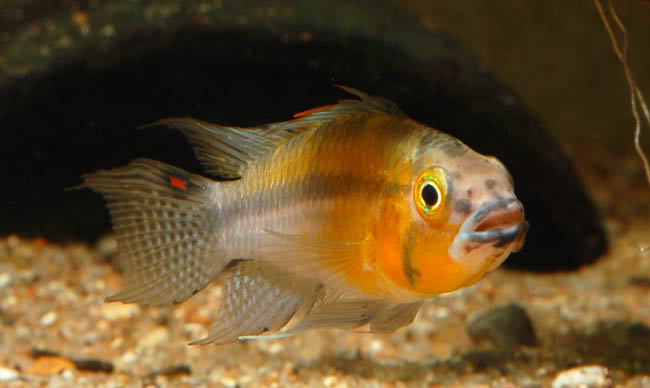
Apistogramma cacatuoidesCockatoo Cichlid
Cichlidae · Hoedeman, 1951
Numerous ornamental forms of this species have been selectively line-bred for the aquarium trade, vernacular names for which include "sunset", "sunburst", "double red", "triple red", "gold", "white gold", "orange flash" and "albino". It has also been assigned the 'A' number A200 under the DATZ system with possibly conspecific, related forms similarly numbered A201, A202 and A203 depending on locality. Th...
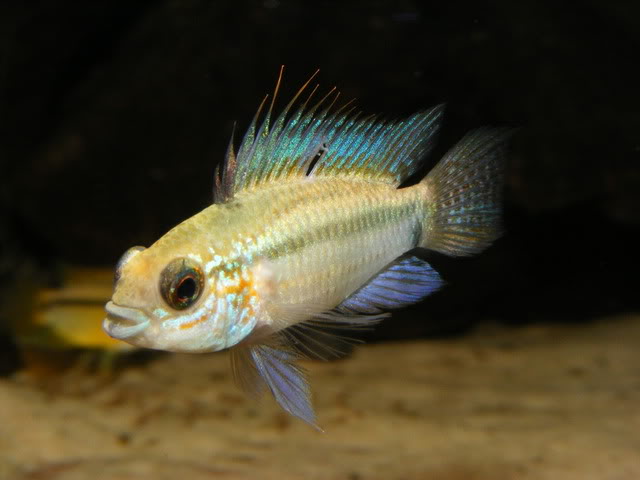
Apistogramma eremnopygeA218
Cichlidae · Ready & Kullander, 2004
Known only from Loreto region in northeastern (Amazonian) Peru. Type locality is 'Río Pintuyacu, 48 kilometers on road from Iquitos to Nauta, Río Itaya drainage, Province Loreto, Peru' and it's also been recorded from tributaries of the Nanay system in the same area. An additional population is known from the Río Tapiche, a tributary of the Río Ucayali located well over 150 km further south.
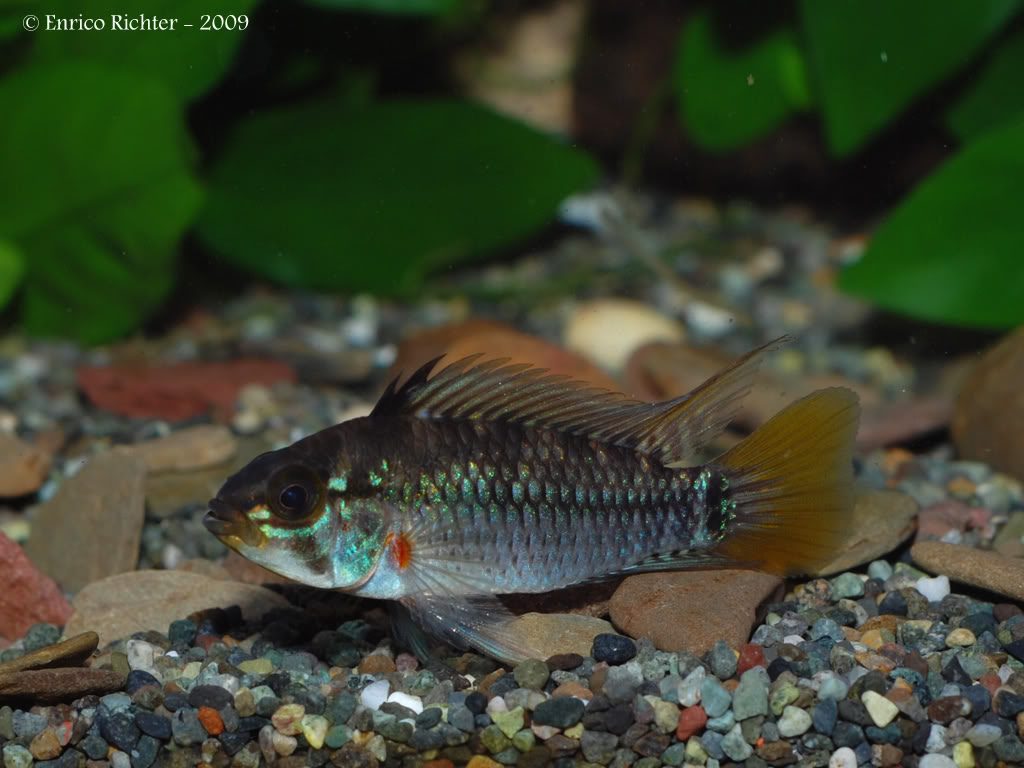
Apistogramma eunotus
Cichlidae · Kullander, 1981
The genus Apistogramma is among the most speciose of South American cichlid genera with around 70 species valid at present but many more awaiting description. In addition many species exist in two or more geographical colour forms which may or may not turn out to be distinct in the future. Hobbyists tend to label these with collection data if available in order to avoid mixing them and the potential of hybridisation.
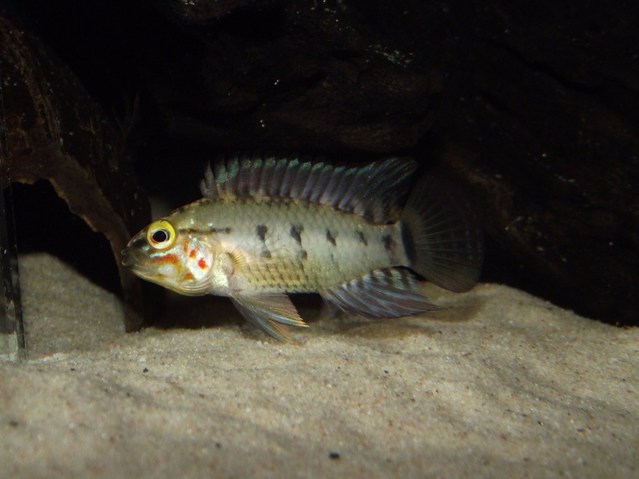
Apistogramma paulmuelleriA52
Cichlidae · Römer, Beninde, Duponchelle, García Dávila, Vela Díaz & Renno, 2013
This species is assigned the code A52 under the DATZ 'A' number system and is also known by the trade names A. sp. 'Apache', A. sp. 'Peru (II)', A. sp. 'Peru-regani', A. sp. cf. regani (Belém) and A. sp. 'carapintada'. Apistogramma is among the most speciose of South American cichlid genera with around 70 species valid at present but many more awaiting description. In addition many species exist in two or more geographical colour forms which may or ma...
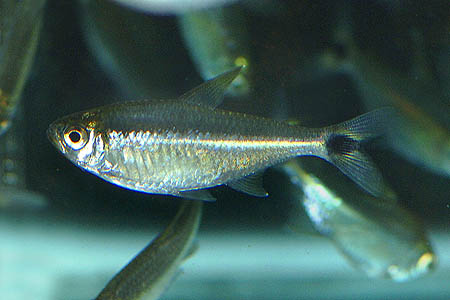
Astyanax kennedyiKennedy's Tetra
Characidae · Géry, 1964
Endemic to pthe upper Amazon basin in Peru, around the city of Iquitos. Most Astyanax spp. are not popular in the aquarium hobby, though the genus is among the most speciose within the family Characidae. A. kennedyi is no exception; you'll rarely see it offered for sale but may find the occasional specimen mixed among other species in shipments of wild fishes from Peru.
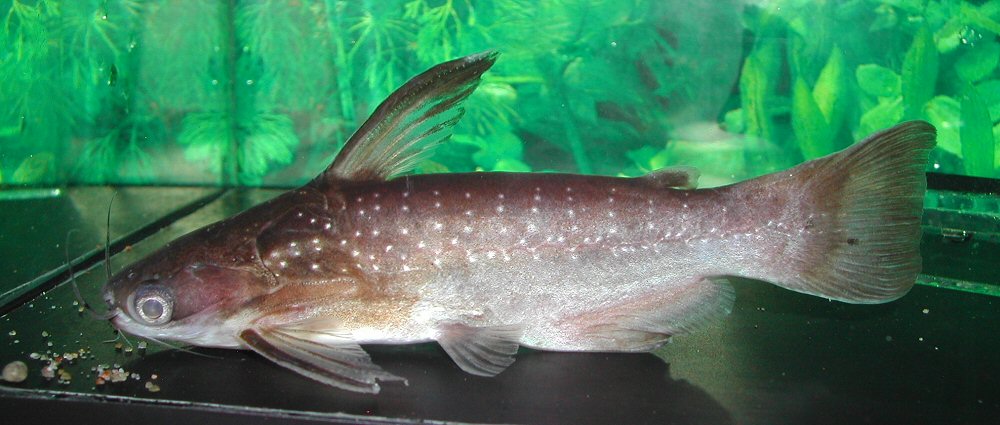
Auchenipterichthys coracoideusMidnight Catfish
Auchenipteridae · Eigenmann & Allen, 1942
This species is also known by the alternative vernacular name of 'Zamora woodcat', and is often misidentified as A. thoracatus. The latter is a valid species and very similar to A. coracoideus in that the coracoid bone is exposed ventrally and covered only by a thin layer of integument in both species. The two differ principally in the number of anal fin rays...
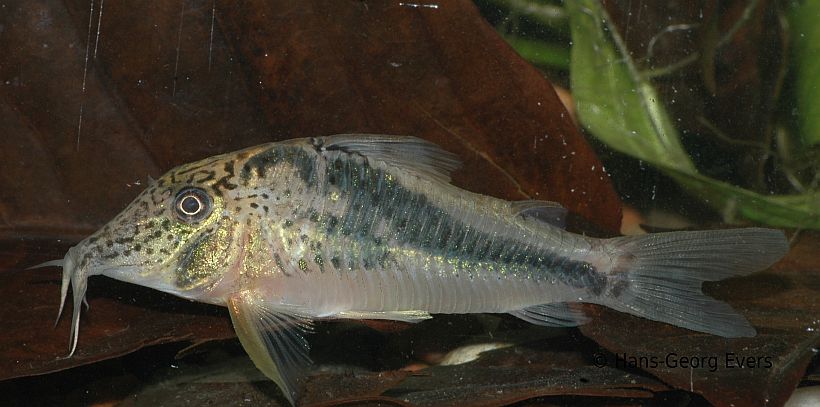
Corydoras fowleriFowler's Cory
Callichthyidae · Böhlke, 1950
In addition, the colour pattern in aquarium fish traded or identified as C. fowleri is highly variable, but it is unclear whether such differences represent diversity within or between populations. Nevertheless, colour pattern is typically used to distinguish them, with fish from Peru possessing a greater extent of dark pigmentation on the body generally referred to...
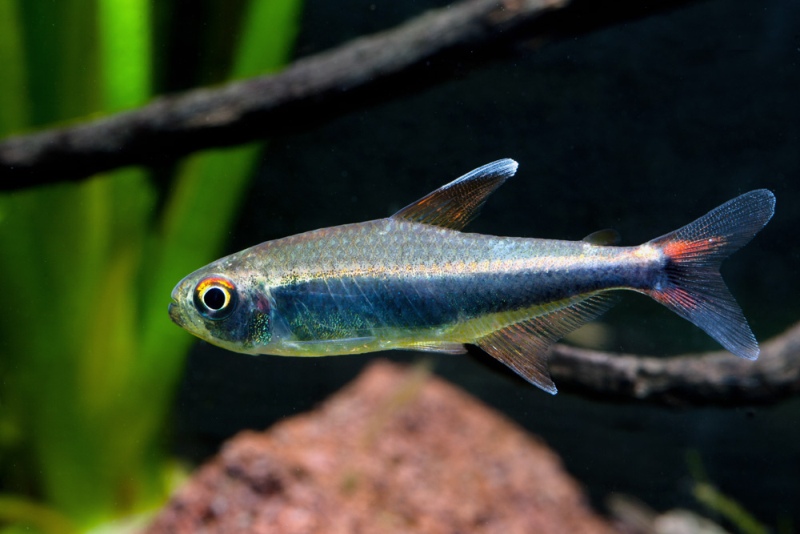
Hyphessobrycon peruvianusPeruvian Tetra
Characidae · Ladiges, 1938
This species is available on a relatively regular basis, although it's sometimes confused with the similar-looking congeners H. loretoensis and H. metae. It can be identified via the following combination of characters as per Géry (1977): elongate in shape with body depth fitting 3.8-3.9 times in its standard length; caudal peduncle narrow, its depth fitting 1.8 times in its length; head short, interorbital broad, snout short and rounded; dorsal-fin insertion an...
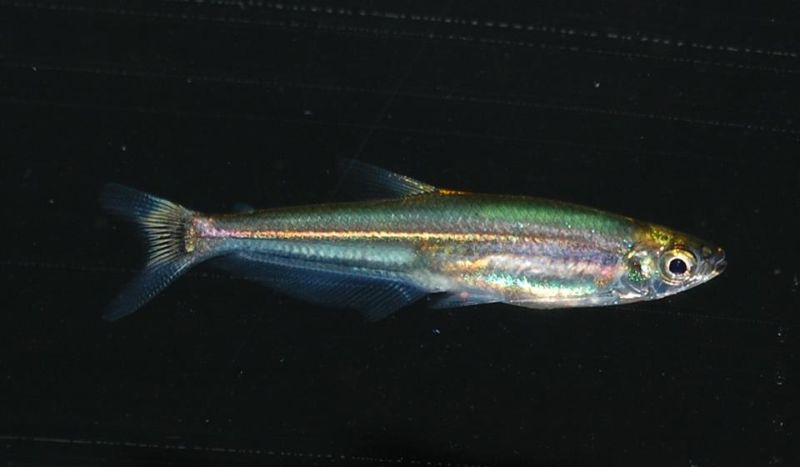
Iguanodectes spilurusGreen Line Lizard Tetra
Iguanodectidae · Günther, 1864
Widely-distributed throughout the Amazon, Orinoco, Essequibo, and Tocantins river systems in Brazil, Peru, Bolivia, Ecuador, Colombia, Venezuela, and Guyana. Type locality is 'Rio Cupai [= Rio Cupari], Rio Tapajós basin, Amazon River drainage, Pará State, Brazil'.
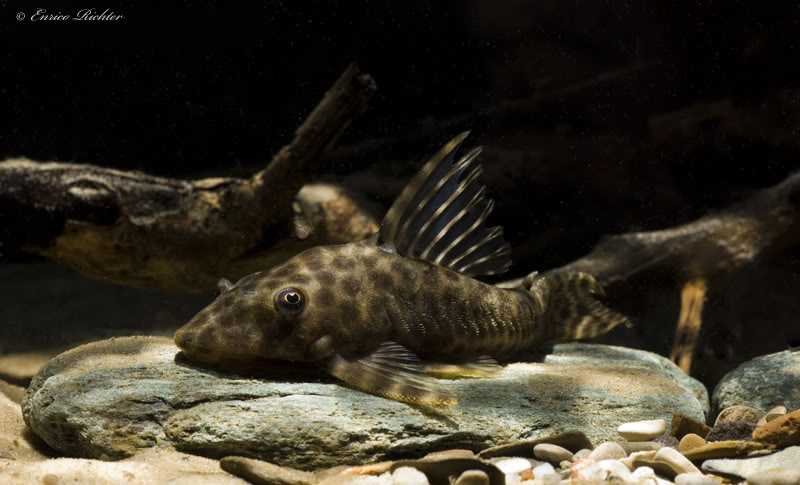
Peckoltia bachiL146
Loricariidae · Boulenger, 1898
This species has had several L-numbers assigned to it, with L146 collected from an unspecified locality in Colombia and L232 from the Río Putomayo/Içá. It's exported for the aquarium trade under a number of different generic names including Hemiancistrus, Sophiancistrus and Peckoltichthys. Following Armbruster (2008) it can be to...
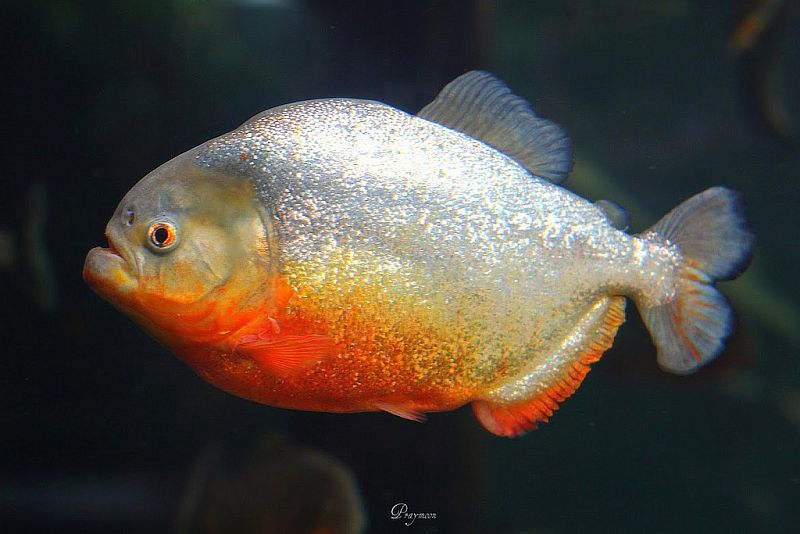
Pygocentrus nattereriRed Bellied Piranha
Serrasalmidae · Kner, 1858
Famed as a rapacious predator capable of rapidly stripping flesh from bone and a danger to any animal entering its native waters, P. nattereri is among the most notorious freshwater fishes in the world. As a result, displays featuring this “bloodthirsty” creature are found in most public aquaria, grisly Hollywood movies have been released, and the species has become popular in the aquarium trade. Little of this infamy is based on factual evidence, however.
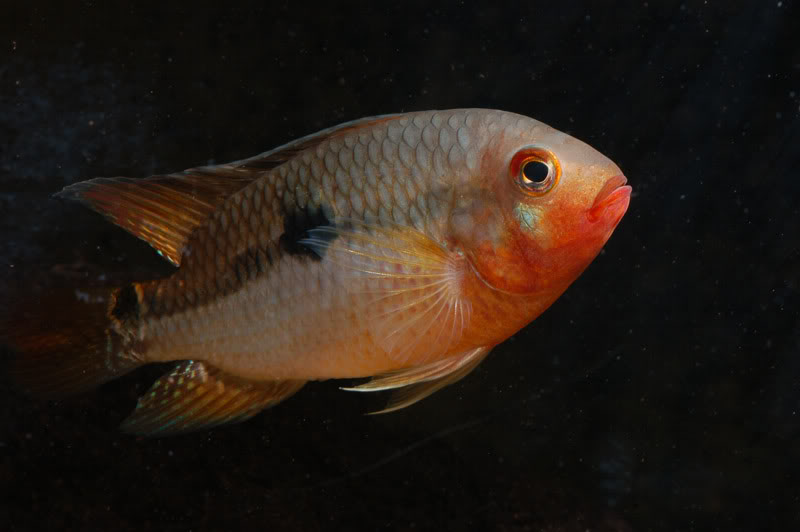
Aequidens tetramerusSaddle Cichlid
Cichlidae · Heckel, 1840
This is the type species of the genus Aequidens and has the widest distribution of any member species. It exists in various colour forms depending on locality with variants from Ecuador and Peru being particularly sought after since they develop striking red (Ecuador) or orange (Peru) colouration on the lower part of the jaw, head and anterior portion of the belly whereas those from Brazil tend to have an overall grey/blue/green colouration, for example. Despite its type status it's long...
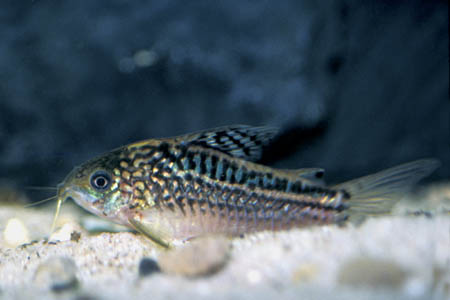
Corydoras elegansElegant Cory
Callichthyidae · Steindachner, 1876
This species is popular in the aquarium hobby and unlike the majority of congeners tends to spend a fair amount of time away from the substrate, often forming groups in midwater. It has been placed in the unofficial 'C. elegans group', which contains a number of species exhibiting similarities in morphology and colour pattern, some of which remain unidentified in scientific terms.