Results for “congener”
Type a name: scientific, common, or one a species used to go by. Or narrow the catalogue with the filters.
Filters
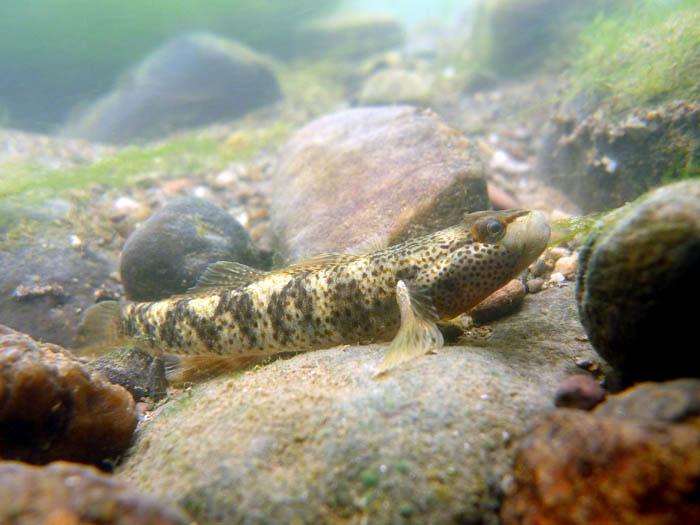
Rhinogobius mekongianus
Pellegrin & Fang, 1940
Max length50mm SL2.0in SLTank60 × 30cm24 × 12inTemp18–26°C64–79°FpH6.0–7.5Known from various parts of the middle and upper Mekong river basins with record existing from the Nam Tha, Nam Ou, Nam Khan, Nam Lik, Nam Ngum and Nam Mang tributary systems in Laos, the Nam Noeua (a tributary of Nam Ou) in Vietnam, and the Mae Nam Kok in Thailand. Occurrences in the Chao Phraya drainage in central Thailand most likely refer to the congener R. chiengmaiensis.
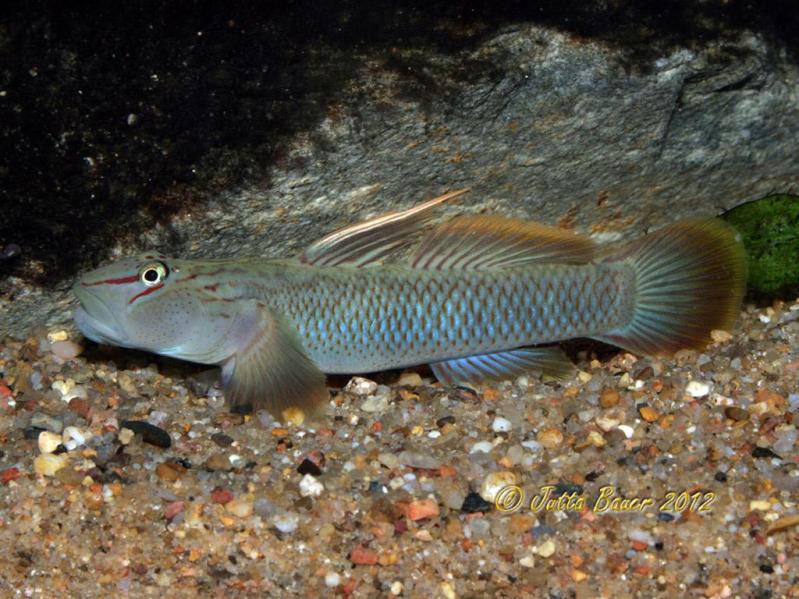
Rhinogobius nantaiensis
Aonuma & Chen, 1996
Max length55mm SL2.2in SLTank60 × 30cm24 × 12inTemp18–28°C64–82°FpH6.0–8.0This fish is normally imported alongside the congener R. candidianus and is actually the commoner of the two in the aquarium trade. It looks very similar to R. candidianus but does not grow as large and possesses a more rounded snout. Most specimens also have spot-like markings on the sides of the head which has led to them being identified as R. nantaiensis, but the fish do no...
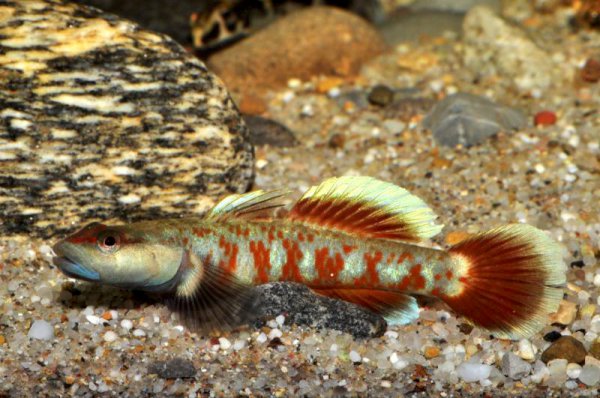
Rhinogobius zhoui
Li & Zhong, 2009
Max length36mm SL1.4in SLTank60 × 30cm24 × 12inTemp19–24°C66–75°FpH7.0–7.8This species has been in the aquarium trade since 2010 and is sold under several names including 'Chinese vermilion goby', 'Zhou's scarlet goby', 'scarlet goby', and 'flame goby'. It can be told apart from congeners by the following combination of characters: second dorsal-fin rays I, 8-9; anal-fin rays I, 7-8; pectoral-fin rays 16-18; longitudinal scale series 29-31; predorsal scales 10-12; vertebral count 10+16=26.
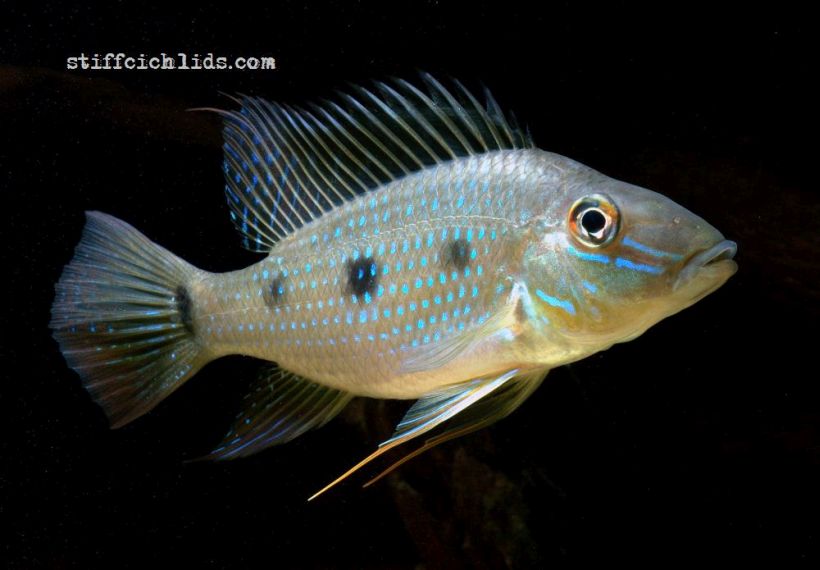
Satanoperca acuticepsSharphead Eartheater
Heckel, 1840
Max length170mm SL7in SLTank180 × 60cm72 × 24inTemp20–28°C68–82°FpH5.5–7.5This species is relatively rare in the ornamental trade, where it is sometimes confused with its similarly-patterned congeners S. daemon and S. lilith. These three species all possess 1-3 dark blotches on the side of the body and a relatively large ocellus on the upper caudal-fin base, characters that immediately separate them from the remainder of the genus which lack blotches on the body and have a relatively small ocellus on the upper caudal-fin base.
Satanoperca leucostictaWhitespot Eartheater
Müller & Troschel, 1849
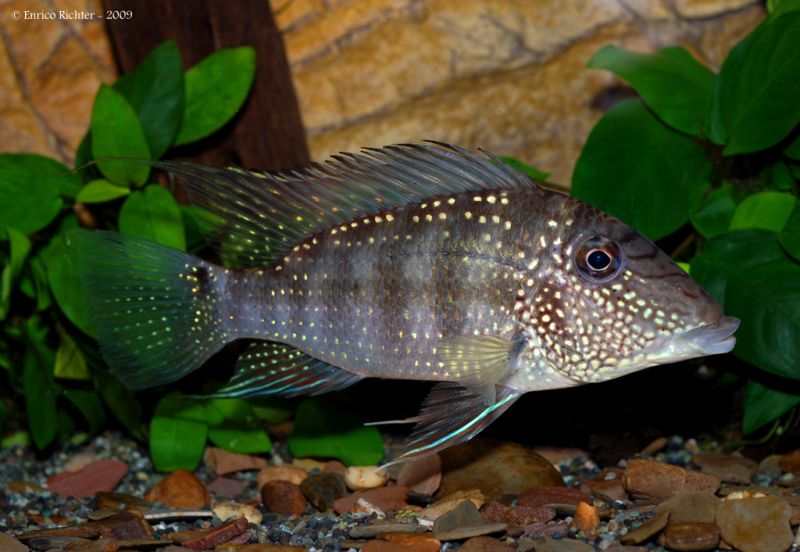
Max length150mm SL6in SLTank180 × 60cm72 × 24inTemp20–28°C68–82°FpH5.5–7.5S. leucosticta is frequently available in the ornamental trade and farmed for the purpose in several countries. It is often confused with its congener S. jurupari in aquarium literature and on websites, but is easily recognised by presence (vs. absence) of prominent white spots or vermiform markings on the sides of the head. Although the presence of white spots on the head does not distinguish it from all known Satanoperca populations (see below), it can...
Satanoperca pappaterraPantanal Eartheater
Heckel, 1840
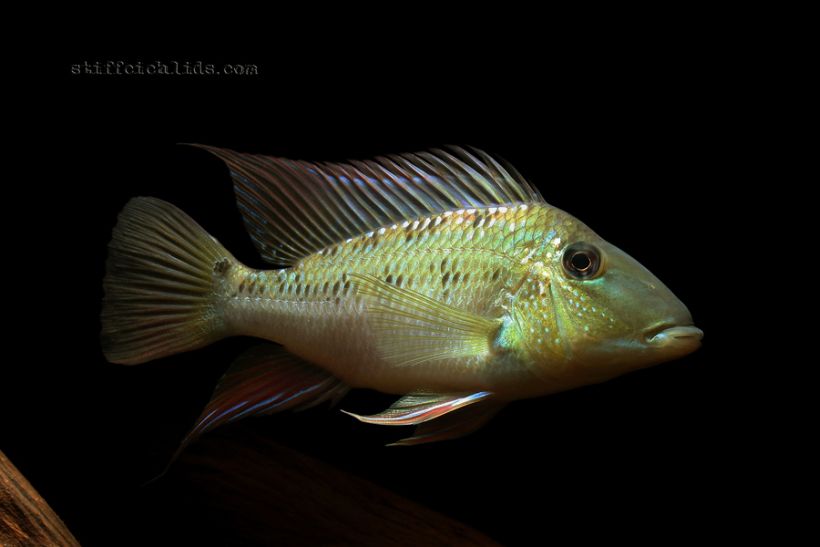
Max length200mm SL8in SLTank210 × 60cm84 × 24inTemp20–28°C68–82°FpH5.5–7.5S. pappaterra is relatively rare in the ornamental trade and much sought after by enthusiasts. It is easily distinguished from all known congeners by presence of a series of prominent black blotches beneath the dorsal-fin, plus a well-defined dark band extending along the side of the body. In recent genetic analyses its genetic distinctness was strongly supported, with S. jurupari and S. leucosticta its closest relatives.
Schistura balteataSumo Loach
Rendahl, 1948
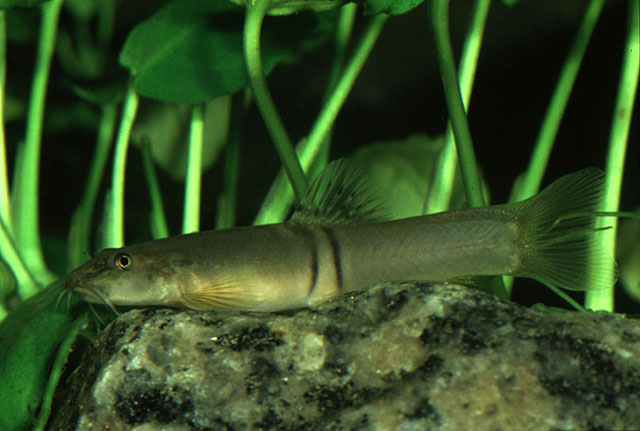
Max length80mm SL3.1in SLTank90 × 30cm36 × 12inTemp22–26°C72–79°FpH6.0–7.5This species is quite uncommon in the aquarium hobby although its name is sometimes used in reference to the similar-looking, apparently undescribed congener S. cf. balteata, and both are also traded as 'sumo loach', 'tri-banded sumo loach', and 'orange saddle-back loach'. Following Kottelat (1990) it's diagnosed by the following combination of characters: unique colour pattern consisting of two da...
Schistura disparizona
Zhou & Kottelat, 2005
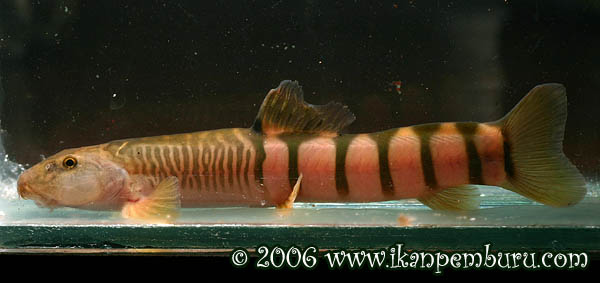
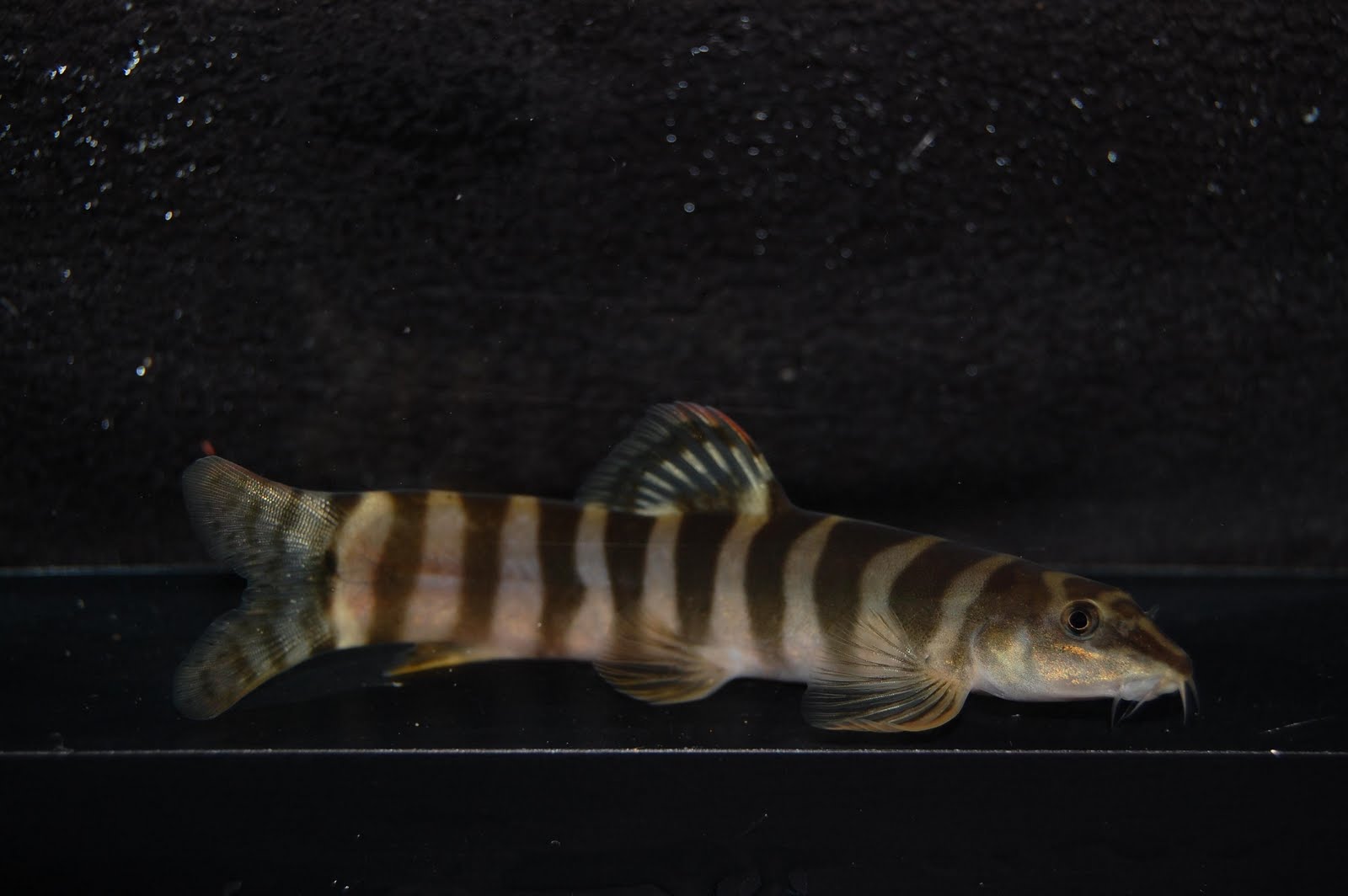
Max length96mm SL3.8in SLTank120 × 30cm48 × 12inTemp18–25°C64–77°FpH6.0–8.0Can be told apart from congeners by its colour pattern which consists of 8-11 closely-set, narrow dark bars in the anterior part of the body and 5 wider bars in the posterior part. It also possesses prominent dorsal and ventral adipose crests on the caudal peduncle and 9½ branched dorsal-fin rays.
Schistura hypsiuraSuper Convict Loach
Bohlen, Ŝlechtová & Udomritthiruj, 2014
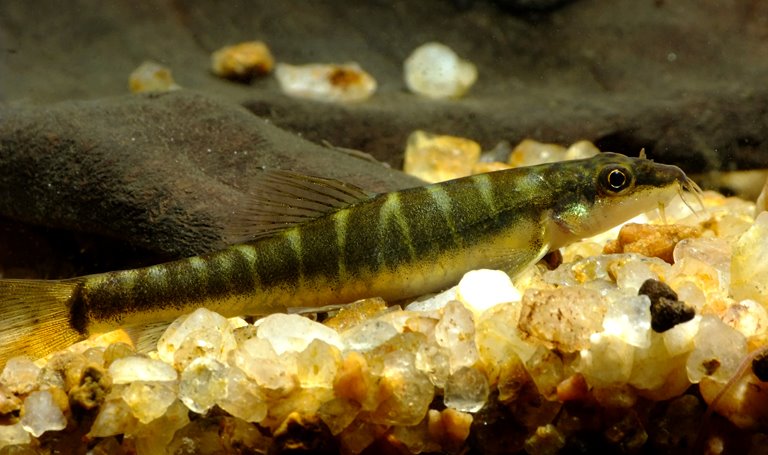
Max length73mm SL2.9in SLTank80 × 30cm31 × 12inTemp18–24°C64–75°FpH6.0–7.5It can be distinguished from congeners by the following combination of characters: caudal peduncle deep, ≥ the deepest part of the remainder of the body; no dorsal or ventral skin crests along the caudal peduncle; caudal-fin deeply forked, the outermost principal rays in the upper and lower lobes more than twice the length of the innermost: suborbital flap in males present; a well-developed suborbital groove in females; 6–8 very regular bars along the flank.
Schistura savonaHalf-banded Loach
Hamilton, 1822
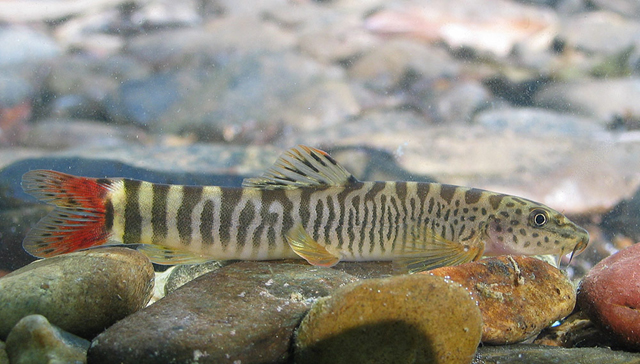
Max length50mm SL2.0in SLTank60 × 30cm24 × 12inTemp15–24°C59–75°FpH6.5–8.5This species is seen in the aquarium trade on a relatively frequent basis and is sometimes sold as 'bicolor loach' in the United States. It can be distinguished from congeners by its unique colour pattern comprising 9-10 thin, yellowish bars on a dark background in the upper part of the body, and plain whitish colouration in the lower portion.
Schistura vinciguerrae
Hora, 1935
Max length75mm SL3.0in SLTank90 × 30cm36 × 12inTemp20–26°C68–79°FpH6.0–7.5This species is traded on a fairly regular basis and is similar in appearance to some congeners, most notably S. bella, S. mahnerti, S. multifasciata, S. poculi, S. reticulata, S. longa, S. conirostris and S. udomritthiruji. This assemblage has been referred to as the Schistura multifasciata 'group', and members share a...
Scleropages formosusAsian Arowana
Müller & Schlegel, 1840
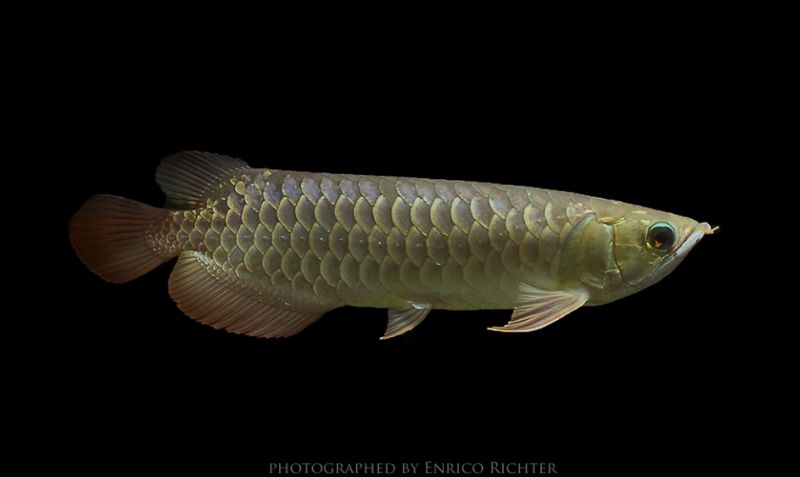
Max length900mm SL35in SLTanknot recordedTemp22–28°C72–82°FpH5.0–8.0This species is distinguished from its Australian congeners S. jardinii and S. leichardti by possessing a lower number of lateral line scales (21-26 vs 32-36). It occurs naturally in a number of colour forms of which three were elevated to distinct species status in 2003, but the current majority view is that all represent S. formosus pending a detailed review. Kottelat (2013) mentions that the red form may...
Semaprochilodus insignisFlagtail Prochilodus
authority not recorded
Max length350mm SL14in SLTank150 × 60cm60 × 24inTemp23–29°C73–84°FpH5.5–7.2Semaprochilodus are one of the most common and widespread shoaling fish found in South America. Over a dozen species have been described but most are never imported. They are used as food fish in their native countries. It makes a stunning addition to a community of larger fish. Along with some congeners, S. insignis is commonly known as the Jaraqui in Brazil. It is an interesting species both ecologically and biologically. In nature it migrates over large distances in huge shoals according ...
Semaprochilodus taeniurusFlagtail Characin
authority not recorded
Max length300mm SL12in SLTank150 × 60cm60 × 24inTemp23–29°C73–84°FpH5.5–7.5Semaprochilodus are one of the most common and widespread shoaling fish found in South America. Over a dozen species have been described but most are never imported. They are used as food fish in their native countries. It makes a stunning addition to a community of larger fish. S. taeniurus is also sold as the Silver Prochilodus or Fei Feng. Along with some congeners, it is commonly known as the Jaraqui in Brazil. It is an interesting species both ecologically and biologically. In nature it...
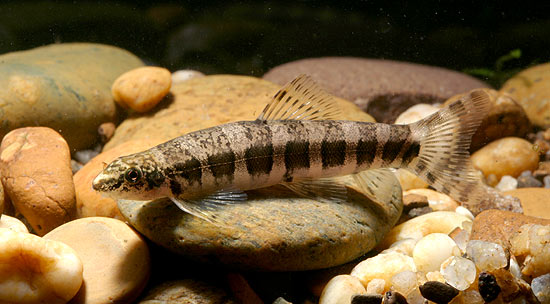
Serpenticobitis zonata
Kottelat, 1998
Max length50mm SL2.0in SLTank75 × 30cm30 × 12inTemp26°C79°FpH6.0–7.0Fish sold under the name S. zonata are sporadically available in the aquarium trade but the majority appear to be the congener S. octozona. The genus currently contains just three members all of which are known only from the Mekong basin. S. octozona is the type species and separ...
Serrasalmus serrulatus
authority not recorded
Max length190mm SL7in SLTank120 × 45cm48 × 18inTemp24–28°C75–82°FpHnot recordedThere are currently 24 described species of Serrasalmus, many of which look superficially similar. S. serrulatus occupies a particularly confusing taxonomic position and is very tricky to identify positively. According to scientific literature it is very close in appearance to several congeners, most notably S. eigenmanni, S. hollandi, S. humeralis and S. nalseni. The separation of these is largely based on geographical range and it's possible that some of them may turn out to be synonymous...
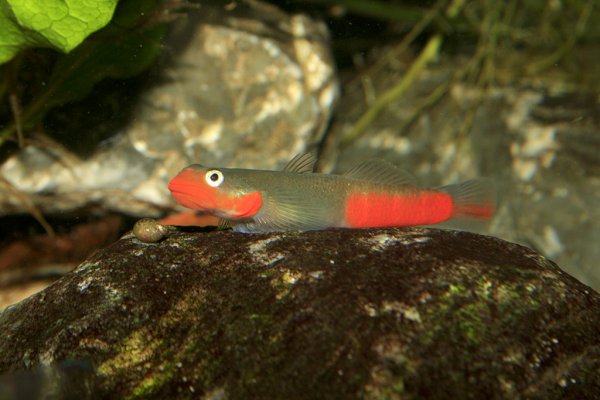
Sicyopus exallisquamulus
Watson & Kottelat, 2006
Max length52mm SL2.0in SLTank60 × 30cm24 × 12inTemp22–28°C72–82°FpH6.5–7.5Live colouration of this species was not included in the original description but the specimens in our images were identified by Dr. Ronald E. Watson, the principal author, as S. exallisquamulus. It's normally misidentified and traded as the Sri Lankan endemic species Sicyopus jonklaasi. It is diagnosable from congeners by the following combination of characters: 14-15 pectoral-fin rays; both genders exhibit small, widely-spaced scales...
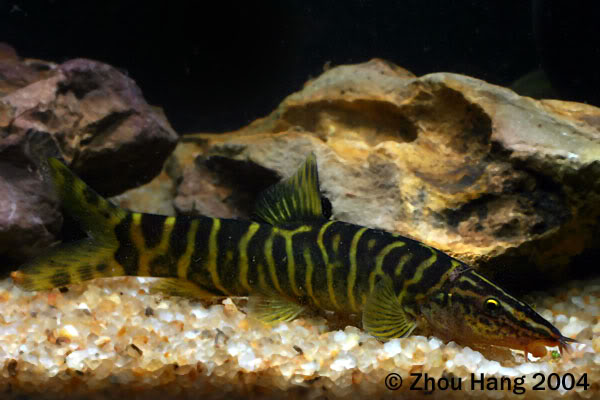
Sinibotia pulchraGolden Zebra Loach
Wu, 1939
Max length110mm SL4in SLTank120 × 30cm48 × 12inTemp20–25.5°C68–78°FpH6.5–8.0This species is also sold under the vernacular names 'golden Chinese loach' and '12-banded Chinese loach'. Along with S. robusta it's the most commonly-traded member of the genus, and the two are often imported in mixed batches, presumably because they occur and are thus collected together in nature. Like most congeners it has a highly flexible, sinuous body which makes it very interesting to observe. S. pulchra can be differentiated from...
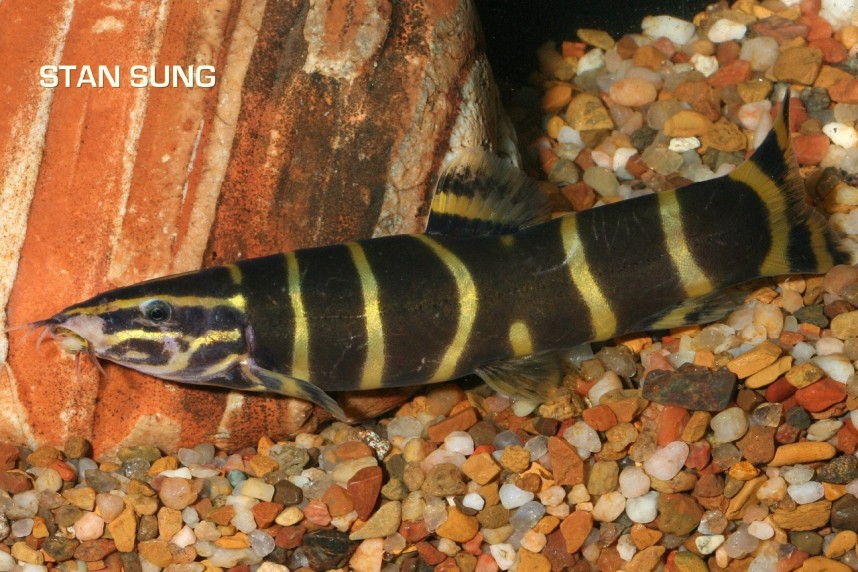
Sinibotia reevesae
Chang, 1944
Max length95mm SL3.7in SLTank120 × 30cm48 × 12inTemp20–25.5°C68–78°FpH6.5–8.0This species not often seen in the aquarium trade and is apparently rare in its natural waters, with the occasional individual imported as bycatch in shipments of S. pulchra or S. robusta, or by private collectors. Like others in the genus it has a highly flexible, sinuous body which makes it very interesting to observe. It's told apart from congeners by the following combination of chara...
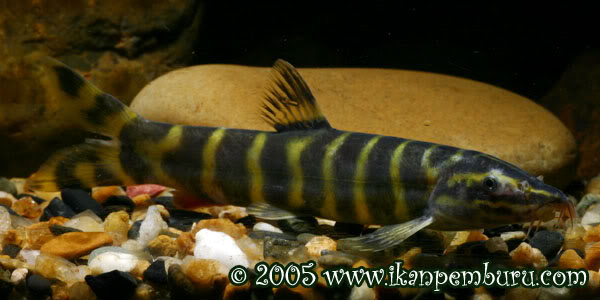
Sinibotia superciliaris
Günther, 1892
Max length110mm SL4in SLTank120 × 30cm48 × 12inTemp20–25.5°C68–78°FpH6.5–8.0This species is rarely-seen in the trade due to a relative lack of commercial exports from the middle Yangtze basin. It looks very similar to S. pulchra but can be told apart by the fact it lacks irregular, brownish markings and spots on the side of the head (vs. present in S. pulchra), and like most congeners it has a highly flexible, sinuous body which makes it very interesting to observe.