Results for “predator”
Type a name: scientific, common, or one a species used to go by. Or narrow the catalogue with the filters.
Filters
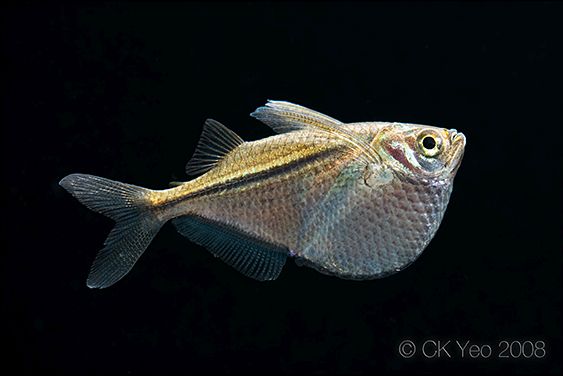
Gasteropelecus sterniclaCommon Hatchetfish
Linnaeus, 1758
Max length40mm SL1.6in SLTank120 × 30cm48 × 12inTemp20–28°C68–82°FpH5.0–7.5This species spends almost all of its time at or just below the water surface, although it will sometimes retreat into midwater if threatened or feeding. Like other freshwater hatchetfishes, it is renowned for its ability to leap from the water surface and glide for distances of several metres. This behaviour is used both to catch flying insects, and to escape potential predators.
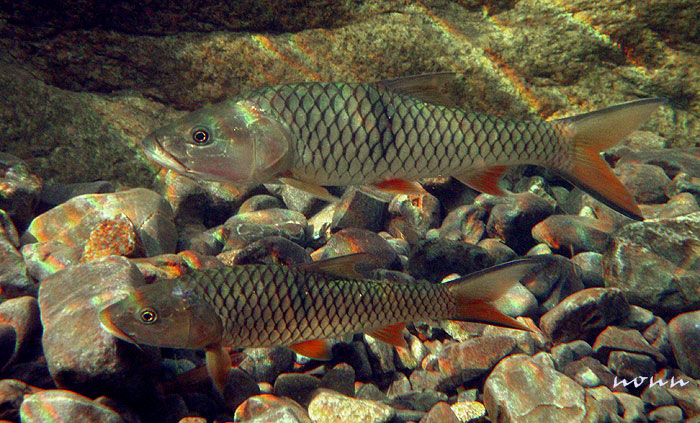
Hampala macrolepidotaHampala Barb
Kuhl & van Hasselt, 1823
Max length700mm SL28in SLTanknot recordedTemp20–26°C68–79°FpH5.5–8.0This species is also known by the vernacular 'jungle perch' or 'sidebar barb' and should not be considered an aquarium subject in all but the most extreme circumstances since it can grow to over 2 feet in length, weigh in excess of 5 kg and is a powerful, pelagic predator. It's also a popular sport fish with a reputation for striking hard.
Hemichromis elongatusFive Star General
authority not recorded
Max length150mm SL6in SLTanknot recordedTemp22–25°C72–77°FpH6.5–7.5A real bruiser of a cichlid, H. elongatus is not seen for sale very often, and with good reason. Pound for pound it must rank as one of the most aggressive cichlids available in the hobby. It is such an efficient predator that, in some of its native countries, it is used to control populations of Tilapia. As a result it's definitely not recommended for the inexperienced aquarist. The common name is derived from the row of 5 dark markings that run laterally along the flanks of the fish. I...
Hepsetus odoeAfrican Pike Characin
authority not recorded
Max length700mm SL28in SLTank180 × 60cm72 × 24inTemp25–28°C77–82°FpH6.0–7.5The only species in the genus, and a popular game fish in its native range, H. odoe superficially resembles our native European Pike. It is an ambush predator with a fearsome set of teeth, and should be handled very carefully, particularly when maintaining its tank. Although juvenile specimens have become relatively common in the trade in the last few years, this is strictly a species for the specialist who is able to provide it with a suitably large aquarium and the correct conditions. In sm...
Hoplerythrinus unitaeniatusGold Wolf Fish
authority not recorded
Max length400mm SL16in SLTanknot recordedTemp23–27°C73–81°FpH5.5–7.5Also known as the golden trahira, H. unitaeniatus is the only one of the three recognised species currently in the genus to appear in the trade with any regularity. It's really a fish suitable only for the specialist, and as with any predatory species, care must be taken when performing tank maintenance. It's a representative of an ancient group of fishes, and possesses a modified, highly vascularised swim bladder that acts as an accessory breathing organ, allowing the fish to survi...
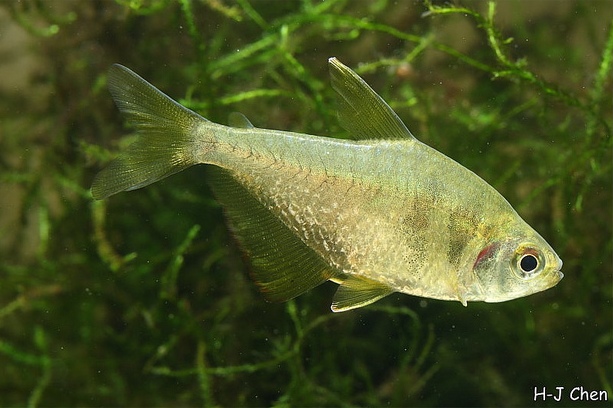
Hyphessobrycon bifasciatusYellow Tetra
Ellis, 1911
Max length45mm SL1.8in SLTanknot recordedTemp20–25°C68–77°FpH5.0–7.5Generally peaceful making it an ideal resident of the well-researched community aquarium. It is perhaps best-maintained alongside similarly-sized characids, gasteropelecids, lebiasinids, smaller callichthyid or loricariid catfishes and non-predatory, medium-sized cichlids. Try to buy a mixed-sex group of at least 8-10 specimens, incl...
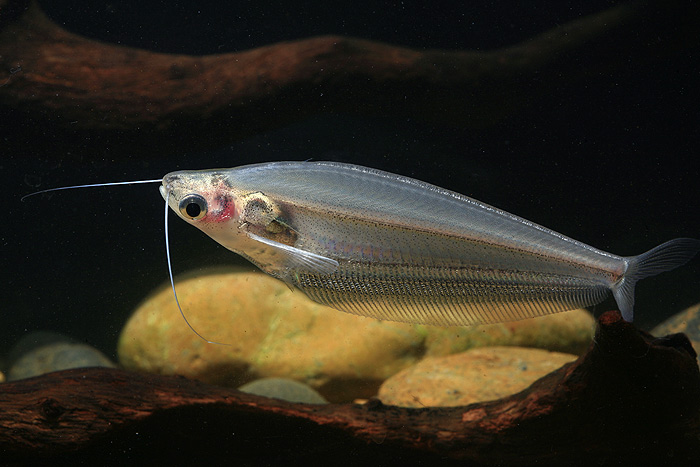
Kryptopterus bicirrhis
Valenciennes, 1840
Max length150mm SL6in SLTank120 × 45cm48 × 18inTemp20–28°C68–82°FpH6.0–7.5Generally peaceful though it may predate on smaller fishes and is somewhat timid so does not compete well with much larger, robust or otherwise boisterous species. Peaceful, comparably-sized cyprinids, loaches and other catfishes perhaps constitute the best options but be sure to research your choices thoroughly prior to purchase.
Lates niloticusNile Perch
authority not recorded
Max length1930mm SL76in SLTanknot recordedTemp22–28°C72–82°FpH7.0–8.5This species has been introduced into many areas in Africa for commercial purposes, and it's had a hugely detrimental effect on local fish populations in some of these environments. The most notable case is that of Lake Victoria, where much of the endemic cichlid population has been wiped out. L. niloticus is thought to have directly contributed to the extinction of over 200 endemic species in the lake by predation, or outcompeting them for food. The IUCN have included it in their list of t...
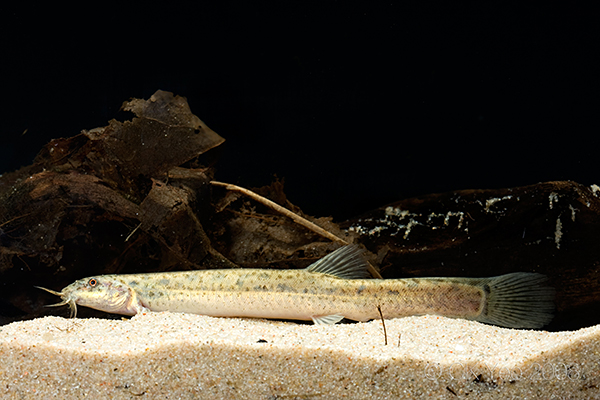
Misgurnus anguillicaudatusOriental Weather Loach
authority not recorded
Max length280mm SL11in SLTank120 × 45cm48 × 18inTempnot recordedpH6.0–8.0An exceptionally hardy and adaptable species tolerant of a wide range of physiological variables and flexible of diet, factors which have allowed it to become established as an alien species around the globe. Its high reproductive potential and low vulnerability to predation have made it a cause for concern to conservation scientists although as yet there remains no proof of it exerting a negative effect on native fishes in countries outside its natural range.
Neolamprologus sexfasciatusSix-barred Lamprologus
authority not recorded
Max length150mm SL6in SLTanknot recordedTemp23–27°C73–81°FpH7.5–9.0Several geographical morphs of this species are available, including "Sambia" and "Kipili". These vary in base colour from blue to yellow to white. It is not recommended for the general Tanganyikan community due to its aggressive and predatory nature....
Nimbochromis livingstonii
authority not recorded
Max length250mm SL10in SLTank120 × 45cm48 × 18inTemp24–28°C75–82°FpH7.6–8.8Not a fish for the general Malawi cichlid community, N. livingstonii is an ambush predator in nature, often being seen hanging motionless around rocky structures, in Vallisneria thickets or on the floor of the lake. It is a sedentary species and does not move around a lot. This is a behavioural adaptation known as thanatosis, or 'playing dead'. This strategy is usually used as for defensive means in other animals but in N. livingstonii is adapted for offensive means. The fish has a mot...
Nimbochromis venustusVenustus
authority not recorded
Max length250mm SL10in SLTank120 × 45cm48 × 18inTemp24–28°C75–82°FpH7.6–8.8Not a fish for the general Malawi cichlid community, N. venustus is an ambush predator in nature. It is often found hanging motionless around rocky structures, in Vallisneria thickets or on the floor of the lake. It is a sedentary species and does not move around a lot. This is a behavioural adaptation known as thanatosis, or 'playing dead'. This strategy is usually used as for defensive means in other animals but in N. venstus is adapted for offensive means. The fish has a mottled col...
Oxyeleotris marmorataMarbled Goby
authority not recorded
Max length650mm SL26in SLTank150 × 60cm60 × 24inTemp22–28°C72–82°FpH6.5–7.5One of the largest goby species in the world, O. marmoratus is unsuitable for the vast majority of aquaria, but is an interesting oddball for the true enthusiast with the facilities to house it properly. It is a nocturnal ambush predator and generally remains motionless during daylight hours unless striking at food. It is a popular food fish in some of its native countries, where it is known as soon hock....
Pantodon buchholziAfrican Butterfly Fish
authority not recorded
Max length120mm SL5in SLTank90 × 30cm36 × 12inTemp23–30°C73–86°FpH6.0–7.5The common name of this surface-dwelling species is derived from it's appearance when viewed from above, the large pectoral fins giving it the appearance of a butterfly. In reality, these fins serve a dual purpose. They help to camouflage the fish, making it look like a dead leaf floating on the surface, and along with the caudal fin, power the incredible jumps that it is capable of making. The fish jumps from the water to catch flying insects or to escape potential predators and it can mak...
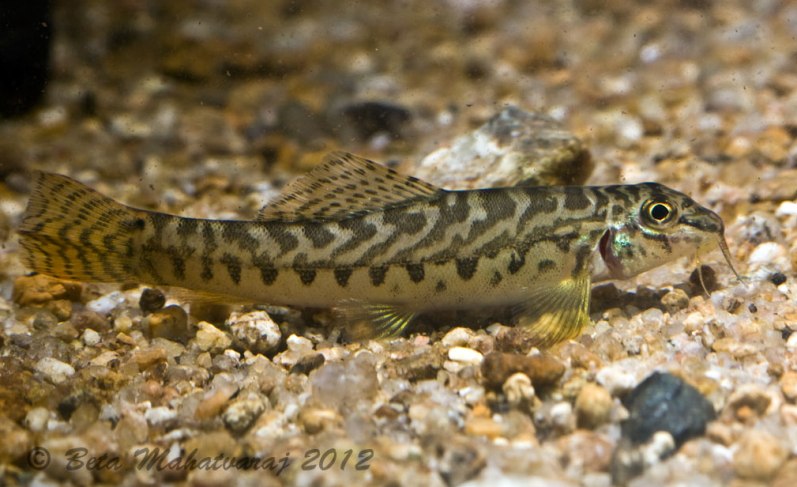
Paracanthocobitis botiaZipper Loach
Hamilton, 1822
Max length152mm SL6in SLTank75 × 30cm30 × 12inTemp21–26°C70–79°FpH6.0–7.5Traded under various names including 'mottled', 'eyepot', 'sand' and 'striped' loach. It's perhaps one of the better choices for those new to keeping nemacheilids being relatively hardy, peaceful and exhibiting some quirky behavioural traits. The characteristic ocellus, a dark marking at the top of the caudal peduncle that resembles an eye, is thought to have some function in predator distraction and is normally more intense in younger specimens.
Parachromis managuensisJaguar Cichlid
authority not recorded
Max length610mm SL24in SLTank120 × 38cm48 × 15inTemp23–25°C73–77°FpH6.0–8.0Parachromis Managuense are your typical north/central American large predatory cichlid. They are extremely attractive, but a large aquarium is required. They are not difficult to look after, as long as filtration is up to standard. Choose tankmates carefully - if you are hoping to breed Managuense, house a breeding pair or grow 6 juveniles up until a pair is formed. One of the biggest problems with breeding Managuense is the fact that a single spawn from 12" parents can produce 3000 f...
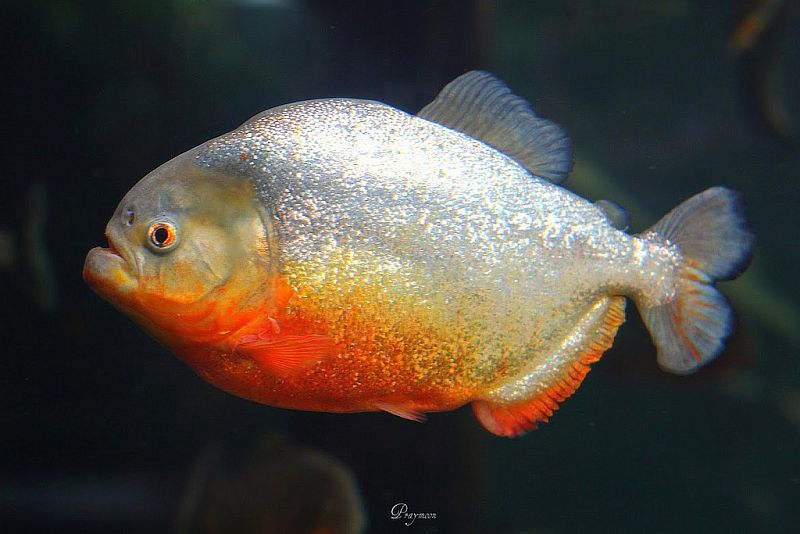
Pygocentrus nattereriRed Bellied Piranha
Kner, 1858
Max length350mm SL14in SLTank240 × 90cm96 × 36inTemp24–28°C75–82°FpH5.5–7.5Famed as a rapacious predator capable of rapidly stripping flesh from bone and a danger to any animal entering its native waters, P. nattereri is among the most notorious freshwater fishes in the world. As a result, displays featuring this “bloodthirsty” creature are found in most public aquaria, grisly Hollywood movies have been released, and the species has become popular in the aquarium trade. Little of this infamy is based on factual evidence, however.
Tetraodon baileyiHairy Puffer
authority not recorded
Max length120mm SL5in SLTank75 × 30cm30 × 12inTemp23–27°C73–81°FpHnot recordedPuffer fish are so called as they have the ability to inflate their elastic stomachs with water or air. This is usually a response to some kind of threat, although in the aquarium many specimens appear to inflate themselves for no apparent reason. The fish becomes 2 or 3 times it's normal size, which makes the fish both big enough to scare away many potential predators, and difficult to swallow. Many parts of the body of puffers contain the deadly neurotoxin tetrodoxin. This is the same ...
Tetraodon biocellatusFigure Eight Puffer
authority not recorded
Max length80mm SL3.1in SLTank75 × 30cm30 × 12inTemp22–26°C72–79°FpH6.5–7.5Puffer fish are so called as they have the ability to inflate their elastic stomachs with water or air. This is usually a response to some kind of threat, although in the aquarium many specimens appear to inflate themselves for no apparent reason. The fish becomes 2 or 3 times its normal size, big enough to scare away many potential predators, or difficult to swallow. Puffers also have several other interesting adaptations. They are one of the few fish that can actually blink or close their ...
Tetraodon cochinchinensisFang's Puffer
authority not recorded
Max length70mm SL2.8in SLTank45 × 30cm18 × 12inTemp24–28°C75–82°FpH6.5–7.8Puffer fish are so called as they have the ability to inflate their elastic stomachs with water or air. This is usually a response to some kind of threat, although in the aquarium many specimens appear to inflate themselves for no apparent reason. The fish becomes 2 or 3 times it's normal size, which makes the fish both big enough to scare away many potential predators, and difficult to swallow. Many parts of the body of puffers contain the deadly neurotoxin tetrodoxin. This is the same ...