Results for “type”
Type a name: scientific, common, or one a species used to go by. Or narrow the catalogue with the filters.
Filters
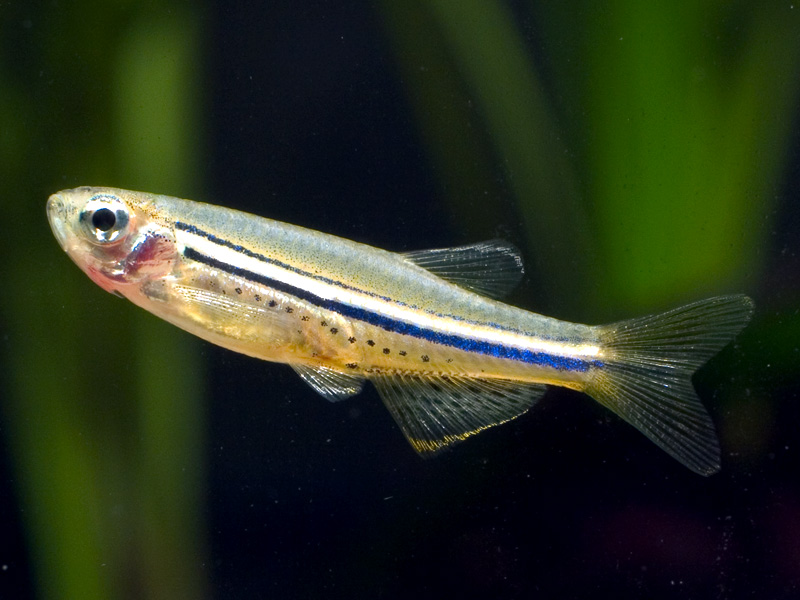
Brachydanio nigrofasciataDwarf Spotted 'Danio'
Day, 1870
Max length40mm SL1.6in SLTank60 × 30cm24 × 12inTemp18–26°C64–79°FpH6.0–7.5The genus Danio contains only the type species, D. dangila, separated on the basis of its larger size and the shape of the caudal-fin, which in adults is only slightly emarginate or even truncate in shape, a feature it shares only with Tinca tinca (the common tench) among other cyprinids. The remaining species, of which B. rerio is thought to be the most ancient, are included in the revalidated genus Brachydanio Weber & de Beaufort, 1916.
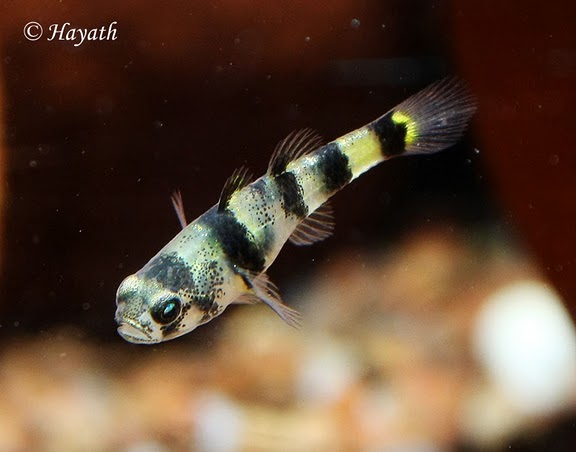
Brachygobius nunus
Hamilton, 1822
Max length25mm SL1.0in SLTank45 × 30cm18 × 12inTemp22–28°C72–82°FpHnot recordedType locality is the 'river below Calcutta' which corresponds to the western side of the Ganges River delta south of Kolkata, West Bengal state, with reports as to its wider distribution varying significantly. It's sometimes said to be present throughout India plus both mainland and maritime southeast Asia, but is more likely restricted to India, Bangladesh, Sri Lanka, and possibly Myanmar.
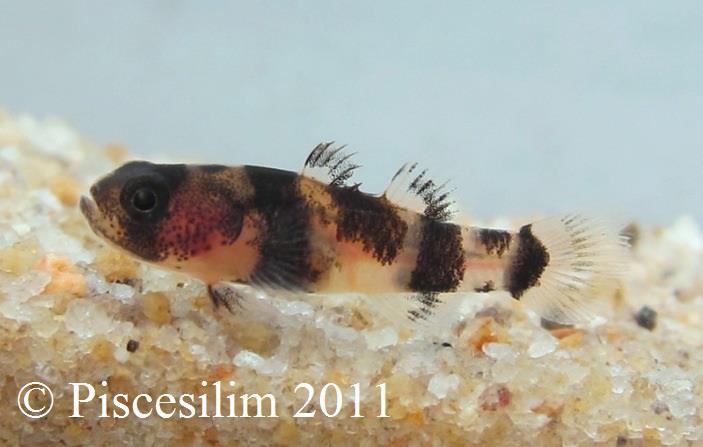
Brachygobius xanthomelas
Herre, 1937
Max length20mm SL0.8in SLTank45 × 30cm18 × 12inTemp22–28°C72–82°FpH7.0–8.5Type locality is '55 miles north of Singapore, freshwater ditches, Mawai District, Johore, Malaysia', and this species has been recorded throughout much of Peninsular Malaysia and southern Thailand. Records from Borneo and Singapore appear to be in error although it may have been extirpated from the latter but as with most members of the genus a degree of confusion surrounds its identity (see 'Notes').
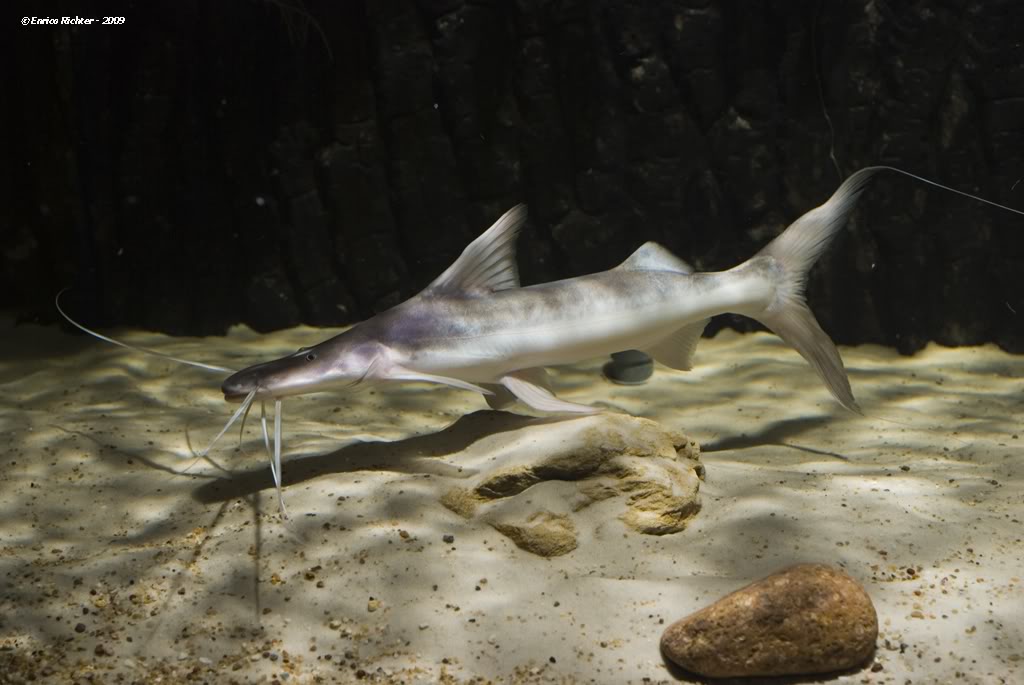
Brachyplatystoma platynemumSlobbering Catfish
Boulenger, 1898
Max length1000mm SL39in SLTanknot recordedTemp22–28°C72–82°FpH6.0–8.0Found in a number of habitat-types, though rarely in smaller tributaries, generally preferring deeper, flowing channels through which it travels for considerable distances at certain times of year. Like other large, migratory pimelodids these movements are typically associated with nutrient-rich, white water drainages rather than nutrient-poor black waters.
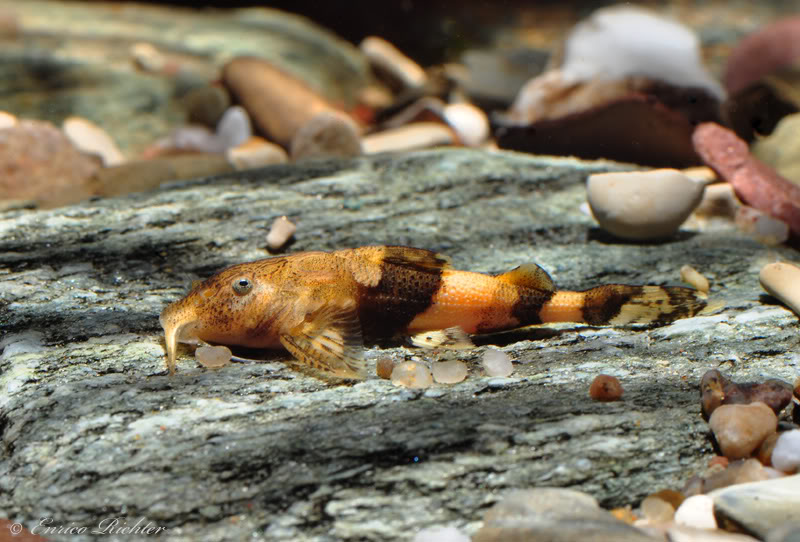
Caelatoglanis zonatus
Ng & Kottelat, 2005
Max lengthnot recordedTanknot recordedTempnot recordedpHnot recordedKnown only from the Ataran River system in Kayin state, Myanmar. The Ataran forms the headwaters of part of the larger Salween drainage, and some of its tributaries extend across the nearby border into Thailand, where it’s known as the Kasat. Type locality is 'Stream ''Chon Son' between Kyondaw and Phadaw, about 20 kilometers north...
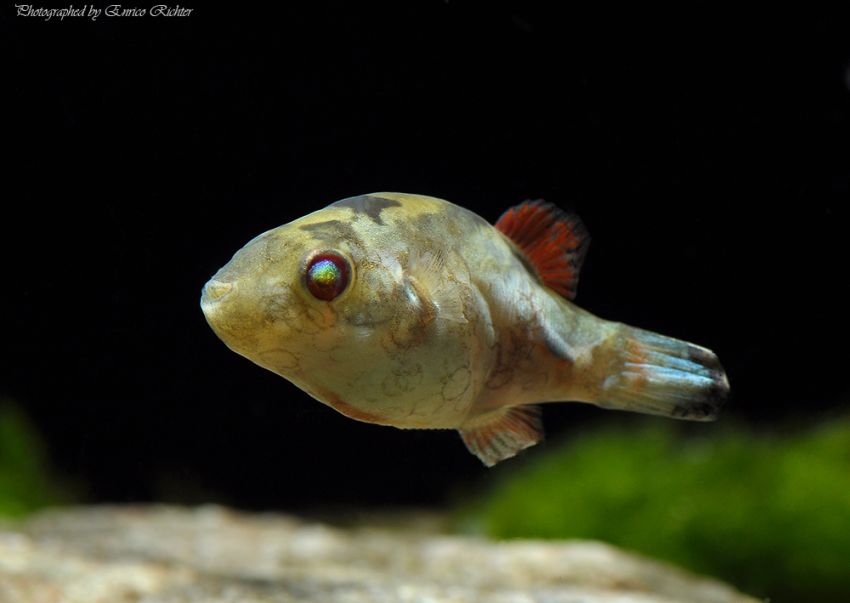
Carinotetraodon lortetiRedeye Puffer
Tirant, 1885
Max length60mm SL2.4in SLTank60 × 30cm24 × 12inTemp20–28°C68–82°FpH5.0–7.5Known from the lower Mekong basin in Thailand, Vietnam, and Cambodia, the Chao Phraya watershed in central Thailand, and may occur in smaller river systems between. Type locality is 'Thu-dâu-môt, Vietnam'.
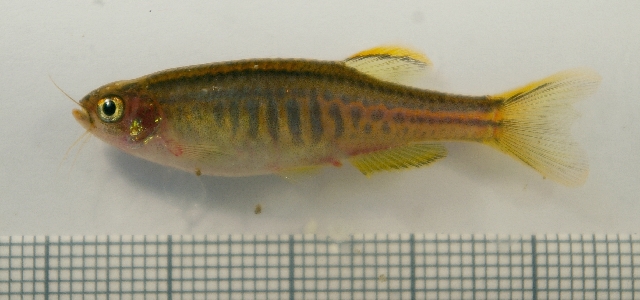
Celestichthys flagransNorthern Glowlight 'Danio'
Kullander, 2012
Max length35mm SL1.4in SLTank80 × 30cm31 × 12inTemp16–24°C61–75°FpH6.0–7.0Known only from a handful of streams in the upper Mali Hka river drainage, Ayeyarwaddy River system, near Putao township in the far north of Kachin state, northern Myanmar. Type locality is 'Nan Hto Chaung in Putao, about 1 mile from 46th regiment, close to rice mill'.
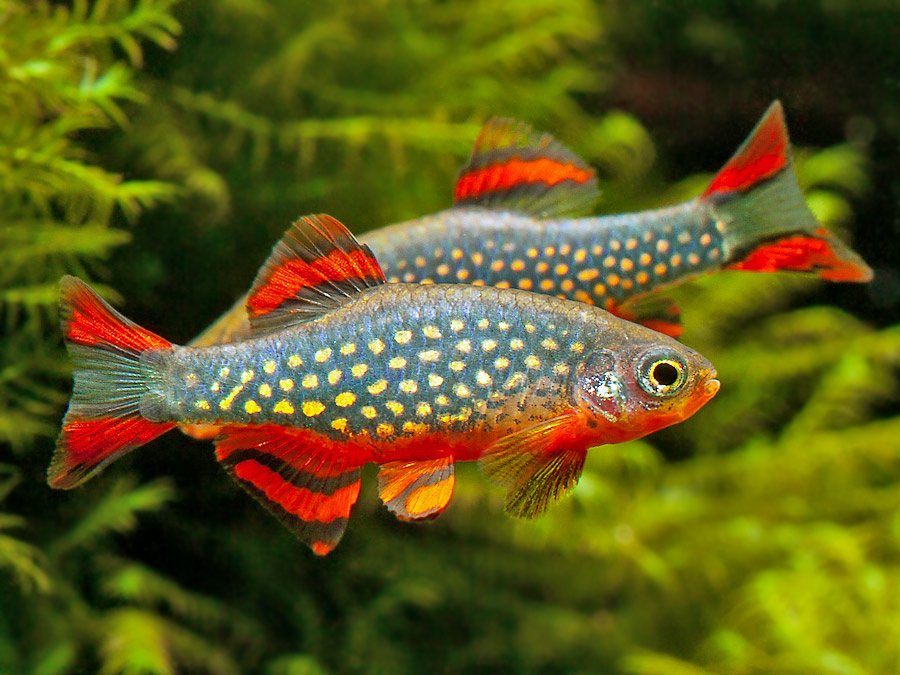
Celestichthys margaritatusCelestial Pearl 'Danio'
Roberts, 2007
Max length21mm SL0.8in SLTank45 × 30cm18 × 12inTemp20–26°C68–79°FpH6.5–7.5The type locality is an area of permanently-flooded grassland formed by the damming of a spring for agricultural purposes. The water is only around 30cm deep, transparent and supports dense growths of aquatic plants, mostly from the family Hydrocharitaceae which includes such genera as Elodea, Egeria and Blyxa. Sympatric species included Devario sondhii, a Microrasbora very similar to M. rubescens, an undescribed Yunnanilus known to aquarists as the 'rosy' loach and Channa harcourtbutleri.
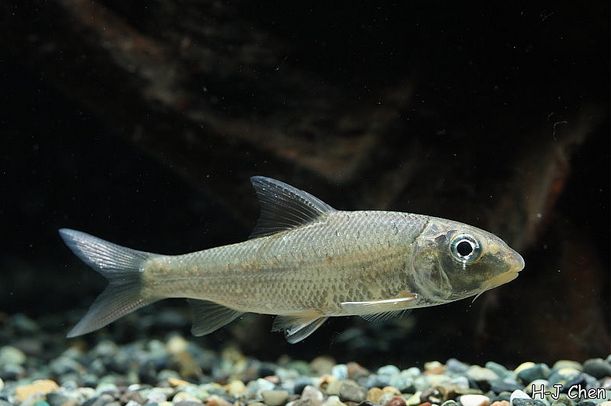
Chagunius chagunio
Hamilton, 1822
Max length450mm SL18in SLTank240 × 90cm96 × 36inTemp20–25°C68–77°FpH6.0–7.5Endemic to the Ganges and Brahmaputra river basins and thus occurs in northern India, Nepal and Bangladesh. Type locality is 'the Yamuna River, and northern rivers of Behar and Bengal'. The distribution of the genus as a whole is interesting because these fish occupy the area that geographically separates Indian and Southeast Asia barbs and it has been theorised that they may represent an evolutionary 'link' species...
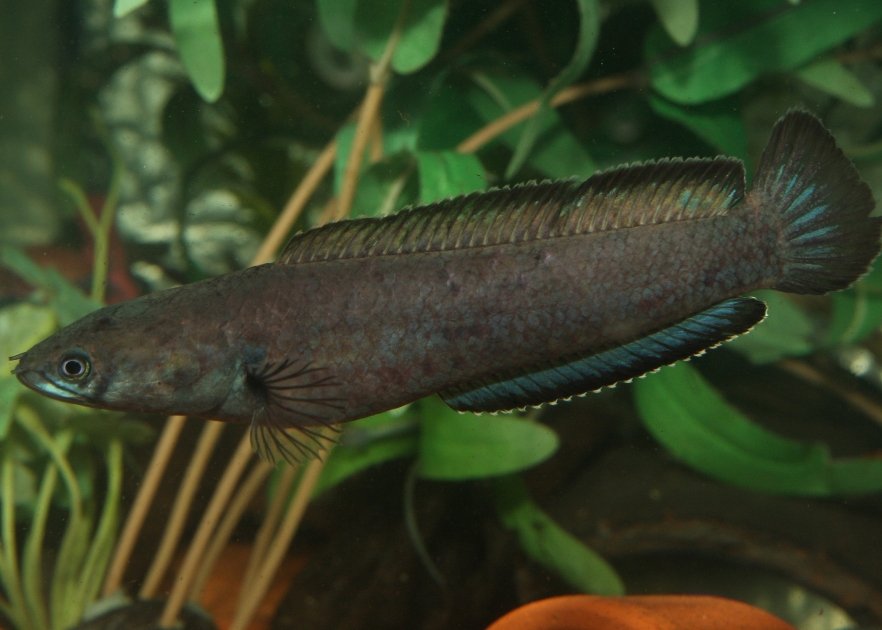
Channa orientalisCeylon snakehead
Bloch & Schneider, 1801
Max length100mm SL3.9in SLTank90 × 30cm36 × 12inTemp16–24°C61–75°FpH5.0–7.5Endemic to southwestern Sri Lanka where it appears restricted to the so-called ‘wet zone’ (see 'Habitat'). Confirmed localities are all within the Bentota and Kelani river systems and Kottawa Forest Reserve in Galle district, Southern Province. Type locality is given simply as 'Habitat in India orientale' and this appears to have caused confusion regarding the species' distribution with it of...
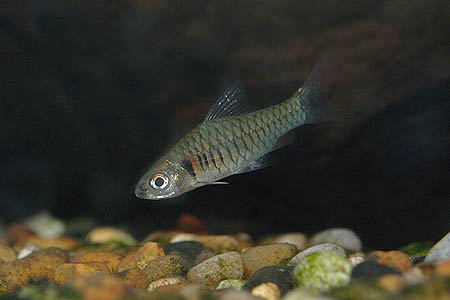
Clypeobarbus congicusCongo Barb
Boulenger, 1899
Max length60mm SL2.4in SLTank90 × 30cm36 × 12inTemp22–26°C72–79°FpH6.0–7.0Clypeobarbus was originally put forward as a subgenus of Barbus by Fowler in 1936 on the basis that member species possessed a midlateral row of enlarged, shield-like scales but he only included the type species 'Barbus' kemoensis (now a junior synonym of Clypeobarbus pleuropholis) in the group. Subsequent work by Poll and Lambert (1961), Jubb (1965) and Skelton (1993) resulted in several additional species being placed into the grouping although it appears that little of this work was widely-recognised until the recent study was published.
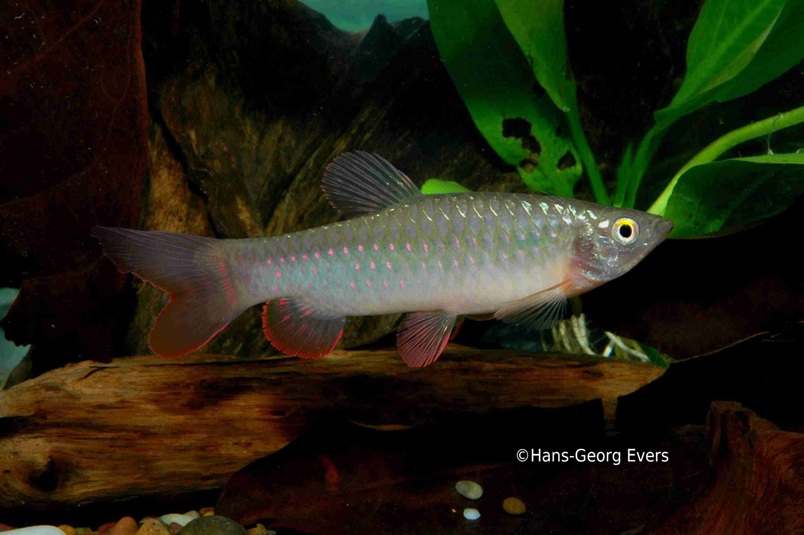
Copeina guttataRed-spotted Tetra
Steindachner, 1876
Max length76mm SL3.0in SLTank120 × 30cm48 × 12inTemp20–28°C68–82°FpH4.0–7.5Known from the middle and upper Amazon river basins in Brazil, Peru, Ecuador and Colombia. Type locality is 'Amazon River at Obidos, Cudajas, and Tabatinga; Rio Negro, Brazil.' It apparently practises an interesting reproductive strategy in which the eggs are deposited in a shallow depression excavated from the substrate and guarded by the male.
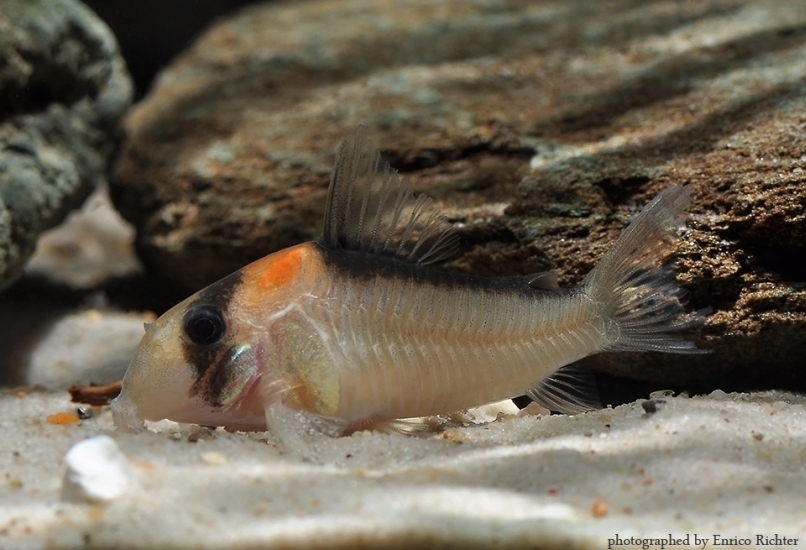
Corydoras adolfoiAdolfo's Cory
Burgess, 1982
Max length60mm SL2.4in SLTanknot recordedTemp20–26°C68–79°FpH4.0–7.0Type locality is given as 'Small tributary of the upper Rio Negro on the equator near São Gabriel da Cachoeira, Brazil', and this species is apparently highly endemic there. Some sources state that it also occurs in the rio Uaupés (known as 'Vaupés' in Colombia), a major tributary of the Negro, but we've been unable to obtain confirmation thus far.
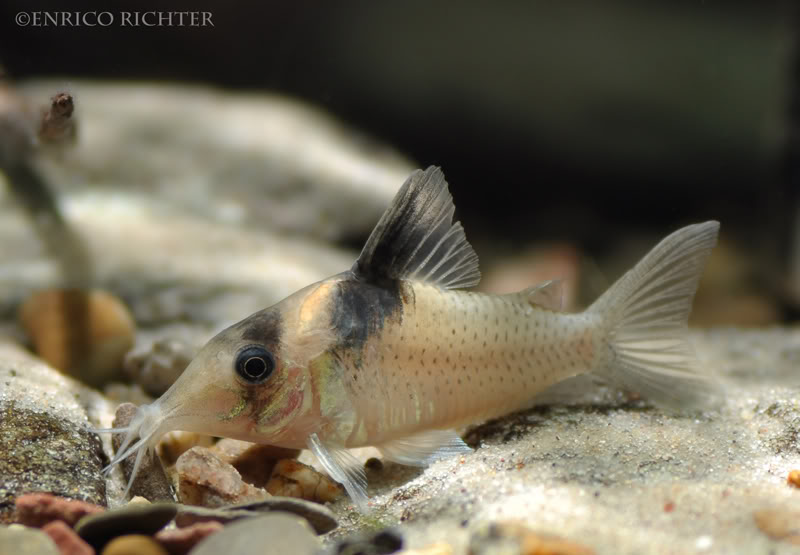
Corydoras amandajanea
Sands, 1995
Max length65mm SL2.6in SLTanknot recordedTemp23–27°C73–81°FpH6.0–7.5C. amandajanea is rare in the aquarium trade and appears to be variable in colour pattern to an extent, with some individuals posssessing relatively larger dark spots on the body, for example. Unfortunately diagnostic characters cannot be provided since we've been unable to obtain the type description, and little has been written about this species since it was published.
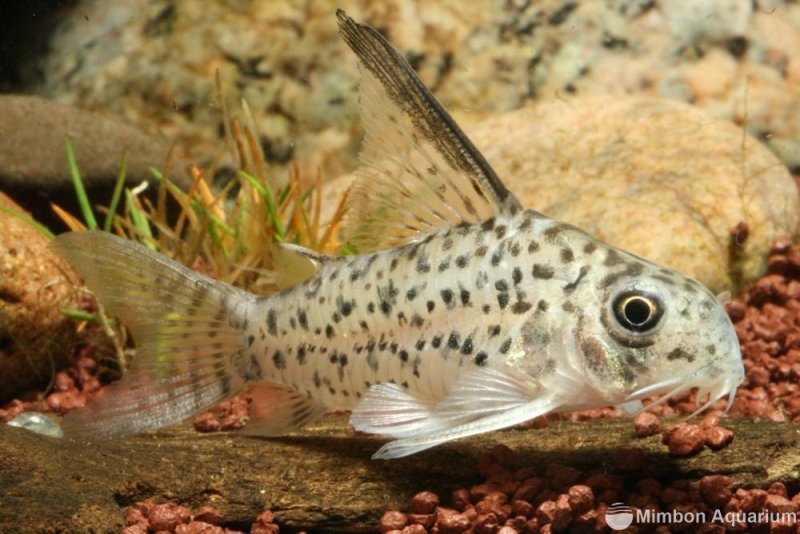
Corydoras armatus
Günther, 1868
Max length65mm SL2.6in SLTanknot recordedTemp22–26°C72–79°FpH6.0–7.5Fish collected in the upper rio Maderia basin in Brazil and Bolivia have been traded under the invented names C. sp. 'dorsalis' and C. sp. 'ogawae' in the past, although are officially-considered conspecific with C. armatus. This appears to warrant investigation since the Río Huallaga in Peru, type locality of C. armatus, and collection localities in the upper Madeira are separated by a straight-line distance of almost 2500 km.
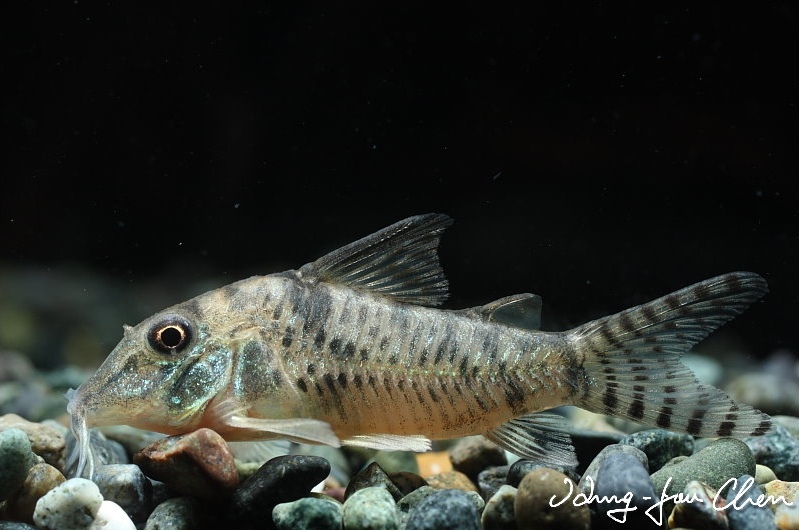
Corydoras aurofrenatusCW005
Eigenmann & Kennedy, 1903
Max length55mm SL2.2in SLTanknot recordedTemp22–26°C72–79°FpH6.0–8.0C. aurofrenatus is currently understood to occur throughout much of the Río Paraguay-Paraná system in Paraguay, and has also been recorded in Argentina and Bolivia. It was described from Paraguay with type locality given as 'Aguada near Arroyo Trementina'. The latter is stated to be a tributary of the 'Rio Aquido Canigi'.
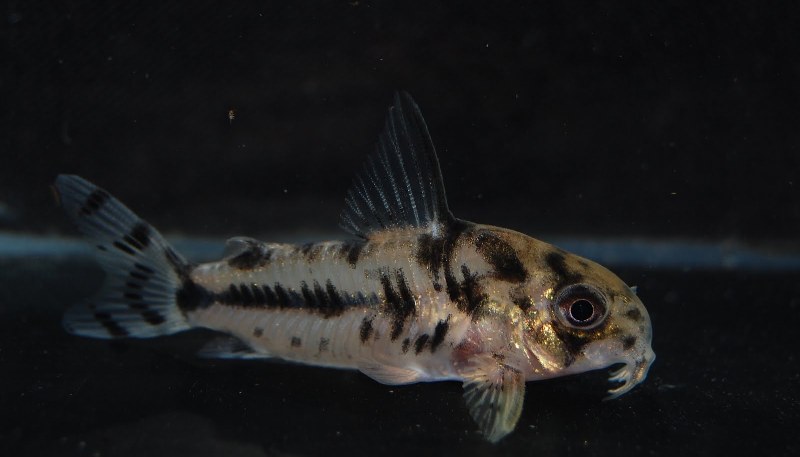
Corydoras boesemaniBoeseman's Catfish
Nijssen & Isbrücker, 1967
Max length45mm SL1.8in SLTanknot recordedTemp21–28°C70–82°FpH5.5–7.5This species appears endemic to and abundant within the upper Suriname River system, Suriname. Type locality is given as 'little tributaries of Gran Rio between Ligolio and Awaradam Falls', this corresponding to a section of the Suriname River, which is known as 'Gran Río' in parts of its upper basin, upstream of Brokopondo reservoir and not...
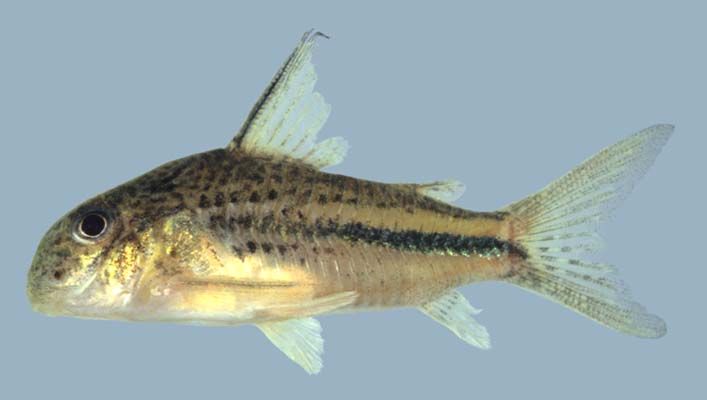
Corydoras bondiBlackstripe Cory
Gosline, 1940
Max length50mm SL2.0in SLTanknot recordedTemp20–26°C68–79°FpH6.0–7.5Type locality is 'Río Yuruari, 3 kilometers east of El Callao, 7°18'N, 61°50'W, Bolivar, Venezuela', and this species is also known from the Rupununi River drianage in Guyana and the Courantyne/Corantijn system in Suriname. The Yuruari, an affluent of the Río Cuyuni, an...
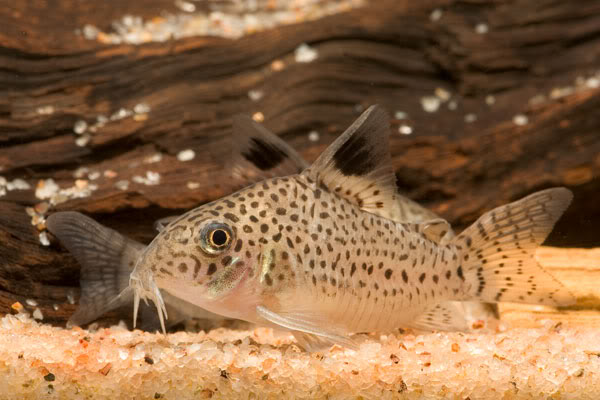
Corydoras copei
Nijssen & Isbrücker, 1986
Max length50mm SL2.0in SLTank80 × 30cm31 × 12inTemp20–26°C68–79°FpH5.0–7.0This species is not well known and rarely traded for the aquarium hobby. Unfortunately diagnostic characters cannot be provided since we’ve been unable to obtain the type description, and little has been written about this species since it was published. It looks very similar to several congeners, particularly C. acrensis and C. cruziensis.
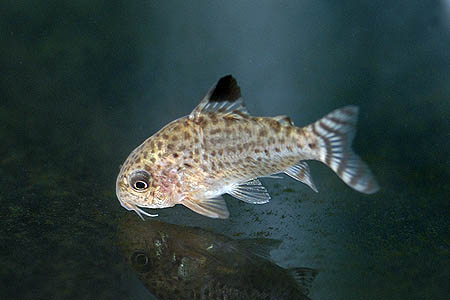
Corydoras cruziensisSanta Cruz Cory
Knaack, 2002
Max length50mm SL2.0in SLTank80 × 30cm31 × 12inTemp20–28°C68–82°FpH6.0–8.5This species is not well-documented but is said to differ from the comparable C. punctatus by possessing larger dark markings on the body which may form an irregular midlateral stripe in some specimens. Unfortunately diagnostic characters cannot be provided since we’ve been unable to obtain the type description, and little has been written about the species since it was published.