Results for “várzea”
Type a name: scientific, common, or one a species used to go by. Or narrow the catalogue with the filters.
Filters
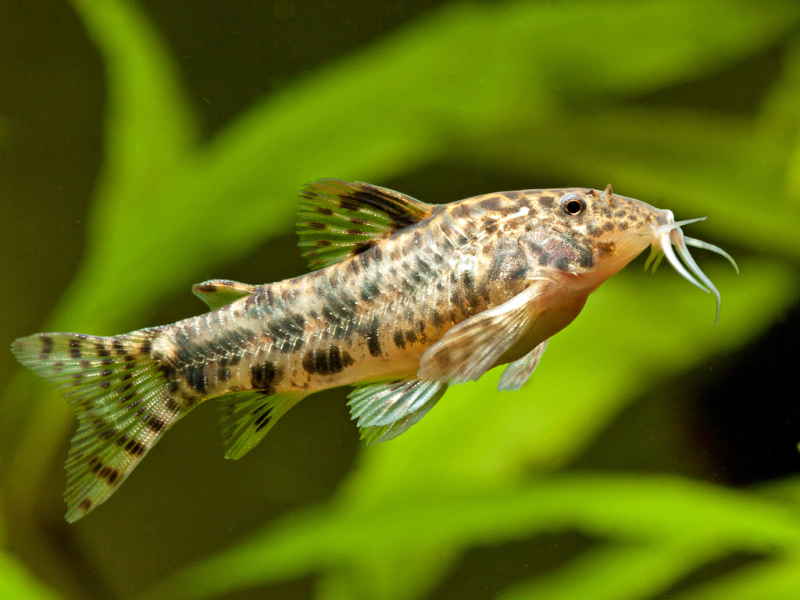
Aspidoras taurus
Lima & Britto, 2001
Max length55mm SL2.2in SLTank75 × 30cm30 × 12inTemp20–25°C68–77°FpH6.0–7.5A. taurus can be told apart from congeners by the following combination of characters: infraorbitals and preopercle covered by thick skin and not visible externally (vs. covered by thin skin and externally visible in other Aspidoras); nuchal plate reduced, covered by thick skin and not visible externally (vs. well developed, covered by thin skin and visible externally); lateral line absent posterior to two small lateral line ossicles (vs. lateral line present on at least first body plate).
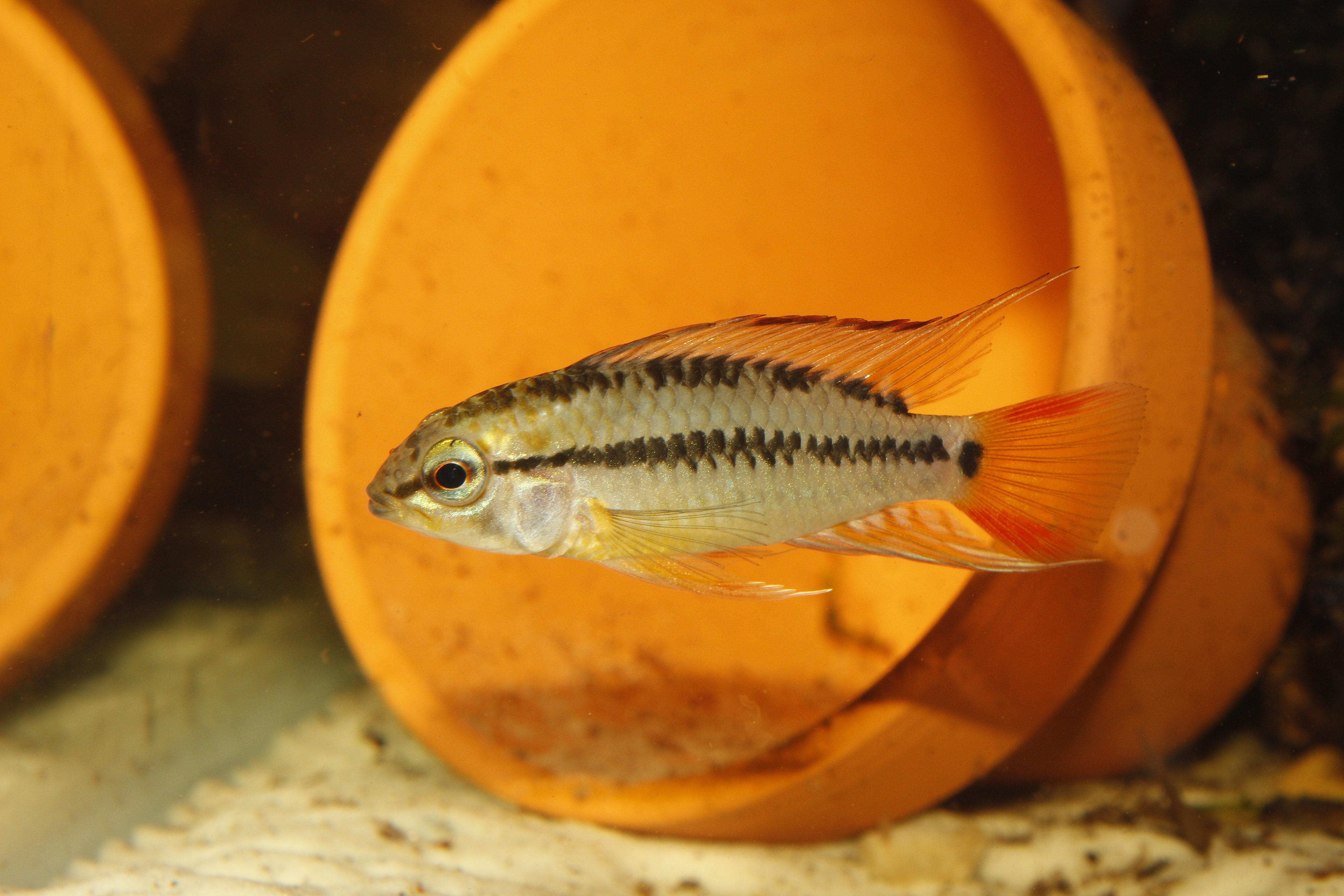
Apistogramma viejitaRed Edge Apisto
Kullander, 1979
Max length♂ 50 · ♀ 80mm SL♂ 2.0 · ♀ 3.1in SLTank60 × 30cm24 × 12inTemp22–28°C72–82°FpH4.5–6.5Apistogramma viejita
Leporacanthicus heterodonGolden Vampire Plec
authority not recorded
Matched on the common name Golden Vampire Plec
Max length100mm SL3.9in SLTank120 × 30cm48 × 12inTemp22–26°C72–79°FpH6.0–7.0The vampire part of the common name is derived from the unique upper jaw dentition exhibited by members of this genus, consisting of, you guessed it, two large teeth or "fangs". The exact use for these is unknown, but they're probably utilised to grip prey items such as snails or other aquatic invertebrates in some way. When buying one of these (or any Loricariid), be sure to check the fish has a rounded belly and that its eyes aren't sunken, as these are classic signs of ema...
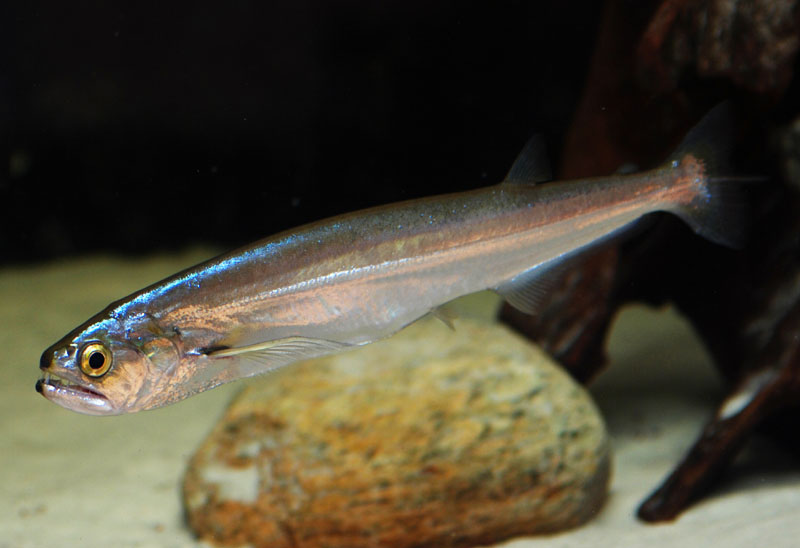
Rhaphiodon vulpinusBiara
Spix & Agassiz, 1829
Max length800mm SL31in SLTanknot recordedTemp24–28°C75–82°FpH6.0–8.0R. vulpinus is the most widely-distributed member of the family Cynodontidae. Type locality is given simply as 'Brazilian rivers', but this species is currently understood to be distributed in the Amazon basin from the Río Ucayali system in Peru, eastward as far as the rio Xingu in Brazil, plus the rio Tocantins and Rio Capim basins. It's also known from the Río Orinoco ba...
Squaliforma villarsiBlue Fin Thresher Pleco
authority not recorded
Max length175mm SL7in SLTank120 × 30cm48 × 12inTemp21–23°C70–73°FpH6.0–7.2This species is sometimes referred to as Hypostomus villarsi, and is a rare find in the hobby. If you're lucky enough to see some for sale, check the fish have rounded bellies and that their eyes aren't sunken before you part with any cash, as these are classic signs of emaciation in newly imported Loricariids....
Vanmanenia hainanensis
authority not recorded
Max lengthnot recordedTanknot recordedTempnot recordedpHnot recordedVanmanenia hainanensis
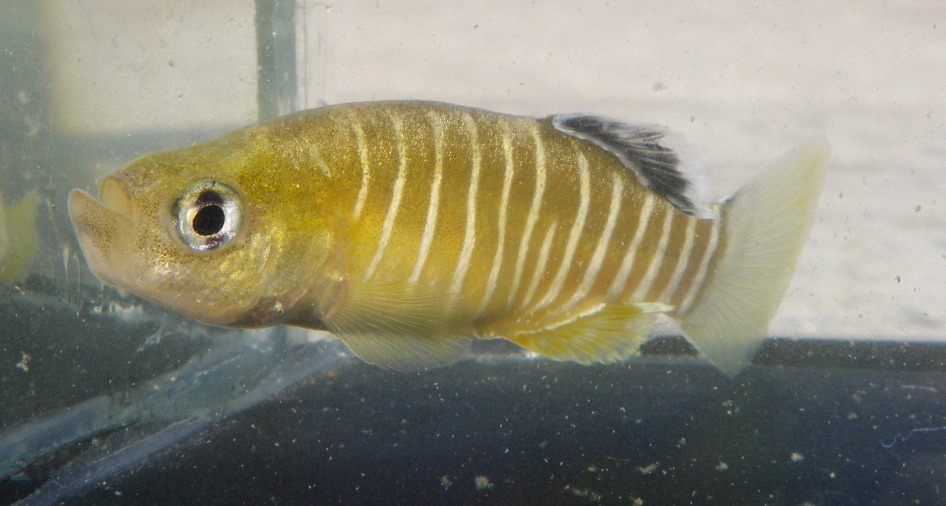
Esmaeilius vladykoviZagros Toothcarp
Coad, 1988
Matched on Aphanius vladykovi, a name it was formerly known by
Max length60mm SL2.4in SLTank120 × 30cm48 × 12inTemp12–32°C54–90°FpH6.2–8.5The Iranian Plateau is home to a diverse group of Aphanius with four species already described and several awaiting description. These are among the most ancient in the genus having divereged away from a common ancestor around 20 - 24 million years ago. Among them this species is most closely related to A. sophiae from the Kor River system but can be distinguished by differences in patterning. Males of A. sophiae lack the characteristic darkcolouration seen in A. vladykovi and females possess a ...
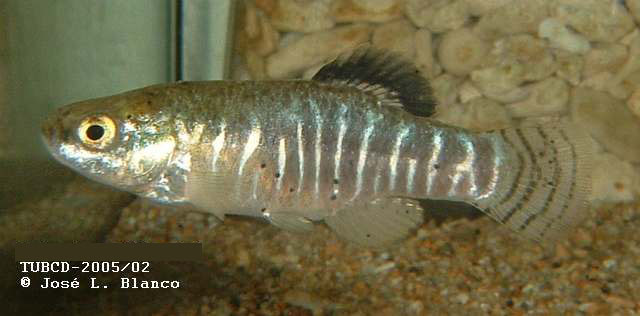
Anatolichthys villwockiSakarya Toothcarp
Hrbek & Wildekamp, 2003
Matched on Aphanius villwocki, a name it was formerly known by
Max length60mm SL2.4in SLTank120 × 30cm48 × 12inTemp2–30°C36–86°FpH6.5–8.5Prior to its description this species had been considered a form of A. anatoliae and also referred to as A. sp. aff. danfordii but collections in the early part of this century motivated new studies and resulted in its elevation to full species level. Phylogenetic analyses have shown it to represent the sister group to all other Anatolian Aphanius spp. The Anatolia region represents a centre of diversity for the genus with ten endemic species described to date. These are thought to have diverged ...
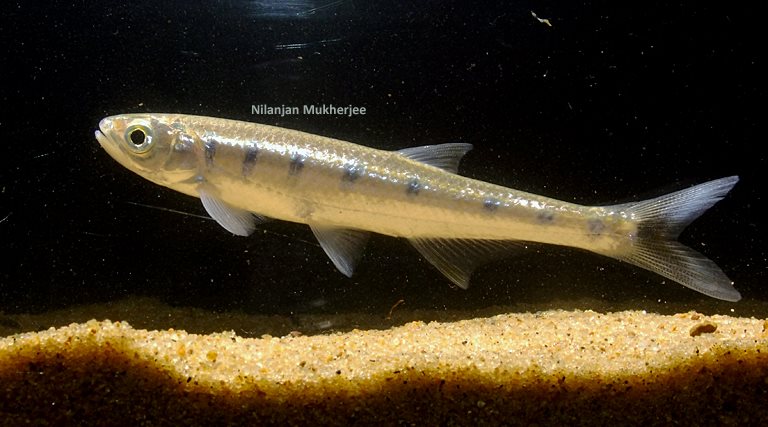
Barilius vagra
Hamilton, 1822
Matched on Cyprinus vagra, a name it was formerly known by
Max length125mm SL5in SLTank150 × 60cm60 × 24inTemp18–26°C64–79°FpH6.0–7.5Barilius spp. are near-exclusive surface-feeders preying mostly on flying insects in nature with some small fishes and benthic invertebrates probably taken as well but in the aquarium they're largely unfussy and will accept most foods.
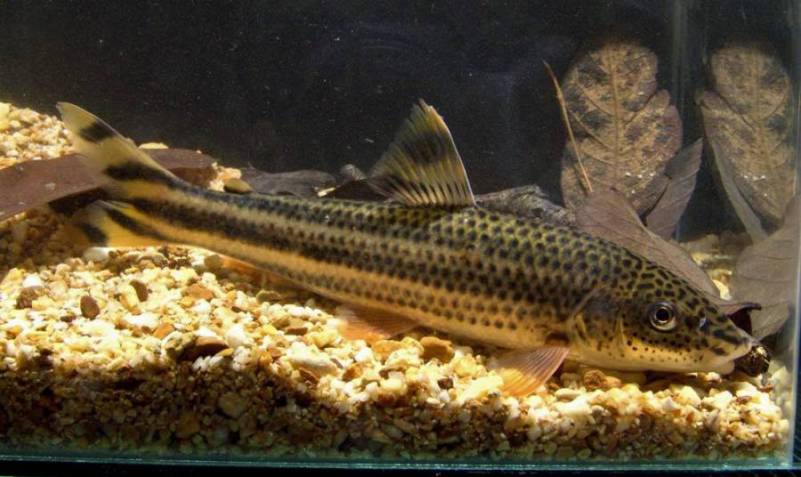
Leporellus vittatus
Valenciennes, 1850
Matched on Leporinus vittatus, a name it was formerly known by
Max length300mm SL12in SLTank210 × 60cm84 × 24inTemp18–26°C64–79°FpH5.5–7.5Type locality is given simply as 'Amazon River, Brazil' and according to current thinking this species has a huge natural range encompassing the Amazon River system in Brazil and Peru plus the Paraná-Paraguay drainage in southern Brazil and Paraguay and rio São Francisco basin in southern Brazil. Specimens in our images were collected fro...
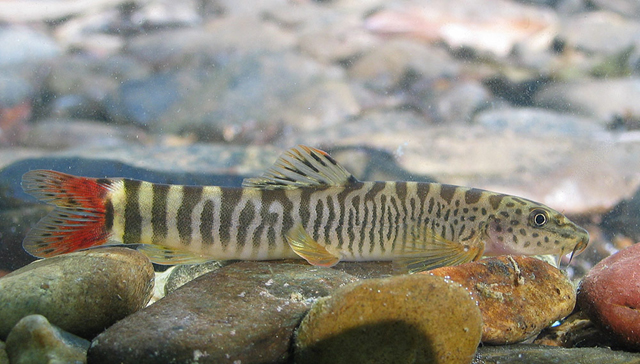
Schistura vinciguerrae
Hora, 1935
Matched on Nemachilus vinciguerrae, a name it was formerly known by
Max length75mm SL3.0in SLTank90 × 30cm36 × 12inTemp20–26°C68–79°FpH6.0–7.5This species is traded on a fairly regular basis and is similar in appearance to some congeners, most notably S. bella, S. mahnerti, S. multifasciata, S. poculi, S. reticulata, S. longa, S. conirostris and S. udomritthiruji. This assemblage has been referred to as the Schistura multifasciata 'group', and members share a...
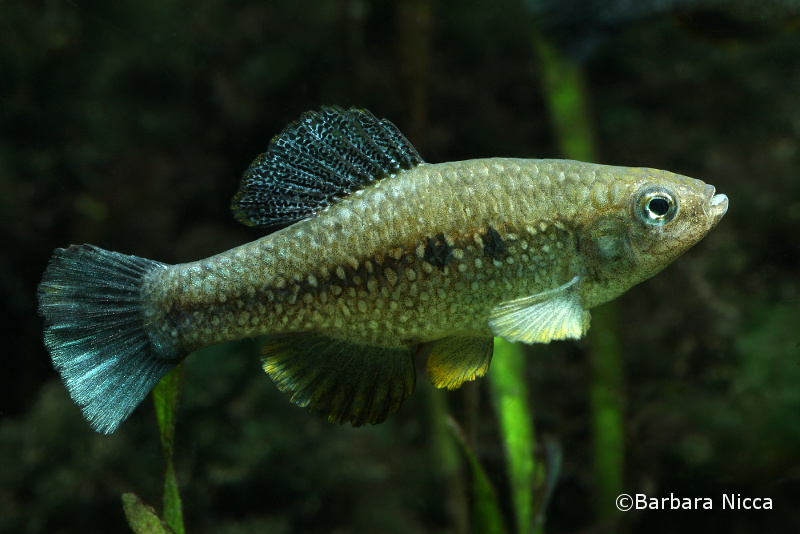
Cualac tessellatusCheckered Pupfish
Miller, 1956
Max length70mm SL2.8in SLTank60 × 30cm24 × 12inTemp20–30°C68–86°FpH7.5–8.5Endemic to a handful of natural springs in the Río Verde valley, San Luis Potosí state, Central Mexico. The valley is believed to have once been filled by a large lake and the relict springs are part of the elevated Río (river) Verde basin which later drains into the much larger Río Pánuco system. Much of the aquatic fauna found in the valley is endemic to the area but in many cases threatened by introduced species.
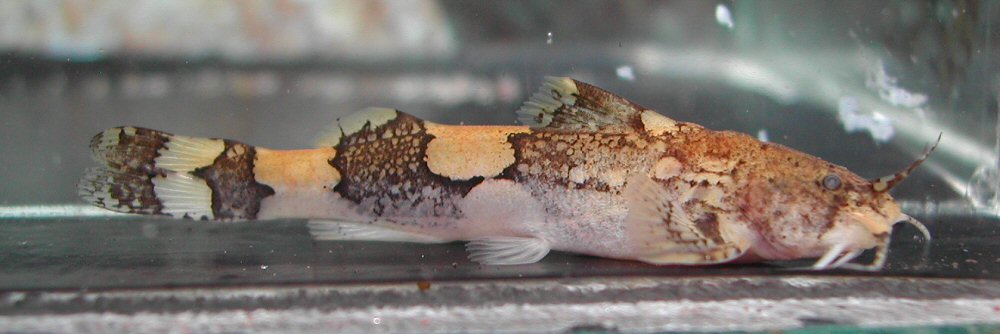
Akysis vespertinusWestern Stream Catfish
Ng, 2008
Max length35mm SL1.4in SLTank45 × 30cm18 × 12inTemp16.5–24°C62–75°FpH6.0–7.5This species is exceptionally rare in the aquarium trade and can be distinguished from congeners by the following combination of characters: snout narrow with head appearing triangular as a resul...
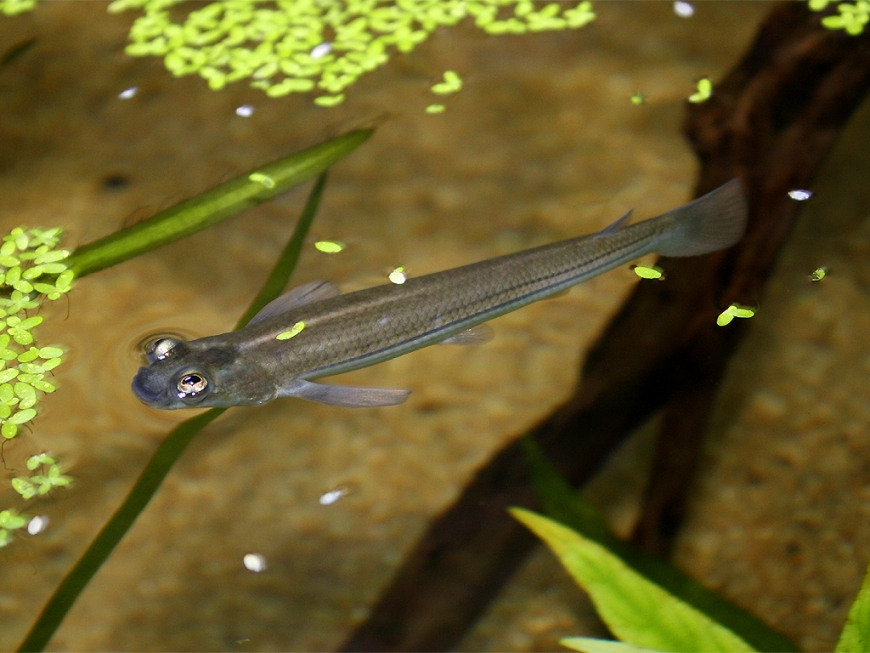
Anableps anablepsFour-Eyed Fish
Linnaeus, 1758
Matched on the common name Vieraugenfisch
Max length260mm SL10in SLTank150 × 45cm60 × 18inTemp25–31°C77–88°FpH7.5–9.0The eye of Anableps species is split horizontally by a band of epithelial tissue. It has two corneas, two pupils, a single, egg-shaped lens and one retina that's also split into two sections. The lens is oval and asymmetric with the upper part flattened as in the human eye and the lower section curved as in most other fishes. The upper cornea is thicker and enriched with glycogen which possibly helps to protect it from drying and UV irradiation. Two horizontal flaps of the iris are thought ...
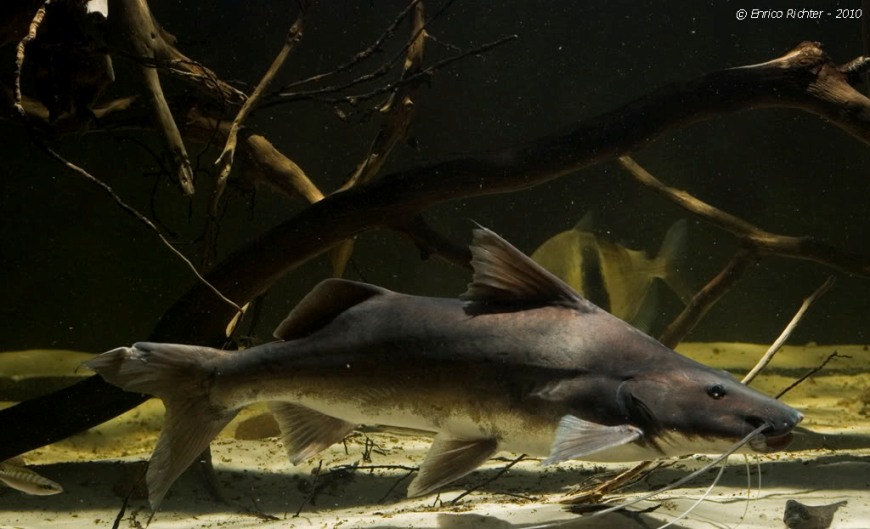
Brachyplatystoma vaillantii
Valenciennes, 1840
Max length1050mm SL41in SLTanknot recordedTemp22–28°C72–82°FpH6.0–8.0This rich feeding ground is exploited until the sea water returns, at which point the catfishes begin to migrate upstream in massive numbers, moving up the Amazon and its tributaries. Sexually mature individuals are not normally recorded during these events so they're thought related to feeding and dispersal rather than spawning. The fish are subject to intensive capture by commercial and artisanal fishing operations during this upstream movement.
Copadichromis virginalis
authority not recorded
Max length130mm SL5in SLTank150 × 45cm60 × 18inTemp25–29°C77–84°FpH7.5–8.5Together with the recently erected genus Mchenga, Copadichromis species form an exclusive group of Malawian cichlids commonly referred to as "Utaka" (prounounced "ooh-taw-kuh"). They're specialised to a pelagic lifestyle, and can be found living in huge numbers throughout much of Lake Malawi. Some tend to remain in the proximity of underwater reefs or rocky shorelines, while others occur mainly in more featureless, sandy habitats. Here they face the oncoming current, usi...
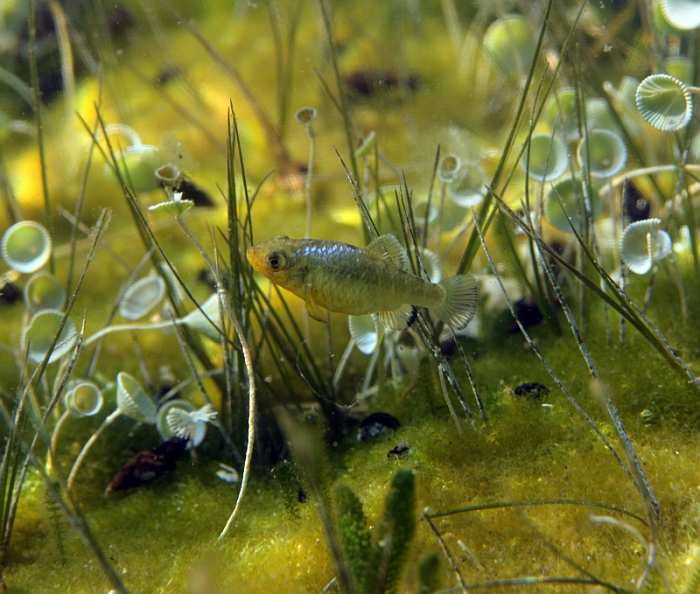
Cyprinodon variegatusSheepshead 'Minnow'
Lacepède, 1803
Max length50mm SL2.0in SLTank60 × 30cm24 × 12inTempnot recordedpHnot recordedTends to be most common in brackish to hypersaline environments such as coastal salt marshes, lagoons and estuaries. On San Salvador Island, Bahamas, it appears to be the parent of a species group occurring in sympatry and exploiting diverse but specific resources with some spectacular morphological adaptations.
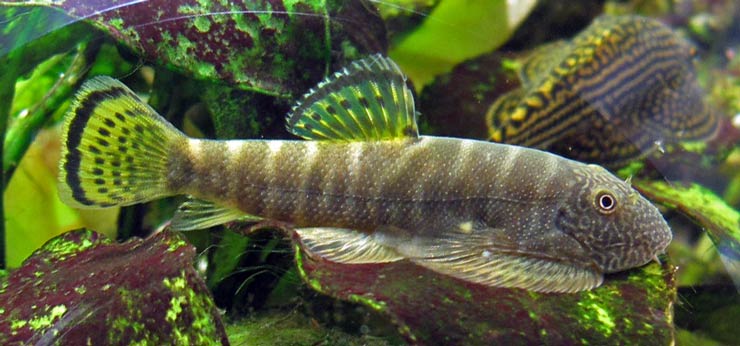
Gastromyzon viriosus
Tan, 2006
Max length55mm SL2.2in SLTank75 × 30cm30 × 12inTemp20–24°C68–75°FpH6.0–7.5Many loaches from the families Nemacheilidae, Balitoridae and Gastromyzontidae are also suitable but research your choices before purchase in order to be sure as some are excessively aggressive or otherwise competitive. Gastromyzon spp. tend to exist in lo...
Gobioides broussonnetiiViolet Goby
authority not recorded
Matched on the common name Violet Goby
Max length625mm SL25in SLTank120 × 60cm48 × 24inTemp22–26°C72–79°FpH7.5–9.0This fish is also commonly sold as the dragon or Peruvian goby, or dragon fish, and its bizarre appearance has made it popular in the trade. This is unfortunate, as not only does it grow very large, but it has specialised feeding requirements and does not survive for very long in freshwater. When provided with the correct conditions, however, it makes a unique and fascinating captive subject. There is a smaller species in the genus, G. peruanus, that does survive in freshwater, being a riverine ...
Hemigrammus vorderwinkleri
authority not recorded
Max length40mm SL1.6in SLTank60 × 38cm24 × 15inTemp23–27°C73–81°FpH5.5–7.0The only time you'll probably come across this species is as a contaminant among imports of other species. This is a pity, as it's an attractive, peaceful little fish. Like all Hemigrammus, the taxonomic status of this species is currently Incertae Sedis, meaning uncertain. The genus is currently used as something of a catch-all for over 70 species of small characin. Most experts agree that a full revision is required, with the likely outcome that many species will be placed into ne...