Results for “species”
Type a name: scientific, common, or one a species used to go by. Or narrow the catalogue with the filters.
Filters
Procatopus nototaeniaLarge-finned Lampeye
authority not recorded
Max length60mm SL2.4in SLTank60 × 30cm24 × 12inTemp20–25°C68–77°FpH5.8–7.5The genus Procatopus currently comprises half a dozen members (P. aberrans, P. lambertii, P. nimbaensis, P. nototaenia, P. schioetzi and P. similis), all of which are are non-annual species existing in permanent bodies of water. They are actually more closely related to the livebearing species of the subfamily Poeciliinae than the popular Aplocheilid killifish. None are particularly popular in the aquarium trade, although specialist dealers may have them available from time-to-time. Some such as...
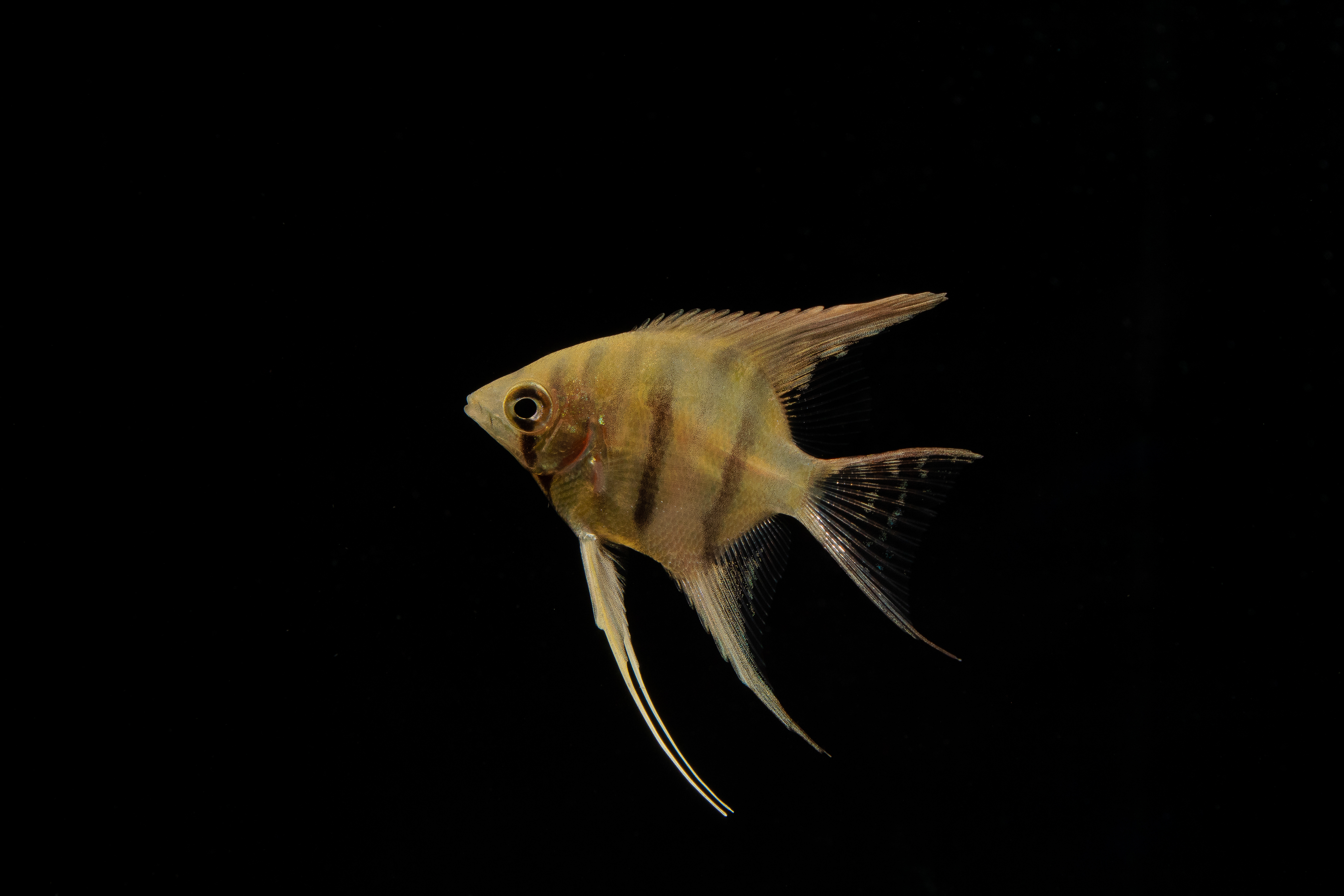
Pterophyllum leopoldiRoman Nose Angelfish
Gosse, 1963
Max length100mm SL3.9in SLTank90 × 30cm36 × 12inTemp22–29°C72–84°FpH5.0–7.0Pterophyllum leopoldi can be differentiated from other members of the genus by the presence of up to 11 vertical stripes on the body, though often only the 3 largest, boldest stripes can be seen. This species also shows a dark patch over the operculum. In adult specimens, a red/maroon hue over the back and fins is characteristic of the species, leading some to believe the most colourful natural form Angelfish. The name-sake roman nose possessed by the fish is also very distinctive and used as a meristic feature.
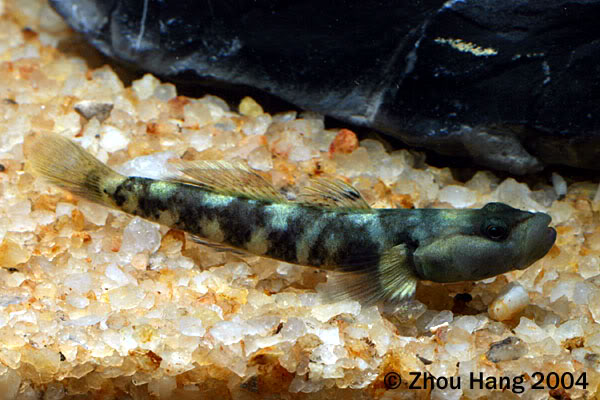
Rhinogobius yaoshanensis
Luo, 1989
Max length45mm SL1.8in SLTank60 × 30cm24 × 12inTemp16–24°C61–75°FpH6.0–8.0This species' name has appeared quite regularly on ornamental fish trade lists since the mid-00's but it's unclear whether the species itself has ever been exported since fish labelled as such do not appear to fully match the most recent key (see below). That said, its natural habitats lie in the same region as the loach Yaoshania pachychilus so it's reasonable to assume that some specimens may have been collected, and the fish in our images were ca...
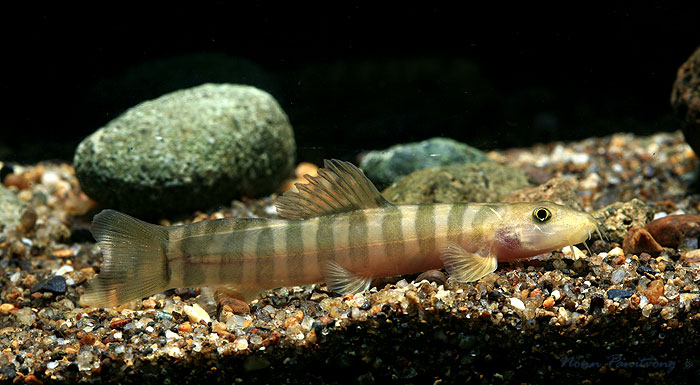
Schistura alticrista
Kottelat, 1990
Max length75mm SL3.0in SLTank90 × 30cm36 × 12inTemp21–26°C70–79°FpH6.0–7.5This species is very rare in the aquarium trade but available on occasion. It has 8-9 darkish body bars which usually split vertically as the fish mature, and like some conspecifics possesses a prominent dorsal adipose crest on the caudal peduncle. Schistura is the most species-rich genus among...
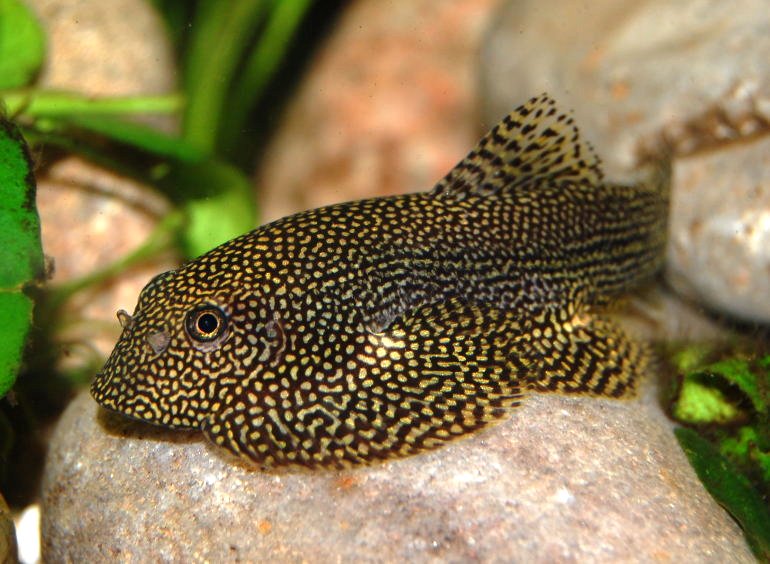
Sewellia sp. 'SEW01'Spotted Butterfly Loach
authority not recorded
Max length80mm SL3.1in SLTank90 × 30cm36 × 12inTemp20–24°C68–75°FpH6.0–7.5This is one of the more readily-available members of the genus and popularly referred to as S. sp. 'spotted' or S. sp. 'special'. It's superficially similar in appearance to S. albisuera but in that species body patterning consists of a network of irregular dark lines forming a complicated series of reticulations vs. many small, light spots on a dark background in S. sp. 'SEW01'. It's been suggested that these two may represent the same species but this...
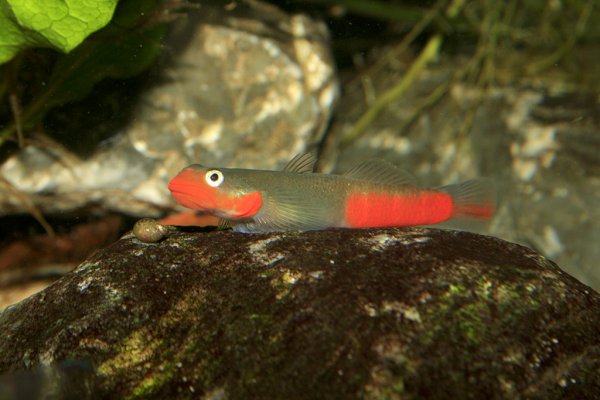
Sicyopus exallisquamulus
Watson & Kottelat, 2006
Max length52mm SL2.0in SLTank60 × 30cm24 × 12inTemp22–28°C72–82°FpH6.5–7.5Live colouration of this species was not included in the original description but the specimens in our images were identified by Dr. Ronald E. Watson, the principal author, as S. exallisquamulus. It's normally misidentified and traded as the Sri Lankan endemic species Sicyopus jonklaasi. It is diagnosable from congeners by the following combination of characters: 14-15 pectoral-fin rays; both genders exhibit small, widely-spaced scales...
Silurus glanisWels catfish
authority not recorded
Max length5000mm SL197in SLTanknot recordedTemp3.9–20°C39–68°FpHnot recordedJuvenile specimens are occasionally available in the aquarium trade but this species is clearly not a viable subject for the vast majority of private aquarists. While it's considered a sport fish in some countries (France, Italy, Spain, UK) it's flesh and eggs are considered a delicacy in others (Hungary, Poland, Slovakia, Lithuania) and its skin is also used in the manufacture of leather and glue. The family Siluridae comprises those catfsh species commonly referred to as freshwate...
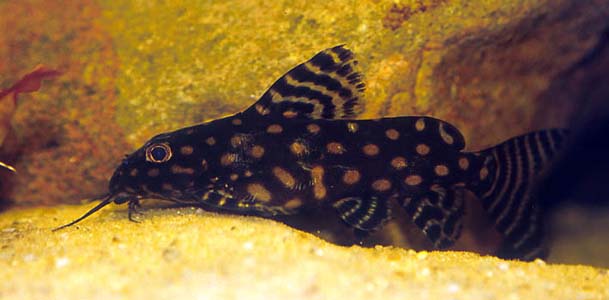
Synodontis angelicusPolka Dot Synodontis
Schilthuis, 1891
Max length250mm SL10in SLTank120 × 45cm48 × 18inTemp24–28°C75–82°FpH6.0–8.0A very nocturnal species that will be seen only infrequently during daylight hours. S. angelicus is very long-lived and can survive for over 20 years if maintained correctly. S. angelicus was much sought after when first imported and commanded a correspondingly large price. They are still relatively expensive, though prices have dropped considerably. It is quite a rare species in its native waters. The patterning and colour varies cosiderably, depending on type locality. Some specimens have w...
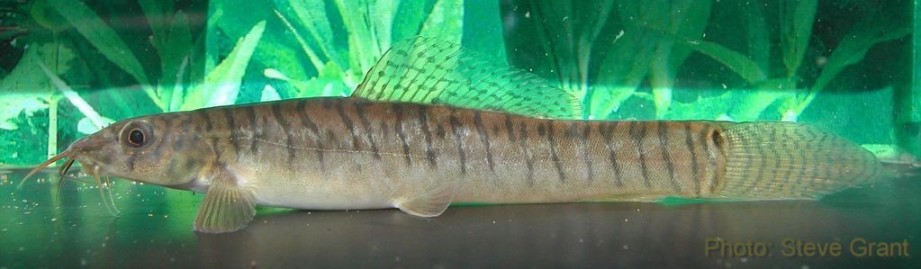
Acanthocobitis pavonaceaPeacock Loach
McClelland, 1839
Max length156mm SL6in SLTank120 × 30cm48 × 12inTemp20–24°C68–75°FpH6.5–7.5This species isn't common in the trade but occasional specimens may be found among shipments of wild caught fishes from northeast India, and it's sometimes seen on sale as 'pan...
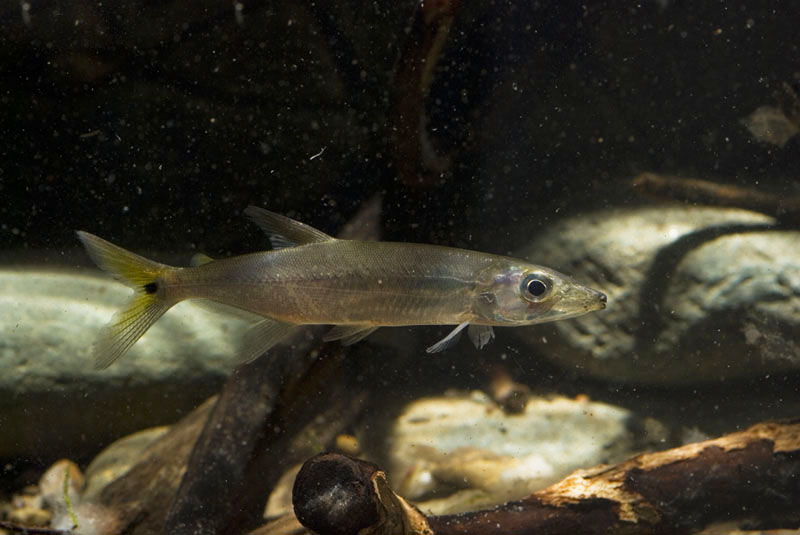
Acestrorhynchus microlepisPike Tetra
Jardine, 1841
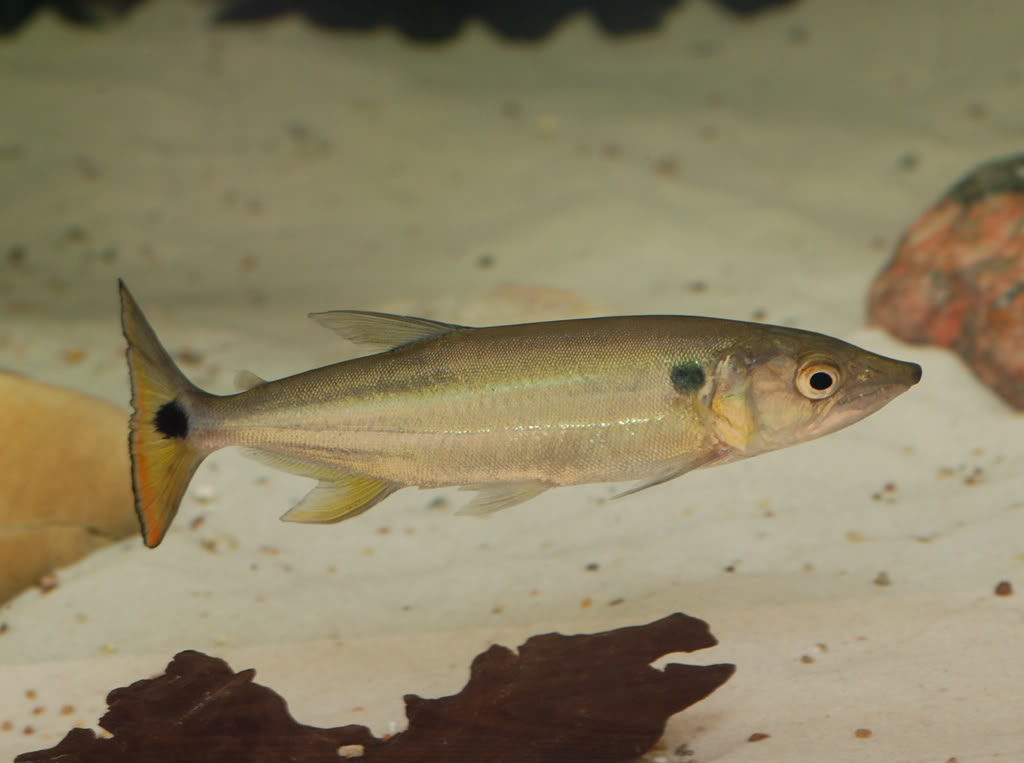
Max length260mm SL10in SLTank250 × 90cm98 × 36inTemp22–28°C72–82°FpH6.0–7.5An obligate piscivore capable of consuming quite large prey in relation to its body size although it tends to focus on smaller prey such as tetras and related species. Newly-imported specimens may refuse to accept anything but live fishes although most can be weaned onto dead alternatives once they recognise them as edible, and some even learn to accept dried foods.
Acestrorhynchus pantaneiroPantanal Barracuda Tetra
Menezes, 1992
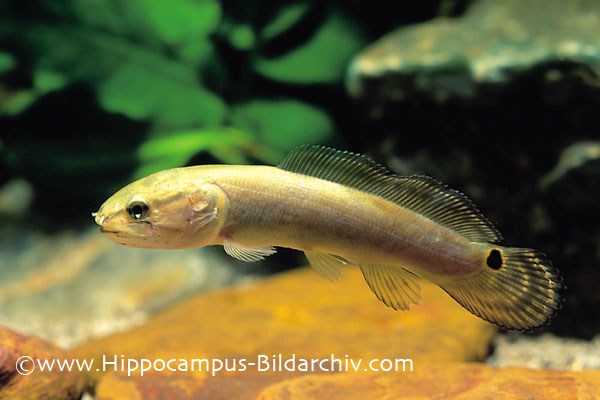
Max length240mm SL9in SLTank250 × 90cm98 × 36inTemp22–28°C72–82°FpH6.0–7.5An obligate piscivore capable of consuming surprisingly surprisingly large prey. Newly-imported specimens may refuse to accept anything but live fishes although most can be weaned onto dead alternatives once they recognise them as edible, and some even learn to accept dried foods- Like the vast majority of predatory fishes this specie...
Amia calvaBowfin
Linnaeus, 1766
Max length900mm SL35in SLTank180 × 60cm72 × 24inTemp15–24°C59–75°FpH6.0–7.5Rare in the hobby, the bowfin is a stunning specimen fish for the aquarist with the means to house it properly. It is the sole remaining species in the family Amiidae, an ancient and primitive group that is related to the garfish. It possesses the ability to breathe atmospheric air, via an enormous, highly vascularised accessory breathing organ that extends throughout the entire body cavity. The gills are stiffened in order to prevent them collapsing outside the water and, provided it's kep...
Anatolichthys anatoliaeAnatolian Toothcarp
Leidenfrost, 1912
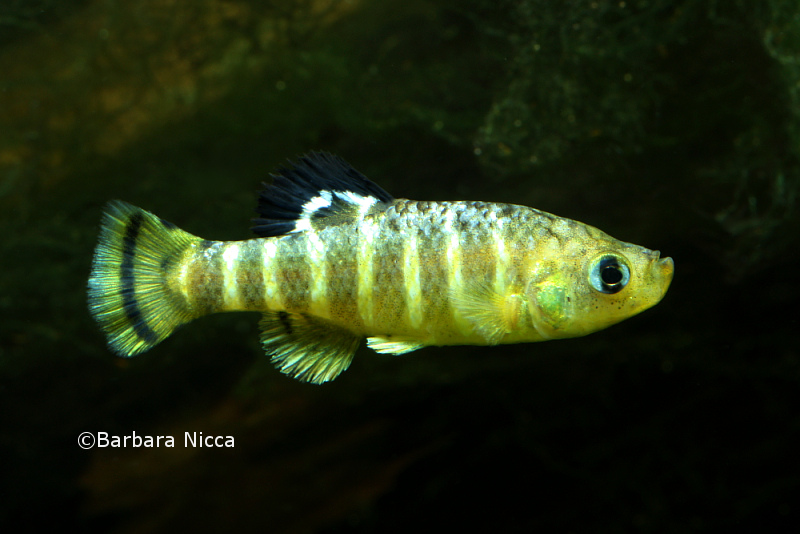
Max length55mm SL2.2in SLTank120 × 30cm48 × 12inTemp2–30°C36–86°FpH7.0–8.5A. anatoliae is the most widely-distributed of the Anatolian Aphanius species although like most of its congeners is not easy to come by in the hobby. You are unlikely to find it on sale in aquatic stores although it may be available via specialist breeders or associations from time-to-time. While Aphanius spp. are certainly not as colourful as some of their relatives their interesting behaviour and continuous activity make them fascinating aquarium subjects and well worth a try if you possess the de...
Ancistrus sp.L255
authority not recorded
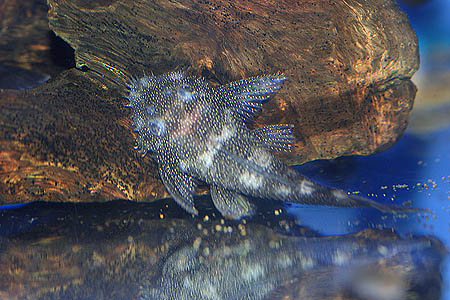
Max length130mm SL5in SLTank80 × 30cm31 × 12inTemp25–30°C77–86°FpH6.0–7.0A somewhat odd-looking species with a distinctive wide head and overall flattened profile. Unfortunately this fish is not the easiest fish to keep alive in the aquarium since it requires rather specialised conditions and is often in poor condition post-import.
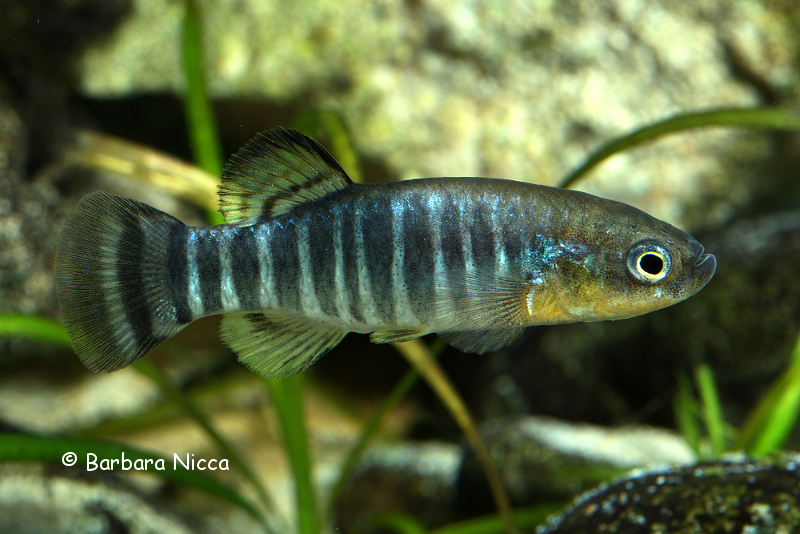
Aphaniops sirhaniAzraq Toothcarp
Villwock, Scholl & Krupp, 1983
Max length50mm SL2.0in SLTank120 × 30cm48 × 12inTemp10–35°C50–95°FpH7.0–8.5Phylogenetic studies have shown this species to be most closely related to A. dispar, A. richardsoni and A. ginaonis within the genus. It probably became isolated when the Red Sea flooded the Wadi Sirhan around 13 million years ago. You 're unlikely to find it on sale in aquatic stores although it may be available via specialist breeders or associations from time-to-time. While Aphanius spp. are certainly not as colourful as some of their relatives their interesting behaviour and continuous acti...
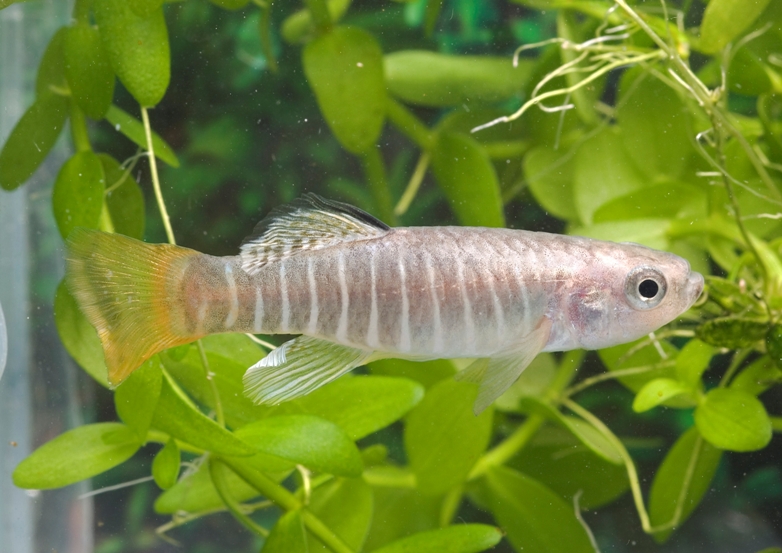
Aphanius fasciatusMediterranean Toothcarp
Valenciennes, 1821
Max length55mm SL2.2in SLTank120 × 30cm48 × 12inTemp2–30°C36–86°FpH7.5–9.0A 2003 phylogenetic study by Hrbek and Meyer showed that in genetic terms specimens of A. fasciatus collected from different localities do not vary as much as with other members of the genus. The latter tend to exist in geographically separated populations and exhibit localised differentiation. While A. fasciatus does show certain disparities in appearance depending on locality it is thought that periodic migration events have restricted the development of genetic diversity within the species to...
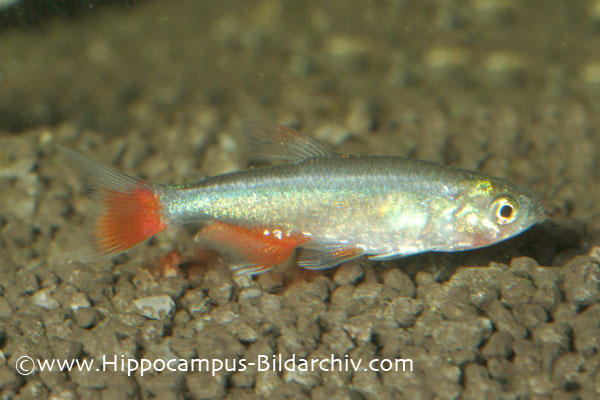
Aphyocharax anisitsiBloodfin Tetra
Eigenmann & Kennedy, 1903
Max length55mm SL2.2in SLTank60 × 30cm24 × 12inTemp18–28°C64–82°FpH6.0–8.0A good beginner's tetra, as it's a hardy species that will adapt to a relatively wide range of conditions. In a well-insulated house it can even be kept in an unheated tank, although it won't be as colourful as when kept in warmer water. It's also quite long-lived and captive specimens over ten years old are not unheard of...
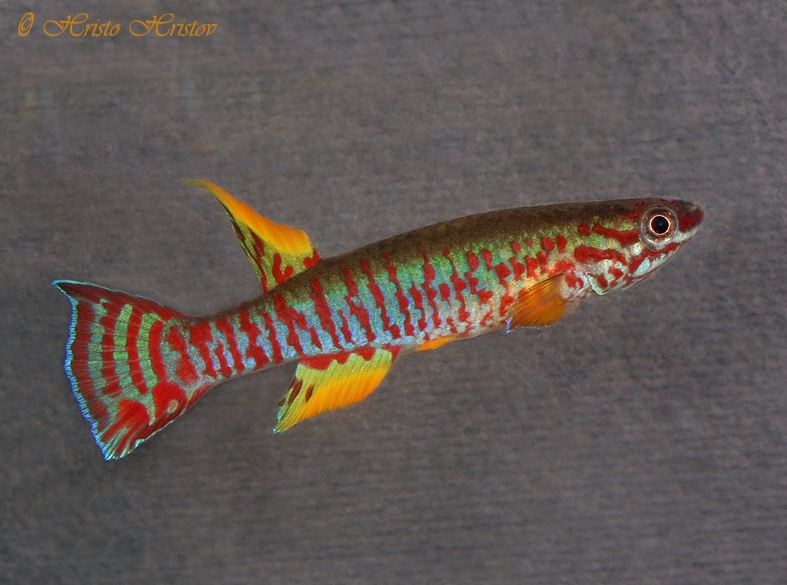
Aphyosemion bualanumBouala Lyretail
Ahl, 1924
Max length50mm SL2.0in SLTanknot recordedTempnot recordedpHnot recordedDescribed from 'Buala, Cameroon', which corresponds to modern-day Bouala in Central African Republic. It's known distribution includes parts of northern Cameroon, western Central African Republic, southeastern Chad and possibly eastern Nigeria in the upper Benue and Mayo Kébbi river systems. The specific name was mis-used to refer to various populations of the congener A. elberti prior to 1990, and we've been unable to confirm if the specimen pictured here is correctly identified or not. It is listed as 'endangered' by the IUCN.
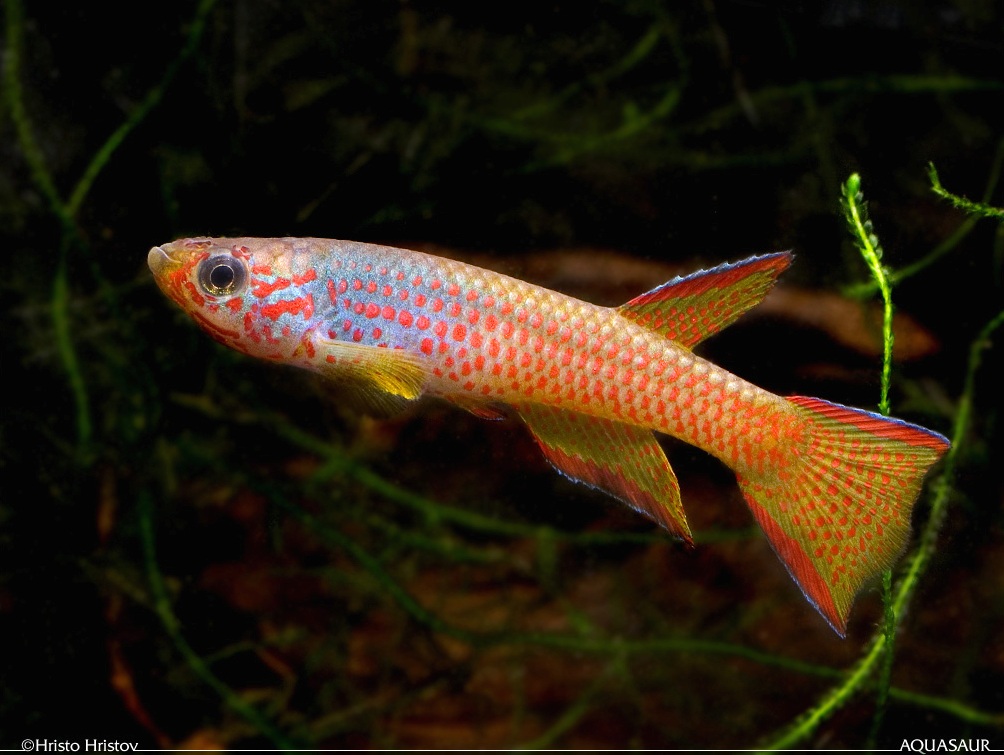
Aphyosemion cognatumRed-Spotted Lyretail
Meinken, 1951
Max length50mm SL2.0in SLTanknot recordedTempnot recordedpHnot recordedThe type material was derived from a commercial shipment of fishes from Leopoldville, now Kinshasa, Democratic Republic of Congo, and presumed to have been collected in the vicinity. The precise extent of its distribution unknown but appears extensive in the middle and lower Congo regions, with specimen collected from Lac Fwa (Sankuru River drainage, a Congo River tributary), many hundreds of kilometres west of Kinshasa, identified as belonging to this species.
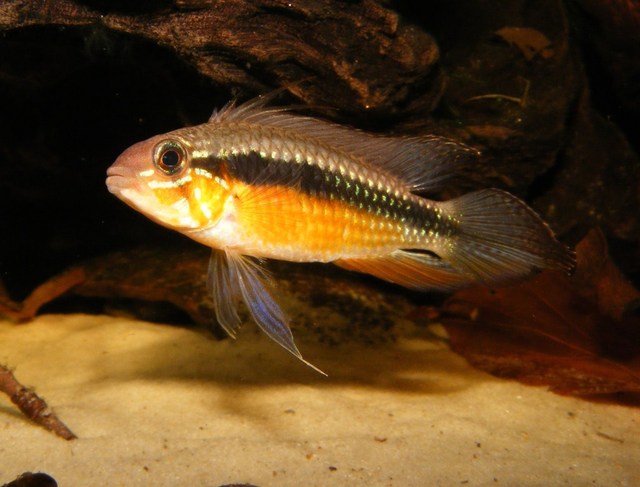
Apistogramma elizabethaeA208
Kullander, 1980
Max length50mm SL2.0in SLTank45 × 30cm18 × 12inTemp23–29°C73–84°FpH4.0–6.0The form from the rio Içana tends to have more blue markings on the head than that from the Uaupés, while a reddish population apparently collected close to the settlement of Tucana (sometimes mis-spelled 'Tucano') on the Uaupés is sometimes traded as A. elizabethae 'super red'. Apistogramma is among the most speciose of South American cichlid genera with around 70 species valid at present but many more awaiting description.