Results for “aquatic”
Type a name: scientific, common, or one a species used to go by. Or narrow the catalogue with the filters.
Filters
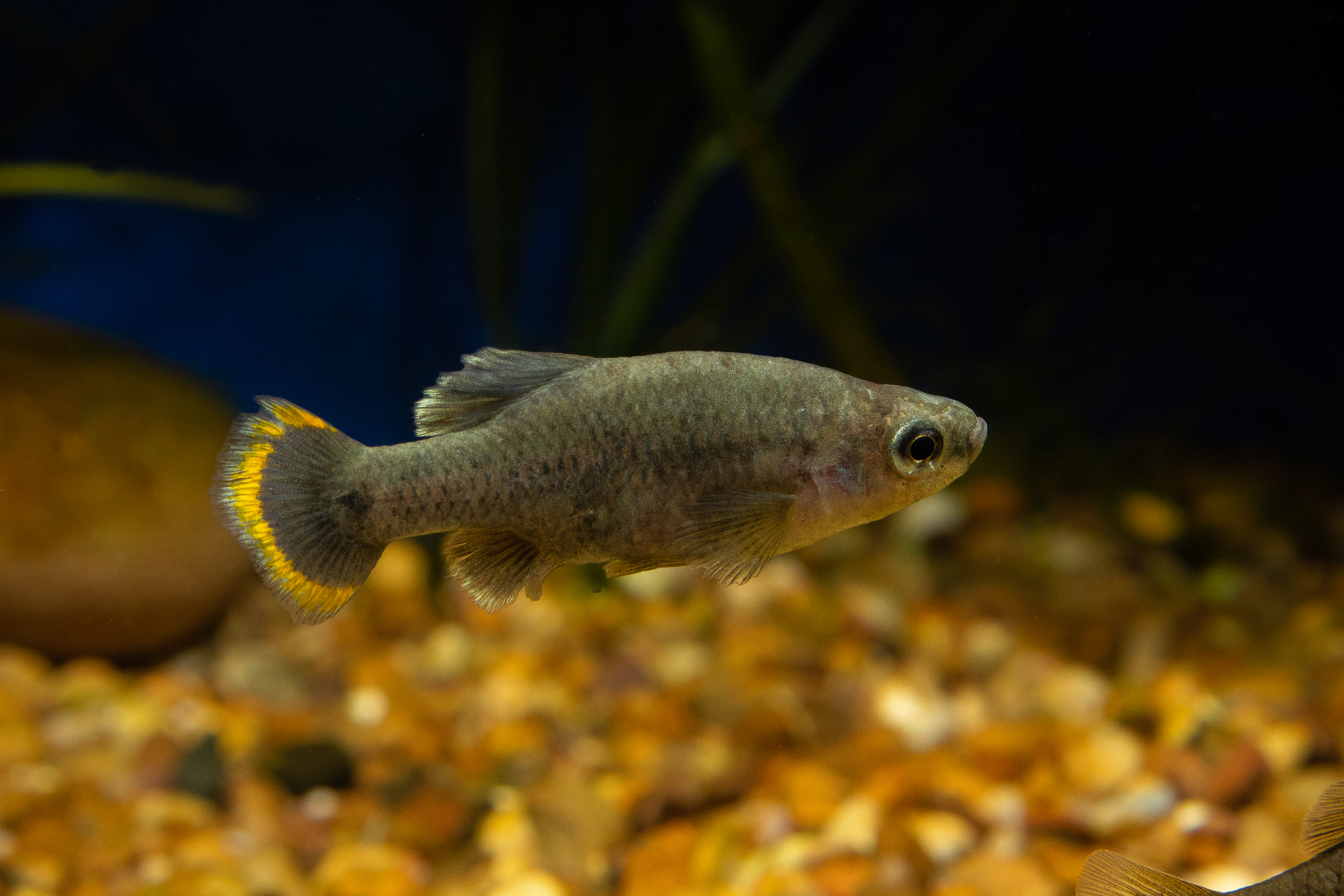
Zoogoneticus tequilaTequila Splitfin
Webb & Miller, 1998
Max length♂ 30 · ♀ 50mm SL♂ 1.2 · ♀ 2.0in SLTank90 × 30cm36 × 12inTemp17–27°C63–81°FpH6.8–7.6A single male of the Tequila Splitfin was sampled in 1955 by Miller and Greenbank, but identified erroneously as Zoogoneticus quitzeoensis, with which species it was collected and found sympatrically . Many years later, the mistake was detected, the fish identified as a new species and finally, 43 years after the first capture, described by Webb and Miller. In 2001, a wild population of this species was rediscovered in a very small spring pool (3 x 4m in diameter). The population there was composed of only a handful of adult fish and a few tens of juveniles (De la Vega-Salazar et al., 2003). In 2007, N. W. Bailey et al showed, that the allelic richness of this population (though it was comparable in size to an aquatic stock) was higher than in any aquatic stock. In 2013 the loss of this population was reported (pers. comm. Domínguez), so there is not much hope that this species is still persisting in the wild.
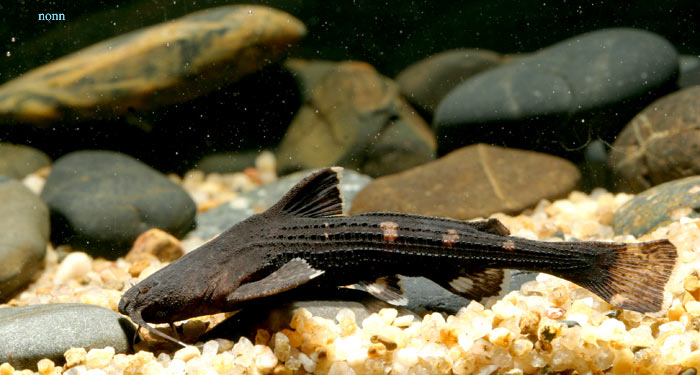
Acrochordonichthys rugosusAsian Banjo Catfish
Bleeker, 1846
Max length110mm SL4in SLTank90 × 30cm36 × 12inTemp17.5–24°C64–75°FpH5.0–7.0This is the most commonly-encountered representative of the genus in the aquatic trade though is by no means common. As in other members of the genus body colouration is highly variable, even among individuals collected from a single locality, although a few useful regularities have been observed which can be used to distinguish certain species. This is thought related to the fact that Acrochordonichthys spp. periodically shed their skins and appear paler post-moulting. A. rugosus lends its ...
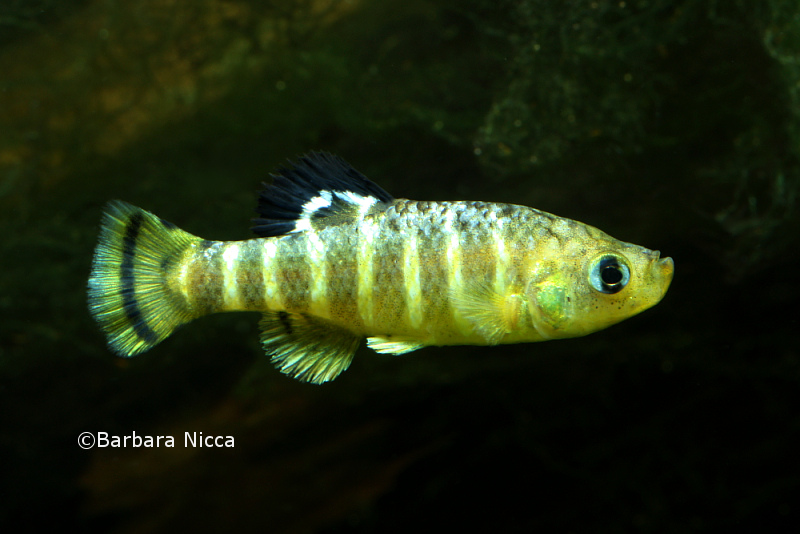
Anatolichthys anatoliaeAnatolian Toothcarp
Leidenfrost, 1912
Max length55mm SL2.2in SLTank120 × 30cm48 × 12inTemp2–30°C36–86°FpH7.0–8.5A. anatoliae is the most widely-distributed of the Anatolian Aphanius species although like most of its congeners is not easy to come by in the hobby. You are unlikely to find it on sale in aquatic stores although it may be available via specialist breeders or associations from time-to-time. While Aphanius spp. are certainly not as colourful as some of their relatives their interesting behaviour and continuous activity make them fascinating aquarium subjects and well worth a try if you possess the de...
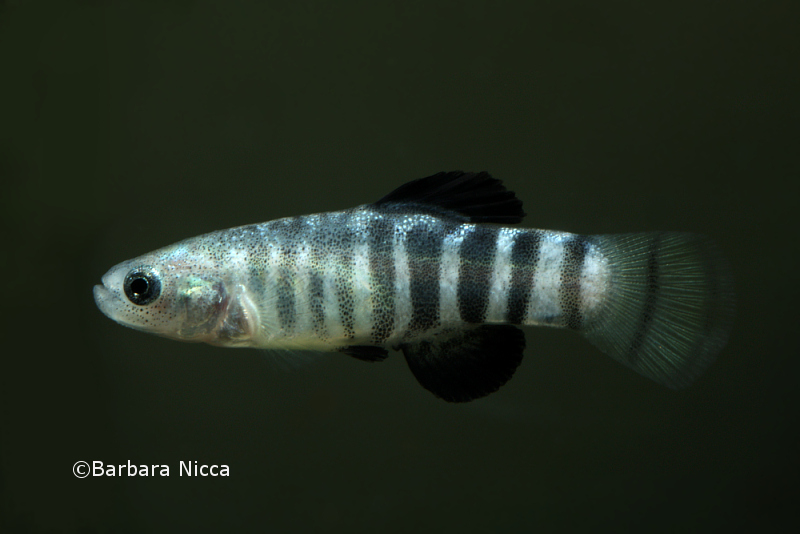
Anatolichthys transgrediensAcı Toothcarp
Ermin, 1946
Max length50mm SL2.0in SLTanknot recordedTempnot recordedpH8.0–10.0The modified lower jaw and reduced scalation exhibited by this little-known species have seen it placed in the disused genera Anatolichthys and Turkichthys in the past and it is still sometimes listed as a species of Lebias although that generic name has long been considered a synonym of Cyprinodon by most authorities and an ICZN committee voted to suppress the name in favour of Aphanius as recently as 2003. You're unlikely to find it on sale in aquatic stores although it ma...
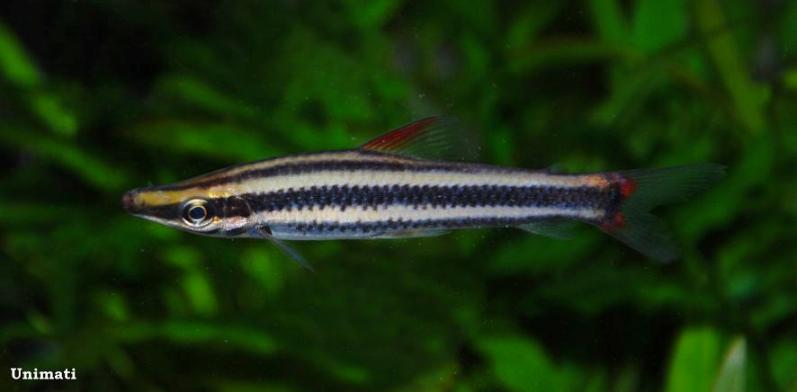
Anostomus anostomusStriped Headstander
Linnaeus, 1758
Max length200mm SL8in SLTank120 × 30cm48 × 12inTemp20–28°C68–82°FpH5.5–7.5A biotope-style set-up could consist of a sandy substrate, piles of smooth rocks and driftwood roots and branches, some of which should penetrate the water surface. Aquatic vegetation can be included if you wish but is likely to be eaten.
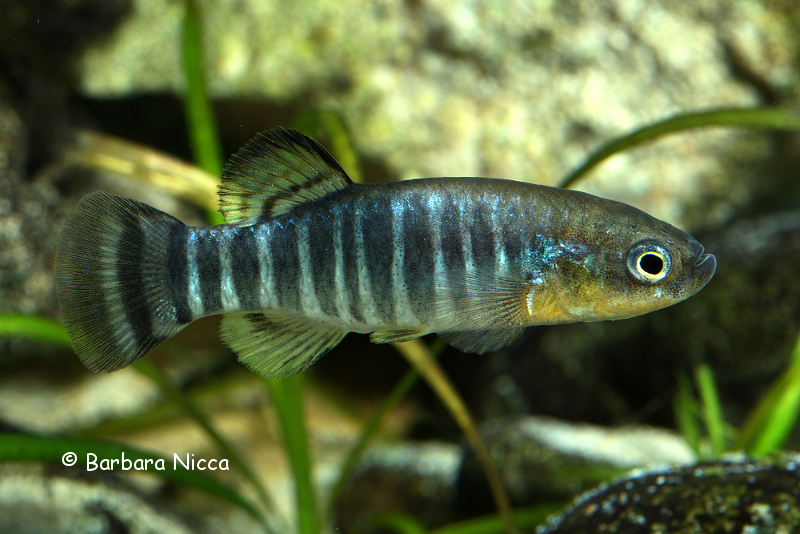
Aphaniops sirhaniAzraq Toothcarp
Villwock, Scholl & Krupp, 1983
Max length50mm SL2.0in SLTank120 × 30cm48 × 12inTemp10–35°C50–95°FpH7.0–8.5Phylogenetic studies have shown this species to be most closely related to A. dispar, A. richardsoni and A. ginaonis within the genus. It probably became isolated when the Red Sea flooded the Wadi Sirhan around 13 million years ago. You 're unlikely to find it on sale in aquatic stores although it may be available via specialist breeders or associations from time-to-time. While Aphanius spp. are certainly not as colourful as some of their relatives their interesting behaviour and continuous acti...
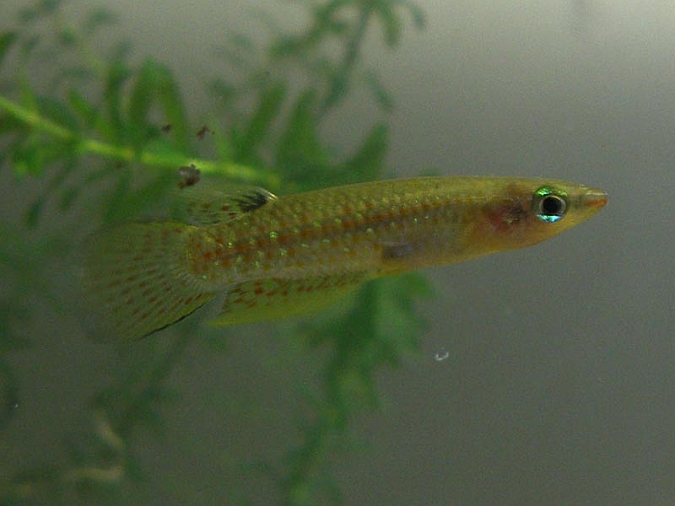
Aplocheilus parvusDwarf Panchax
Sundara Raj, 1916
Max length40mm SL1.6in SLTank45 × 30cm18 × 12inTemp20–28°C68–82°FpH6.0–8.5Aplocheilus spp. are surface-dwelling predators preying on both aquatic and terrestrial invertebrates. In the aquarium they will learn to accept dried foods in most cases but should also be offered regular meals of small live or frozen fare such as Artemia, Daphnia, chironomid larvae (bloodworm), etc.
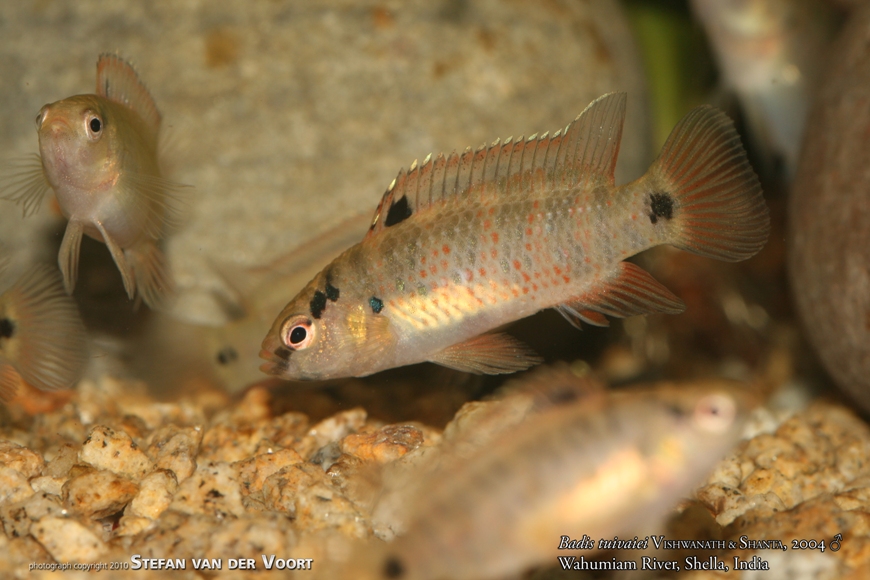
Badis tuivaiei
Vishwanath & Shanta, 2004
Max length85mm SL3.3in SLTank60 × 30cm24 × 12inTemp20–24°C68–75°FpH6.5–7.5This fish has yet to appear in the aquatic trade and only been exported in extremely limited numbers to date. Specimens collected from the Wahumiam River close to the settlement of Shella Bholaganj by Peter Cottle and Andrew Rao in 2006 were initially considered an undescribed species and referred to as B. sp.'Wahumiam River' or B. sp. 'terracotta', but later found to match B. tuivaiei in terms of morphology, meristics, etc. (S. van der Voort, pers. comm.).
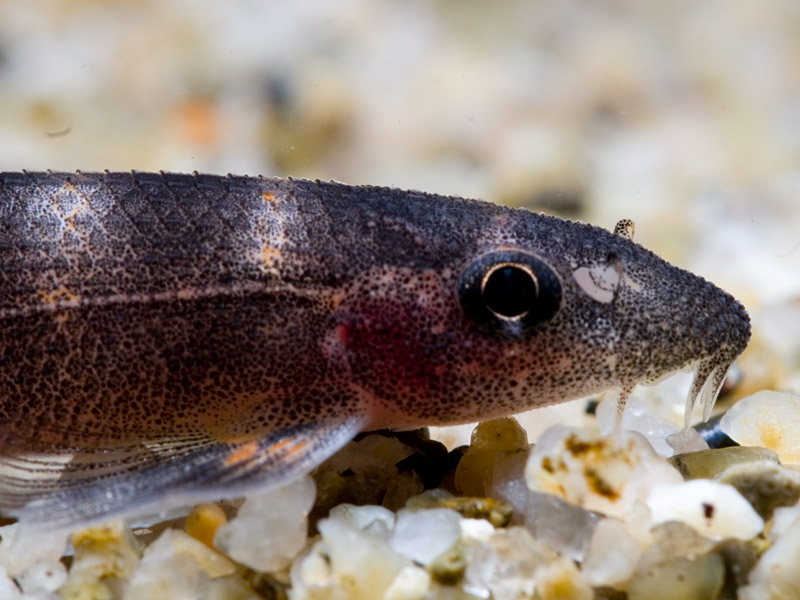
Balitoropsis zollingeri
Bleeker, 1853
Max length70mm SL2.8in SLTank60 × 30cm24 × 12inTemp20–25.5°C68–78°FpH6.0–7.5An obligate dweller of swiftly-flowing streams and headwaters containing clear, oxygen-saturated water. It often inhabits riffles and runs and is likely to show a preference for shallower zones. Substrates are generally composed of gravel, rocks, boulders or bedrock carpeted with a rich biofilm formed by algae and other micro-organisms. Juveniles are often found in slower-moving stretches with gravel substrate and submerged tree roots. In both cases patches of aquatic plants are only occasionally pres...
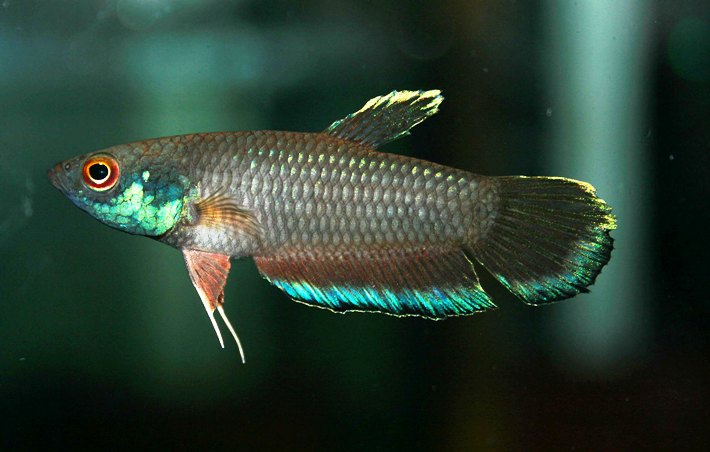
Betta taeniata
Regan, 1910
Max length55mm SL2.2in SLTank60 × 30cm24 × 12inTemp22–27°C72–81°FpH5.0–7.0At one locality close to Serian, Sarawak, the habitat comprised a swiftly-flowing, clear hill stream with a substrate of quartz gravel and variably-sized rocks. The pH was 7.0 and there was no aquatic vegetation. The stream was approximately 10 metres across at its widest point and between 5-80 cm deep. B. taeniata was found in sluggish stretches among submerged tree roots, leaf litter, or overhanging riparian vegetation.
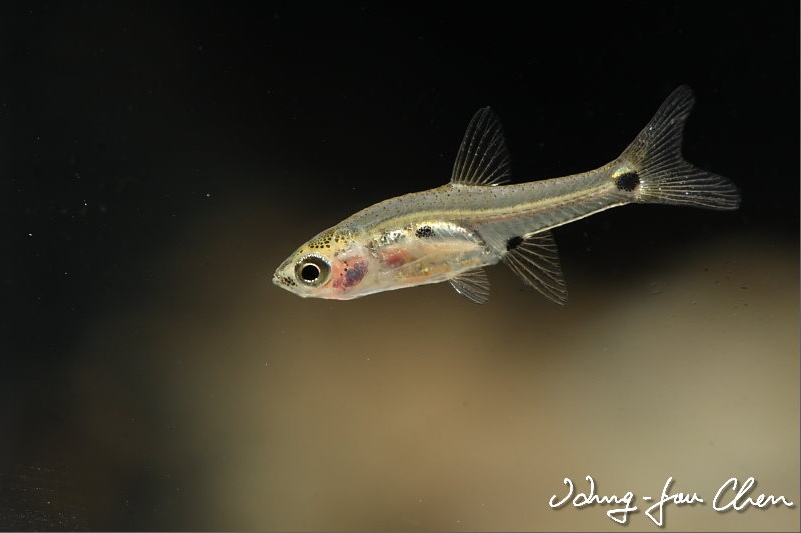
Boraras micros
Kottelat & Vidthayanon, 1993
Max length13mm SL0.5in SLTank45 × 30cm18 × 12inTemp20–28°C68–82°FpH6.0–7.0Bung Khong Long is a lake and confirmed locality in Nong Khai province, Thailand. Aquatic plant species in the lake and surrounding floodplain include Hydrilla verticillata, Ceratophyllum dermersum, Chara zeylanica and Blyxa echinosperma. Salvinia cucullata is found floating on the surface and emergent plants comprise Eleocharis dulcis, Nelumbo nucifera, Lepironia articulata and Nymphaea lotus.
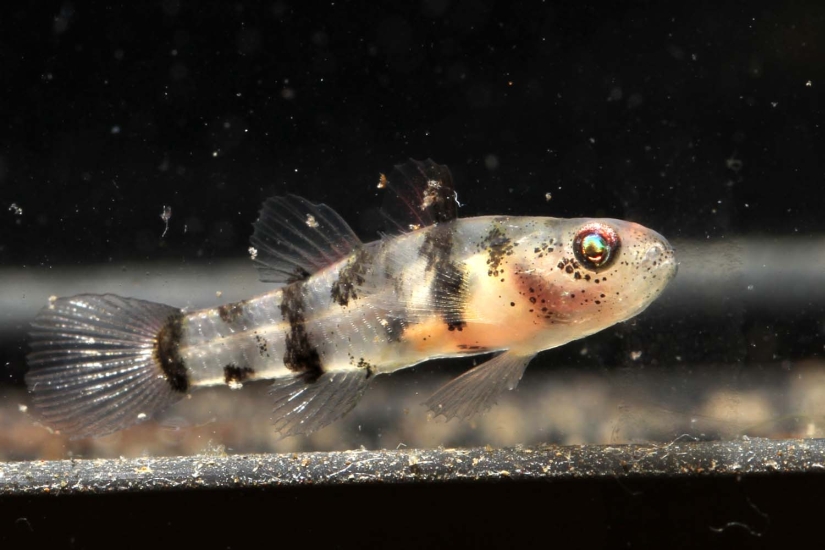
Brachygobius mekongensisMekong Bumblebee Goby
Larson & Vidthayanon, 2000
Max length18mm SL0.7in SLTank45 × 30cm18 × 12inTemp22–28°C72–82°FpH5.5–7.5Apparently restricted to slow-moving or standing freshwater habitats such as marshes, temporal swamps and floodplains where aquatic vegetation and submerged grasses proliferate. One locality consisted of undisturbed marshland with lightly tannin-stained water and dense growth of Vallisneria spp.
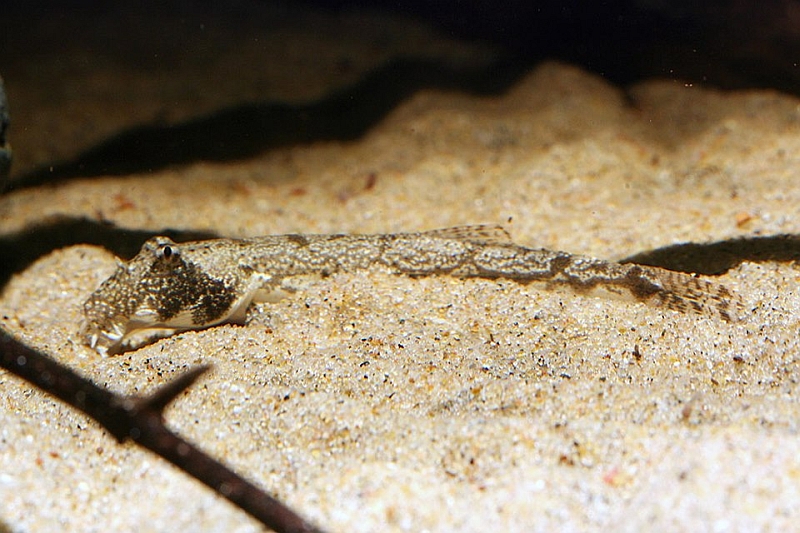
Canthophrys gongotaMoose-faced Loach
Hamilton, 1822
Max length110mm SL4in SLTank90 × 30cm36 × 12inTemp18–22°C64–72°FpH6.0–7.0Mostly known from slow-moving, relatively shallow tributaries and minor rivers with substrates of mud, sand or gravel. Aquatic plants are only occasionally present but riparian vegetation apparently grows thickly at some localities. In the Schutunga River, part of the Mansai River drinage which is itself a tributary of the Brahmaputra in West Bengal state, In...
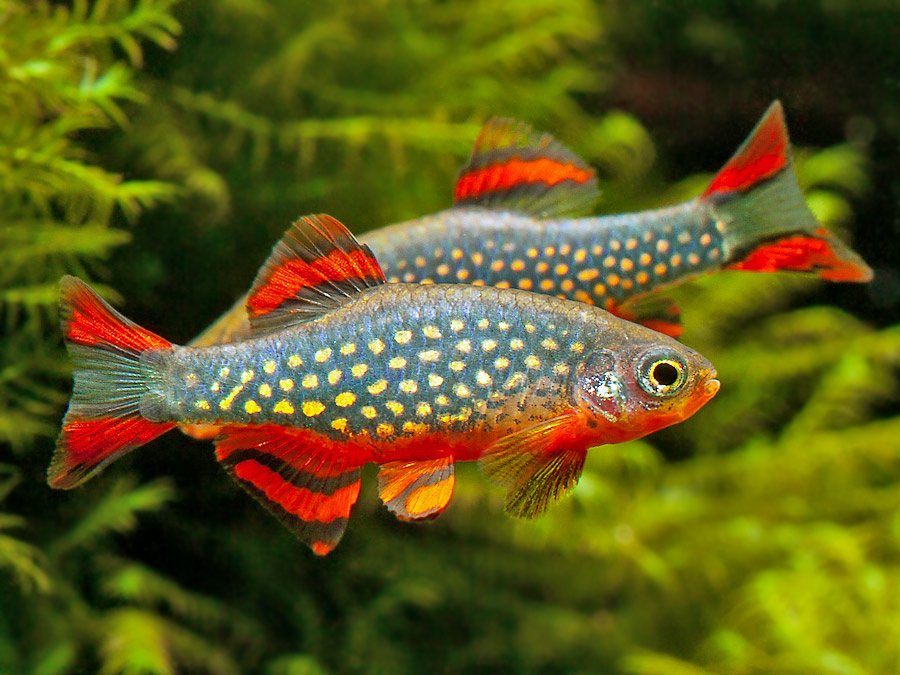
Celestichthys margaritatusCelestial Pearl 'Danio'
Roberts, 2007
Max length21mm SL0.8in SLTank45 × 30cm18 × 12inTemp20–26°C68–79°FpH6.5–7.5The type locality is an area of permanently-flooded grassland formed by the damming of a spring for agricultural purposes. The water is only around 30cm deep, transparent and supports dense growths of aquatic plants, mostly from the family Hydrocharitaceae which includes such genera as Elodea, Egeria and Blyxa. Sympatric species included Devario sondhii, a Microrasbora very similar to M. rubescens, an undescribed Yunnanilus known to aquarists as the 'rosy' loach and Channa harcourtbutleri.
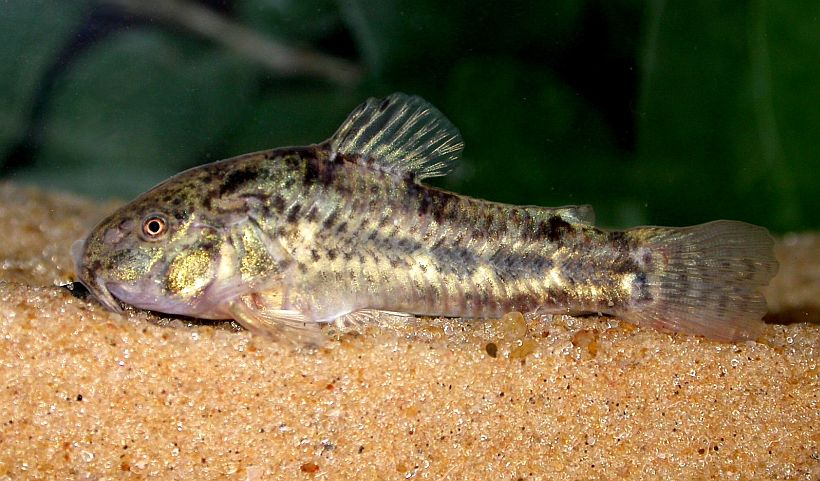
Corydoras gladysae
Calviño & Alonso, 2010
Max length38mm SL1.5in SLTank60 × 30cm24 × 12inTemp8–16°C46–61°FpH7.5–8.5The Río Calchaquí rises at almost 6000 m AMSL and flows swiftly through a mountainous valley where it is largely fed by snow melt. The climate is semi-arid and cool with an air temperature of 12-18°C, while rainfall is largely concentrated during summer when the flow can be torrential. The water is hard and rich in salts, with pH measured at 8.04 during the month of August. Aquatic vegetation and filamentous algae grow around the margins and in tributaries.
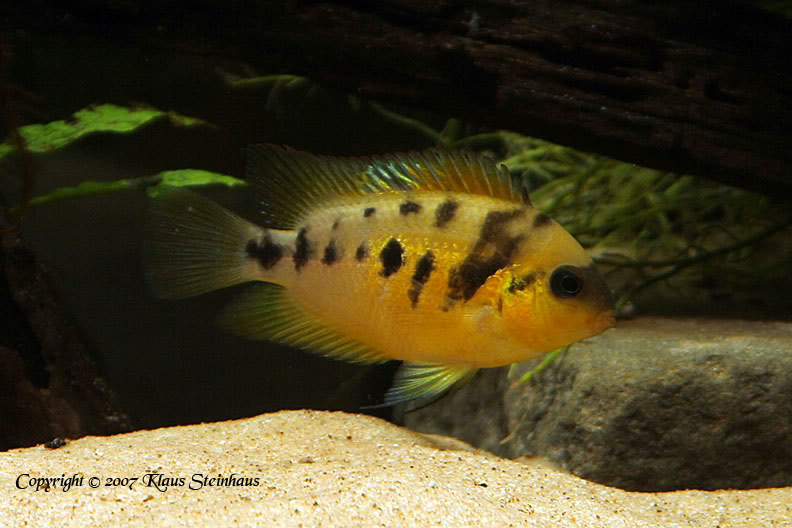
Cryptoheros nanoluteus
Allgayer, 1994
Max length65mm SL2.6in SLTank90 × 30cm36 × 12inTemp23–26°C73–79°FpH5.0–7.5Inhabits moderate to fast-flowing, well-oxygenated, lowland streams and rivers with pH measured to range between 5.4 and 8.0 and temperature 22-31°C/71.6-87.8°F, while conductivity at one habitat was 600 µS. Substrates may be composed of open mud or sand, or strewn with variably-sized boulders depending on locality, while aquatic plants have not been observed. It occurs sympatrically with the convict cichlid, Amatitlania nigrofasciata with oth...
Ctenopoma acutirostreLeopard Bushfish
Pellegrin, 1899
Max length150mm SL6in SLTank120 × 30cm48 × 12inTemp20–28°C68–82°FpH5.5–7.5An ideal species for the newcomer to 'oddballs'. It is exceptionally hardy, long-lived (it can survive for over 15 years when cared for properly) and exhibits some interesting behaviour. It appears to have evolved convergently with leaf fish of the genera Polycentrus and Monocirrhus (they're not closely related). All these species mimic leaves and other aquatic debris to assist them in hunting their prey. If you add live food to its tank, you will see the typical stalking behaviou...
Ctenopoma weeksiiMottled Bushfish
authority not recorded
Max length100mm SL3.9in SLTanknot recordedTemp24–28°C75–82°FpH6.2–7.2There are currently 20 species of Ctenopoma, most of which most are seldom seen in the aquatic trade. Originally the genus was significantly larger, but a number of original members were reclassified by Norris in 1995. Whilst describing what were apparently two new Ctenopoma, he discovered sufficient morphological anomalies in the fish to erect a new genus for them. The name Microctenopoma was chosen, although this does not relate to the size of the fish. Similar defining characteristics were al...
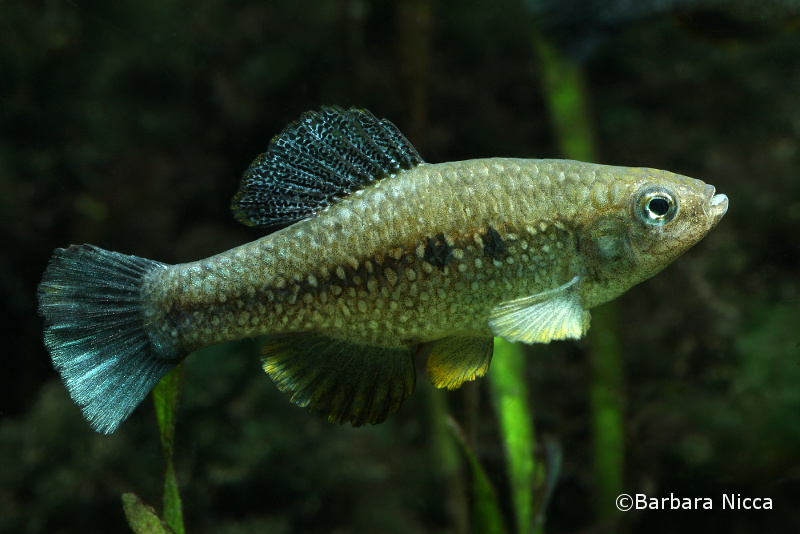
Cualac tessellatusCheckered Pupfish
Miller, 1956
Max length70mm SL2.8in SLTank60 × 30cm24 × 12inTemp20–30°C68–86°FpH7.5–8.5Endemic to a handful of natural springs in the Río Verde valley, San Luis Potosí state, Central Mexico. The valley is believed to have once been filled by a large lake and the relict springs are part of the elevated Río (river) Verde basin which later drains into the much larger Río Pánuco system. Much of the aquatic fauna found in the valley is endemic to the area but in many cases threatened by introduced species.
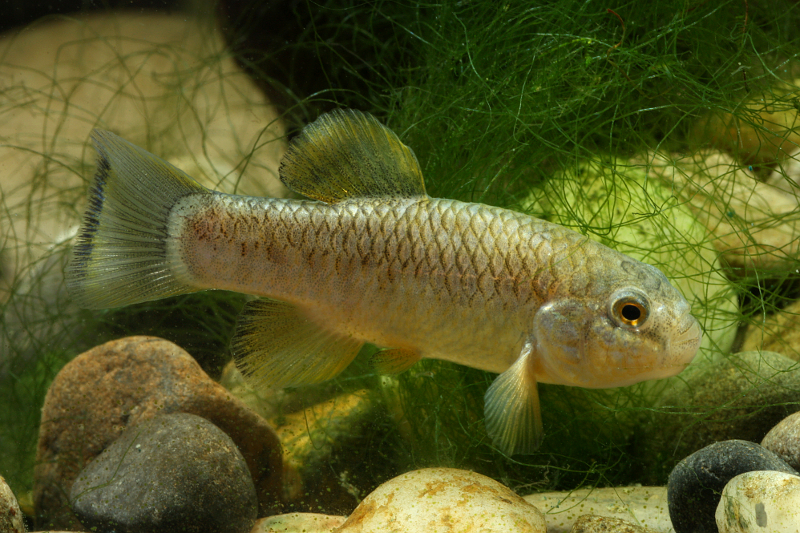
Cyprinodon pachycephalus
Minckley & Minckley, 1986
Max length45mm SL1.8in SLTank60 × 30cm24 × 12inTempnot recordedpHnot recordedNeed not be too complicated so long as there are plenty of broken lines-of-sight. Provide plenty of cover in the form of aquatic plants, wool mops, etc., and if using filtration air-powered, sponge-type units are best as these will not harm eggs or fry. Lighting is unimportant but can be use...