Results for “blackwater”
Type a name: scientific, common, or one a species used to go by. Or narrow the catalogue with the filters.
Filters
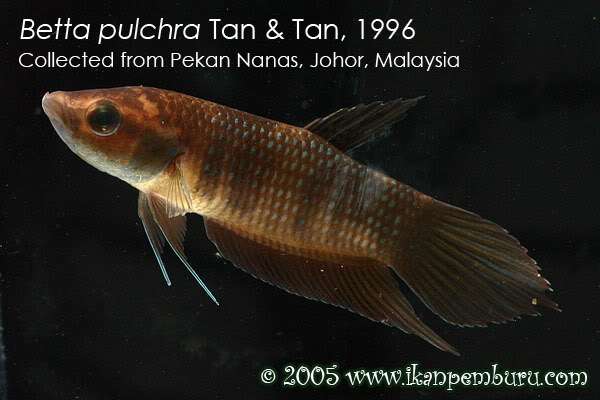
Betta pulchra
Tan & Tan, 1996
Max length60mm SL2.4in SLTank80 × 30cm31 × 12inTemp22–27°C72–81°FpH3.5–6.5Restricted to remnant blackwater habits in heavily-disturbed areas of former peat swamp forest, the original vegetation having been cleared to make space for plantations of oil pal, pineapple and rubber. It's now typically found among overhanging marginal vegetation of irrigation canals, with sympatric species including Belontia hasseltii, Betta bellica, B. imbellis, Sphaerichthys osphromenoides, Parosphromenus sp., and Trichopsis vittata. PH in its natural waters has been recorded over the range 3.9 - 4.2.
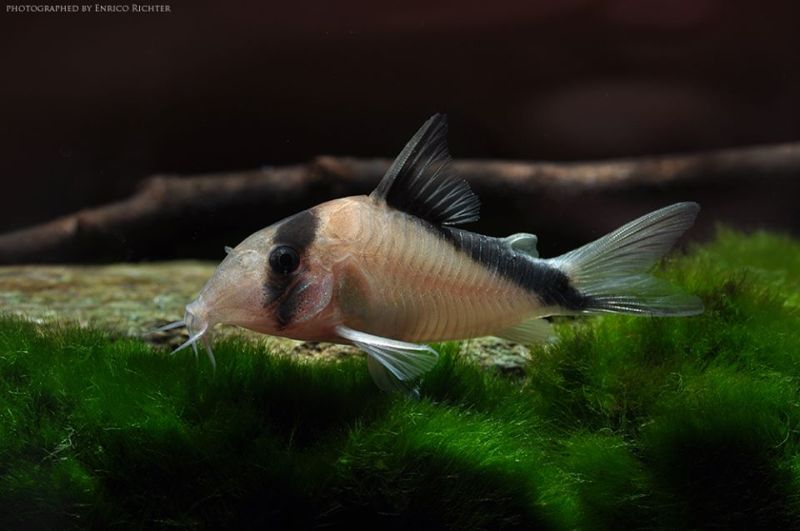
Corydoras davidsandsiSand's Cory
Black, 1987
Max length60mm SL2.4in SLTank90 × 30cm36 × 12inTemp20–28°C68–82°FpH5.0–7.0The type series was said to have been collected from a "whitewater area", but images of the rio Unini depict a blackwater system typical of the rio Negro basin, and this is supported by empirical evidence. There are sections of rapidly-flowing water so perhaps this is what the author was referring to. Habitats should therefore comprise tributaries and areas of flooded forest where the water is...
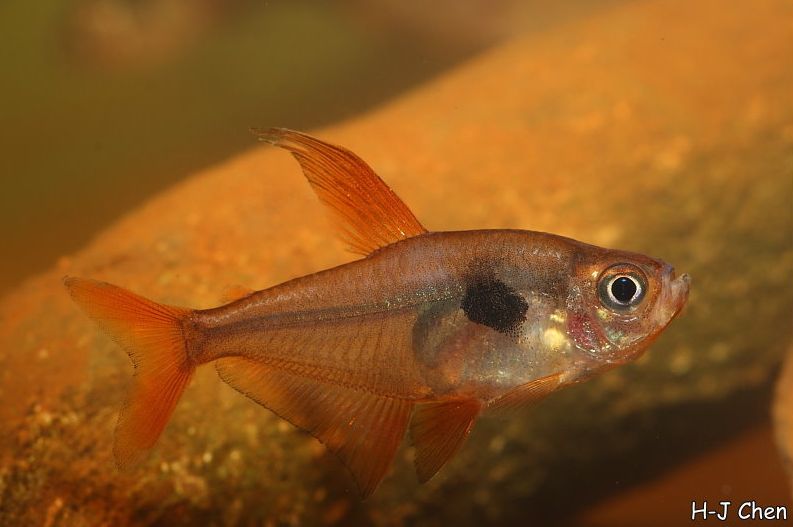
Hyphessobrycon sweglesiRed Phantom Tetra
Géry, 1961
Max length35mm SL1.4in SLTank80 × 30cm31 × 12inTemp20–28°C68–82°FpH4.5–7.5At least two colour forms have been traded, one of which is more intensely-coloured and has been referred to as H. sweglesi 'red' or 'rubra'. The bright red pigmentation is retained in long-term captive specimens, suggesting that it is not considered to be an artefact of diet, but we suspect it might reflect conditions at the collection locality with the reddest fish putatively inhabiting blackwater and plainer forms clearwater environments. Zarske (2014) found the two forms to be identical in terms of morphology an...
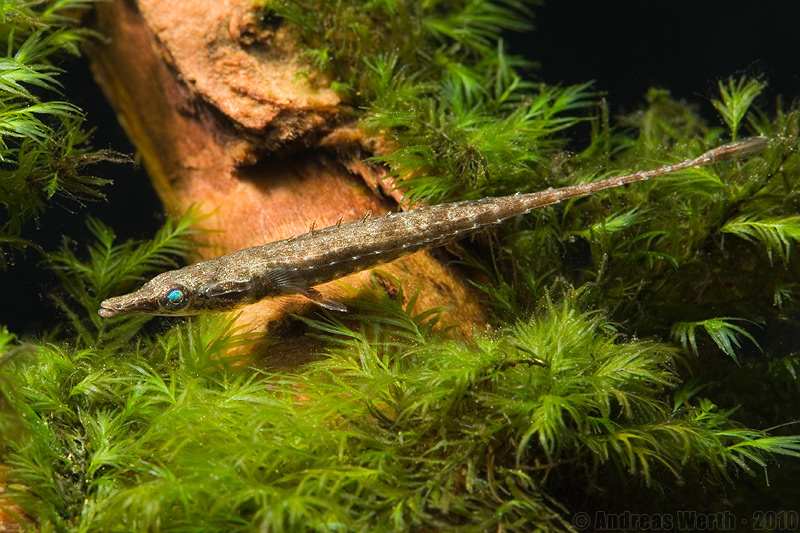
Indostomus crocodilus
Britz & Kottelat, 1999
Max length30mm SL1.2in SLTank40 × 20cm16 × 8inTemp22–27°C72–81°FpH5.0–7.0The type series was collected from a blackwater stream in Toh Daeng Peat swamp forest with the fish found in slow-moving or standing habitats among submerged shoreline roots and leaf litter. In the Tapi River floodplain it was collected from stagnant waters, one of which was an oxbow lake approximately 200 m long and 30 m across at its widest point, surrounded by 'freshwater scrub and swamp trees'. The substrate was composed of mud, woody structures including fallen twigs and branches, and decomposing plant material.
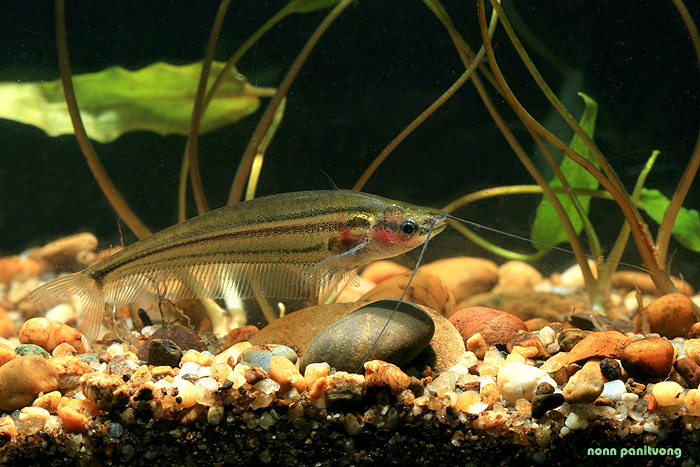
Kryptopterus macrocephalusStriped Glass Catfish
Bleeker, 1858
Max length100mm SL3.9in SLTank120 × 30cm48 × 12inTemp20–26°C68–79°FpH4.0–7.0Has been recorded in fast-flowing environments but most commonly associated with peat swamp forests and associated blackwater streams. Many such habitats have suffered degradation of some kind but in unaltered cases the dense canopy of branches above means very little light penetrates the surface of such environments, and riparian vegetation also tends to grow thickly.
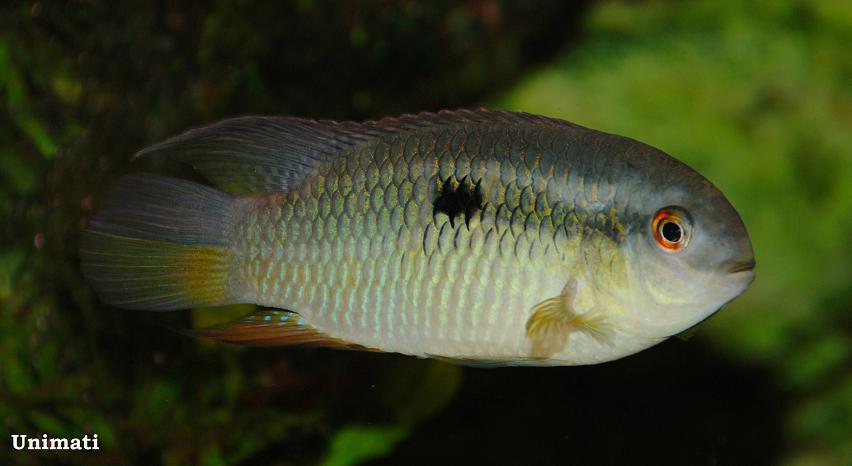
Laetacara fulvipinnis
Staeck & Schindler, 2007
Max length75mm SL3.0in SLTanknot recordedTemp20–28°C68–82°FpH4.0–7.0Has been collected from habitats containing clear, soft, acidic, tea-coloured blackwater, most typically among leaf litter or submerged vegetation in very shallow (10-50 cm depth) water along the margins of streams and other minor tributaries. At a village called El Niñal close to the mouth of the rio Pasimoni in the Casiquiare drainage pH was...
Loricaria simillimaMarbled Whiptail
authority not recorded
Max length180mm SL7in SLTanknot recordedTemp24–27°C75–81°FpH5.6–7.8The pictures here show the fish that is most commonly referred to as L. simillima, but there is a great deal of uncertainty surrounding its true identity. As suggested above, it seems unlikely that its natural distribution is so wide, and we are probably dealing with several species or subspecies. This argument is strengthened by the fact that several differently coloured fish are imported as this species, with darker specimens being collected from acidic blackwaters and lighter fish hailing fro...
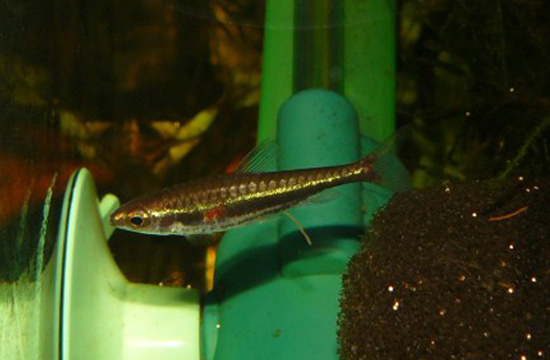
Nannostomus minimusLeast Pencilfish
Eigenmann, 1909
Max length23mm SL0.9in SLTank45 × 30cm18 × 12inTemp22–28°C72–82°FpH4.0–6.5Inhabits sluggish blackwater tributaries, small rivers and swampy areas, particularly in areas with dense growth of aquatic or overhanging riparian vegetation, submerged woody structures and leaf litter. The water is typically stained darkly with humic acids and other chemicals released by decaying organic material, the dissolved mineral content is generally negligible and pH can be as low as 4.0. N. minimus occurs sympat...
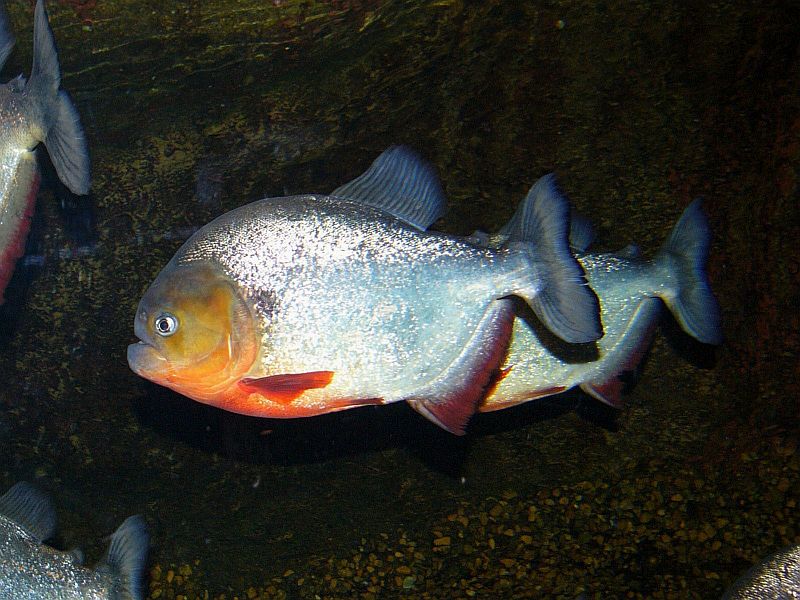
Pygocentrus caribaBlack Spot Piranha
Humboldt, 1821
Max length350mm SL14in SLTank240 × 90cm96 × 36inTemp20–28°C68–82°FpH4.0–7.0Has been recorded from major river channels, smaller tributaries, and floodplain lakes, many of which comprise acidic, mineral-poor blackwater environments with brownish, tannin-stained water, although it has been observed to inhabit clear waters as well. Many of its habitats lie within the Venezuelan and Colombian llanos, a vast, highly biodiverse system of tropical savannah grasslands, seasonally-flooded plains and forests covering an area measuring almost 600,000 square kilo...