Results for “cycling”
Type a name: scientific, common, or one a species used to go by. Or narrow the catalogue with the filters.
Filters
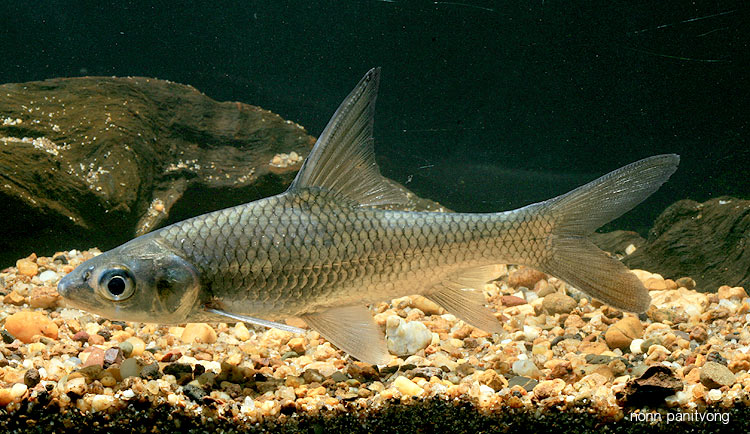
Cyclocheilos enoplos
Bleeker, 1849
Matched on Cyclocheilichthys dumerili, a name it was formerly known by
Max length750mm SL30in SLTanknot recordedTemp20–26°C68–79°FpH6.0–8.0In the Mekong, it has been observed to migrate upstream from Phnom Penh to Khone Falls between November and February, returning downstream between May and August. The downstream migration ends in the Mekong delta area in Vietnam, where the fish remain until the floods reach their peak in October and November. These lower Mekong migrations mostly comprise juveniles and sub-adults, whereas above Khone Falls...
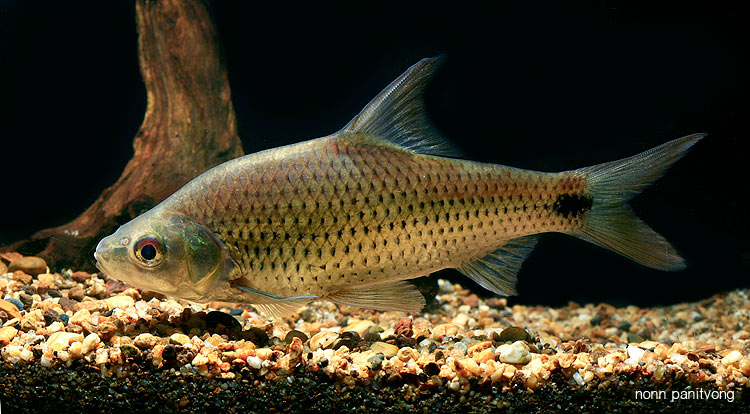
Cyclocheilichthys armatus
Valenciennes, 1842
Matched on Cyclocheilichthys siaja, a name it was formerly known by
Max length230mm SL9in SLTank180 × 60cm72 × 24inTemp20–26°C68–79°FpH6.0–8.0It can be distinguished from congeners by possessing one or two pairs of barbels, a black blotch at the base of the caudal-fin, and rows of dark spots along the lateral scale rows. Members of Cyclocheilichthys are characterised by possessing a serrated dorsal fin spine, 9 branched pelvic fin rays, a conical snout, small, subterminal...
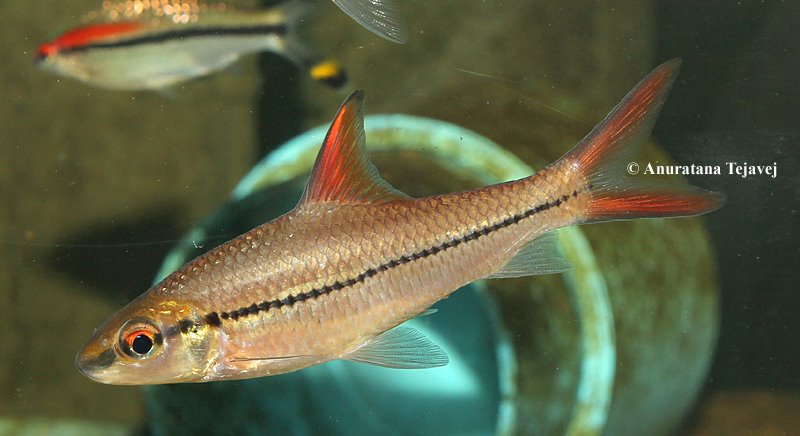
Cyclocheilichthys janthochir
Bleeker, 1854
Max length200mm SL8in SLTank180 × 45cm72 × 18inTemp22–27°C72–81°FpH4.0–7.0In the exceptionally diverse Danau Sentarum lake system of the upper Kapuas River basin, West Kalimantan, sympatric species include Scleropages formosus, Barbonymus gonionotus, B. schwanenfeldii, Crossocheilus nigriloba, Cyclocheilichthys apogon, C. repasson, Epalzeorhynchos kalopterus, Labiobarbus ocellatus , Leptobarbus hoevenii, Luciosoma spilopleura plus various representatives of Barbodes, Rasbora and Osteochilus.
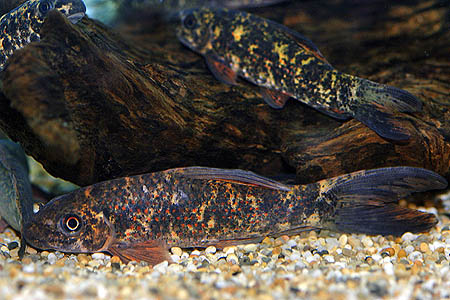
Labeo cyclorhynchusHarlequin Shark
authority not recorded
Max length160mm SL6in SLTanknot recordedTemp21–27°C70–81°FpH6.0–7.5L. cyclorhynchus was described twice in the space of two years, with Pellegrin erecting Labeo variegatus for it in 1901. Although the invalidity of the variegatus name is quite well-documented you may still see the species named as such in older literature, trade lists and by some websites. It's also worth noting that the attractive patterning seen in young fish does fade with age, the adults being much darker in colour. The genus Labeo currently contains over 100 species but is in dire ...
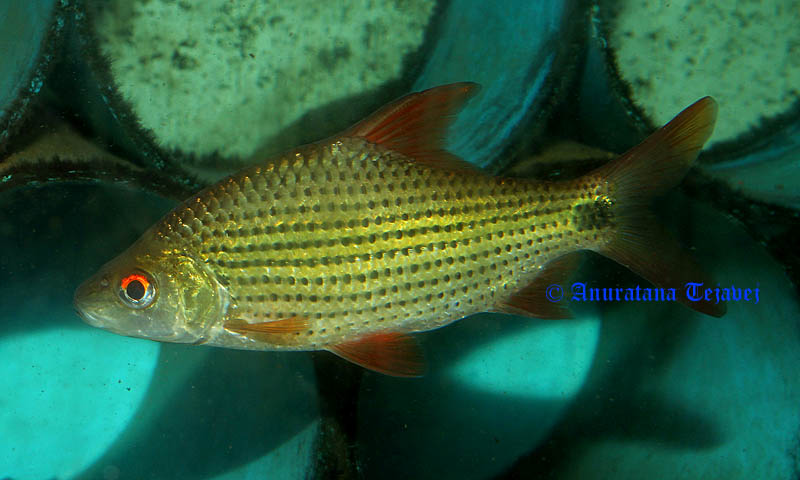
Cyclocheilichthys apogonBeardless Barb
Valenciennes, 1842
Matched on Cyclocheilichthys rubripinnis, a name it was formerly known by
Max length180mm SL7in SLTank180 × 45cm72 × 18inTemp20–27°C68–81°FpH5.5–8.0In the aquarium trade this species may also be seen on sale as 'skinhead barb'. As with others in the genus little has been written regarding its captive care but it makes a peaceful and unusual addition to larger aquaria. The best way of obtaining it may be to keep an eye on shipments of wild fishes from Indochina and the Greater Sunda Islands as it's rarely imported in large numbers and most often arrives as bycatch.
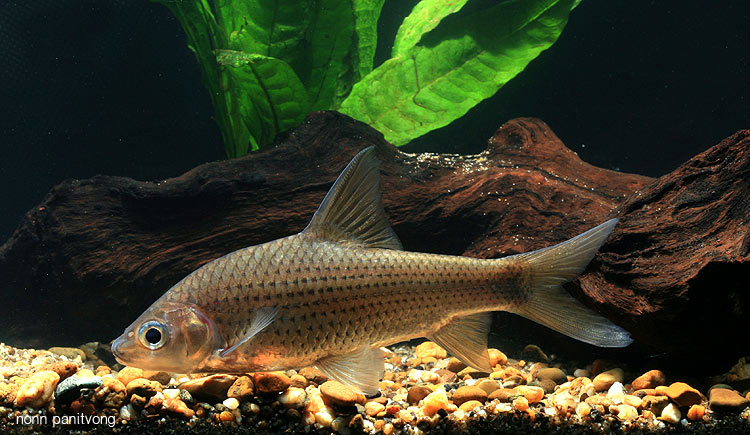
Cyclocheilichthys repasson
Bleeker, 1853
Matched on Cyclocheilichthys megalops, a name it was formerly known by
Max length280mm SL11in SLTank180 × 45cm72 × 18inTemp20–26°C68–79°FpH5.0–8.0An ideal resident of the larger, well-furnished community set-up though it might upset slow-moving or timid companions simply by its size. There are plenty of suitable tankmates including many cyprinids, loaches, cichlids, catfish and characins, but as always when selecting a compatible community of fish proper research is essential. A community based around one of its native countries or river basins...
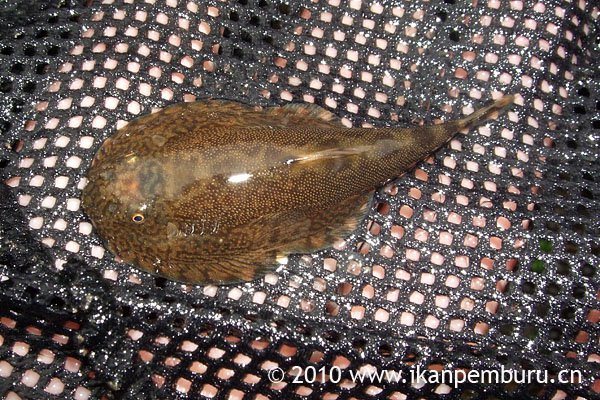
Beaufortia cyclica
Chen, 1980
Max length40mm SL1.6in SLTank80 × 30cm31 × 12inTemp16–24°C61–75°FpH6.0–8.5Known only from a handful of localities within the Xi River (Xi Jiang) drainage in Guangxi Zhuang Autonomous Region, southern China plus the Tuoniang river system in Funing County, southeastern Yunnan province. Type locality is 'West River, Longzhow Xian, Guangxi Province, China'.
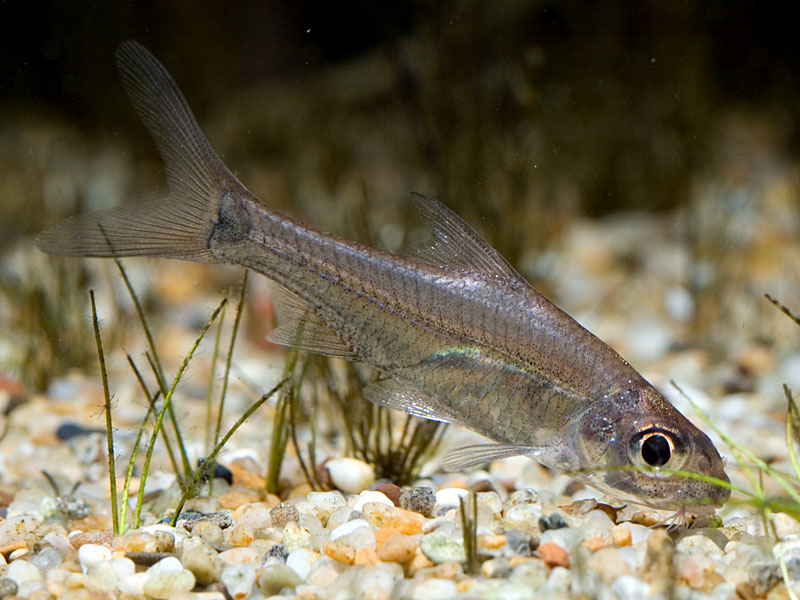
Cyclocheilichthys heteronema
Bleeker, 1854
Max length120mm SL5in SLTank120 × 45cm48 × 18inTemp21–26°C70–79°FpH6.0–7.5This species is currently understood to have a considerable natural range extending eastwards from Myanmar via Thailand, Laos, Cambodia as far as Vietnam and to the south through Peninsular Malaysia and into the Greater Sunda Islands of Borneo and Sumatra. It thus occurs in the Mekong, Mae Klong and Chao Phraya drainages as well as a host of other river basins, lakes and reservoirs including the Tonlé Sap river...
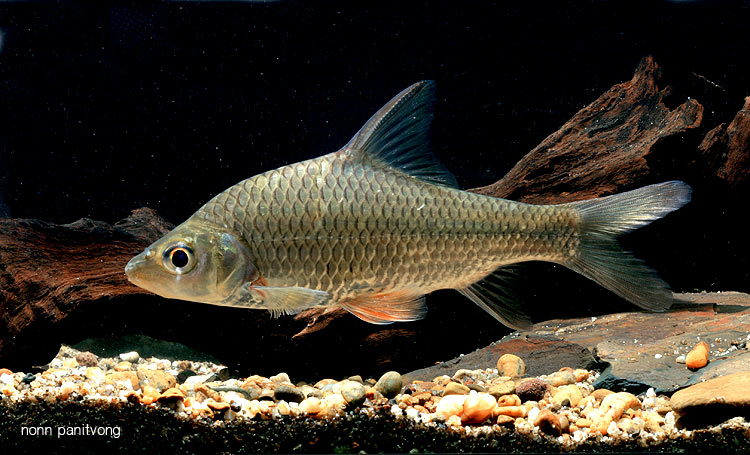
Cyclocheilichthys lagleri
Sontirat, 1985
Max length200mm SL8in SLTank180 × 60cm72 × 24inTemp20–26°C68–79°FpH6.0–8.0As with others in the genus little has been written regarding captive care of this species, but it makes a peaceful and unusual addition to larger aquaria. The best way of obtaining it may be to keep an eye on shipments of wild fishes from Indochina. It can be distinguished from congeners by possessing 20 circumpeduncular scales and lacking barbels entirely.
Lophiobagrus cyclurusAfrican Bullhead
authority not recorded
Max length100mm SL3.9in SLTank75 × 30cm30 × 12inTemp23–26°C73–79°FpH7.5–9.0An interesting addition to the Tanganyikan community that is not often seen in the hobby. There is a rumour that this cat can secrete a poisonous mucous when stressed that can kill other fish in the aquarium but this has not yet been 100% confirmed. It may be wise to keep it in as large an aquarium as possible just in case. There are currently just 4 species of Lophiobagrus described. All are from Lake Tanganyika....
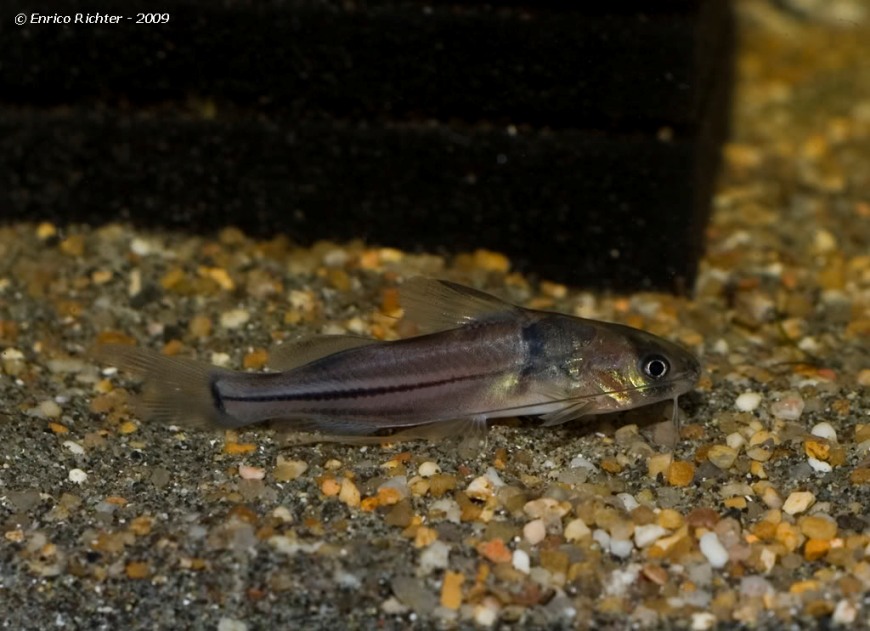
Brachyrhamdia meesi
Sands & Black, 1985
Max length61mm SL2.4in SLTank80 × 30cm31 × 12inTemp24–28°C75–82°FpH6.0–7.5Several Brachyrhamdia species have developed colour patterns that mimic syntopically-occurring Corydoras spp. throughout the life-cycle, and the remainder, including B. meesi, may mimic Otocinclus or smaller Corydoras spp. when juvenile. They're easily told apart from Corydoras by their significantly longer barbels and lack of scute-like plates on the body.
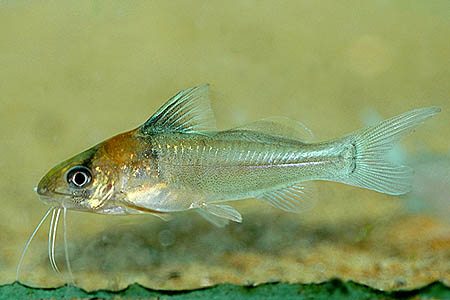
Brachyrhamdia rambarraniFalse Adolfoi
Axelrod & Burgess, 1987
Max length55mm SL2.2in SLTank80 × 30cm31 × 12inTemp24–28°C75–82°FpH4.0–7.0Several Brachyrhamdia species have developed colour patterns that mimic syntopically-occurring Corydoras spp. throughout the life-cycle, and the remainder may mimic Otocinclus or smaller Corydoras spp. when juvenile. Among other catfishes they're closely-related to members of the genus Pimelodella, but differ in...
Brycon cephalusRed-tailed Brycon
authority not recorded
Max length220mm SL9in SLTank210 × 60cm84 × 24inTemp22–26°C72–79°FpH5.5–7.5The Brycon genus is large, at present containing over 50 species. A number of these are very similar, a couple of which (B. rubricauda and B. orbignyanus) resemble B. cephalus quite closely. However this one is the most common in nature and is likely to be the species seen on sale most often. Commonly known as the matrinxã in Brazil, it has an interesting life cycle, migrating twice per year over large distances according to the season. The first movement occurs at the start of...
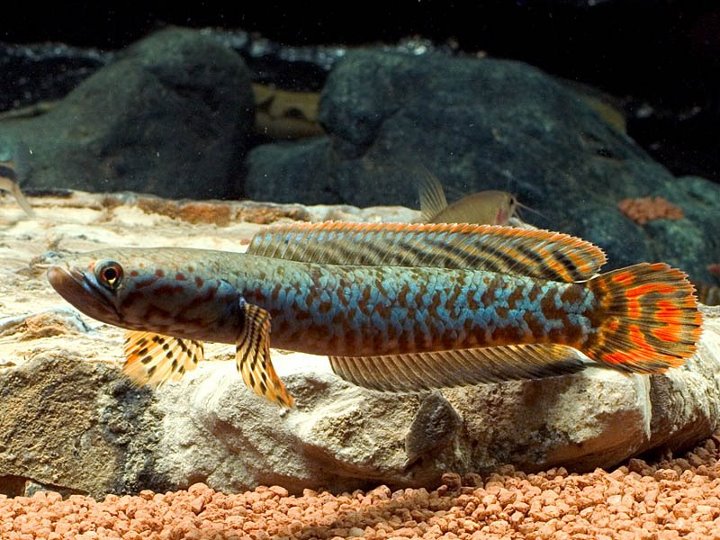
Channa bleheriRainbow snakehead
Vierke, 1991
Max length170mm SL7in SLTank120 × 30cm48 × 12inTemp14–28°C57–82°FpH6.0–8.0C. bleheri is a popular aquarium fish though it remains unclear whether collection for the ornamentaol trade is having a detrimental effect on wild populations (see 'Habitat'). It's one of several genus members to lack pelvic fins and can be further distinguished from other Channa species by the following combination of characters: sides of lower jaw with one large cycloid scale; lateral line complete with 46-50 scales; 14 pectoral-fin rays; 25 anal-fin rays; 4-11 irregular reddish orange markings on the caudal-fin
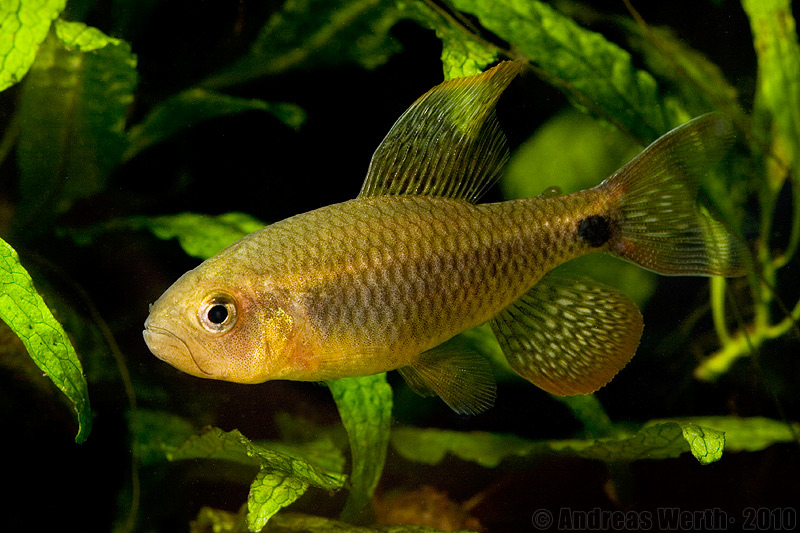
Crenuchus spilurusSailfin Characin
Günther, 1863
Max length70mm SL2.8in SLTank75 × 30cm30 × 12inTemp20–28°C68–82°FpH4.0–6.5This species is currently the only described member of its genus although colour pattern and morphology vary considerably across its range. You may see reference to this species being the only fish species to possess infra-red vision, but other species also possess this ability and we suspect that infra-red plays an important role in the reproductive cycle of many fishes.
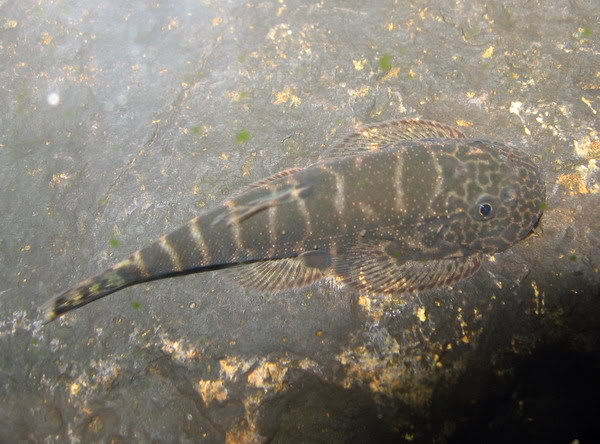
Gastromyzon sp. 'SK04'
authority not recorded
Max length65mm SL2.6in SLTank75 × 30cm30 × 12inTemp20–24°C68–75°FpH6.5–8.0For long-term success it's best to provide a mature aquarium with a plentiful supply of algae-covered rocks and other surfaces. If unable to grow sufficient algae in the main tank or you have a community containing numerous herbivorous fishes which consume what's available quickly it may be necessary to maintain a separate tank in which to grow algae on rocks and switch them with those in the main tank on a cyclical basis.
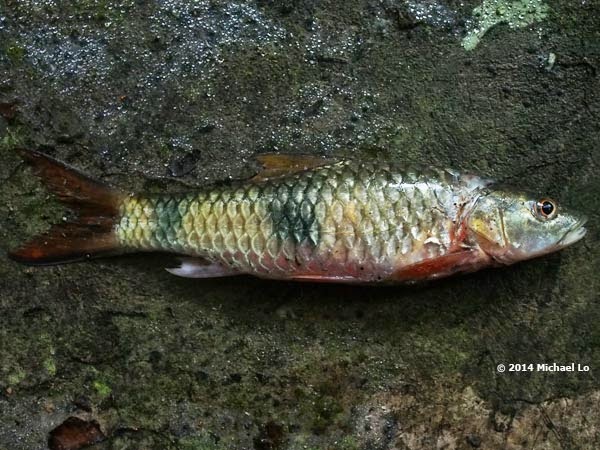
Hampala bimaculata
Popta, 1905
Max length500mm SL20in SLTanknot recordedTempnot recordedpHnot recordedPredominantly a riverine fish preferring clear, well-oxygenated, running waters with substrates of sand, gravel, rock or mud, typically flowing through tropical forest. In the habitat seen in our images sympatric fish species included Barbonymus balleroides, B. collingwoodi, Cyclocheilichthys repasson, C. apogon, Diplocheilichthys pleurotaenia, Garra borneensis, Leptobarbus hosii, and an unidentified Gastromyzon sp.
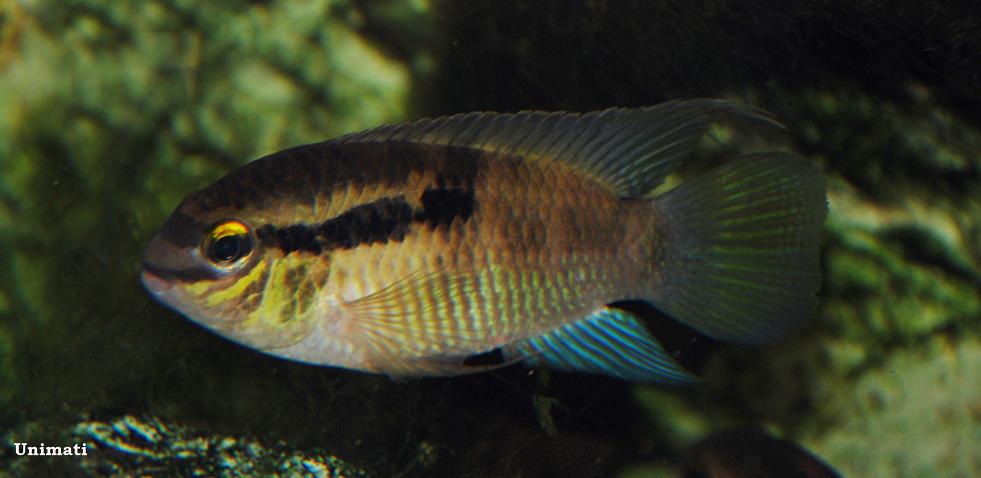
Laetacara thayeri
Steindachner, 1875
Max length65mm SL2.6in SLTanknot recordedTemp20–28°C68–82°FpH4.5–7.5This species is relatively rare in the aquarium trade. It can be differentiated from all congeners by a combination of possessing ctenoid (vs. cycloid) scales on the sides of the head plus lacking a dark spot at the caudal-fin base.
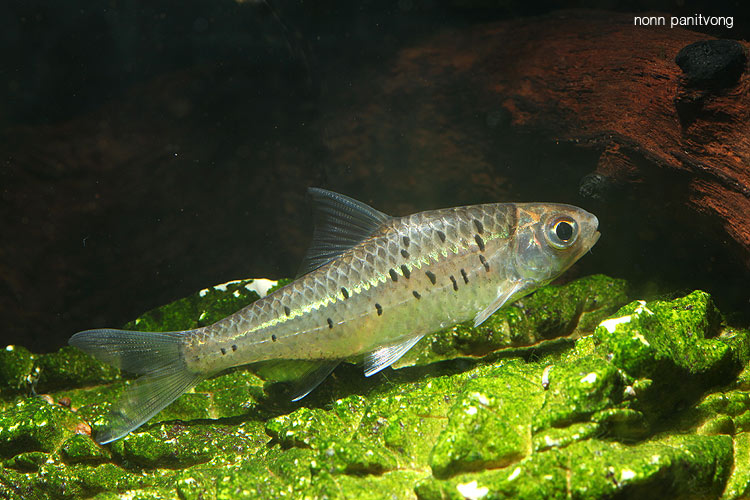
Mystacoleucus greenwayi
Pellegrin & Fang, 1940
Max length100mm SL3.9in SLTank120 × 45cm48 × 18inTemp20–27°C68–81°FpH6.0–7.5Predominantly a riverine fish favouring clear, well-oxygenated, running water with substrates of sand or gravel and often present in rock and boulder-filled headwater streams. In the Mun River, close to the Pak Mun dam, Thailand, sympatric species included Hampala dispar, Cyclocheilichthys apogon, Osteochilus hasseltii,...
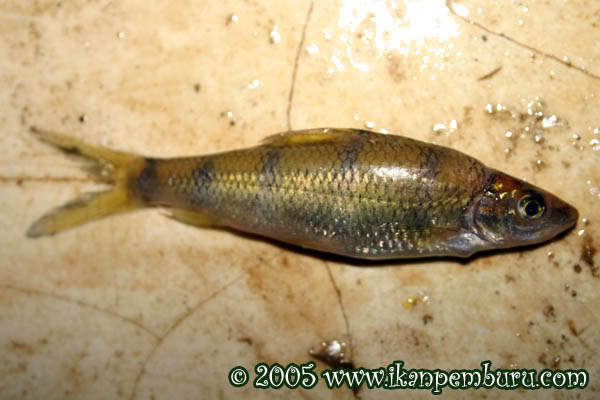
Acrossocheilus iridescens
Nichols & Pope, 1927
Matched on Cyclocheilichthys iridescens, a name it was formerly known by
Max length300mm SL12in SLTanknot recordedTempnot recordedpHnot recordedA. iridescens and its closest relative A. longipinnis can be distinguished from all other barred species of Acrossocheilus by the following characters: wider (vs. narrower) black vertical bars on the flank in adults, each five to eight (vs. no more than four) scales in width; a horse-shoe shaped (vs. arched) mouth gape; rostral barbel located posteriorly (vs. anteriorly) to a horizontal line through the anteriormost margin of the lower jaw; two postlabial grooves extending anteromedially beyond (vs. away from) a horizontal line through the roots of the rostral barbels.