Results for “endemic”
Type a name: scientific, common, or one a species used to go by. Or narrow the catalogue with the filters.
Filters
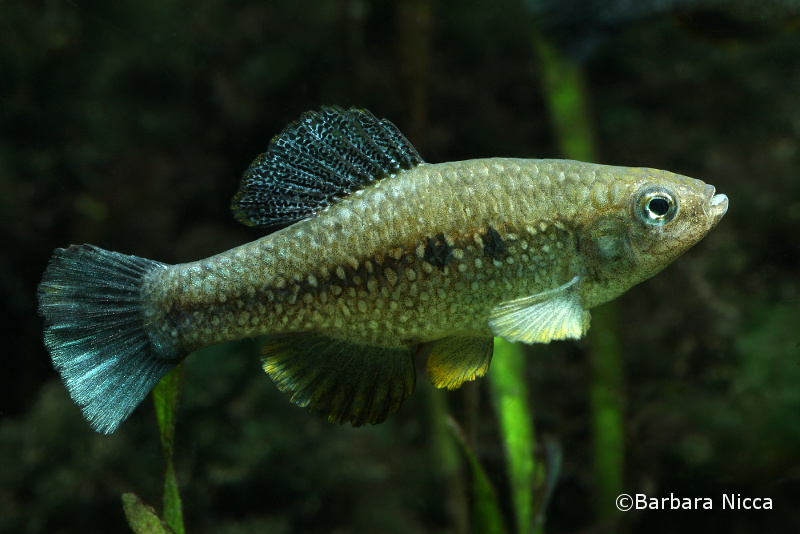
Cualac tessellatusCheckered Pupfish
Miller, 1956
Max length70mm SL2.8in SLTank60 × 30cm24 × 12inTemp20–30°C68–86°FpH7.5–8.5Endemic to a handful of natural springs in the Río Verde valley, San Luis Potosí state, Central Mexico. The valley is believed to have once been filled by a large lake and the relict springs are part of the elevated Río (river) Verde basin which later drains into the much larger Río Pánuco system. Much of the aquatic fauna found in the valley is endemic to the area but in many cases threatened by introduced species.
Lates niloticusNile Perch
authority not recorded
Max length1930mm SL76in SLTanknot recordedTemp22–28°C72–82°FpH7.0–8.5This species has been introduced into many areas in Africa for commercial purposes, and it's had a hugely detrimental effect on local fish populations in some of these environments. The most notable case is that of Lake Victoria, where much of the endemic cichlid population has been wiped out. L. niloticus is thought to have directly contributed to the extinction of over 200 endemic species in the lake by predation, or outcompeting them for food. The IUCN have included it in their list of t...
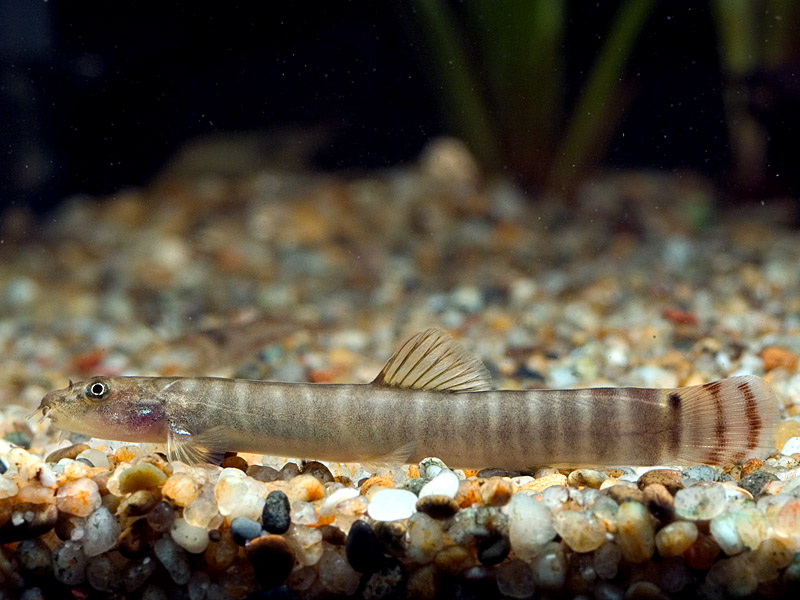
Aborichthys sp. 'AR01'
authority not recorded
Max length55mm SL2.2in SLTank60 × 30cm24 × 12inTemp21–26°C70–79°FpH6.0–7.5This fish is usually traded as A. elongatus but that species appears endemic to higher altitude waters of the Brahmaputra drainage in Darjeeling District which borders Jalpaiguri to the north east. These flow down from the Sivalik Hills whereas the Raidak I originates in Bhutan. Only three species of Aborichthys have been officially described to date meaning this is likely to represent an undescribed species. It was pictured in Tekriwal and Rao (1999) under the name 'A. bijulensis' but...
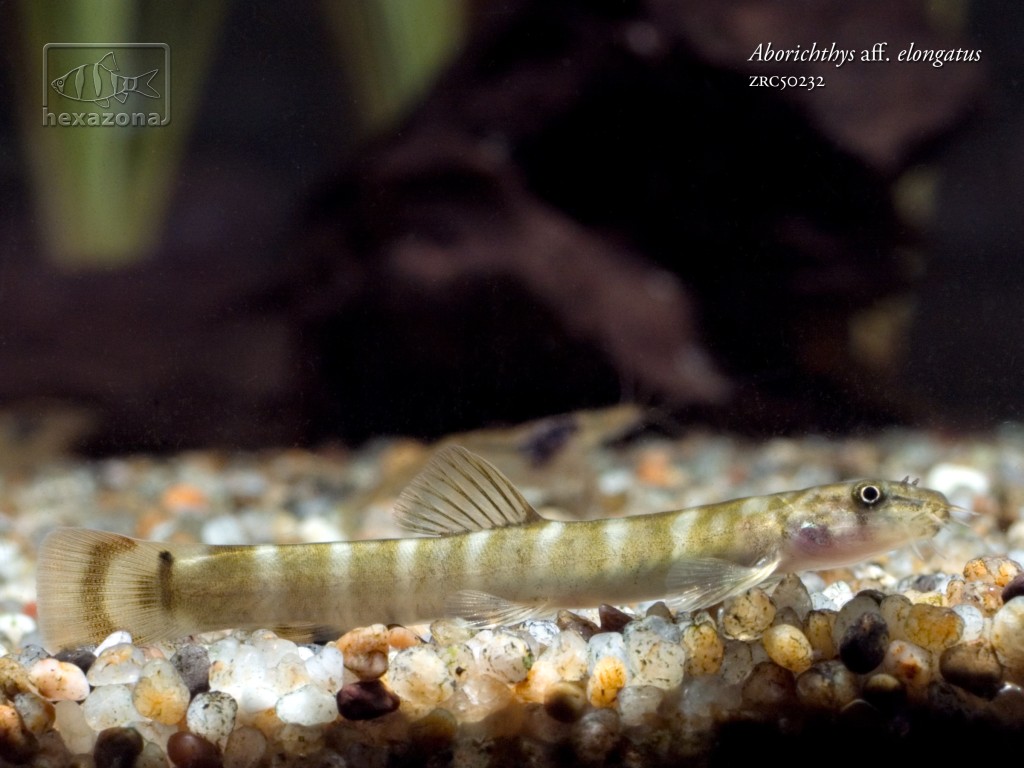
Aborichthys sp. 'AR02'
authority not recorded
Max length35mm SL1.4in SLTank45 × 30cm18 × 12inTemp21–26°C70–79°FpH6.0–7.5This fish occasionally turns up as a contaminant in shipments of A. sp. 'AR01'. The latter is usually traded as A. elongatus but that species appears endemic to higher altitude waters of the Brahmaputra drainage in Darjeeling District which borders Jalpaiguri to the north east. These flow down from the Sivalik Hills whereas the Raidak I originates in Bhutan. Only three species of Aborichthys have been officially described to date meaning this is likely to represent an undescribed speci...
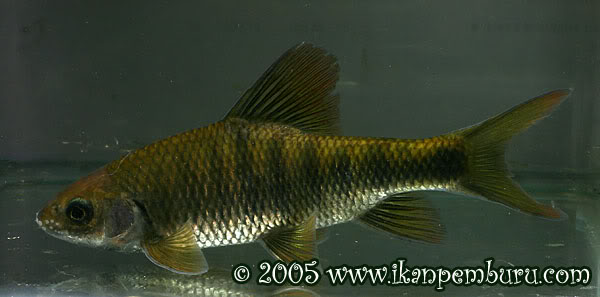
Acrossocheilus monticola
Günther, 1888
Max length150mm SL6in SLTanknot recordedTempnot recordedpHnot recordedApparently endemic to the upper Yangtze River basin, China. Type locality is 'mountain-stream fiowing into the Ichang gorge of the Yangtsze River'.
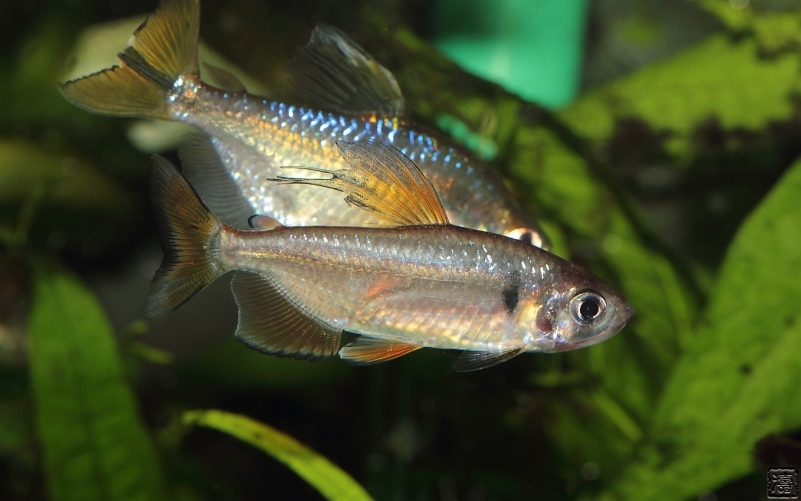
Alestopetersius nigropterusAfrican Rainbow Tetra
Poll, 1967
Max length60mm SL2.4in SLTank120 × 30cm48 × 12inTemp22–26°C72–79°FpH5.0–7.0This fish is normally traded as A. nigropterus or A. cf. ansorgii although neither appears to be its correct name meaning it remains unidentified at present. A. nigropterus is a valid congener that is not in the aquarium trade with little to no export from Lake Mai-Ndombe, to which it is endemic, while A. ansorgii is a synonym of Nannopetersius ansorgii.
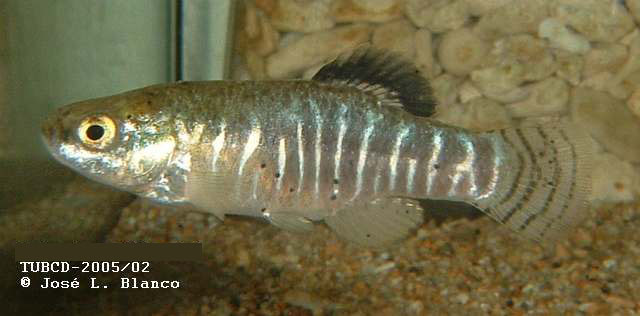
Anatolichthys villwockiSakarya Toothcarp
Hrbek & Wildekamp, 2003
Max length60mm SL2.4in SLTank120 × 30cm48 × 12inTemp2–30°C36–86°FpH6.5–8.5Prior to its description this species had been considered a form of A. anatoliae and also referred to as A. sp. aff. danfordii but collections in the early part of this century motivated new studies and resulted in its elevation to full species level. Phylogenetic analyses have shown it to represent the sister group to all other Anatolian Aphanius spp. The Anatolia region represents a centre of diversity for the genus with ten endemic species described to date. These are thought to have diverged ...
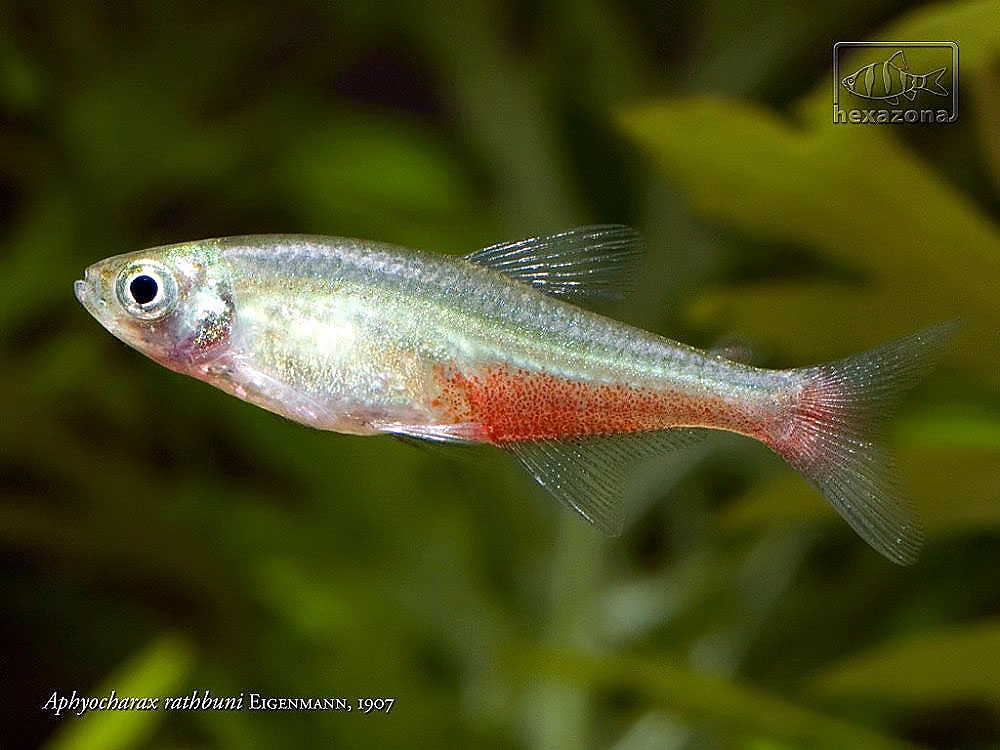
Aphyocharax rathbuniGreen Fire Tetra
Eigenmann, 1907
Max length45mm SL1.8in SLTank60 × 30cm24 × 12inTemp20–26°C68–79°FpH6.5–7.5Endemic to the Paraguay, Paraná and Uruguay river drainages in Brazil, Paraguay, Argentina and Uruguay. The smallest of the three Aphyocharax species seen in the hobby, the redflank is relatively uncommon in the hobby in the aquarium trade. It is also known as the Green Fire Tetra.
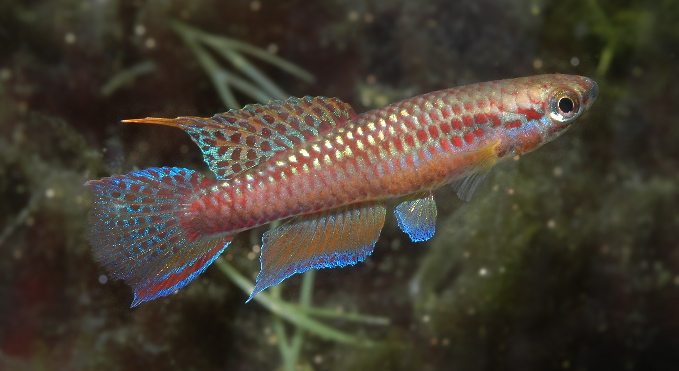
Aphyosemion erythronReddish Lyretail
Sonnenberg, 2008
Max length25mm SL1.0in SLTanknot recordedTempnot recordedpHnot recordedDescribed from Río Muni, Equatorial Guinea and appears endemic to south-western parts of the country, with additional collections having occurred in the Río Aye, Río Ecucu and lower Río Benito drainages.
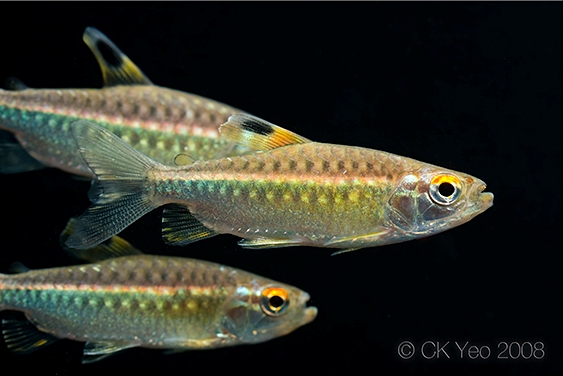
Arnoldichthys spilopterusAfrican Red-eyed Tetra
Boulenger, 1909
Max length100mm SL3.9in SLTank120 × 30cm48 × 12inTemp24–27°C75–81°FpH6.0–7.5Endemic to Nigeria, where it occurs in the Ogun and lower Niger river systems. Despite its popularity in the aquarium hobby it's relatively scarce in the wild and is known from less than 10 localities, all lying in an area where deforestation and pollution are uncontrolled and continue to occur extensively.
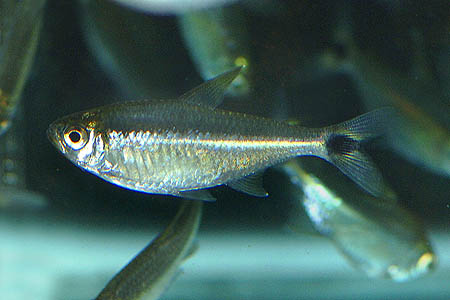
Astyanax kennedyiKennedy's Tetra
Géry, 1964
Max length50mm SL2.0in SLTank80 × 30cm31 × 12inTemp26–29°C79–84°FpH5.5–7.0Endemic to pthe upper Amazon basin in Peru, around the city of Iquitos. Most Astyanax spp. are not popular in the aquarium hobby, though the genus is among the most speciose within the family Characidae. A. kennedyi is no exception; you'll rarely see it offered for sale but may find the occasional specimen mixed among other species in shipments of wild fishes from Peru.
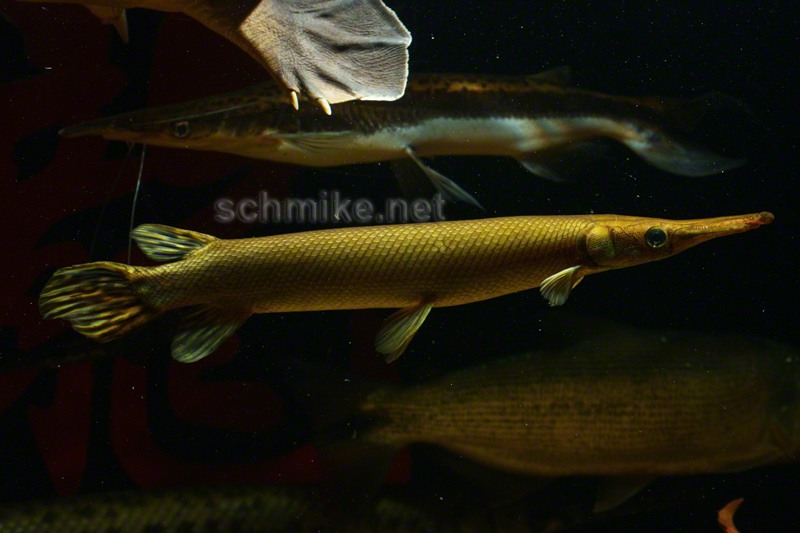
Atractosteus tristoechusCuban Gar
Bloch & Schneider, 1801
Max length1800mm SL71in SLTanknot recordedTempnot recordedpHnot recordedEndemic to Cuba where it's found throughout western parts of the island plus Isla de la Juventud (Isle of Youth, formerly known as the Isle of Pines). It's endangered across most of this range and captive breeding efforts are well-established. Known locally in Cuba as 'manjuari', it clearly shouldn't be considered a home aquarium subject...
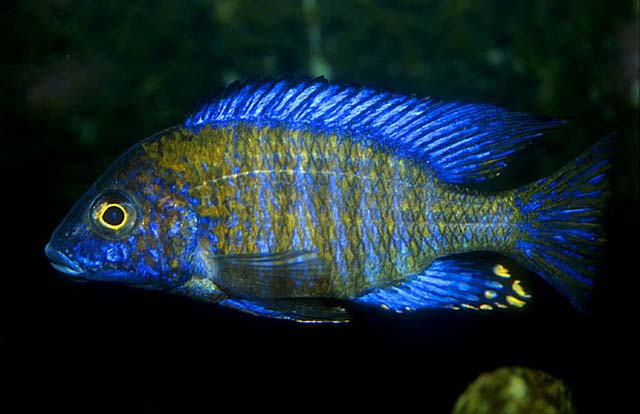
Aulonocara ethelwynnaeNorthern Aulonocara
Meyer, Riehl & Zetzsche, 1987
Max length110mm SL4in SLTank90 × 45cm36 × 18inTemp22–26°C72–79°FpH7.4–9.0Endemic to Lake Malawi where it was described from and only occurs around 'Chitendi Island', now normally referred to as Chitande island plus a short stretch of coastline between Ngara and Chilumba along the lake's northwestern shoreline. Aulonocara spp. are benthophagous by nature employing a method of feeding whereby mouthfuls of substrate are taken and sifted for edible items with the remaining material expelled via the gills and mouth. They're equally-skilled at hunting as grazing, tending to hover above the substrate until tiny movements are detected, and possess enlarged sensory pores on the head which assist in this technique.
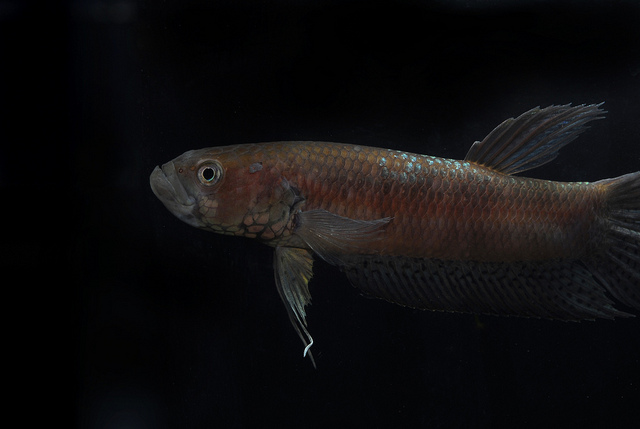
Betta gladiator
Tan & Ng, 2005
Max length90mm SL3.5in SLTank90 × 30cm36 × 12inTemp22–27°C72–81°FpH4.0–6.0Presumed endemic to the geographically-isolated Maliau basin, a roughly circular plateau enclosed by hills in Sabah state, Malaysia, Borneo. The Maliau River is part of the much larger Kinabantangan watershed, Malaysia's second longest river. The type series was collected from heath forest alongside 'Puntius' sealei and Hemibagrus cf. baramensis in acidic water with a pH of 4.2-4.8. Adult individuals were spaced around a metre apa...
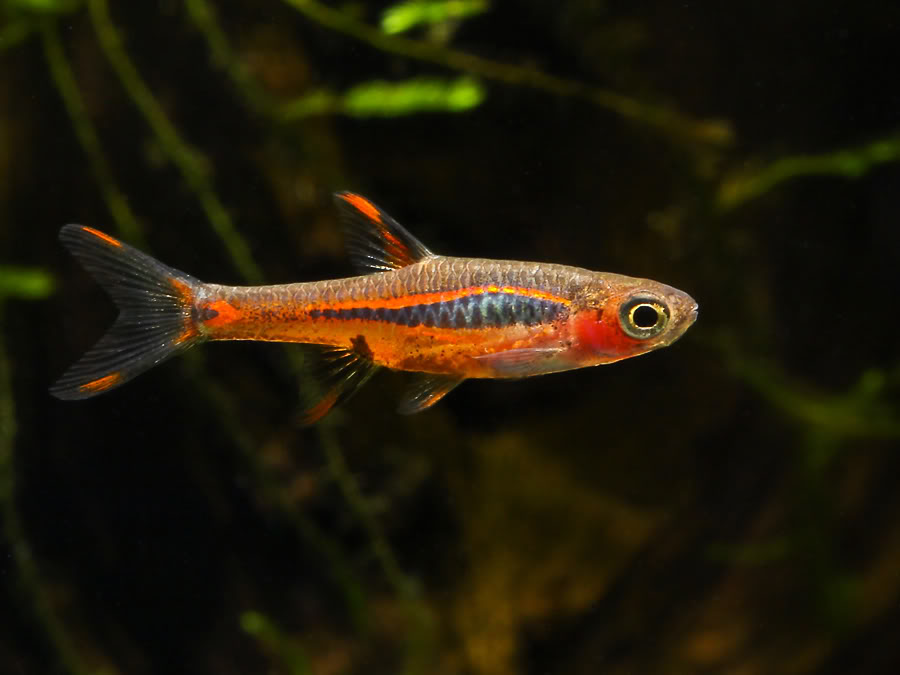
Boraras brigittaeMosquito Rasbora
Vogt, 1978
Max length20mm SL0.8in SLTank45 × 30cm18 × 12inTemp20–28°C68–82°FpH4.0–7.0Appears to be endemic to southwestern Borneo though occurence records are scant. Type locality is 'Bandjarmasin', a port town in the Indonesian province of Kalimantan Selatan (South Kalimantan), and following Kottelat (1991) it's range extends westwards as far as the Jelai Bila river basin, near the town of Sukamara, where it's said to occur sympatrically with the congener B. merah. Boraras was erected in 1993 in order to separa...
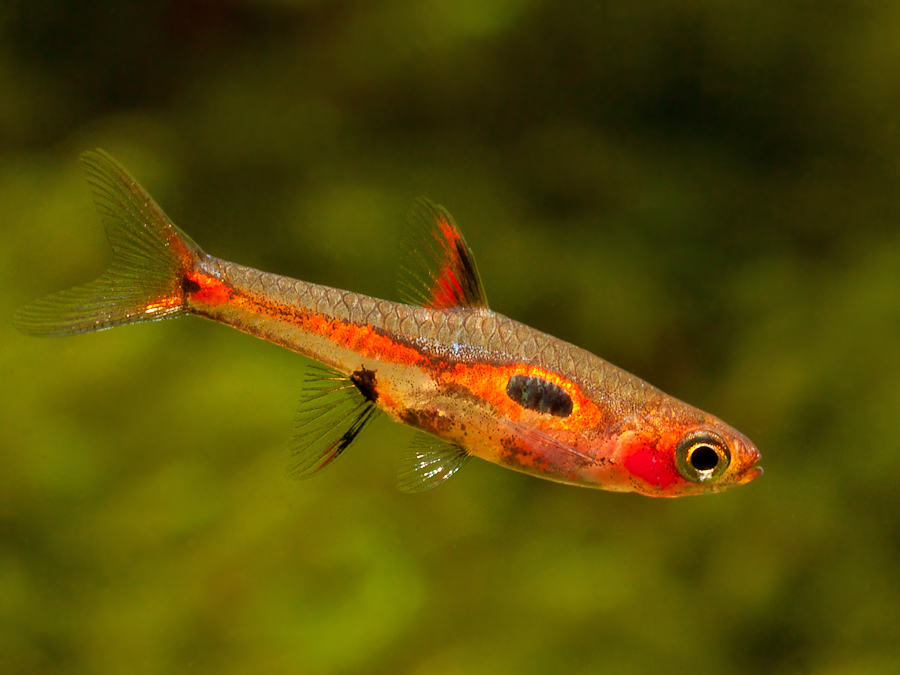
Boraras merah
Kottelat, 1991
Max length20mm SL0.8in SLTank45 × 30cm18 × 12inTemp20–28°C68–82°FpH4.0–6.5Appears endemic to southern Borneo. The type specimens were collected from the Jelai Bila river basin at Nataik Sedawak, presumably a settlement of some kind, near the town of Sukamara in the Indonesian province of Kalimantan Tengah (Central Kalimantan). Its range extends westwards from the Jelai Bila watershed whereas that of the congener B. brigittae, with which it may occur sympatrically there (see 'Notes'), extends east.
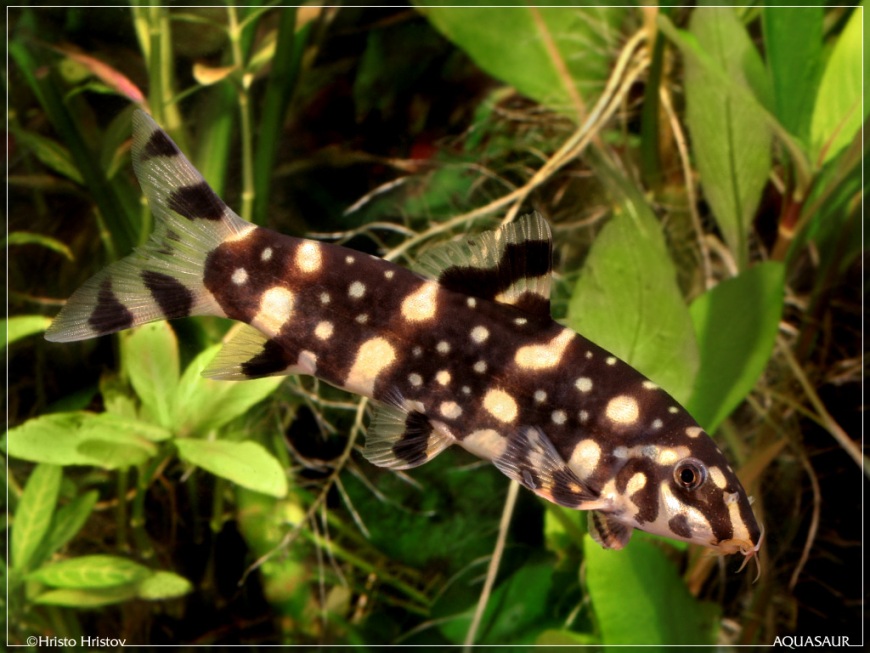
Botia kubotaiPolka-Dot Loach
Kottelat, 2004
Max length150mm SL6in SLTank120 × 45cm48 × 18inTemp22–28°C72–82°FpH6.0–7.5Appears to be endemic to headwaters of the Salween River basin around the border between Myanmar and Thailand. The type specimens were collected from the Megathat Chaung (Megathat stream) in the upper Ataran (known as the Kasat in Thai) River basin, Kayin/Karen State, Myanmar and another population was later discovered in the Hanthayaw River (Suriya in Thai), Tak Province, Thailand.
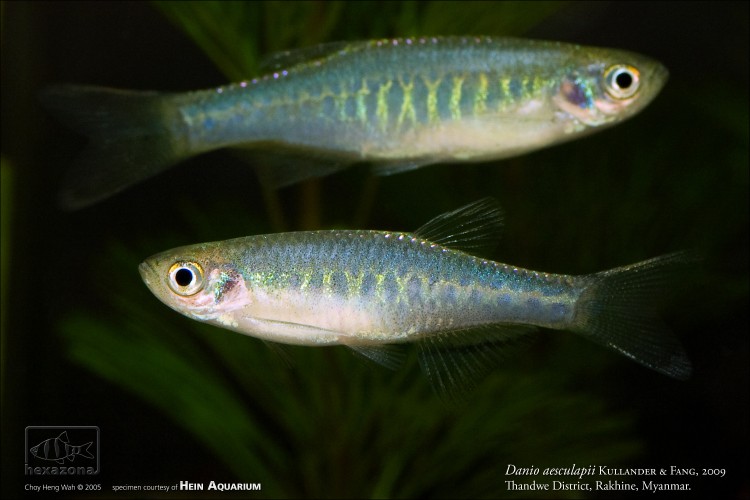
Brachydanio aesculapiiPanther 'Danio'
Kullander & Fang, 2009
Max length30mm SL1.2in SLTank60 × 30cm24 × 12inTemp22–27°C72–81°FpH6.9–7.1Endemic to the Rakhine Yoma/Arakan mountains in Rakhine state, western Myanmar; this range forms a natural barrier which cuts the state off from the remainder of the country. It was originally collected from a handful of streams and rivers of the western, interior, slopes of which the type specimens originated from the Kananmae Chaung, a coastal rivulet draining into the Bay of Bengal (Kullander and Fa...
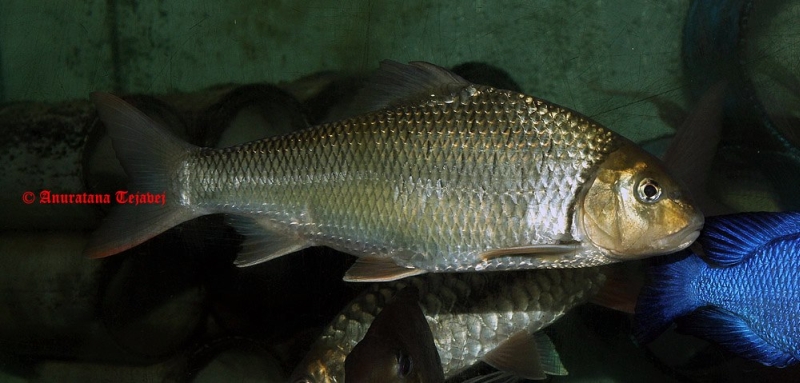
Chagunius baileyi
Rainboth, 1986
Max length200mm SL8in SLTank180 × 60cm72 × 24inTemp18–25°C64–77°FpH6.0–7.5There are currently three species which look almost identical and are most easily separated by collection details since their ranges do not overlap in nature; C. chagunio is endemic to the Ganges and Brahmaputra drainages and C. nicholsi to the Ayeyarwady/Irrawaddy.
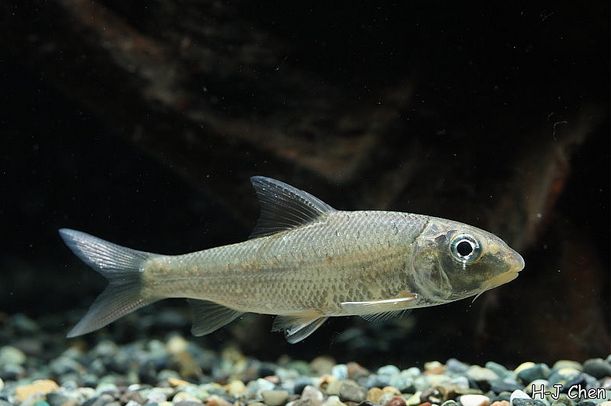
Chagunius chagunio
Hamilton, 1822
Max length450mm SL18in SLTank240 × 90cm96 × 36inTemp20–25°C68–77°FpH6.0–7.5Endemic to the Ganges and Brahmaputra river basins and thus occurs in northern India, Nepal and Bangladesh. Type locality is 'the Yamuna River, and northern rivers of Behar and Bengal'. The distribution of the genus as a whole is interesting because these fish occupy the area that geographically separates Indian and Southeast Asia barbs and it has been theorised that they may represent an evolutionary 'link' species...