Results for “micropredator”
Type a name: scientific, common, or one a species used to go by. Or narrow the catalogue with the filters.
Filters
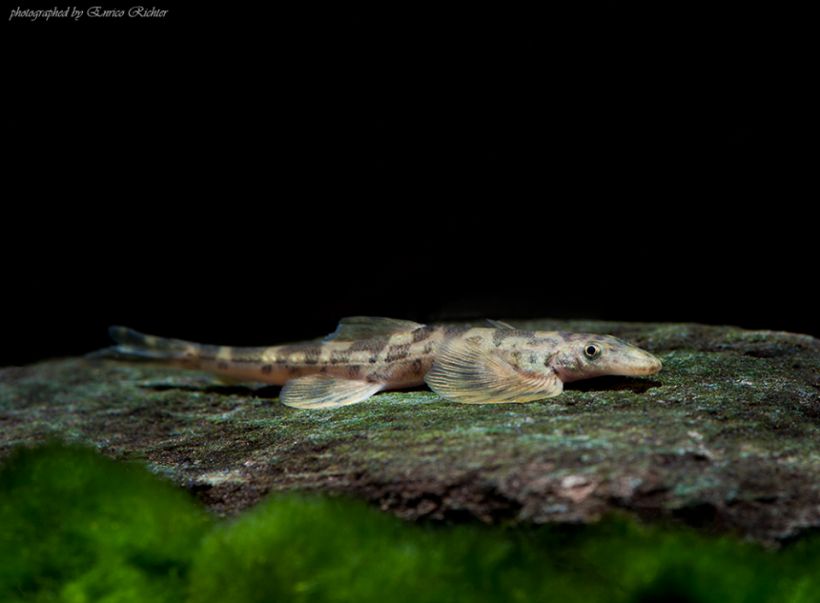
Annamia normaniVietnamese Giraffe Loach
Hora, 1931
Max length100mm SL3.9in SLTank120 × 30cm48 × 12inTemp16–22°C61–72°FpH6.0–7.5Traditionally considered to be a micropredator feeding on insect larvae and suchlike (Rainboth, 1996), but a study by Herder and Freyhof (2006) revealed adult A. normani inhabiting the Duc My River in central Vietnam to be specialised grazers of cyanobacteria. In rapids the latter form hard encrustations on rock surfaces from which adults are able to bite chunks.
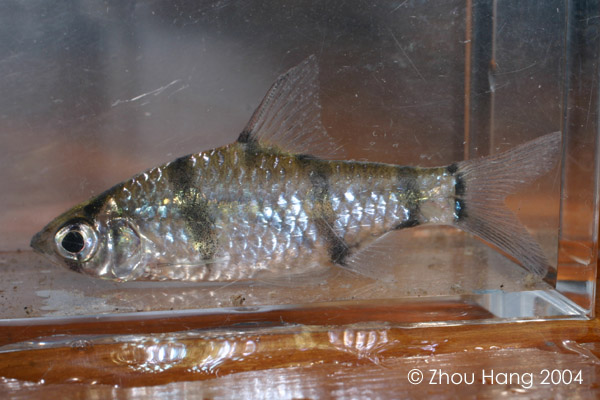
Desmopuntius endecanalis
Roberts, 1989
Max length50mm SL2.0in SLTank75 × 30cm30 × 12inTemp19–26°C66–79°FpH4.0–7.0Probably a micropredator feeding on small insects, worms, crustaceans and other zooplankton in nature. In the aquarium it will accept dried foods of a suitable size but should not be fed these exclusively. Daily meals of small live and frozen fare such as Daphnia, Artemia, and suchlike will result in the best colouration and encourage the fish to come into breeding condition. It's a schooling species by natur...
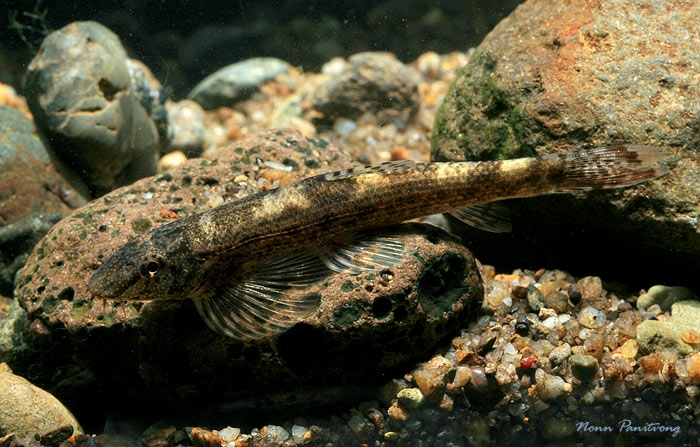
Homalopteroides modestus
Vinciguerra, 1890
Max length44mm SL1.7in SLTank60 × 30cm24 × 12inTemp18–25.5°C64–78°FpH6.0–7.5Homalopteroides spp. are specialised micropredators feeding on small crustaceans, insect larvae and other invertebrates. In captivity some sinking dried foods may be accepted but regular meals of live or frozen Daphnia, Artemia, bloodworm, etc., are essential for the maintenance of good health.
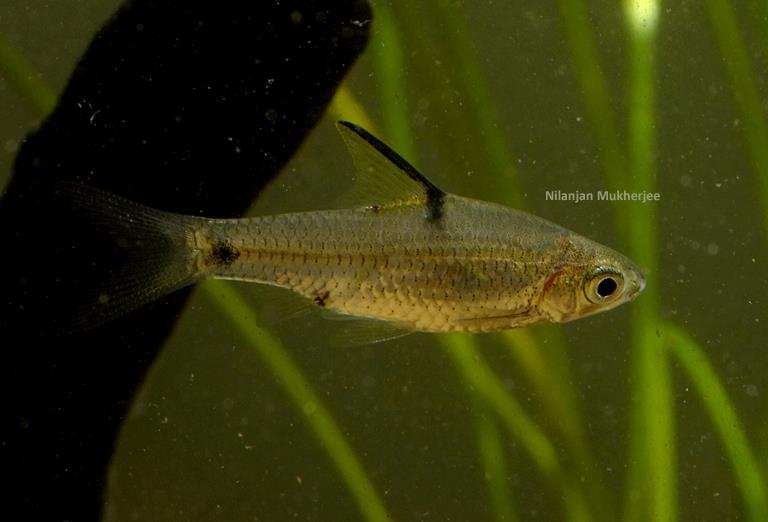
'Puntius' guganioGlass Barb
Hamilton, 1822
Max length65mm SL2.6in SLTank75 × 30cm30 × 12inTemp18–26°C64–79°FpH6.0–7.5Probably a micropredator feeding on small insects, worms, crustaceans and other zooplankton in nature. In the aquarium it should accept dried foods of a suitable size but should not be fed these exclusively. Daily meals of small live and frozen fare such as Daphnia, Artemia, Moina, etc., along with good quality flakes and granules will result in the best colouration and encourage the fish to come into breeding condition.