Results for “migrate”
Type a name: scientific, common, or one a species used to go by. Or narrow the catalogue with the filters.
Filters
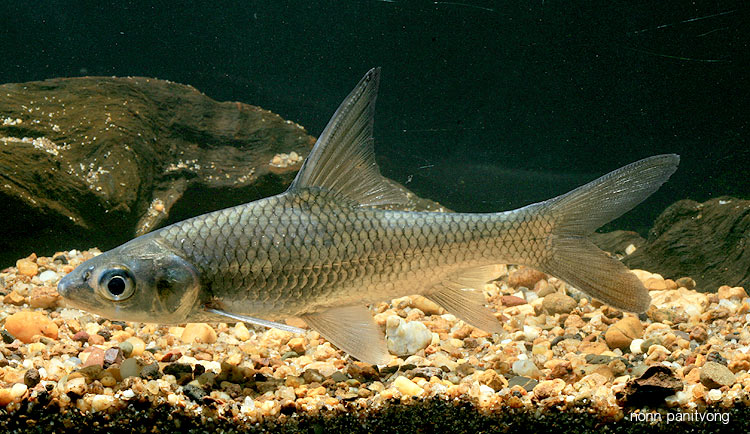
Cyclocheilos enoplos
Bleeker, 1849
Max length750mm SL30in SLTanknot recordedTemp20–26°C68–79°FpH6.0–8.0In the Mekong, it has been observed to migrate upstream from Phnom Penh to Khone Falls between November and February, returning downstream between May and August. The downstream migration ends in the Mekong delta area in Vietnam, where the fish remain until the floods reach their peak in October and November. These lower Mekong migrations mostly comprise juveniles and sub-adults, whereas above Khone Falls...
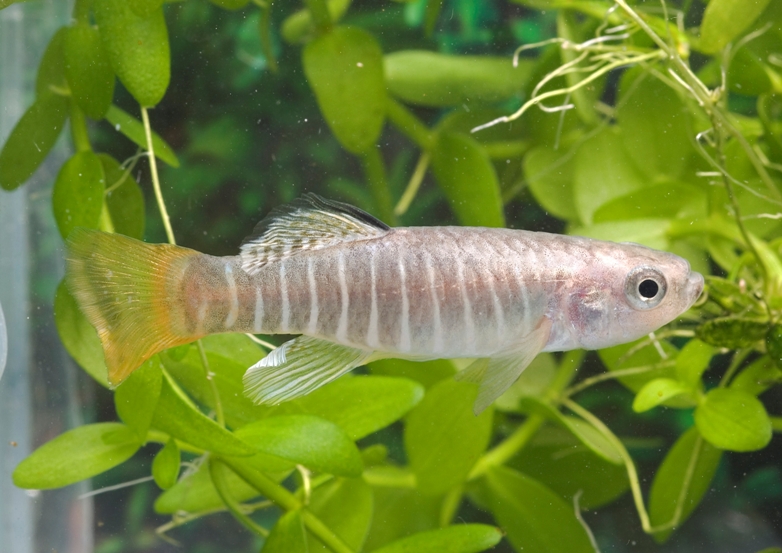
Aphanius fasciatusMediterranean Toothcarp
Valenciennes, 1821
Max length55mm SL2.2in SLTank120 × 30cm48 × 12inTemp2–30°C36–86°FpH7.5–9.0A 2003 phylogenetic study by Hrbek and Meyer showed that in genetic terms specimens of A. fasciatus collected from different localities do not vary as much as with other members of the genus. The latter tend to exist in geographically separated populations and exhibit localised differentiation. While A. fasciatus does show certain disparities in appearance depending on locality it is thought that periodic migration events have restricted the development of genetic diversity within the species to...
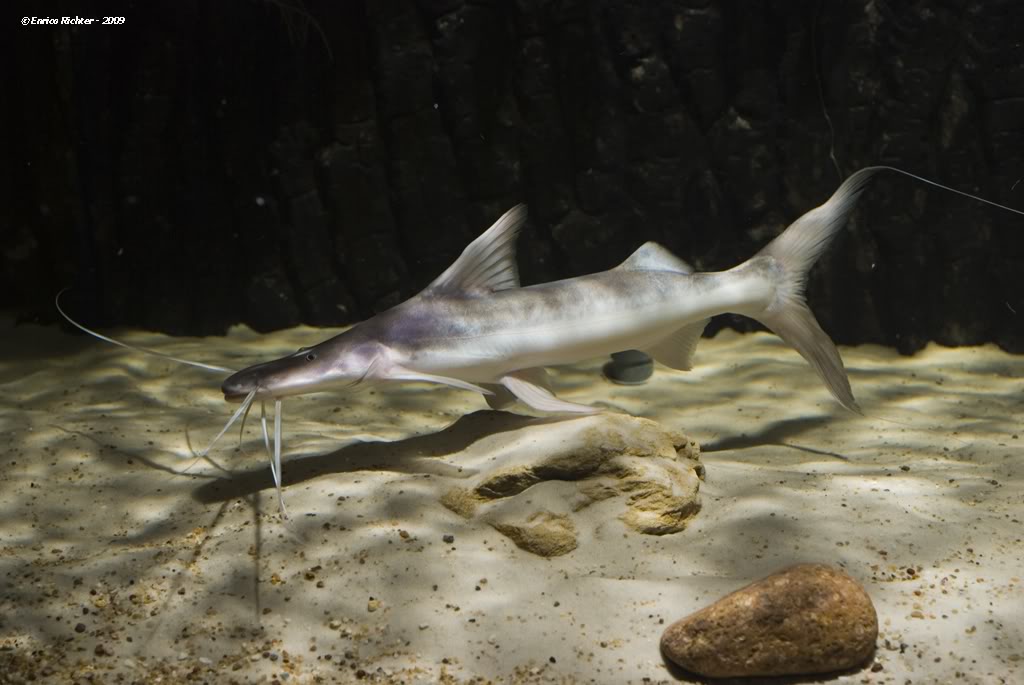
Brachyplatystoma platynemumSlobbering Catfish
Boulenger, 1898
Max length1000mm SL39in SLTanknot recordedTemp22–28°C72–82°FpH6.0–8.0Found in a number of habitat-types, though rarely in smaller tributaries, generally preferring deeper, flowing channels through which it travels for considerable distances at certain times of year. Like other large, migratory pimelodids these movements are typically associated with nutrient-rich, white water drainages rather than nutrient-poor black waters.
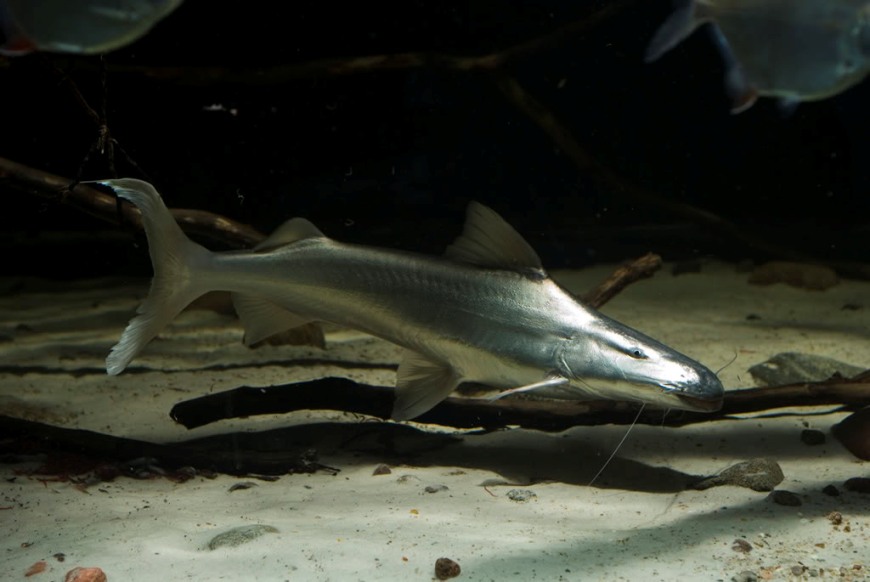
Brachyplatystoma rousseauxiiDourada
Castelnau, 1855
Max length1900mm SL75in SLTanknot recordedTemp22–28°C72–82°FpH6.0–8.0Study of B. rousseauxii has revealed that sexually mature adults are found only in the western Amazon, with no mature individual ever recorded east of Manaus despite the intensive commercial fishery operating there. The total distance covered by some populations during migration from the delta was as much as 5500 km, making it the longest known in any freshwater fish species.
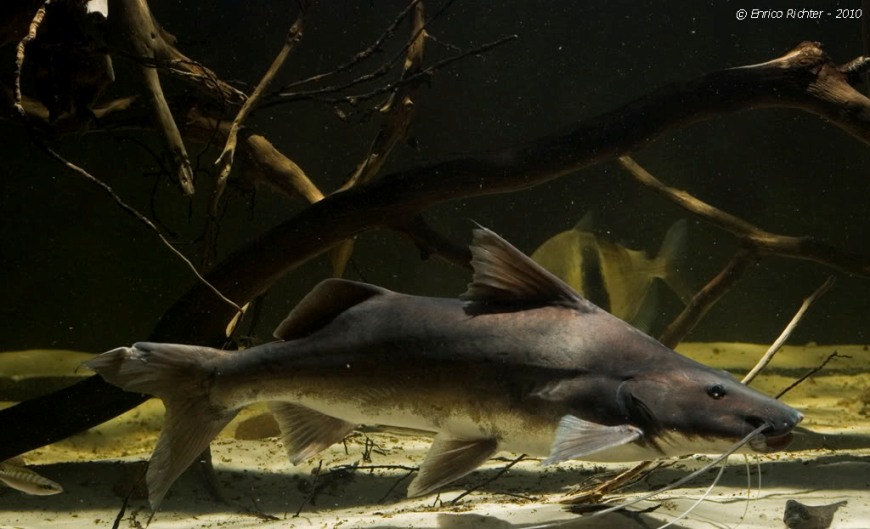
Brachyplatystoma vaillantii
Valenciennes, 1840
Max length1050mm SL41in SLTanknot recordedTemp22–28°C72–82°FpH6.0–8.0This rich feeding ground is exploited until the sea water returns, at which point the catfishes begin to migrate upstream in massive numbers, moving up the Amazon and its tributaries. Sexually mature individuals are not normally recorded during these events so they're thought related to feeding and dispersal rather than spawning. The fish are subject to intensive capture by commercial and artisanal fishing operations during this upstream movement.
Brycon cephalusRed-tailed Brycon
authority not recorded
Max length220mm SL9in SLTank210 × 60cm84 × 24inTemp22–26°C72–79°FpH5.5–7.5The Brycon genus is large, at present containing over 50 species. A number of these are very similar, a couple of which (B. rubricauda and B. orbignyanus) resemble B. cephalus quite closely. However this one is the most common in nature and is likely to be the species seen on sale most often. Commonly known as the matrinxã in Brazil, it has an interesting life cycle, migrating twice per year over large distances according to the season. The first movement occurs at the start of...
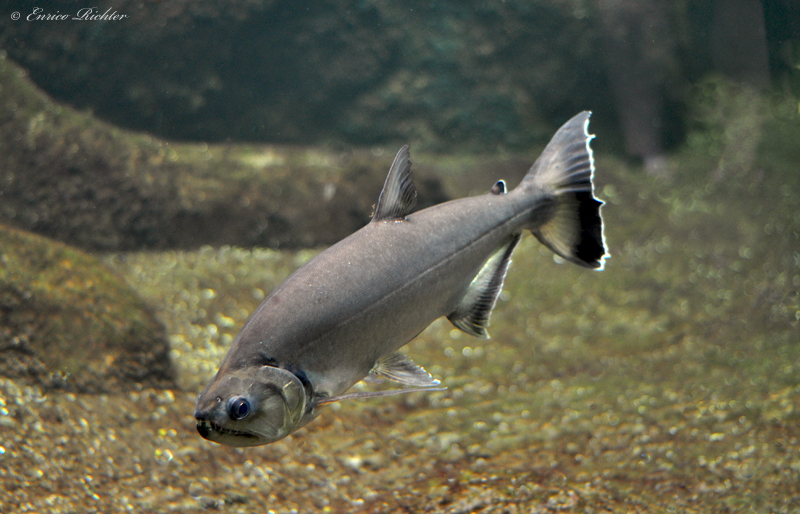
Hydrolycus armatusPayara
Jardine, 1841
Max length660mm SL26in SLTanknot recordedTemp24–28°C75–82°FpH6.0–8.0H. armatus should probably not be considered a home aquarium subject at all given its eventual size and migratory natural behaviour. Unfortunately, juveniles are seen for sale quite regularly, most often without adequate information regarding their long-term care, and it's common to see them being maintained in medium-sized aquaria with no possibility of achieving their potential.
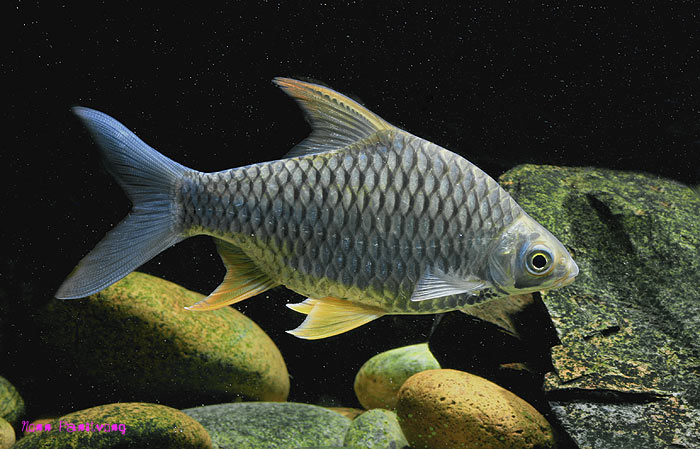
Hypsibarbus lagleri
Rainboth, 1996
Max length350mm SL14in SLTank240 × 60cm96 × 24inTemp20–26°C68–79°FpH6.0–8.0This species is migratory on a seasonal basis; during the dry season it can be found in larger river channels, whereas during drier months it moves into smaller tributaries and flooded forests. Apparently displays a preference for rocky habitats and is not known to adapt to reservoirs or other artificial impoundments.
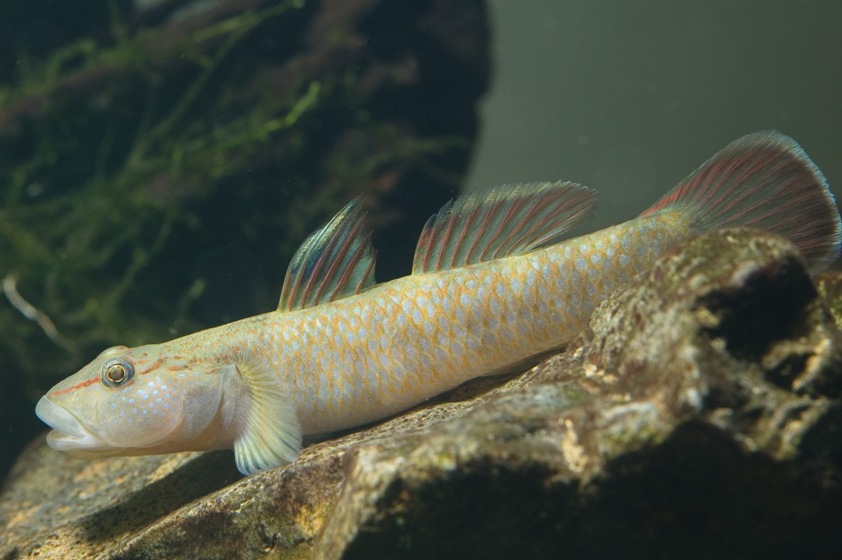
Rhinogobius sp. 'CO'
authority not recorded
Max lengthnot recordedTanknot recordedTempnot recordedpHnot recordedSome wild populations have evolved a complex amphidromous breeding strategy in which adults live and spawn in freshwater or brackish streams and the pelagic post-hatch larvae are washed downstream to the sea where the post-larval fry spend the first part of their life developing in estuarine nursery zones under brackish to full marine conditions. Once they reach a certain stage of development they begin to migrate upstream with some mov...
Semaprochilodus insignisFlagtail Prochilodus
authority not recorded
Max length350mm SL14in SLTank150 × 60cm60 × 24inTemp23–29°C73–84°FpH5.5–7.2Semaprochilodus are one of the most common and widespread shoaling fish found in South America. Over a dozen species have been described but most are never imported. They are used as food fish in their native countries. It makes a stunning addition to a community of larger fish. Along with some congeners, S. insignis is commonly known as the Jaraqui in Brazil. It is an interesting species both ecologically and biologically. In nature it migrates over large distances in huge shoals according ...