Results for “neo-”
Type a name: scientific, common, or one a species used to go by. Or narrow the catalogue with the filters.
Filters
Neolebias ansorgiiAnsorge's Neolebias
authority not recorded
Matched on the common name Ansorge's Neolebias
Max length35mm SL1.4in SLTank45 × 30cm18 × 12inTemp24–28°C75–82°FpH5.0–6.0This species is rarely offered for sale and often appears to be a fairly plain fish when it is seen in dealer's tanks. However, when kept in the correct conditions it is a stunning little fish that comes highly recommended.
Neolebias trilineatusThree-lined Neolebias
authority not recorded
Matched on the common name Three-lined Neolebias
Max length35mm SL1.4in SLTank45 × 30cm18 × 12inTemp23–26°C73–79°FpH6.0–7.2This species is rarely seen in the trade but makes a superb addition to the smaller community tank. Often appears quite bland in dealer's tanks but, in the correct environment, is a stunning little fish....
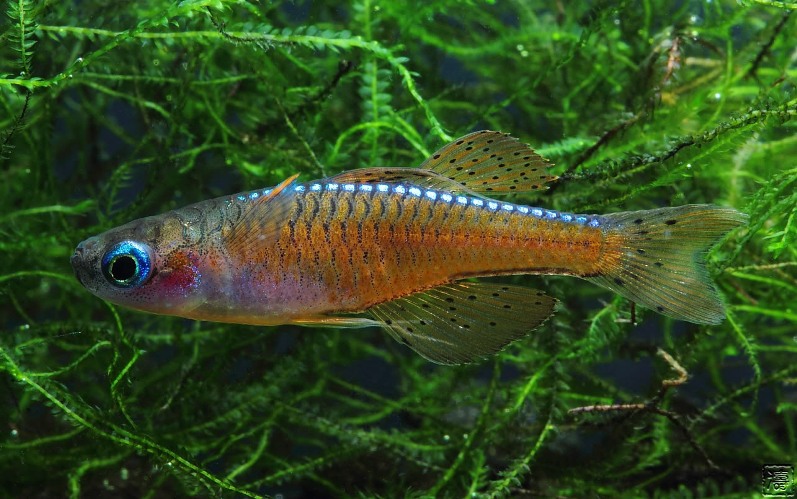
Pseudomugil sp. 'red neon'
authority not recorded
Max length35mm SL1.4in SLTank45 × 30cm18 × 12inTemp18–26°C64–79°FpH6.5–7.5This fish first appeared in the aquarium hobby in 2011 and has been traded under various names including P. sp. cf. paskai, P. sp. 'red orange neon', P. sp. 'neon orange', P. sp. 'Irian' and P. 'iriani'. The majority of fish available tend to be male, presumably due to their brighter colour pattern. It was initially suspected to be a hybrid or sele...
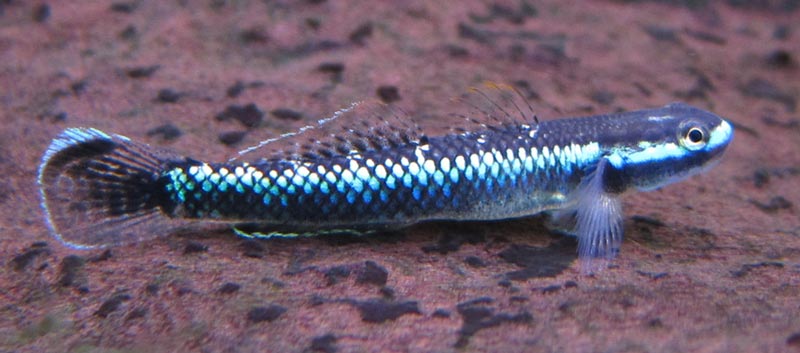
Stiphodon atropurpureusBlue Neon Goby
Herre, 1927
Matched on the common name Blue Neon Goby
Max length50mm SL2.0in SLTank60 × 30cm24 × 12inTemp22–26°C72–79°FpH6.5–7.5This species is available occasionally, though not always under the correct name. We've seen it on sale as S. elegans on numerous occasions, for example, and other trade names include 'Sumatran blue neon goby' (it's not found on Sumatra), 'cobalt blue goby' and 'freshwater neon goby'. Further...
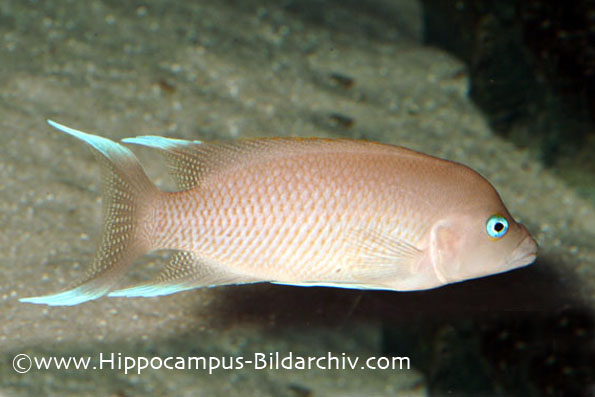
Neolamprologus marunguensis
authority not recorded
Max length60mm SL2.4in SLTanknot recordedTemp23–27°C73–81°FpH7.5–9.0A less often seen but good looking species with a deeply forked tail. It was previously sold as Neolamprologus sp. "walteri".
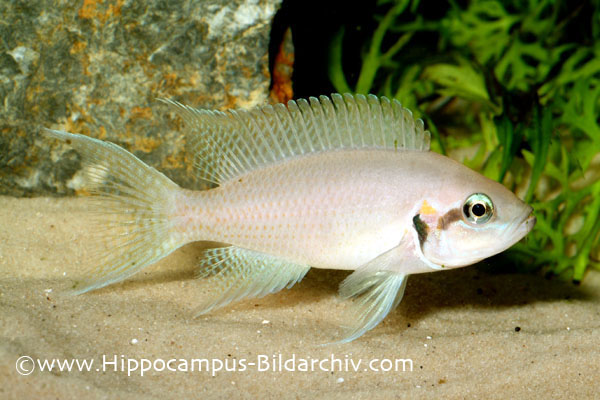
Neolamprologus pulcherBrichardi
Trewavas & Poll, 1952
Matched on Neolamprologus brichardi, a name it was formerly known by
Max length90mm SL3.5in SLTank120 × 30cm48 × 12inTemp23–27°C73–81°FpH8.0–9.0Deservedly one of the most popular Tanganyikan species available in the hobby, N. brichardi is ideal for newcomers to both Rift Lake cichlids and cichlids in general, being beautiful and easy to keep and breed. It is seen for sale under several common names including "Fairy Cichlid", "Lyretail Cichlid" and "Princess of Burundi". There are several colour morphs available, although these do not vary much in patterning, and an albino form is also occasionally available...
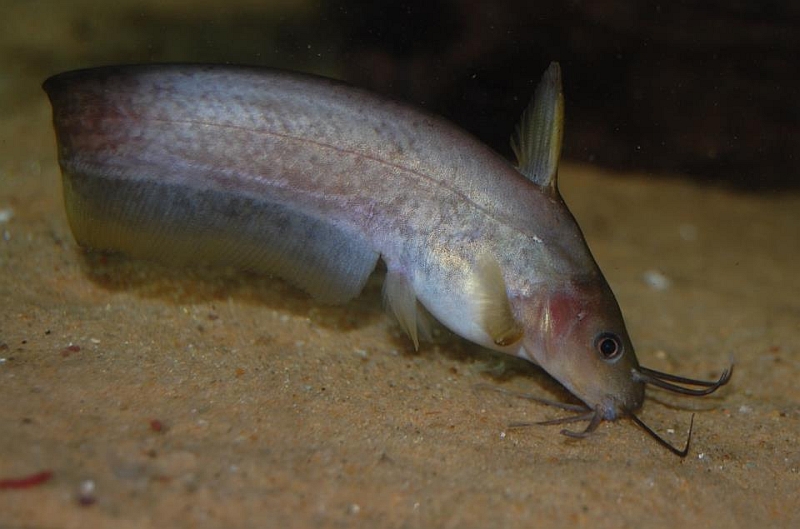
Neosilurus brevidorsalisShortfin Tandan
Günther, 1867
Matched on Neosilurus bartoni, a name it was formerly known by
Max length200mm SL8in SLTank120 × 45cm48 × 18inTemp20–28°C68–82°FpH6.0–7.5Type locality is ‘Nicol Bay, Cape York, Queensland, Australia’, and this species is restricted to the tips of northern Australia and southern Papua New Guinea. In Australia records exist only from the Jardine and Jackson river systems on the Cape York Peninsula, while in Papua New Guinea it’s known from the Fly River plus some other drainages.
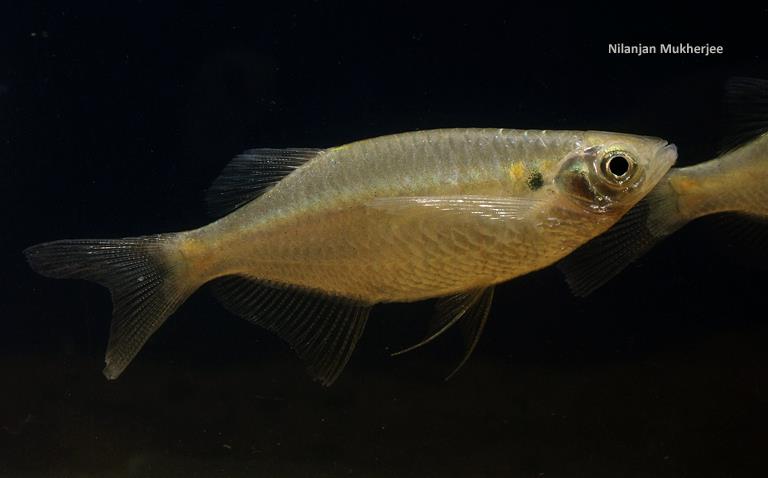
Chela cachiusNeon Hatchet Fish
Hamilton, 1822
Matched on the common name Neon Hatchet Fish
Max length50mm SL2.0in SLTank90 × 30cm36 × 12inTemp18–24°C64–75°FpH6.0–8.0It is currently the only valid member of the genus but it is possible that additional taxa exist, particularly in Myanmar, while a number of former species are contained within the Laubuka assemblage, to which C. cachius is closely related. Phylogenetic studies suggest the existence of a monophyletic clade consisting of the genera Devario, Chela, Laubuca, Microdevario and Microrasbora plus the genus Betadevario.
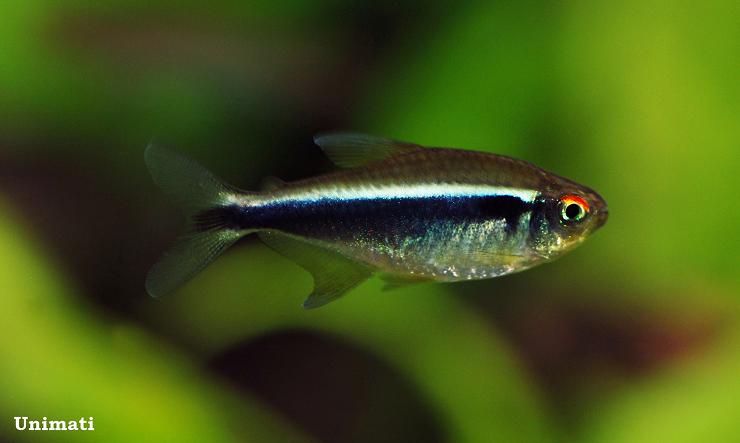
Hyphessobrycon herbertaxelrodiBlack Neon Tetra
Géry, 1961
Matched on the common name Black Neon Tetra
Max length35mm SL1.4in SLTank80 × 30cm31 × 12inTemp20–28°C68–82°FpH5.0–7.5This species has been a ubiquitous aquarium fish since its discovery, and is produced on a commercial basis in several countries, therefore wild fish are no longer collected. An ornamental albino form is sometimes available. Apart from its distinctive colour pattern, it can be identified from related species via the following combination of charac...
Melanotaenia praecoxNeon Dwarf Rainbowfish
authority not recorded
Matched on the common name Neon Dwarf Rainbowfish
Max length80mm SL3.1in SLTank60 × 30cm24 × 12inTemp23–28°C73–82°FpH6.8–7.5...
Neoceratodus forsteriAustralian Lungfish
authority not recorded
Max length1700mm SL67in SLTank180 × 90cm72 × 36inTemp22–28°C72–82°FpH6.5–8.0Lungfish are among the most intriguing of "oddball" aquarium subjects, being able to survive in the most extreme conditions. They are very ancient fish, having remained virtually unchanged for millions of years. Unlike its African relatives, N. forsteri cannot survive in completely dry conditions for long, although it does require access to atmospheric air to survive. It possesses only a single lung (the African species have paired lungs), which is formed via a modification of the swim...
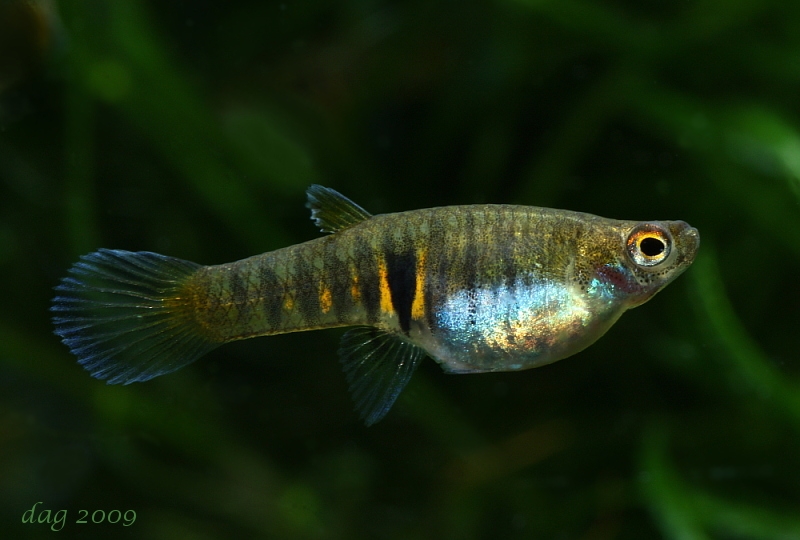
Neoheterandria elegansTiger Teddy
Henn, 1916
Max length25mm SL1.0in SLTank30 × 20cm12 × 8inTemp24–30°C75–86°FpH7.0–8.0Endemic to the Río Atrato drainage in Choco and Antioquia departments, northwestern Colombia, where the full extent of its range is somewhat unclear. Type locality is 'Río Truandó, a tributary of Lower Río Atrato, Colombia', and it may be restricted to that system.
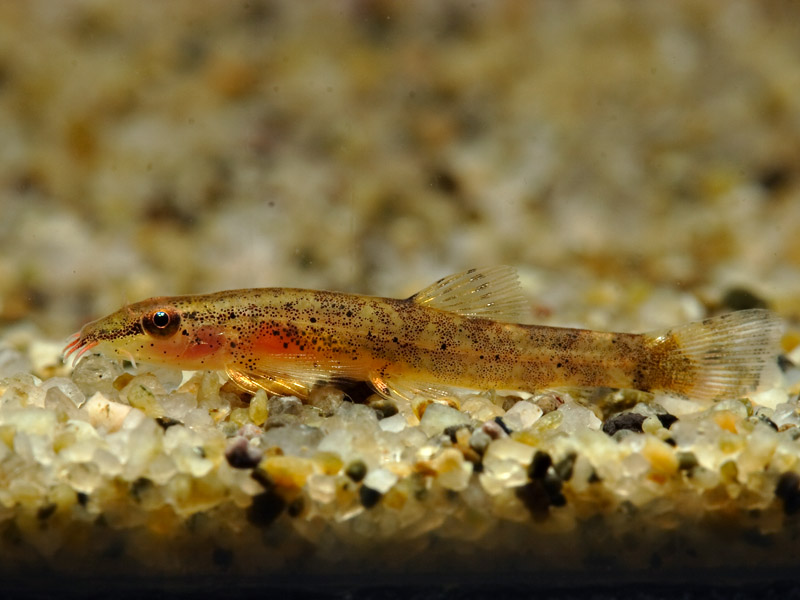
Neohomaloptera johorensis
Herre, 1944
Max length25mm SL1.0in SLTank45 × 30cm18 × 12inTemp23–26°C73–79°FpH3.5–6.5We're unsure if this species has ever been traded on a commercial basis though we know of several private collectors who've maintained it. It's difficult to confuse with any other balitorid due to the small adult size and distinctive orange to reddish-brown body colouration, and was originally described as a subgenus by Herre (1944) before Silas (1953) raised it to full genus status. It was later syonymised with Homaloptera by Alfred (1969) but has been generally accepted as a distinct, valid genus since Roberts (1989).
Neolamprologus boulengeri
authority not recorded
Max length65mm SL2.6in SLTanknot recordedTemp24–27°C75–81°FpH7.5–9.0N. boulengeri can be distinguished from the similar N. hecqui and Lamprologus kungweensis primarily by the orange border on the dorsal and anal fins, although its adult patterning is somewhat different to the other species. Unlike many other shell dwellers, it will spawn in small caves if no shells are made available....
Neolamprologus brevis
authority not recorded
Max length60mm SL2.4in SLTanknot recordedTemp23–27°C73–81°FpH7.5–9.0N. brevis is one of the commoner species of shell dweller available in the hobby. Several colour morphs are available including "sunspot", "katabe" and "sambia". As mentioned above, it is often found in areas within Lake Tanganyika where relatively few snail shells collect and in these areas, pairs of fish will share the same shell. This behaviour may or may not be observed in the aquarium, depending on the number of shells provided and the individual fish. The terr...
Neolamprologus buescheriStriped Lamprologus
authority not recorded
Max length70mm SL2.8in SLTank90 × 38cm36 × 15inTemp24–28°C75–82°FpH7.5–9.0Not recommended for the beginner N. buescheri is one of the most aggressive small cichlids in the hobby. Several geographical morphs are available, including "gombi", "kachese", "kamakonde", and "zaire".
Neolamprologus fasciatusBarred Lamprologus
authority not recorded
Max length150mm SL6in SLTank90 × 38cm36 × 15inTemp23–27°C73–81°FpH7.5–9.0N. fasciatus is a predator by nature and its body shape has been adapted to allow it to enter small crevices and gaps in the rockwork of Lake Tanganyika to prey on invertebrates, eggs, fry and small fish. The lateral compression exhibited by this fish also makes the fish hard to spot head on, giving it an advantage over both its predators and prey. It hunts in a head down position a few feet above the substrate, moving its body in sinuous motions to counteract the water currents. It is sometimes...
Neolamprologus helianthusSunflower Lamprologus
authority not recorded
Max length80mm SL3.1in SLTanknot recordedTemp23–27°C73–81°FpH7.5–9.0This stunning species was only described in 1997 and is included in the so-called "Brichardi complex", which also includes N. brichardi, crassus, falcicula, gracilis, pulcher, savoryi and splendens. The species should not be mixed in aquaria as they will hybridise freely. N. helianthus can be distinguished from others in the complex by its overall yellow-orange patterning and v-shaped cheek marking....
Neolamprologus leleupiLemon Cichlid
authority not recorded
Max length100mm SL3.9in SLTanknot recordedTemp23–27°C73–81°FpH7.5–9.0One of the most popular Tanganyikan species in the hobby, N. leleupi is a stunning fish when in good condition. However, it is not as easy to maintain as its popularity suggests, due to its disagreeable attitude towards conspecifics and its sensitivity to deteriorating water conditions. It is a solitary species in nature, with male fish entering females' caves as they find them and spawning with receptive females. This explains the weak pair bond formed by spawning fish in aquaria and also ...
Neolamprologus multifasciatus
authority not recorded
Max length45mm SL1.8in SLTanknot recordedTemp24–27°C75–81°FpH7.5–9.0This is probably the smallest known cichlid species and exhibits truly fascinating behaviour. The territories it establishes are very small, usually measuring no more than 6" across, but they are defended vigorously. The tiny fish will even bite hands or fingers that invade their 'personal space'! Highly recommended to anyone wishing to observe some unique behaviour on a small scale....