Results for “temporal”
Type a name: scientific, common, or one a species used to go by. Or narrow the catalogue with the filters.
Filters
Hypselecara temporalisChocolate Cichlid
authority not recorded
Max length300mm SL12in SLTank120 × 45cm48 × 18inTemp25–30°C77–86°FpH5.0–7.0Test
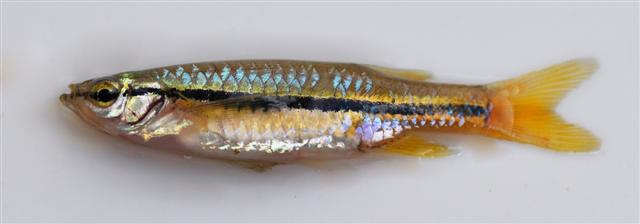
Esomus danricaFlying Barb
Hamilton, 1822
Max length70mm SL2.8in SLTank120 × 30cm48 × 12inTemp20–26°C68–79°FpH6.0–8.0Found in various types of habitat but shows a marked preference for shallow, slow-moving and standing waters such as rice paddies and other temporally-inundated environments with dense aquatic vegetation.
Hypselecara coryphaenoidesRio Negro Chocolate Cichlid
authority not recorded
Max length150mm SL6in SLTank120 × 45cm48 × 18inTemp24–30°C75–86°FpH5.0–6.5This species is much rarer in the trade than the only other member of the genus, H. temporalis. If the collection locality of the fish is known, identification of the species is easy, as the distribution of the two appears not to overlap in nature. Failing this, distinguishing physical characteristics include body shape, as H. coryphaenoides is a more elongate fish than the quite squat-looking H. temporalis. There are also differences in colour and patterning, although these are less reliable me...
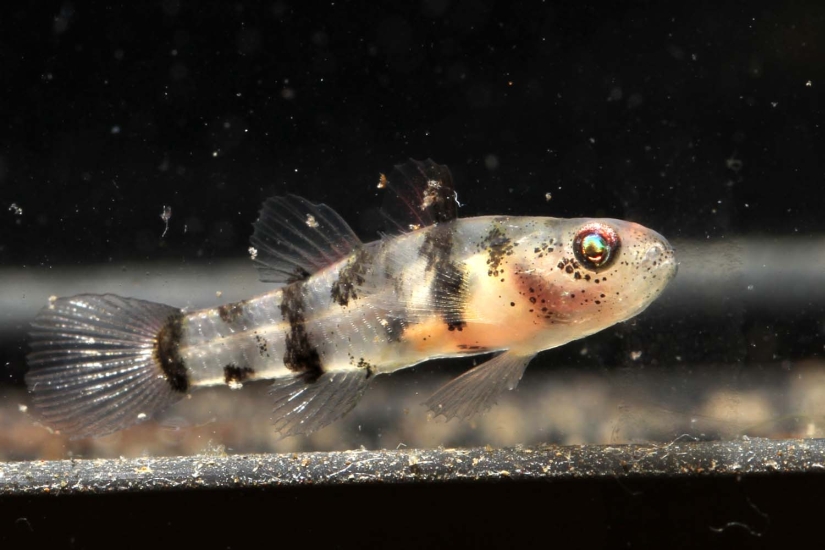
Brachygobius mekongensisMekong Bumblebee Goby
Larson & Vidthayanon, 2000
Max length18mm SL0.7in SLTank45 × 30cm18 × 12inTemp22–28°C72–82°FpH5.5–7.5Apparently restricted to slow-moving or standing freshwater habitats such as marshes, temporal swamps and floodplains where aquatic vegetation and submerged grasses proliferate. One locality consisted of undisturbed marshland with lightly tannin-stained water and dense growth of Vallisneria spp.
Fundulopanchax walkeri
authority not recorded
Max length65mm SL2.6in SLTank45 × 25cm18 × 10inTemp20–23°C68–73°FpH6.0–7.0There exist many different populations of this species in nature, some of which are now threatened or extinct, due to rapid human development in Ghana and the Ivory Coast in recent years. It is not a common fish in the hobby. Interestingly, it appears that F. walkeri occurs as both an annual and non-annual fish. This adaptation allows it to inhabit many different habitats, as it is able to breed in both permananent and temporary bodies of water. Note that this fish prefers cooler temperatures t...