Results for “swamp”
Type a name: scientific, common, or one a species used to go by. Or narrow the catalogue with the filters.
Filters
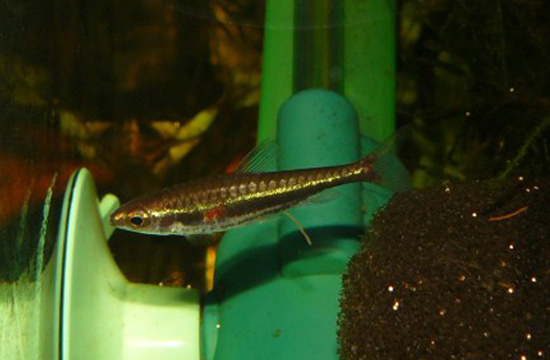
Nannostomus minimusLeast Pencilfish
Eigenmann, 1909
Max length23mm SL0.9in SLTank45 × 30cm18 × 12inTemp22–28°C72–82°FpH4.0–6.5Inhabits sluggish blackwater tributaries, small rivers and swampy areas, particularly in areas with dense growth of aquatic or overhanging riparian vegetation, submerged woody structures and leaf litter. The water is typically stained darkly with humic acids and other chemicals released by decaying organic material, the dissolved mineral content is generally negligible and pH can be as low as 4.0. N. minimus occurs sympat...
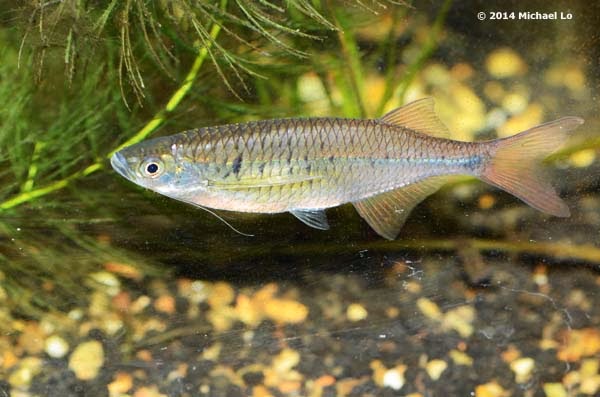
Nematabramis everetti
Boulenger, 1894
Max length105mm SL4in SLTanknot recordedTempnot recordedpHnot recordedNematabramis species are found a variety of habitat-types, from swiftly-flowing affluent streams to pools, lakes, and degraded swamps. Based on the available collection records juveniles and subadults of N. everetti display a preference for fast-moving water whereas adults are found in deeper, slower stretches of minor tributaries.
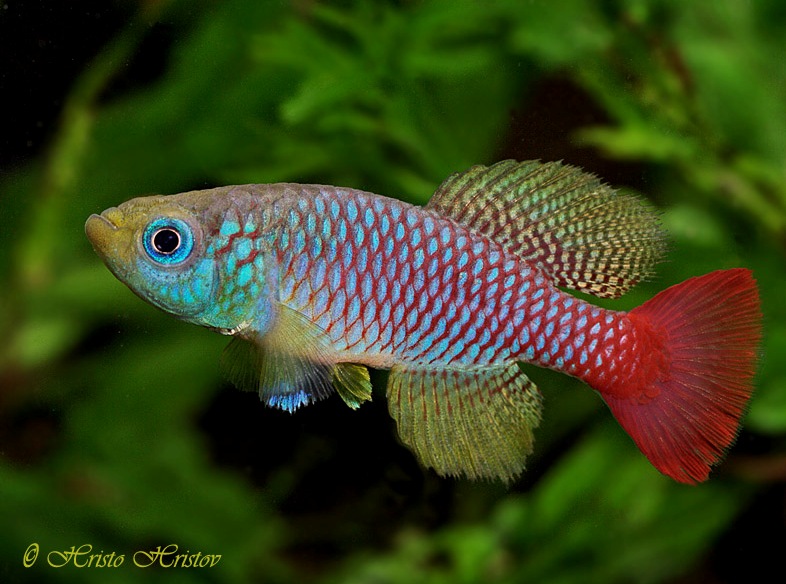
Nothobranchius foerschi
Wildekamp & Berkenkamp, 1979
Max length♂ 55 · ♀ 40mm SL♂ 2.2 · ♀ 1.6in SLTank45 × 30cm18 × 12inTemp20–24°C68–75°FpH6.5–7.5Inhabits ephemeral, water-filled depressions, pools and swamps mostly located in lowland floodplains. Water levels in these seasonally-variable habitats typically decrease during the dry season and eventually become completely dessicated for several months each year. Near Bagamoyo it's been collected from pools of a flat, grassy floodplain alongside the congeners N. annectens, N. janpapi and N. melanospilus, while at Soga it occus together with N. janpapi and N. ocellatus. Most habitats appear to be heavily overgrown with terrestrial vegetation.
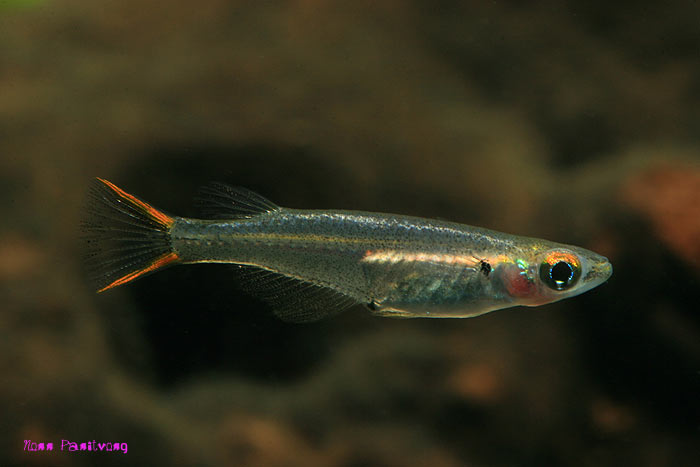
Oryzias songkhramensis
Magtoon, 2010
Max length20mm SL0.8in SLTank40 × 20cm16 × 8inTemp23–30°C73–86°FpH6.0–7.5An exclusive inhabitant of fresh, normally standing, waters including shallow pools, ditches, rice paddies and clear water swamps. The type locality is a small ditch measuring just 3 - 6 metres in width and 0.5 - 2 metres deep. The water was clear and the substrate composed of sand, detritus and mud with growths of the macrophytes Nymphaea lotus, Jussiaea repens and Hydrilla verticillata.
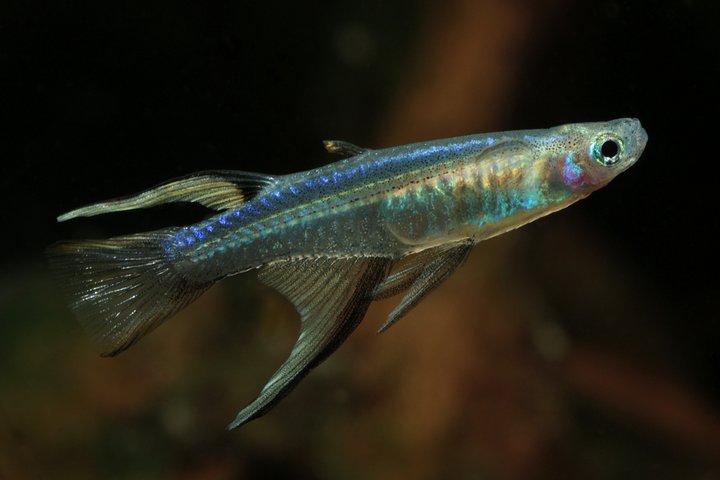
Pseudomugil cyanodorsalisNeon Blue-eye
Allen & Sarti, 1983
Max length35mm SL1.4in SLTank45 × 30cm18 × 12inTemp21–31°C70–88°FpH7.0–8.5Euryhaline and thus capable of withstanding significant fluctuations in salinity and other water conditions. It's been recorded in full marine conditions as well as pure freshwater environments, and commonly inhabits coastal mangrove creeks and swamps. Such changes may occur on a daily or seasonal basis depending on locality, with some habitats influenced by daily tides whereas others become hypersal...
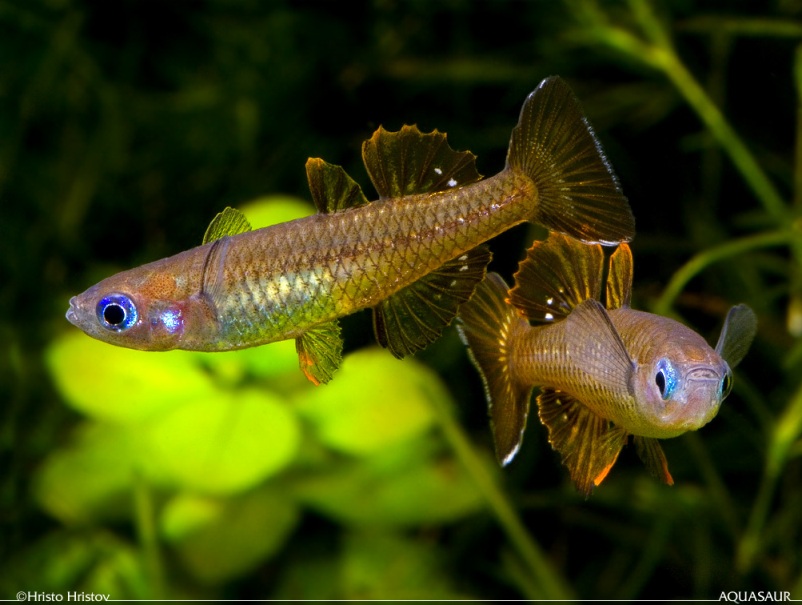
Pseudomugil tenellusDelicate Blue-eye
Taylor, 1964
Max length55mm SL2.2in SLTank75 × 30cm30 × 12inTemp25–32°C77–90°FpH5.5–7.5Euryhaline and mostly inhabits coastal floodplains where it's found in both fresh and brackish habitats, including tidal estuaries and salt marshes. It's particularly common in swamps, billabongs, and slow-moving streams where aquatic vegetation grows densely, but some populations have colonised upper sections of freshwater streams. Larger individuals may also move into main river channels. Tappin (2010) gives the following ranges of parameters based on those taken from various localities: temperature 27 - 38 °C, pH 5...