Search the catalogue
Type a name: scientific, common, or one a species used to go by. Or narrow the catalogue with the filters.
Filters
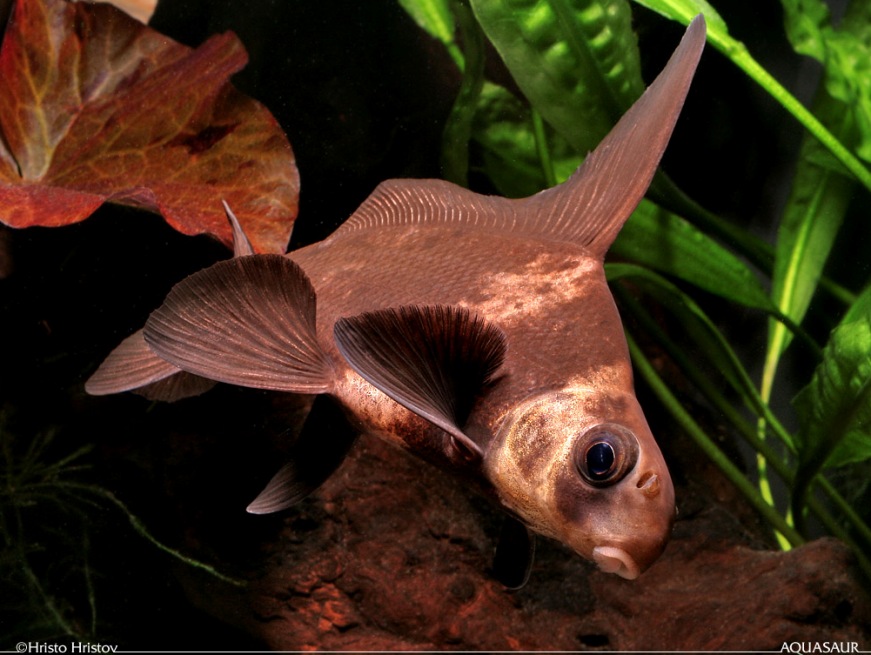
Myxocyprinus asiaticusChinese Sailfin Sucker
Bleeker, 1864
Max length900mm SL35in SLTanknot recordedTemp15.5–21°C60–70°FpH6.0–8.0This species is traded under various names including 'Chinese banded shark', 'Chinese sucker', 'freshwater batfish', 'high-fin banded loach', etc. It's currently illegal to import or own privately in several countries, including the UK, but continues to be available with only the attractive juvenile form traded, and almost always without information regarding adult size of almost a metre or potential lifepan of 25 years+. Myxocyprinus is a monotypic genus and the only Asian representative of the family Cato...
Nannacara anomalaGolden Dwarf Cichlid
authority not recorded
Max length76mm SL3.0in SLTank46 × 38cm18 × 15inTemp22–25°C72–77°FpHnot recordedNannacara Anomala are widely available in the trade, and are generally regarded as an excellent beginner's fish. If a beginner is interested in keeping Cichlids and learning about breeding, then these fish are absolutely ideal. Anomala are attractive, hardy and usually quite cheap to purchase. Like some species of the Apistogramma genus, the mother may use fascinating body language to communicate with her fry when she is caring for them. If there is more than one male in a tank smalle...
Nannacara taeniaStriped Dwarf Cichlid
authority not recorded
Max length50mm SL2.0in SLTank60 × 38cm24 × 15inTemp22–28°C72–82°FpH6.0–7.0Nannacara taenia is rarely seen for sale in local aquatic stores. Largely, because it is a fairly unremarkable fish, tending towards a drab brown appearance. You are more likely to obtain this fish through specialist cichlid dealers or amateur enthusiasts....
Nannaethiops unitaeniatusOne-lined African Characin
authority not recorded
Max length65mm SL2.6in SLTank60 × 30cm24 × 12inTemp22–26°C72–79°FpH6.5–7.5Not often seen for sale this is a pretty, peaceful little fish that deserves more popularity in the hobby. It is often confused with similar-looking members of the genus Neolebias.
Nannocharax brevisAfrican Darter Characin
authority not recorded
Max length45mm SL1.8in SLTank45 × 30cm18 × 12inTemp23–27°C73–81°FpH6.0–7.5There are currently 25 described species in the genus Nannocharax, these forming a monophyletic group with members of the very similar Hemigrammocharax. None can be described as particularly common in the hobby but N. brevis and N. fasciatus are the most often seen. They are notoriously tricky to identify though, and it's quite possible that more than two species are being sold under these names. In nature these fish occupy a similar ecological niche to the South American darter characi...
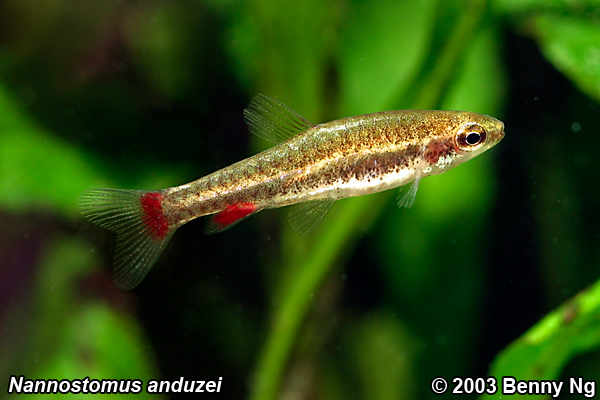
Nannostomus anduzei
Fernandez & Weitzman, 1987
Max length16mm SL0.6in SLTank45 × 30cm18 × 12inTemp22–28°C72–82°FpH5.0–7.0This is the smallest member of the genus and rarely traded in numbers, though it's a relatively common contaminant among shipments of wild fishes from Manaus. Unlike other Nannostomus spp. it does not exhibit a specific colour pattern of spots or bars at night-time, rather displaying an overall paleness. The family Lebiasinidae is included in the order Characiformes and sometimes split into the nominal subfamilies Lebiasininae a...
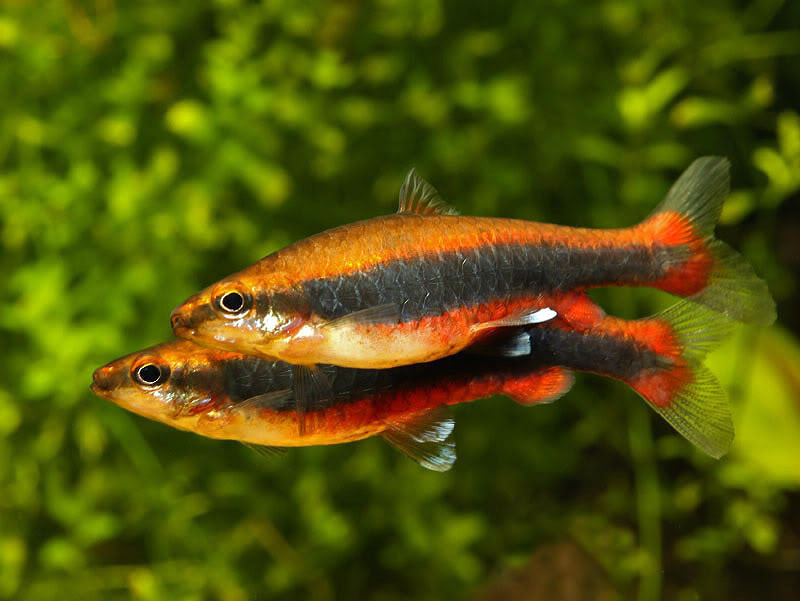
Nannostomus beckfordiGolden Pencilfish
Günther, 1872
Max length65mm SL2.6in SLTank45 × 30cm18 × 12inTemp21–27°C70–81°FpH5.0–8.0This is the type species of the genus, fairly ubiquitous in the aquarium trade, and represents an excellent choice for the newcomer to fishkeeping since it's less demanding than most congeners. It's sometimes referred to as 'Beckford's pencil fish' or 'brown pencilfish'. Don't worry if your fish look different when you switch on the aquarium lights after dark or in the morning as like most Nannostomus species it assumes a cryptic, vertically-barred colour pattern at ni...
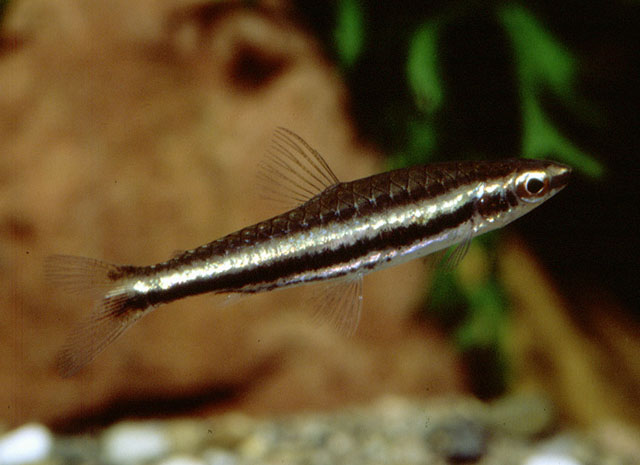
Nannostomus digrammusTwostripe Pencilfish
Fowler, 1913
Max length30mm SL1.2in SLTank45 × 30cm18 × 12inTemp22–28°C72–82°FpH5.0–7.0Native to the central Amazon basin with records existing from the Madeira, Branco, Trombetas, and Tapajós river drainages, plus the Rupununi basin in Guyana. Although an affluent of the rio Essequibo and thus not officially part of the Amazon basin, the latter is connected to the rio Takutu, a tributary of the upper rio Branco, during the annual wet season. Type locality is given by Fowler as 'Rio Madeira about 200 miles east of W. Long. 62°20', Brazil'.
Nannostomus equesHockeystick Pencilfish
Steindachner, 1876
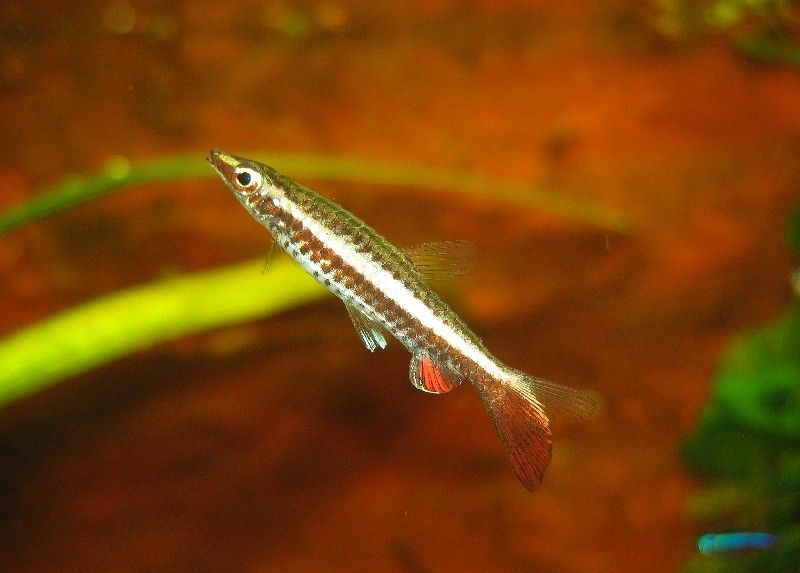
Max length35mm SL1.4in SLTank60 × 30cm24 × 12inTemp22–28°C72–82°FpH4.5–7.5This species has been referred to the genera Poecilobrycon and Nannobrycon in the past and in the aquarium hobby is also known as 'rocket', 'brown', 'brown-tailed', 'diptail', or 'tubemouth' pencilfish.It's a popular aquarium fish and has an interesting oblique swimming-style, a behavioural trait shared only with N. unifasciatus among congeners. In the original description the colour pattern is given by Steindachner as a brown lateral stripe exte...
Nannostomus espeiBarred Pencilfish
Meinken, 1956
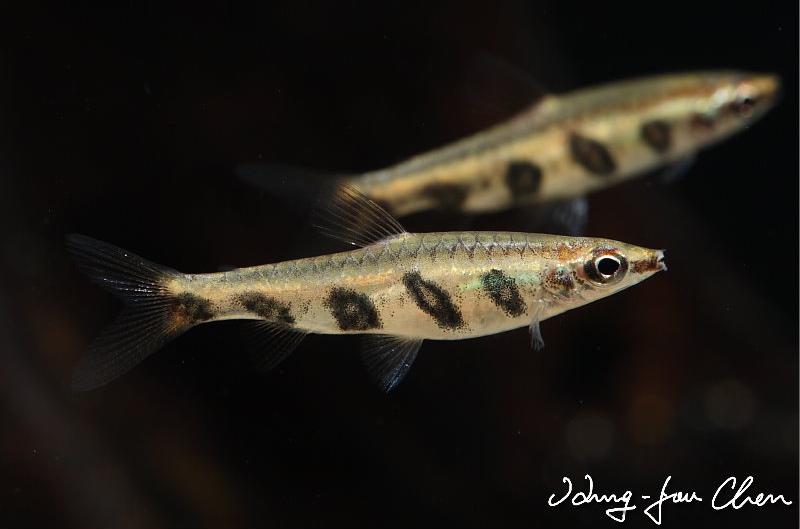
Max length30mm SL1.2in SLTank60 × 30cm24 × 12inTemp22–28°C72–82°FpH4.0–6.5This species is sometimes traded as 'Espei's', 'four-barred' or 'banded' pencilfish and is sought after in the aquarium hobby, though normally quite expensive to buy. It's most-easily identified by its unique colour pattern of 5 dark, vertically-orientated bar-like markings on each flank, this in direct contrast to the horizontal stripes seen in other congeners...
Nannostomus grandis
Zarske, 2011
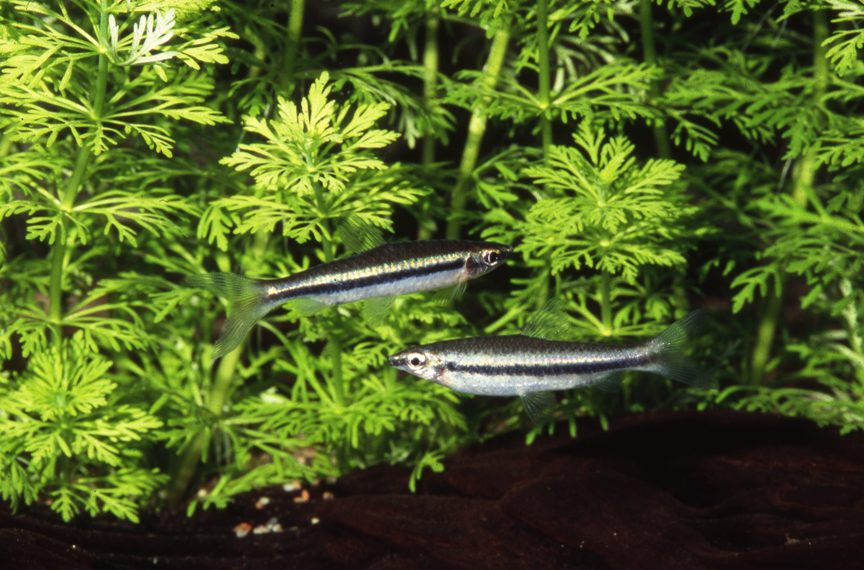
Max length46mm SL1.8in SLTank60 × 30cm24 × 12inTemp22–28°C72–82°FpH5.0–7.0This species is poorly-known in the aquarium hobby but is sometimes exported as bycatch among shipments of other species, especially Nannostomus beckfordi to which it appears quite similar. The easiest way to tell the two apart is that N. grandis lacks pale white or bluish tips to the ventral fins. It can be further distinguished from all congeners by the following combination of characters: body size up to 46.2 mm, the largest in the genus; bo...
Nannostomus harrisoniBlackstripe Pencilfish
Eigenmann, 1909
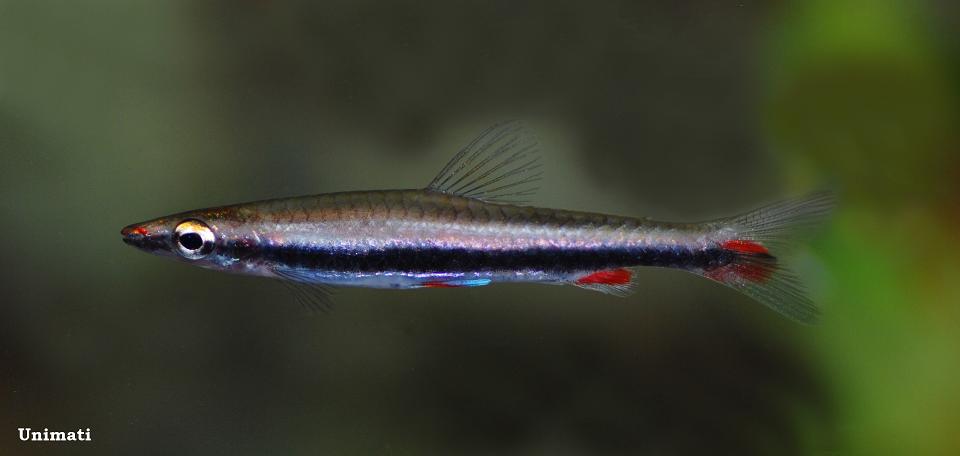
Max length45mm SL1.8in SLTank60 × 30cm24 × 12inTemp22–28°C72–82°FpH5.0–7.0This species is quite rare in the aquarium hobby and is not often available in numbers, more often being exported as bycatch among shipments of the congener N. eques. Following Weitzman and Cobb (1975) it can be diagnosed by the following combin...
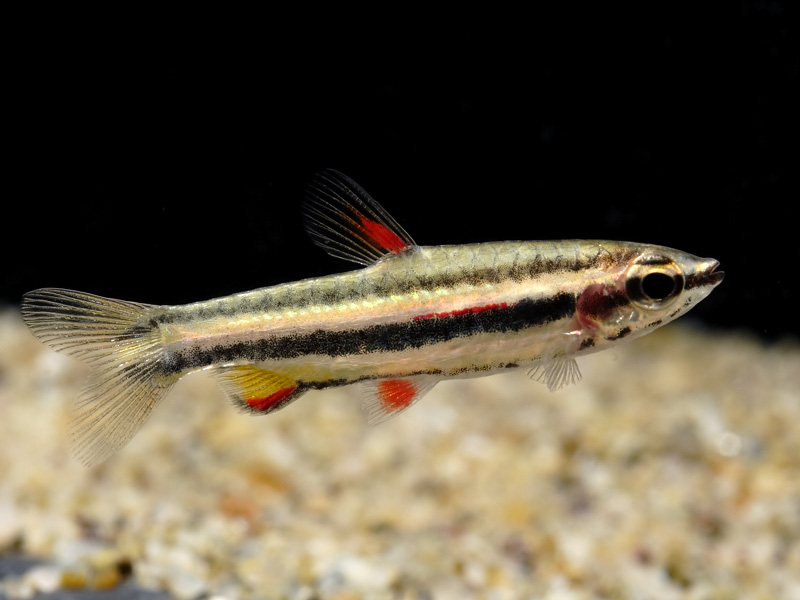
Nannostomus marginatusDwarf Pencilfish
Eigenmann, 1909
Max length25mm SL1.0in SLTank45 × 30cm18 × 12inTemp22–28°C72–82°FpH4.0–7.0There also exist a number of minor differences in colour pattern between populations. For example some Peruvian forms have yellow pigmentation on the body and fins, and those from Guyana and Suriname possess a short red stripe on vertical scale rows 6-9, above the central dark stripe on the body. Rio Negro forms have a similar red stripe but overlapping the central dark stripe and extending along most of the flank, while a form from Colombia has an elongate red stripe which is broken in two beneath the dorsal-fi...
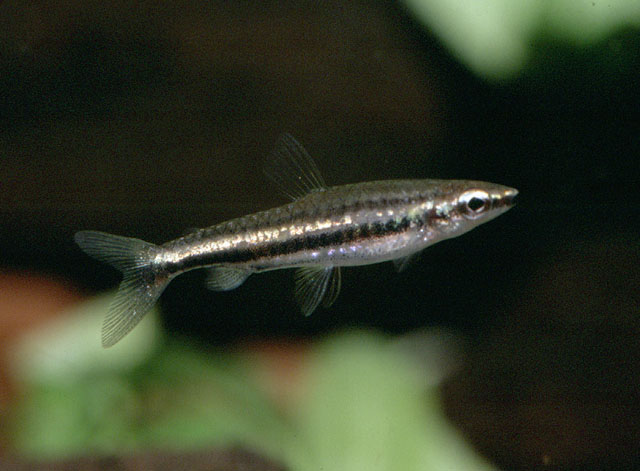
Nannostomus marilynaeGreenstripe Pencilfish
Weitzman & Cobb, 1975
Max length35mm SL1.4in SLTank60 × 30cm24 × 12inTemp21–28°C70–82°FpH4.0–6.5This species is also known as 'Marilyn's pencilfish'. It's rarely traded in numbers and more often seen as bycatch among shipments of other species, particularly Paracheirodon axelrodi. It can be identified by the following combination of characters: three dark lateral stripes (sometimes referred to as primary, secondary, and tertiary); nocturnal oblique bars relatively narrow, with the anterior bar reaching, but not extending past, the anterior base of the dorsal-fi...
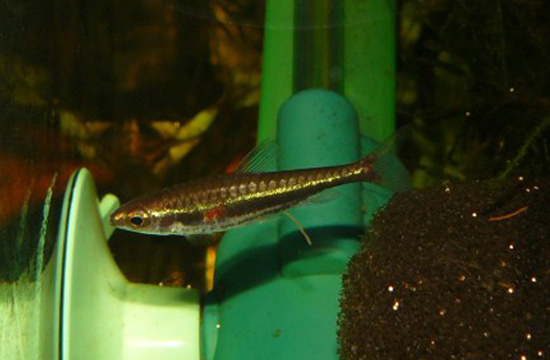
Nannostomus minimusLeast Pencilfish
Eigenmann, 1909
Max length23mm SL0.9in SLTank45 × 30cm18 × 12inTemp22–28°C72–82°FpH4.0–6.5Inhabits sluggish blackwater tributaries, small rivers and swampy areas, particularly in areas with dense growth of aquatic or overhanging riparian vegetation, submerged woody structures and leaf litter. The water is typically stained darkly with humic acids and other chemicals released by decaying organic material, the dissolved mineral content is generally negligible and pH can be as low as 4.0. N. minimus occurs sympat...
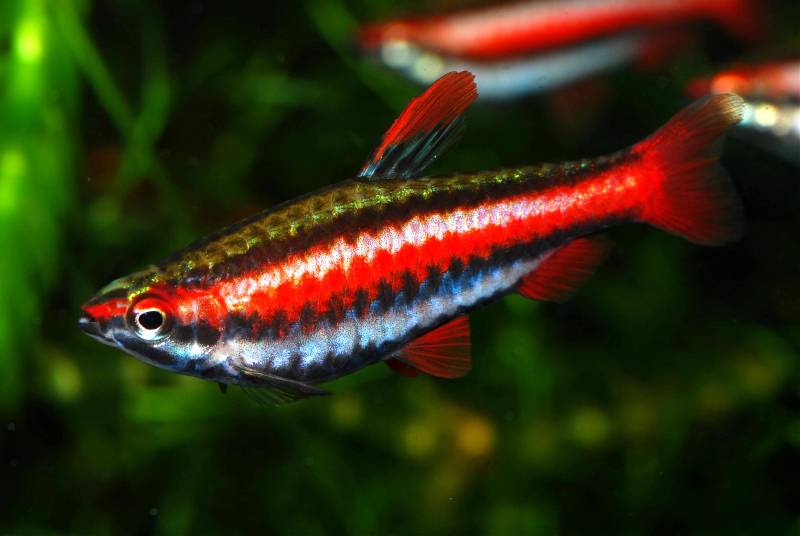
Nannostomus mortenthaleriCoral Red Pencilfish
Paepke & Arendt, 2001
Max length30mm SL1.2in SLTank90 × 30cm36 × 12inTemp24–28°C75–82°FpH4.0–7.0This species is traded under various other names including 'red arc pencilfish', 'Peruvian red pencilfish', 'ruby red pencilfish', 'red pencilfish', and Nannostomus cf. marginatus 'red'. It was initially described as a subspecies of N. marginatus but can be identified by the following combination of characters: pronounced sexual dimorphism with adult males exhibiting bright red pigmentation between the central...
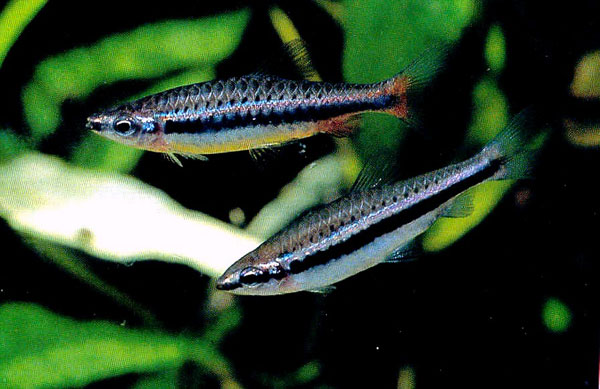
Nannostomus nitidusShining Pencilfish
Weitzman, 1978
Max length35mm SL1.4in SLTank60 × 30cm24 × 12inTemp23–28°C73–82°FpH4.0–7.0Described from 'Igarapé Candiru-Mirim, Rio Capim, Pará, Brazil', a relatively short river draining into the rio Pará near the city of Belem, eastern Brazil. Records of similar-looking fish exist from Santarém, Pará state, in the central Amazon region, and the coastal city of Fortaleza, Ceará state, much further southeast. These may require confirmation.
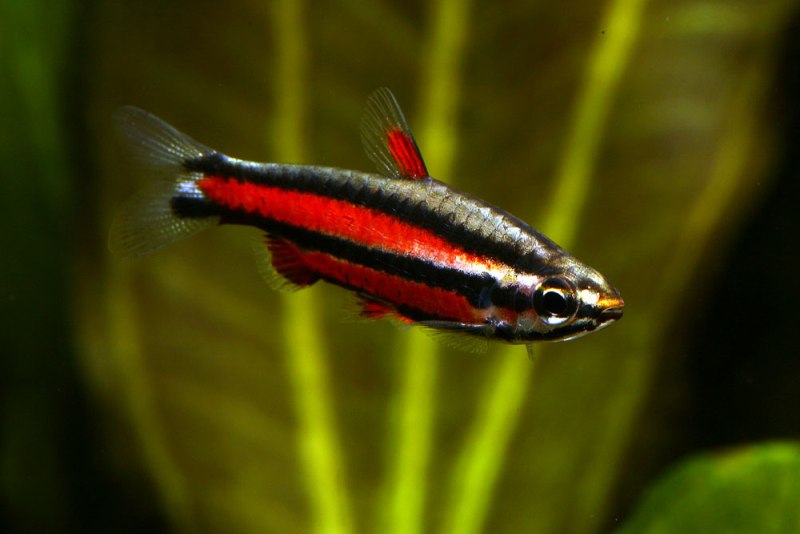
Nannostomus rubrocaudatusPurple Pencilfish
Zarske, 2009
Max length30mm SL1.2in SLTank90 × 30cm36 × 12inTemp24–28°C75–82°FpH4.0–7.0In live fish colour pattern is perhaps the most useful way to identify N. rubrocaudatus plus the closely-related N. marginatus and N. mortenthaleri. N. marginatus is immediately distinguished from the other two by the fact it lacks red pigmentation on the body in males, but N. mortenthaleri and N. rubrocaudatus are more easily-confused. Males of N. rubrocaudatus can be told apart fro...
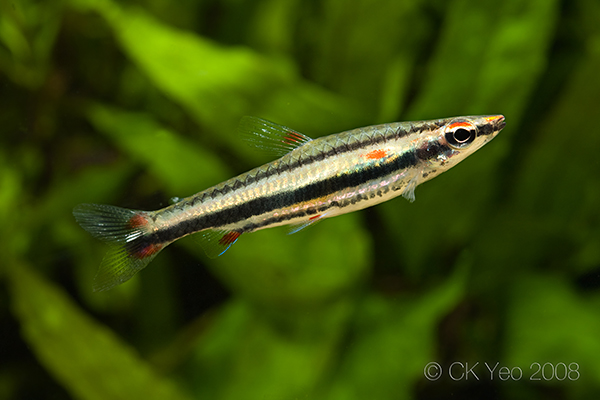
Nannostomus trifasciatusThree-lined Pencilfish
Steindachner, 1876
Max length33mm SL1.3in SLTank75 × 30cm30 × 12inTemp22–28°C72–82°FpH4.0–7.5Wild populations vary in colour pattern depending on origin, and some populations have previously been described as distinct species. A form from Peru has a particularly silvery body colour, for example, while another, marketed as 'super red' possesses an unusually long red stripe on the body, extending much of the length of the dark central stripe. A population from around Boa Vista in the rio Branco system, Pará state, Brazil has an ocellus o...
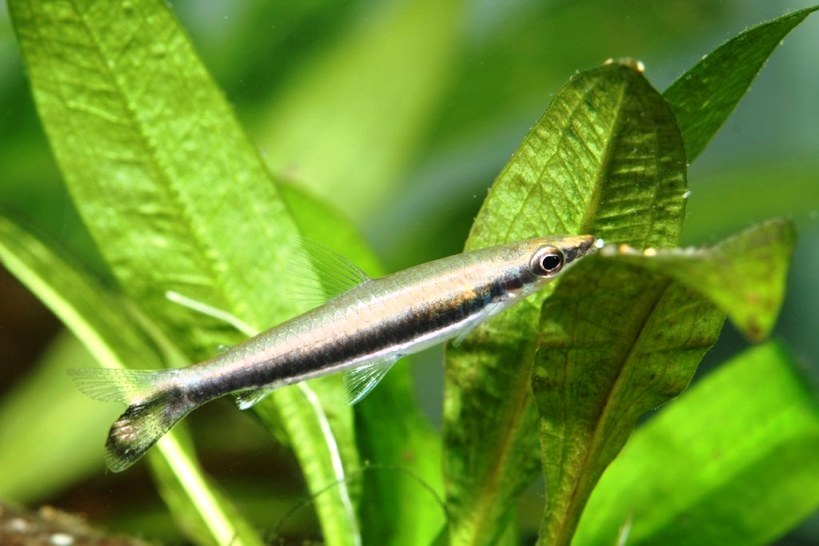
Nannostomus unifasciatusOne-lined Pencilfish
Steindachner, 1876
Max length40mm SL1.6in SLTank75 × 30cm30 × 12inTemp23–28°C73–82°FpH4.0–7.0This species has been referred to the genera Poecilobrycon and Nannobrycon in the past and in the aquarium hobby is also known as 'oneline' or 'red fin' pencilfish. It's a popular aquarium fish and has an interesting oblique swimming-style, a behavioural trait shared only with N. eques among congeners. The most recent diagnosis of the species appears to be that giv...