Results for “bloodworm”
Type a name: scientific, common, or one a species used to go by. Or narrow the catalogue with the filters.
Filters
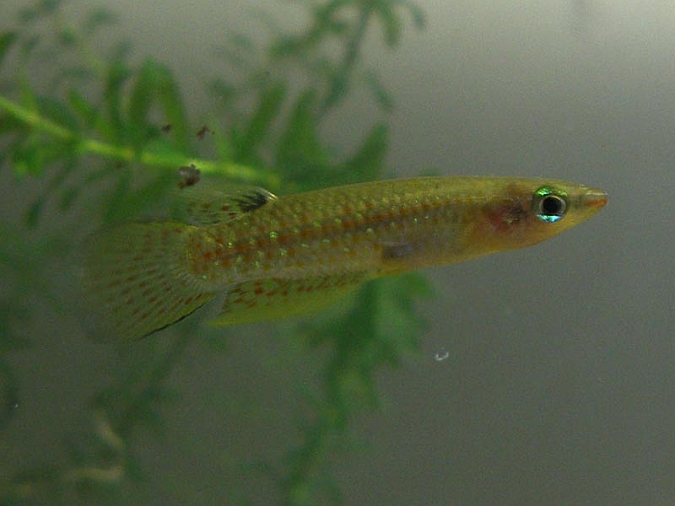
Aplocheilus parvusDwarf Panchax
Sundara Raj, 1916
Max length40mm SL1.6in SLTank45 × 30cm18 × 12inTemp20–28°C68–82°FpH6.0–8.5Aplocheilus spp. are surface-dwelling predators preying on both aquatic and terrestrial invertebrates. In the aquarium they will learn to accept dried foods in most cases but should also be offered regular meals of small live or frozen fare such as Artemia, Daphnia, chironomid larvae (bloodworm), etc.
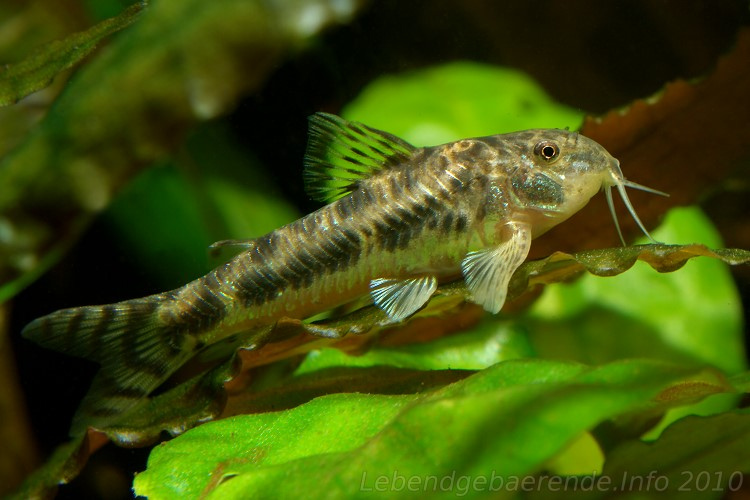
Aspidoras spilotusC125
Nijssen & Isbrücker, 1976
Max length45mm SL1.8in SLTank60 × 30cm24 × 12inTemp20–25°C68–77°FpH6.0–7.5Aspidoras spp. are foraging omnivores and will accept most sinking dried foods, as well as small live and frozen varieties such as chironomid larvae (bloodworm), Tubifex, etc. Feeding a varied diet will ensure the fish are in optimum condition.
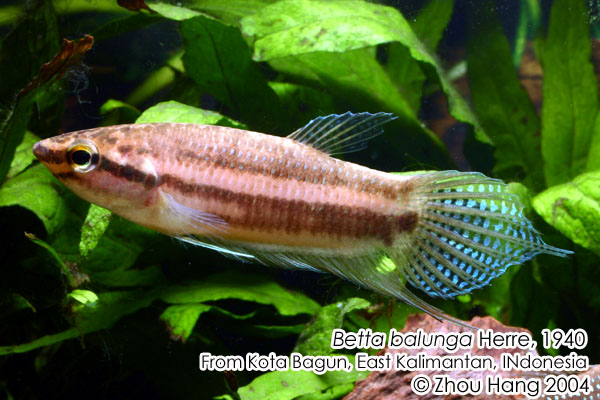
Betta balunga
Herre, 1940
Max length50mm SL2.0in SLTank60 × 30cm24 × 12inTemp22–27°C72–81°FpH5.0–7.0Likely to prey on insects and other small invertebrates/zooplankton in nature. Captive fish will normally accept dried products once they're recognised as edible, but should be offered plenty of small live or frozen foods such as Daphnia, Artemia or bloodworm regularly to ensure development of optimal colour and condition. Small insects such as crickets or Drosophila fru...
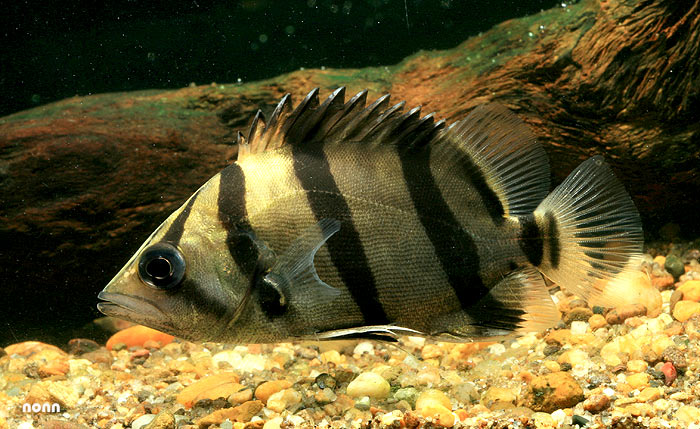
Datnioides undecimradiatusMekong Tiger Perch
Roberts & Kottelat, 1994
Max length300mm SL12in SLTank180 × 60cm72 × 24inTemp20–28°C68–82°FpH5.5–7.5An efficient, largely piscivorous, predator with highly protrusible mouthparts. In the aquarium, juveniles can be offered chironomid larvae (bloodworm), small earthworms, chopped prawn, and suchlike, while adults will accept strips of fish flesh, whole prawns, mussels, live river shrimp, larger earthworms, etc. Older individuals do not require feeding on a daily basis, with 2-3 times per week sufficient.
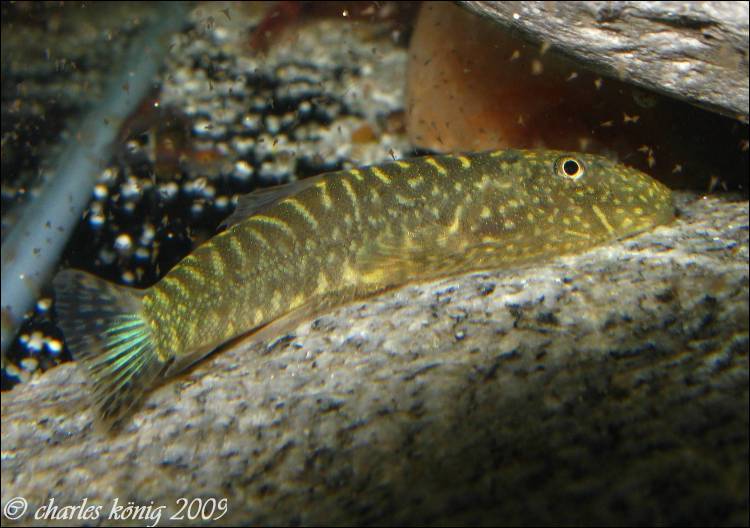
Gastromyzon zebrinus
Tan, 2006
Max length61mm SL2.4in SLTank75 × 30cm30 × 12inTemp20–24°C68–75°FpH6.0–7.5Much of the natural diet is likely to be composed of benthic algae plus associated micro-organisms which are rasped from solid surfaces. In captivity it will accept good-quality dried foods and meatier items like live or frozen bloodworm but may suffer internal problems if the diet contains excessive protein. Home-made foods usi...
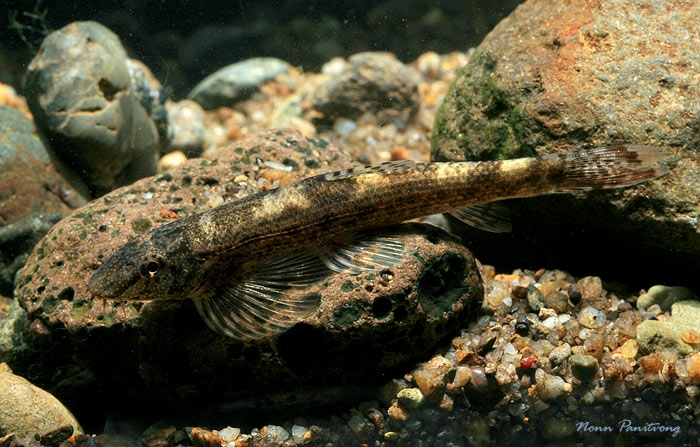
Homalopteroides modestus
Vinciguerra, 1890
Max length44mm SL1.7in SLTank60 × 30cm24 × 12inTemp18–25.5°C64–78°FpH6.0–7.5Homalopteroides spp. are specialised micropredators feeding on small crustaceans, insect larvae and other invertebrates. In captivity some sinking dried foods may be accepted but regular meals of live or frozen Daphnia, Artemia, bloodworm, etc., are essential for the maintenance of good health.
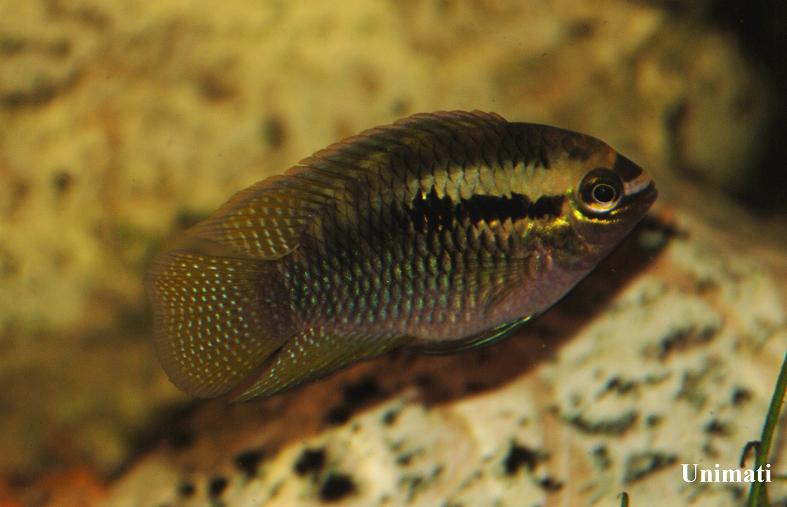
Laetacara dorsigeraRedbreast Acara
Heckel, 1840
Max length37mm SL1.5in SLTanknot recordedTemp20–28°C68–82°FpH5.0–7.5Wild fish are probably foragers feeding on algae, organic detritus, small insects, worms, crustaceans, and other zooplankton. In the aquarium it's easily-fed but the best condition and colours offer regular meals of small live and frozen foods such as bloodworm, Daphnia, and Artemia, alongside good quality dried flakes and granules, at least some of which should include additional plant or algal content.
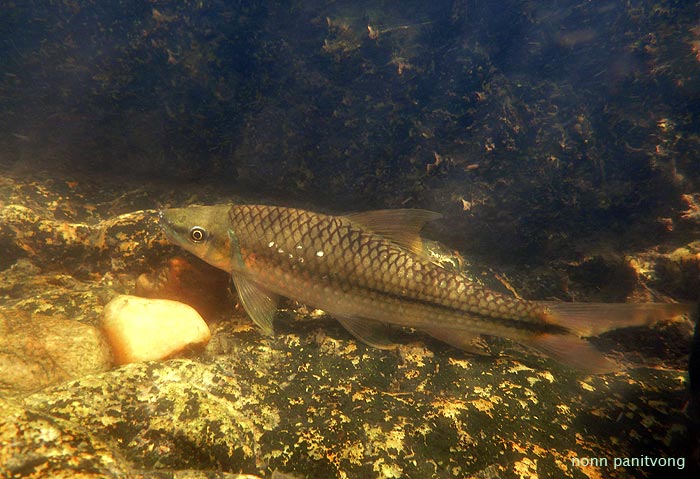
Lobocheilos rhabdoura
Fowler, 1934
Max length220mm SL9in SLTank180 × 60cm72 × 24inTemp20–26°C68–79°FpH6.0–8.0Lobocheilos species are specialised grazers of periphyton, benthic algae, and other organisms which grow attached to rocks and other solid surfaces, and they typically leave visible scrape marks in places where they have been feeding. They are by no means herbivorous and should be offered meaty foods such as live or frozen chironomid larvae (bloodworm), Tubifex, Artemia, chopped prawn, etc., along with good quality, sinking dried products, at lea...
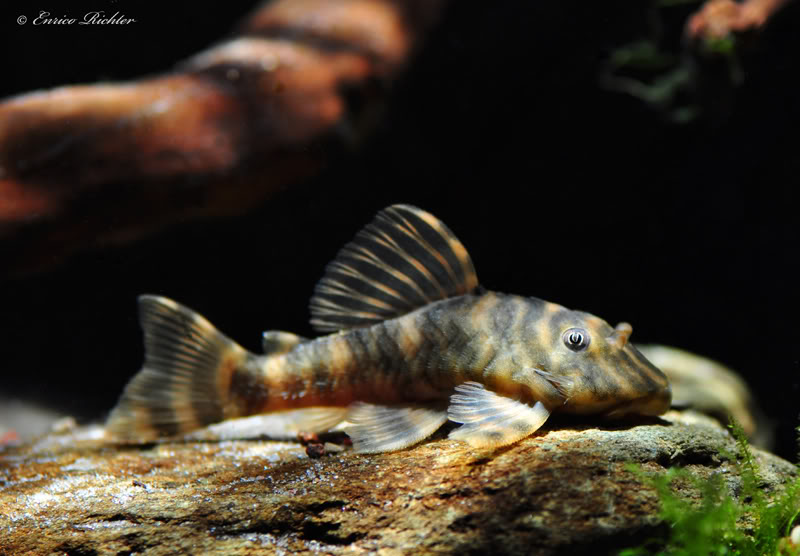
Peckoltia sp.L038
authority not recorded
Max length120mm SL5in SLTank120 × 30cm48 × 12inTemp23–29°C73–84°FpH6.0–7.5Wild specimens are probably omnivorous foragers but with a preference for aquatic invertebrates and suchlike. In the aquarium it does best when offered a varied diet comprising sinking dried foods, frozen Daphnia, mosquito larvae, chironomid larvae (bloodworm), and prawn/shrimp, for, example, plus some fresh fruit, parboiled potato, etc.
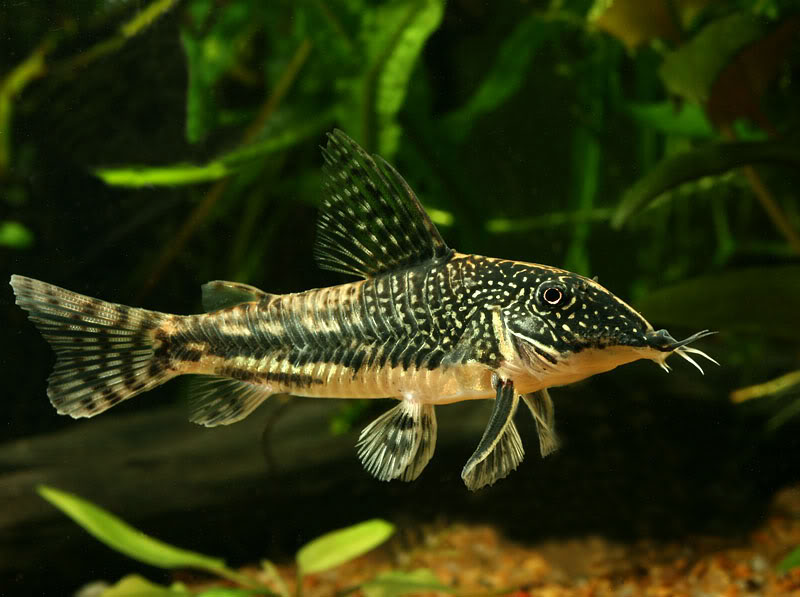
Scleromystax barbatusBanded 'Cory'
Quoy & Gaimard, 1824
Max length100mm SL3.9in SLTank120 × 45cm48 × 18inTemp16–24°C61–75°FpH5.5–7.5Scleromystax spp. are foraging omnivores, and most will accept sinking dried foods as well as small live and frozen varieties such as chironomid larvae (bloodworm), Tubifex, etc. Feeding a varied diet will ensure the fish are in optimum condition. Under no circumstances should they be expected to survive on 'left-overs' from other inhabitants of the aquarium or relied on to 'clean' the aquarium.
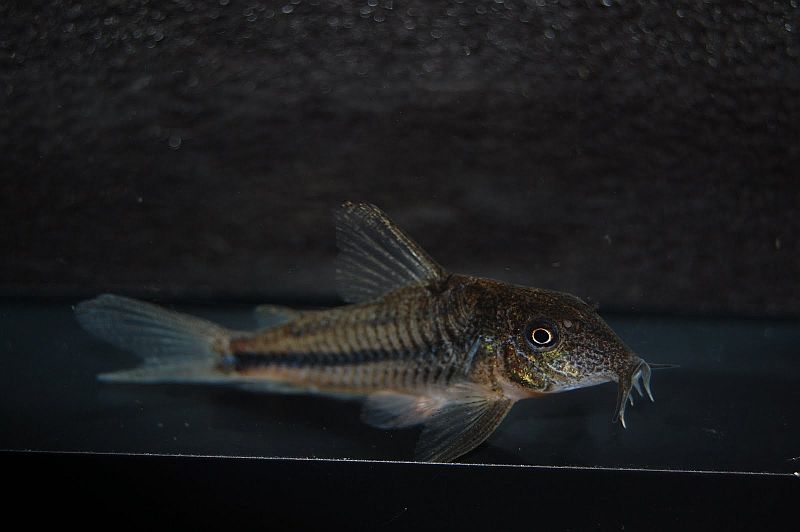
Scleromystax prionotos
Nijssen & Isbrücker, 1980
Max length65mm SL2.6in SLTank120 × 30cm48 × 12inTemp16–24°C61–75°FpHnot recordedScleromystax spp. are foraging omnivores, and most will accept sinking dried foods as well as small live and frozen varieties such as chironomid larvae (bloodworm), Tubifex, etc. Feeding a varied diet will ensure the fish are in optimum condition. Under no circumstances should they be expected to survive on 'left-overs' from other inhabitants of the aquarium or relied on to 'clean' the aquarium.