Macropodus opercularis
Paradise Fish
Formerly Labrus opercularis Linnaeus, 1758 · Labrus operculatus Gmelin, 1789 · Chaetodon chinensis Bloch, 1790 · Macropodus chinensis Bloch, 1790 · Macropodus viridi-auratus La Cepède, 1801 · Macropodus venustus Cuvier, in Cuvier & Valenciennes, 1831 · Macropodus filamentosus Oshima, 1919 · Macropodus baviensis Nguyen [H. D.] & Nguyen [V. H.], in Nguyen [V. H.], 2005
Last revised 2026Edit this page
On this page13 sections
Quick factsEdit
Difficulty5 of 8 measures
- Space
- medium tank
- Water
- flexible
- Temp
- needs cool water
- Diet
- unknown
- Temperament
- unknown
- Social
- one male with several females
- Compatibility
- choose tankmates carefully
Other demands
Each of these can raise the rating on its own, whatever the measures above say.
- Hardiness
- unknown
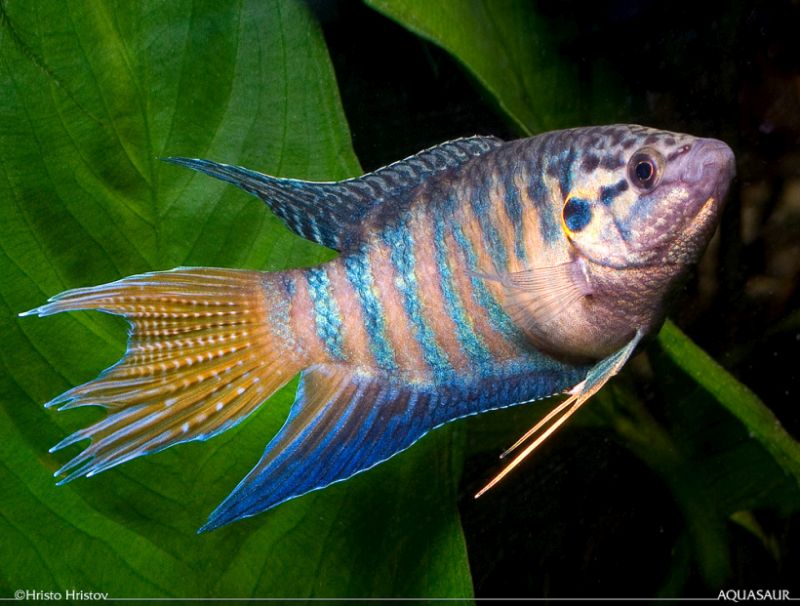
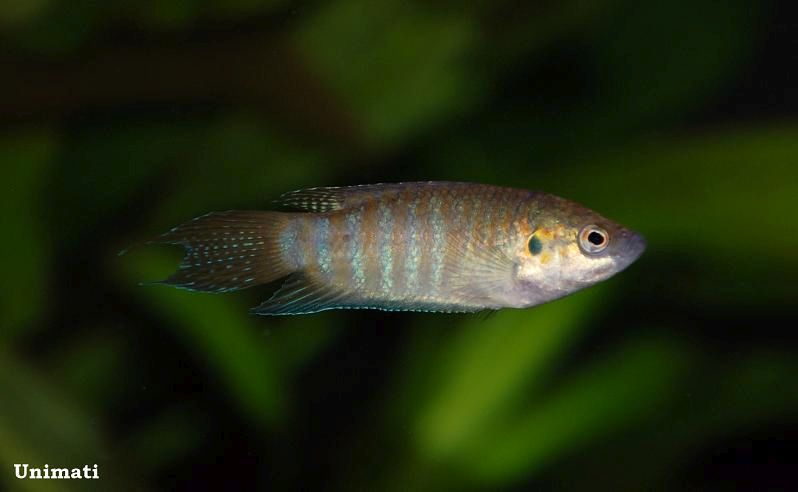
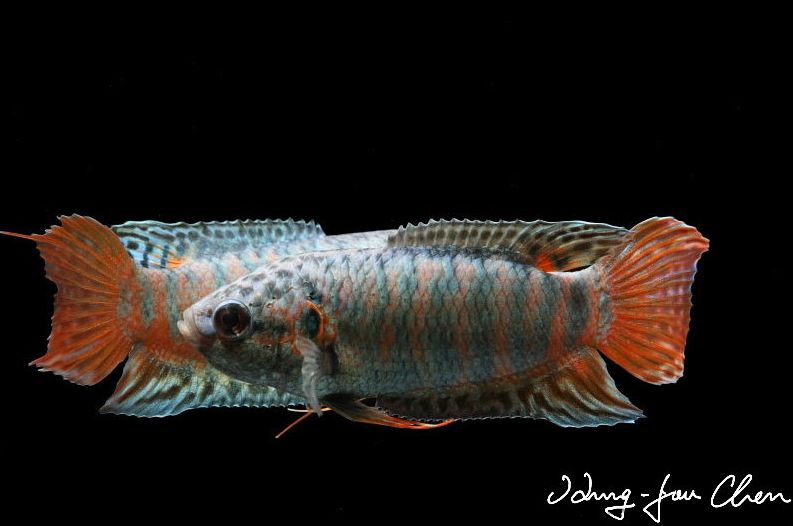
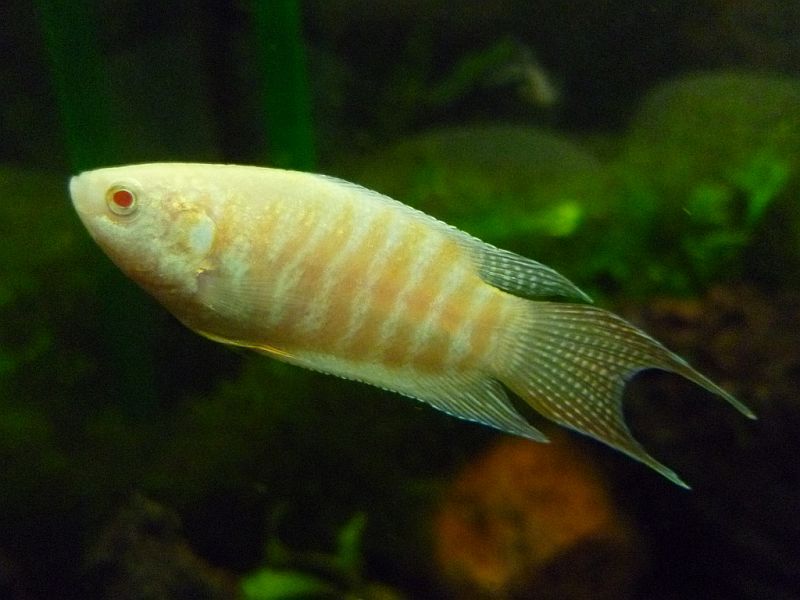
The paradise fish, Macropodus opercularis, is a labyrinth fish from China south of the Yangtze, including Taiwan and Hainan, plus Vietnam and Laos. Imported to France in 1869, it was among the very first ornamental fish brought to Europe. Wild examples are uncommon in the hobby since it is farmed extensively, and xanthic, albino, red, blue and stripeless strains exist. Males are territorially aggressive, especially when breeding, and should not be housed together unless the aquarium is very large.
Etymology
EditMacropodus: from the Ancient Greek μακρός (makrós), meaning 'long', and ποδός (podós), meaning 'foot, leg', in reference to the long pelvic fins in members of the genus.
opercularis: presumably in reference to the dark opercular spot present in this species.
Distribution
EditOccurs naturally in China, south of the Yangtze (Chang Jiang) River system, including Taiwan and Hainan Island, northern and central Vietnam, and northeastern Laos.
Type locality is 'Asia', possibly close to Guangdong in southern China.
Introduced populations exist in a number of countries including South Korea, Japan, Malaysia, Singapore, India, and the U. S. A, mostly as a result of the ornamental trade.
Habitat
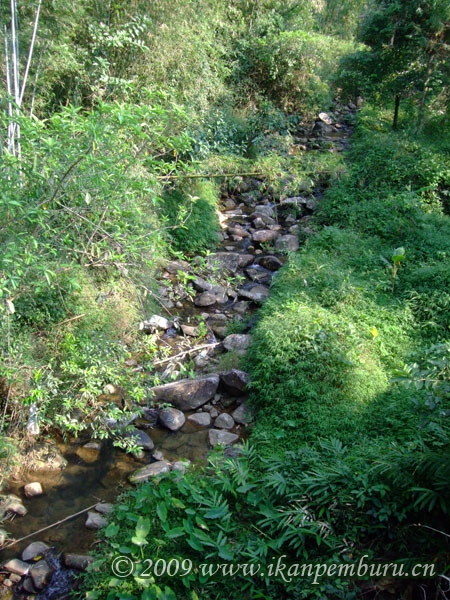
Write a noteEditThis species can survive in a wide range of habitat types and ecological conditions. It can be found in many types of lowland habitat, from streams, river backwaters, and natural ponds to irrigation canals, rice paddies, and artificial reservoirs. In some areas it also inhabits upland hill streams.
Aquarium size
Write a noteEditAn aquarium with base dimensions measuring 80 ∗ 30 cm31 ∗ 12 in or equivalent should be the minimum considered for a single pair.
Maintenance
Write a noteEditCan be maintained in a fully-decorated aquarium although many breeders prefer not to use a substrate for ease of maintenance.
Driftwood roots and branches can be used and placed such a way that a few shady spots are formed, while some floating or surface vegetation should be included if the aim is to breed the fish (see 'Reproduction').
The addition of dried leaf litter further emphasises the natural feel and as well as offering additional cover brings with it development of microbe colonies which can provide a valuable early food source for fry.
This species can be maintained in an unheated aquarium in most cases, and there is evidence to suggest that it actively benefits from a cool period during winter months.
Water conditions
EditThese recommendations come from this profile’s own figures. They contain affiliate links, so we may earn a commission.
Diet
Write a noteEditLikely to prey on insect larvae and suchlike in nature, and should be offered small live or frozen Daphnia, Artemia, white worm, grindal worm, etc., in captivity. Some high quality dried products may also be accepted, particularly in the case of commercial strains (see 'Notes').
Behaviour and compatibility
Write a noteEditSimilarly-shaped fishes should be avoided, but can be maintained alongside peaceful schooling species with comparable environmental requirements.
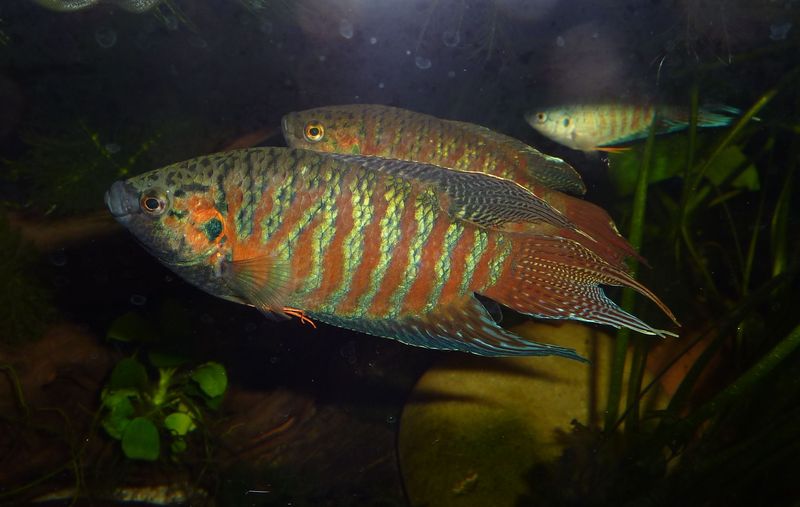
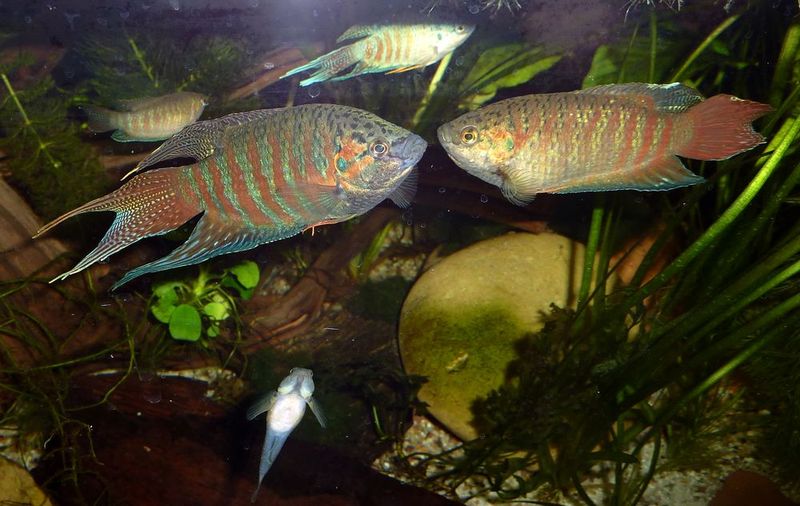
Males are territorially aggressive, this behaviour becoming more pronounced during reproductive periods, and should not be housed together unless the aquarium is very large. It is also advisable to provide two or more females per male in order to disperse male attention.
Sexual dimorphism
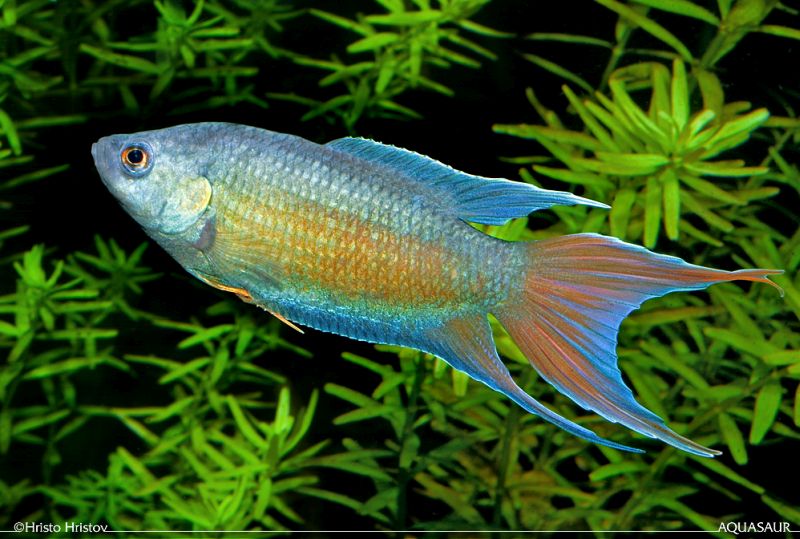
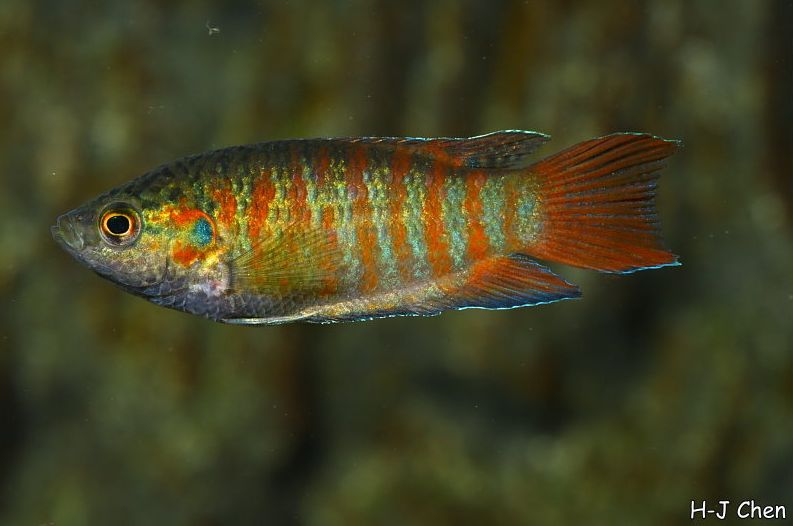
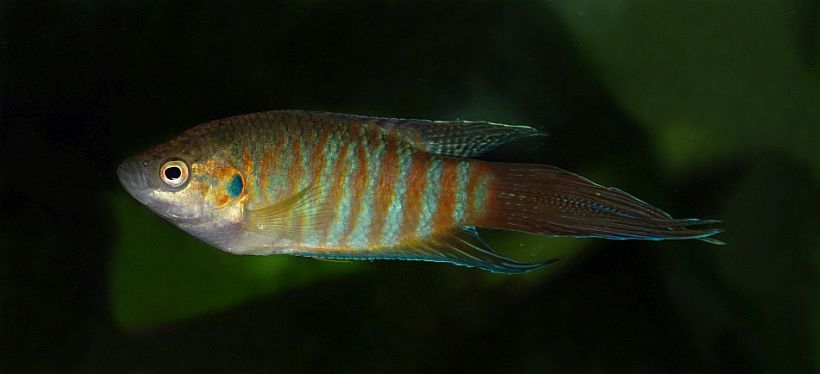
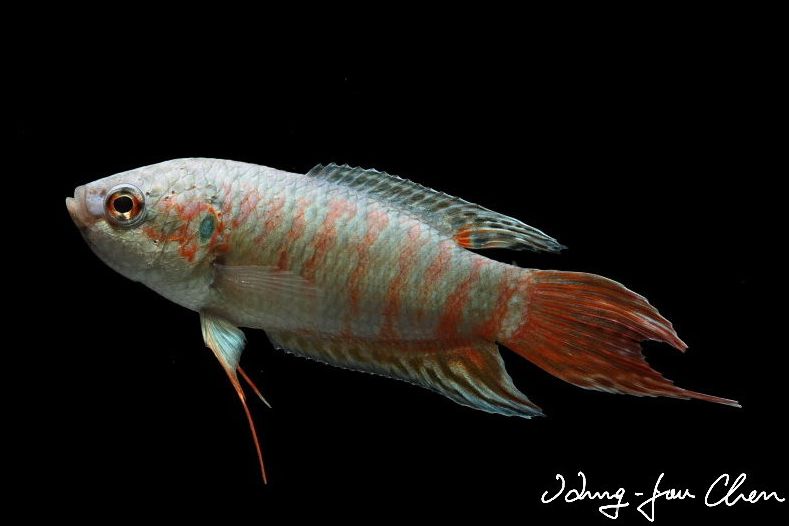
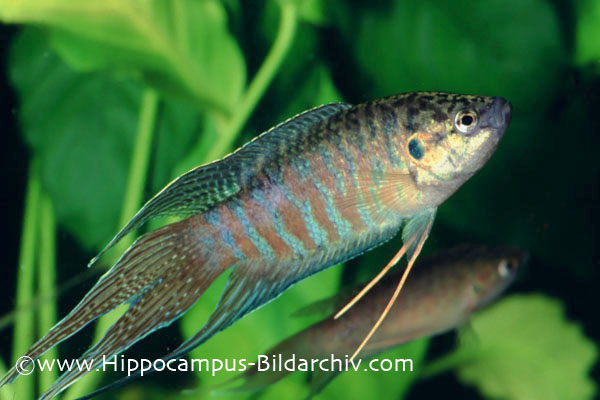
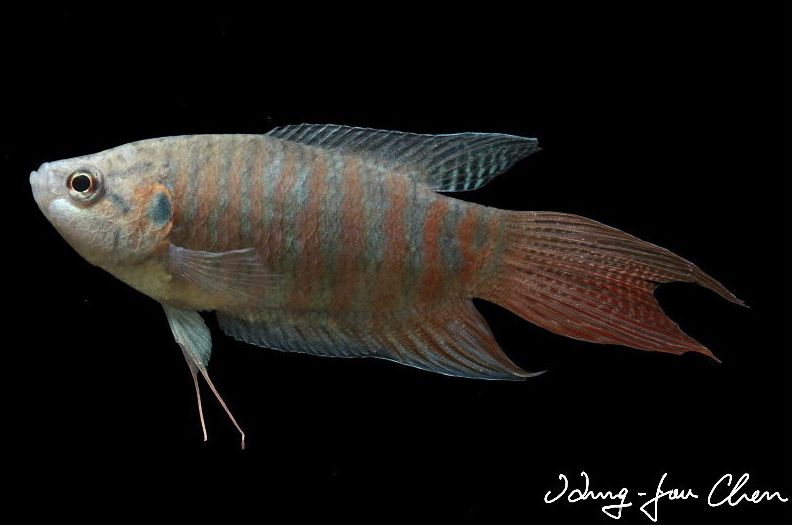
Write a noteEditMales are larger than females and possess extended soft rays in the dorsal, anal, and caudal fins.
Reproduction
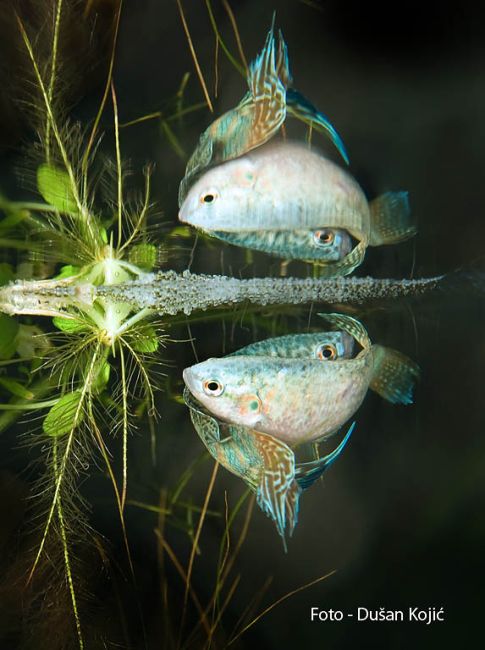
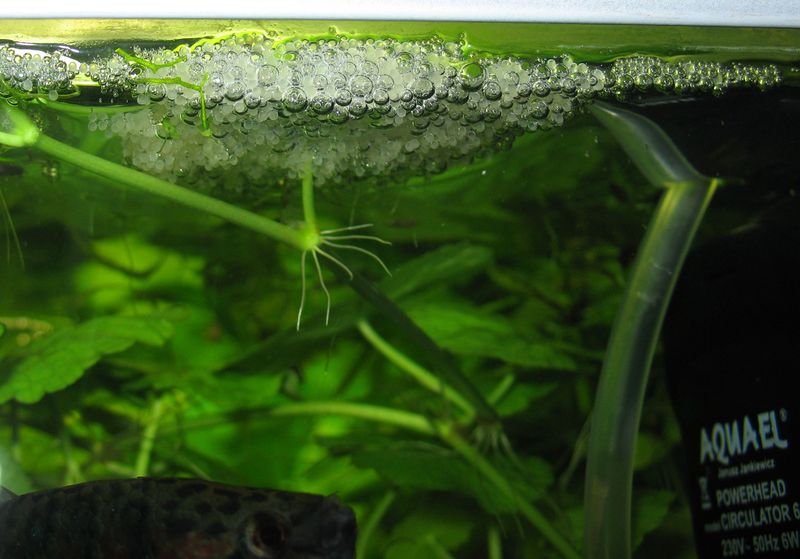
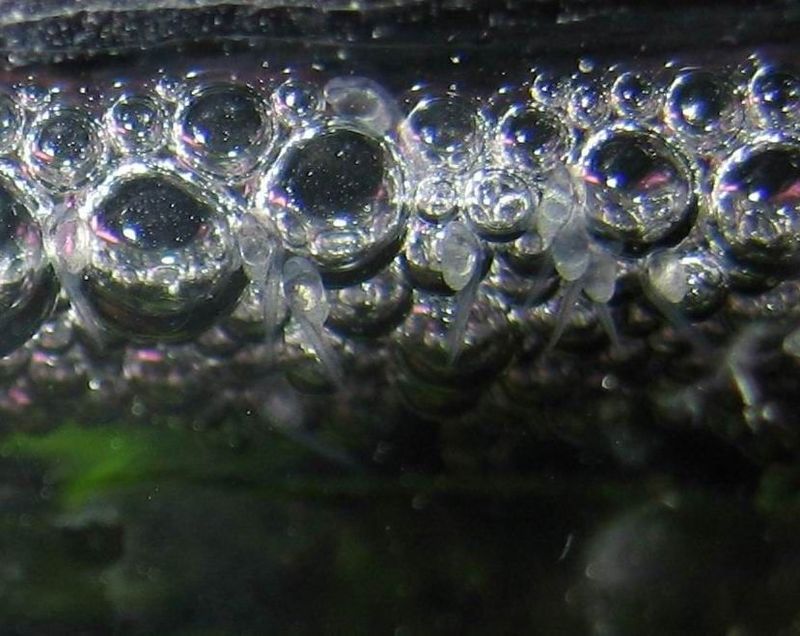
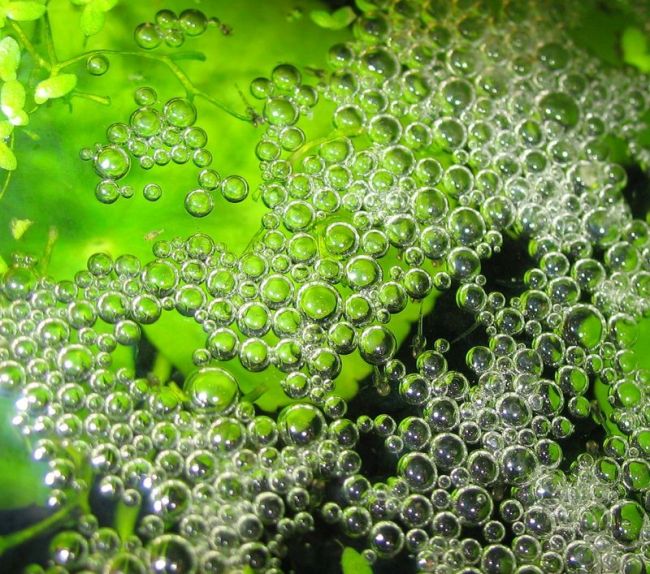
Write a noteEditBubble nester. Soft water with a slightly raised temperature is said to induce reproductive behaviour.
The aquarium should have the tightest-fitting cover possible (some breeders use clingfilm/plastic wrap) because the fry need access to a layer of warm, humid air, without which development of the labyrinth organ can be impaired.
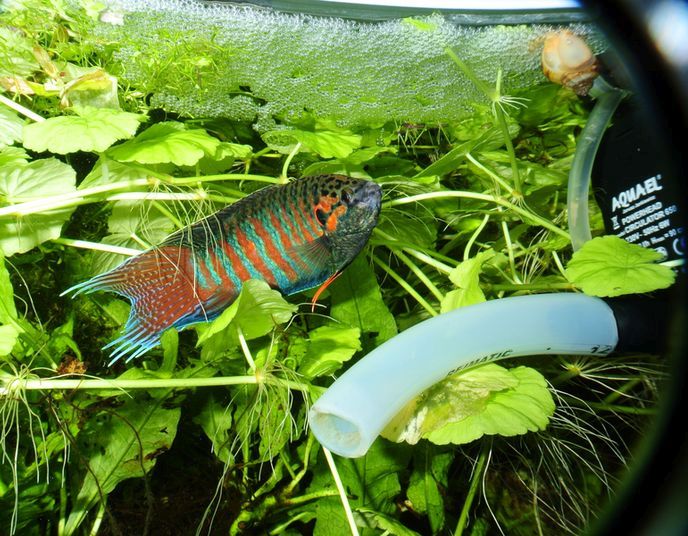
The pair need not be separated prior to spawning. The male tends to construct his nest within a raft of surface vegetation, and the female(s) are usually tolerated during this period. Once the nest is complete, the male displays to potential mates using his elongated dorsal, anal, and caudal fins.
The nuptial female becomes paler in colour. Spawning normally occurs beneath the nest in an 'embrace' typical of osphronemids, with the male wrapped around the female.
At the point of climax milt and a few eggs are released. The latter contain a globule of oil and are lighter than water, therefore they float upwards to the nest, often assisted by the male. The process is then repeated until the female is spent, with several hundred eggs typically deposited.
Post-spawning the adults can normally be left in situ, although cover should be provided for the female. Often the nest becomes broken up and the eggs are instead gathered together into a 'clump'.
Once the eggs hatch, typically in 3-4 days, they remain in the nest until the yolk sac is fully-absorbed. When the fry begin to swim freely the male will lose interest and the adults are best removed at this stage.
The require an infusoria-grade food for the first few days, after which they can accept motile foods such as microworm and Artemia nauplii. Water changes should be small and regular rather than large and intermittent.
Notes
EditM. opercularis is a classic aquarium fish, having been introduced to the hobby by a French soldier named Gerault in 1869. Of the initial 100 specimens shipped, 22 survived and were successfully bred later that same year by another Frenchman, the Parisian Pierre Carbonnier. This gives the species the distinction of being one of the very first ornamental fish imported to Europe. It is also known as 'Chinese fighting fish', 'paradise gourami', and 'blue paradise fish'.
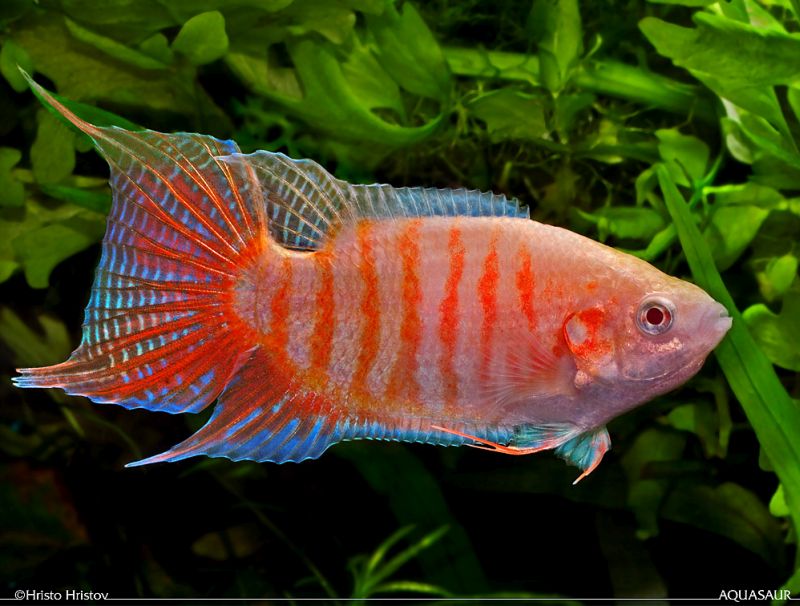
Wild examples are uncommon in the aquarium hobby, since the species is farmed on an extensive basis. There also exist a number of selectively-bred ornamental strains including xanthic, albino, red, blue, and stripeless forms.
It can be distinguished from congeners by the following combination of characters: caudal-fin forked; dark brownish opercular spot with reddish posterior margin in life; 7-11 blue body bars on red background in life; eye stripe connecting spot on posterior projection of opercle with eye; dorsal surface of head and predorsal region with dark spots; posterior margins of body scales not darker than scales.
Like others in the suborder Anabantoidei this species possesses an accessory breathing organ known as the labyrinth, which permits the fish to breathe atmospheric air to a certain extent. Comprising paired suprabranchial organs formed via expansion of the epibranchial (upper) section of the first gill arch and housed in a chamber above the gills, it contains many highly-vascularised, folded flaps of skin which function as a large respiratory surface. Its structure varies in complexity between species, tending to be more developed in those inhabiting harsher environments.
References
- Knight, J. D. M. and S. Balasubramanian (2015). On a Record of Two Alien Fish Species (Teleostei: Osphronemidae) from the Natural Waters of Chennai, Tamil Nadu, India. Journal of Threatened Taxa 7(3), 7044-7046
- Winstanley, T. and K. D. Clements (2008). Morphological re-examination and taxonomy of the genus Macropodus (Perciformes: Osphronemidae). Zootaxa 1908, 1-27
- Freyhof, J. and F. Herder (2002). Review of the paradise fishes of the genus Macropodus in Vietnam, with description of two new species from Vietnam and southern China (Perciformes: Osphronemidae). Ichthyological Exploration of Freshwaters 13(2), 147-167
- Kottelat, M. (2013). The fishes of the inland waters of southeast Asia: a catalogue and core bibiography of the fishes known to occur in freshwaters, mangroves and estuaries. The Raffles Bulletin of Zoology Supplement 27, 1-663
- Linnaeus, C. (1758). Systema Naturae, Ed. X. (Systema naturae per regna tria naturae, secundum classes, ordines, genera, species, cum characteribus, differentiis, synonymis, locis. Tomus I. Editio decima, reformata.). Holmiae. v. 1, i-ii + 1-824
- Wang, T-Z., C-S. Tzeng and S-C- Shen (1999). Conservation and Phylogeography of Taiwan Paradise Fish, Macropodus opercularis Linnaeus. Acta Zoologica Taiwanica 10(2), 121-134
- Schindler, I. (2009). News on the taxonomy and distribution of Macropodus species. Der Makropode 31(1), 9-12
- Ho, H.-C. and K.-T. Shao (2011). Annotated checklist and type catalog of fish genera and species described from Taiwan. Zootaxa 2957, 1-74
- Kottelat, M. (2001). Fishes of Laos. WHT Publications, Colombo, 1-198
- Kottelat, M. (2001). Freshwater fishes of northern Vietnam. A preliminary check-list of the fishes known or expected to occur in northern Vietnam with comments on systematics and nomenclature. Environment and Social Development Unit, East Asia and Pacific Region. The World Bank, i-iii + 1-123 + 1-18
- Paepke, H-J. (1994). Die Paradiesfische. Neue Brehm Bücherei 616, Westarp Wissenschaften, Magdeburg, 1-144
Species images · 19
These photographs are used with each photographer’s permission.
Send a photograph