Every species
Every freshwater profile, A–Z.
Filters
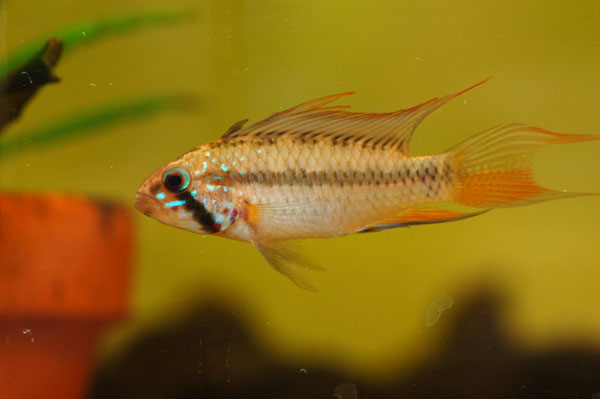
Apistogramma sp. 'breitbinden'A164
authority not recorded
Max length♂ 70 · ♀ 50mm SL♂ 2.8 · ♀ 2.0in SLTank60 × 30cm24 × 12inTemp22–29°C72–84°FpH4.0–6.5The German term 'breitbinden' translates literally as "broad-banded" and refers to the uniformly broad suborbital stripe seen in males of this 'species' which remains undescribed despite being known in the aquarium hobby for several decades. It's often imported as bycatch among shipments of wild-collected A. iniridae. Some of the populations have also been assigned th...
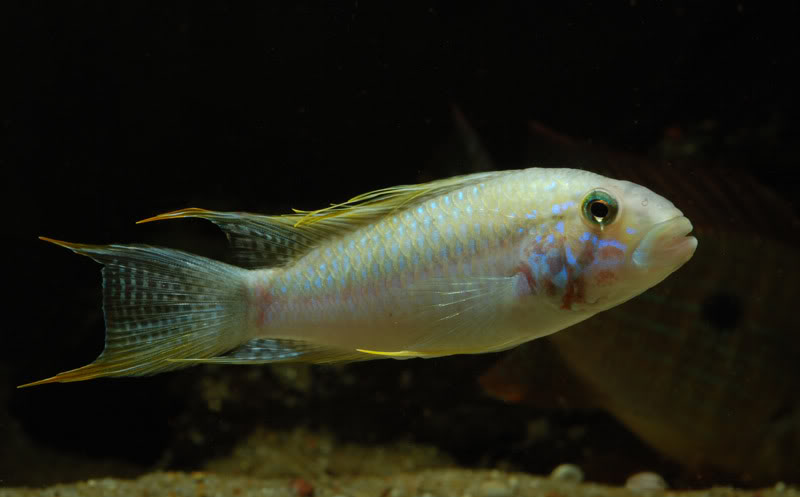
Apistogramma sp. 'Kelleri'
authority not recorded
Max length♂ 80 · ♀ 65mm SL♂ 3.1 · ♀ 2.6in SLTank60 × 30cm24 × 12inTemp22–29°C72–84°FpH4.0–6.0This undescribed species was first collected and subsequently appeared in the aquarium hobby during 2008. It was exported again in late 2009 and early 2010 under the names A. sp. 'Jutai' and A. sp. 'diamond face', and said to have been collected in the Río Jutai, Amazonas state, Brazil. The Jutai is a south bank tributary of the Solimões but lies several hundred kilometres downstream of Leticia so this information, from a purportedly trustworthy source, initiall...
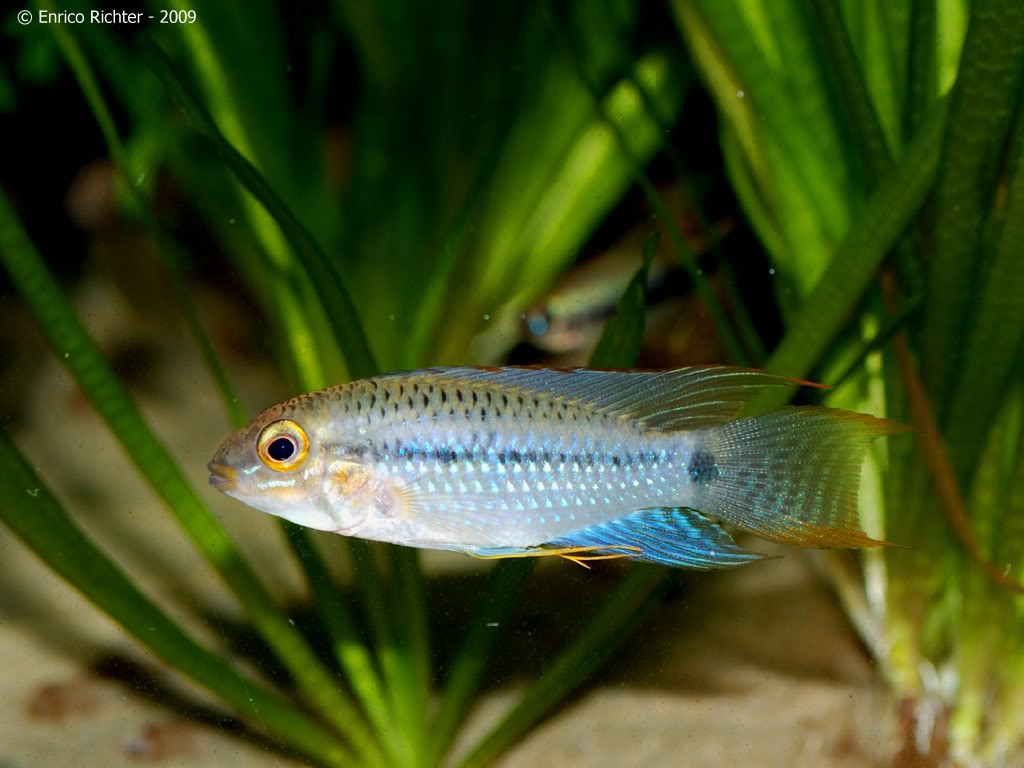
Apistogramma steindachneriSteindachner's Apisto
Regan, 1908
Max length♂ 80 · ♀ 50mm SL♂ 3.1 · ♀ 2.0in SLTank90 × 30cm36 × 12inTemp20–25°C68–77°FpH4.0–7.5This species is assigned the code A138 under the DATZ system, with the Venezuelan variant referred to as A139 for easy reference. The genus Apistogramma is among the most speciose of South American cichlid genera with around 70 species valid at present but many more awaiting description. In addition many species exist in two or more geographical colour forms which may or may not turn out to be distinct in the future. Hobbyists tend to label these with collection dat...
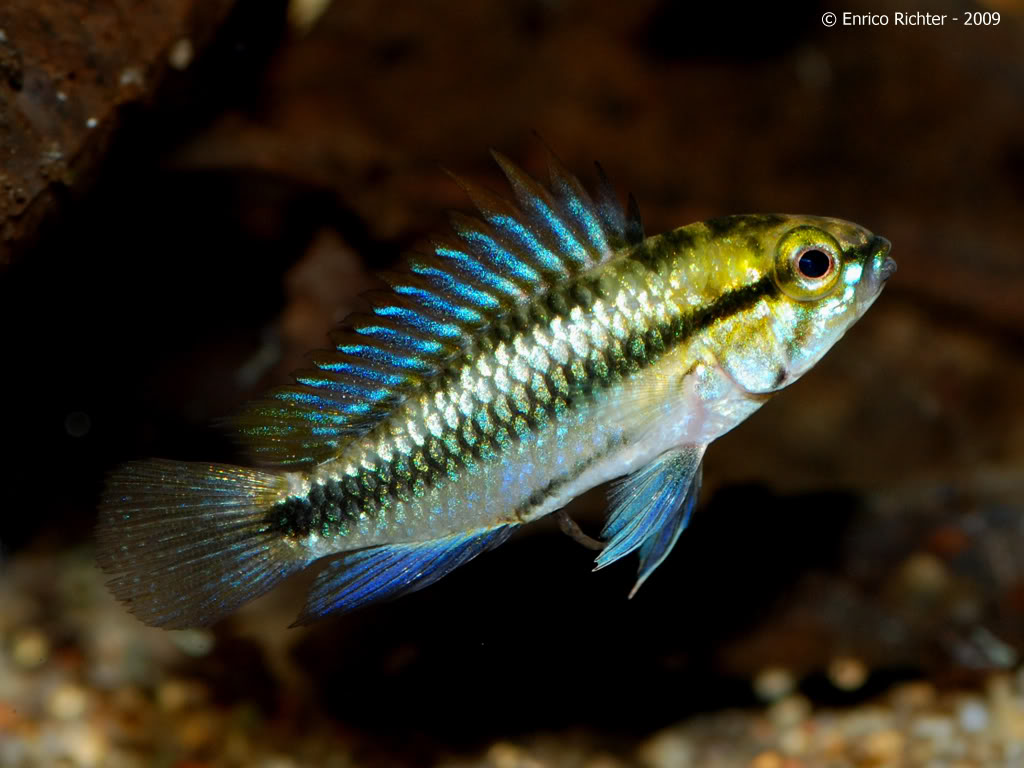
Apistogramma trifasciataThree-striped Apisto
Eigenmann & Kennedy, 1903
Max length♂ 55 · ♀ 40mm SL♂ 2.2 · ♀ 1.6in SLTank45 × 30cm18 × 12inTemp20–25°C68–77°FpH5.0–7.0This species is assigned the 'A' number A204 under the DATZ system with possibly conspecific, related forms coded A205 or A206 depending on collection locality and representing populations from Argentina and the rio Guaporé, respectively. The genus Apistogramma is among the most speciose of South American cichlid genera with around 70 species valid at present but many more awaiting description.
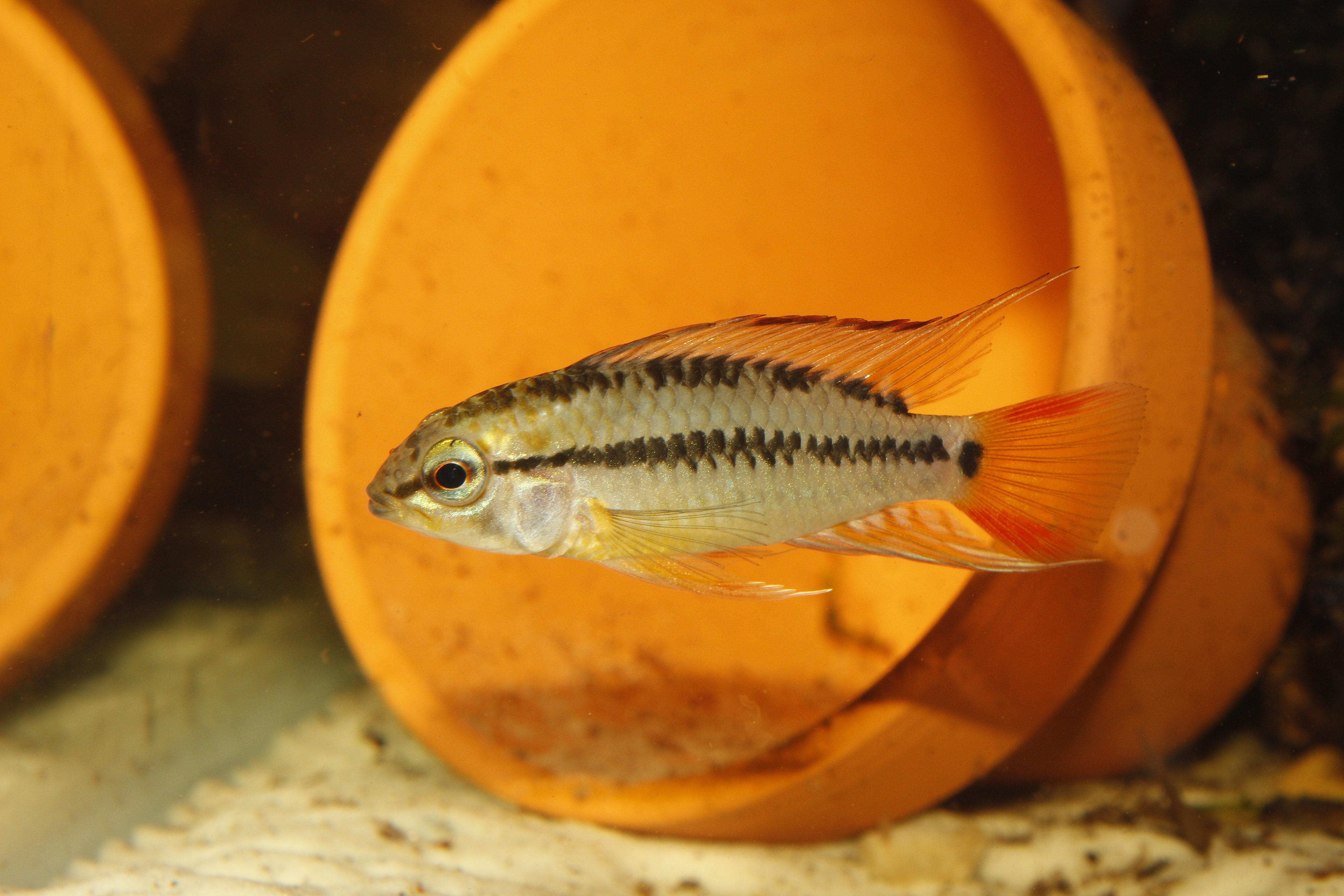
Apistogramma viejitaRed Edge Apisto
Kullander, 1979
Max length♂ 50 · ♀ 80mm SL♂ 2.0 · ♀ 3.1in SLTank60 × 30cm24 × 12inTemp22–28°C72–82°FpH4.5–6.5Apistogramma viejita
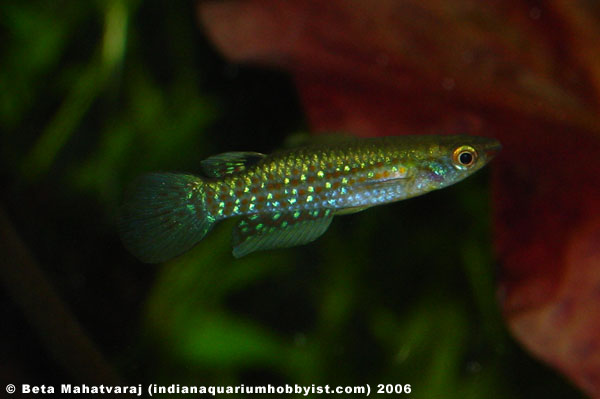
Aplocheilus blockiiGreen Panchax
Arnold, 1911
Max length45mm SL1.8in SLTank45 × 30cm18 × 12inTemp20–28°C68–82°FpH6.0–8.5This species is euryhaline and mostly inhabits lowland, often coastal, habitats containing still or slow-moving brackish or freshwater. It displays a preference for habitats with surface vegetation or overhanging cover and is commonly found in mangrove swamps and rice paddies.
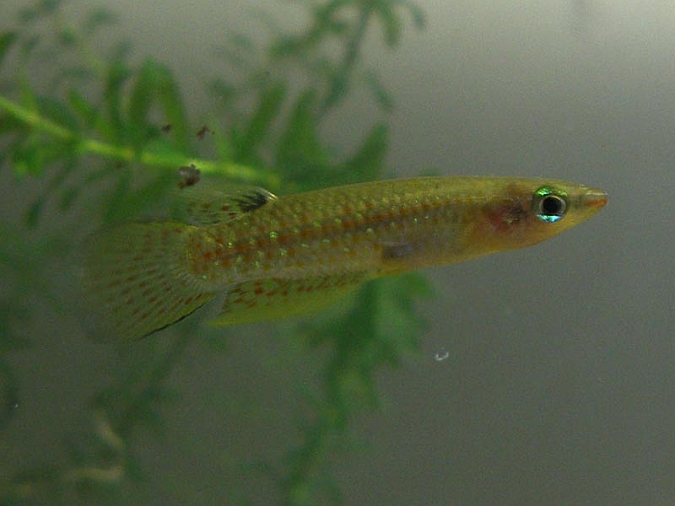
Aplocheilus parvusDwarf Panchax
Sundara Raj, 1916
Max length40mm SL1.6in SLTank45 × 30cm18 × 12inTemp20–28°C68–82°FpH6.0–8.5Aplocheilus spp. are surface-dwelling predators preying on both aquatic and terrestrial invertebrates. In the aquarium they will learn to accept dried foods in most cases but should also be offered regular meals of small live or frozen fare such as Artemia, Daphnia, chironomid larvae (bloodworm), etc.
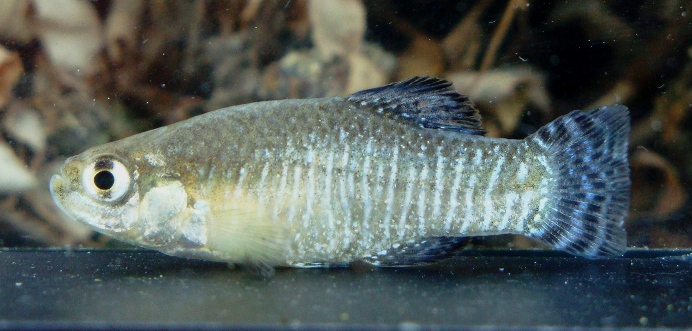
Apricaphanius baeticusBaetican Toothcarp
Doadrio, Carmona & Fernández-Delgado, 2002
Max length50mm SL2.0in SLTank120 × 30cm48 × 12inTemp2–30°C36–86°FpH7.0–9.0Prior to its description this species was considered a geographic variant of A. iberus but the 2002 paper revealed the pair to be genetically quite distinct and also highlighted some morphological differences. It is distinguished from A. iberus by possessing 8-9 (usually 8 ) branched dorsal-fin rays (vs. 8-9, sometimes 10), 9-11 branched anal-fin rays (vs. 8-9), a deeper, more elongate body shape, noticeably shorter snout, relatively thick (vs. thin) vertical bars in males and a flank patterning consisting of a few la...
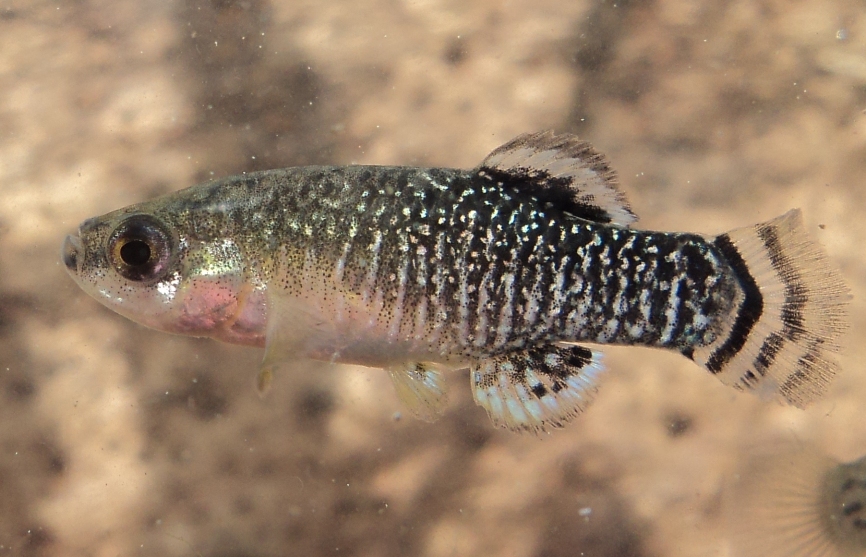
Apricaphanius iberusSpanish Toothcarp
Valenciennes, 1846
Max length50mm SL2.0in SLTank120 × 30cm48 × 12inTemp2–30°C36–86°FpH7.0–9.0Populations of Aphanius from Spain's southern, Atlantic coastline and Algeria previously considered representative of A. iberus have now been elevated to full species status with the names A. baeticus (Doadrio, Carmona & Fernández-Delgado, 2002) and A. saourensis (Blanco, Hrbek & Doadrio, 2006), respectively. All three species look broadly similar although A. saourensis can be easily identified as the patterning in males is mottled and does not form vertical bars, while femal...
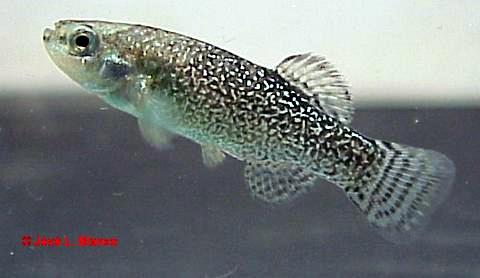
Apricaphanius saourensisSahara Toothcarp
Blanco, Hrbek & Doadrio, 2006
Max length45mm SL1.8in SLTank120 × 30cm48 × 12inTemp2–30°C36–86°FpH7.5–9.0All Algerian Aphanius populations were considered to be representative of A. iberus until this species was described in 2006. It differs both morphologically and genetically from A. iberusand A. baeticus, probably diverging about 5.3 million years ago during the opening of the Straits of Gibraltar. It is most easily distinguished by the distinct mottled body patterning which in males of the other two species forms distinct vertical bars and in females dark spot-like markings. A. iberusis now k...
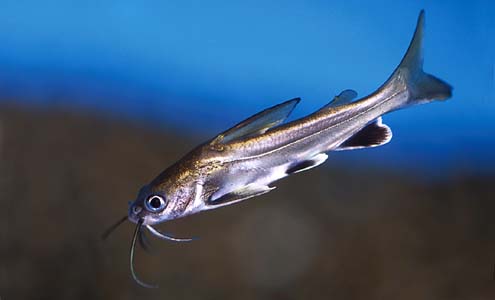
Ariopsis seemanniColombian Shark Catfish
Günther, 1864
Max length350mm SL14in SLTank240 × 60cm96 × 24inTemp22–26°C72–79°FpH6.8–8.5This species is not recommended to those lacking the facilities to house it for life. Sadly it's all too often seen for sale as an attractive, silvery 2-3" juvenile, supposedly suitable for the general freshwater community tank. To make matters worse, it is also usually given an 'alluring' name such as 'black-finned' or 'silvertip' shark catfish. The fate of the majority of these specimens is in all likelihood a depressing one.
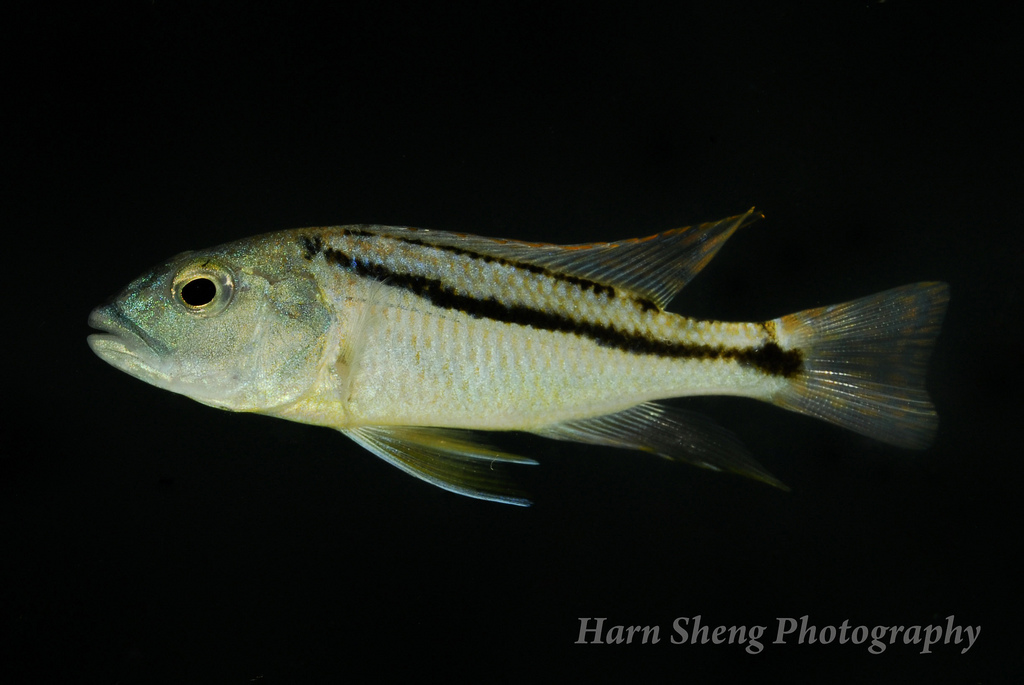
Aristochromis christyi
Trewavas, 1935
Max length300mm SL12in SLTank180 × 60cm72 × 24inTemp24–26°C75–79°FpH7.5–9.0This is currently the only described member ofthe genus and despite having a wide distribution, it's not particularly common in Lake Malawi. Correspondingly it's not seen all that often in the hobby either. It's beak-like mouthparts are specially adapted to allow it to hunt smaller fish among crevices between rocks. It can also extend the mouth in all four directions at once, allowing it to swallow prey up to around 4" long! As well as hunting amongst rocks, Aristoch...
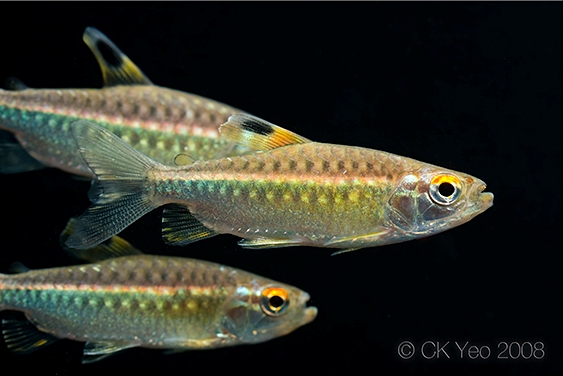
Arnoldichthys spilopterusAfrican Red-eyed Tetra
Boulenger, 1909
Max length100mm SL3.9in SLTank120 × 30cm48 × 12inTemp24–27°C75–81°FpH6.0–7.5Endemic to Nigeria, where it occurs in the Ogun and lower Niger river systems. Despite its popularity in the aquarium hobby it's relatively scarce in the wild and is known from less than 10 localities, all lying in an area where deforestation and pollution are uncontrolled and continue to occur extensively.
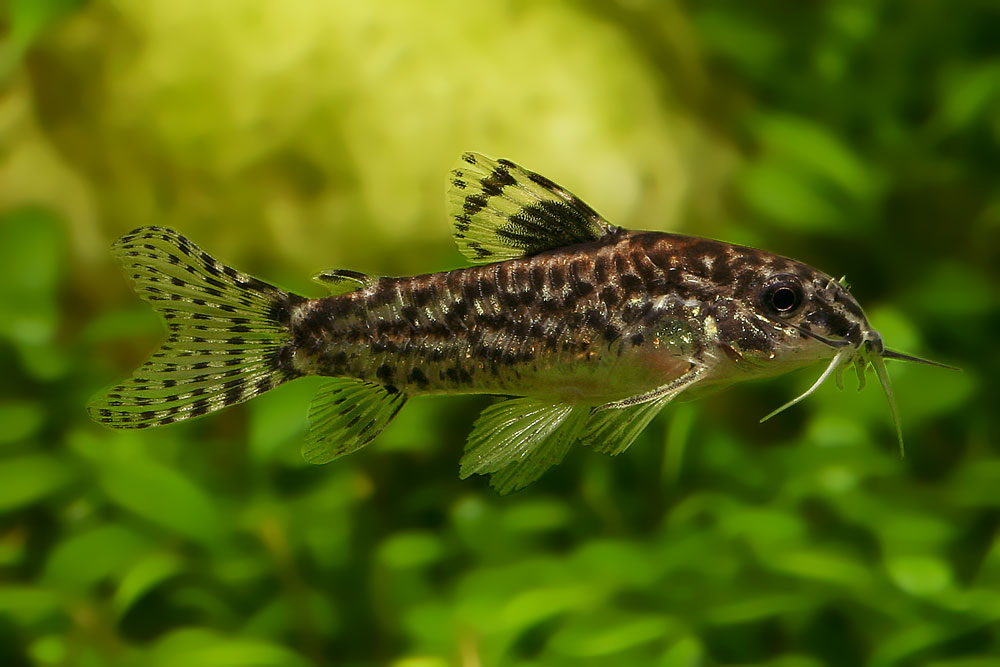
Aspidoras pauciradiatus
Weitzman & Nijssen, 1970
Max length35mm SL1.4in SLTank60 × 30cm24 × 12inTemp20–27°C68–81°FpH6.0–7.0This species is sometimes referred to as 'false corydoras' or 'sixray corydoras'. A. pauciradiatus can be distinguished from congeners by possession of 6 soft dorsal-fin rays, as opposed to 7 in other Aspidoras species, plus its distinctive colour pattern. Aspidoras species are distinguished from the very...
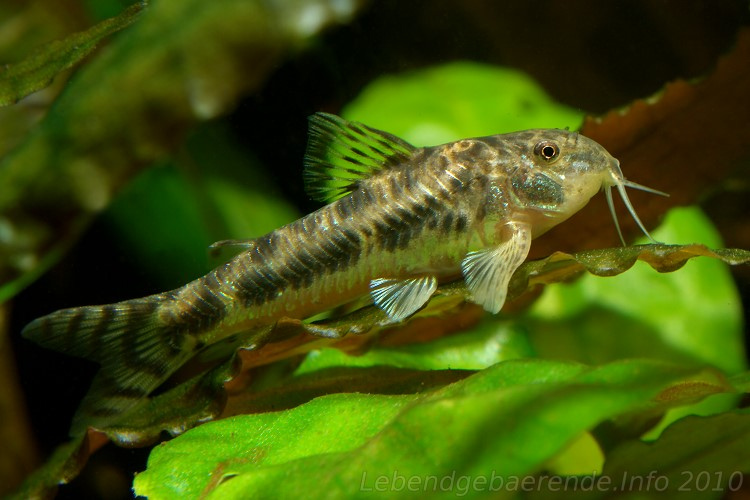
Aspidoras spilotusC125
Nijssen & Isbrücker, 1976
Max length45mm SL1.8in SLTank60 × 30cm24 × 12inTemp20–25°C68–77°FpH6.0–7.5Aspidoras spp. are foraging omnivores and will accept most sinking dried foods, as well as small live and frozen varieties such as chironomid larvae (bloodworm), Tubifex, etc. Feeding a varied diet will ensure the fish are in optimum condition.
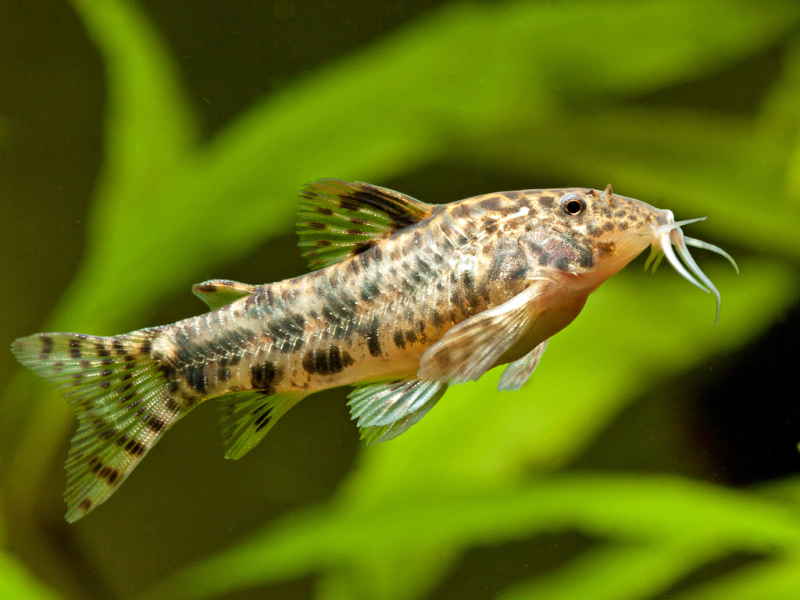
Aspidoras taurus
Lima & Britto, 2001
Max length55mm SL2.2in SLTank75 × 30cm30 × 12inTemp20–25°C68–77°FpH6.0–7.5A. taurus can be told apart from congeners by the following combination of characters: infraorbitals and preopercle covered by thick skin and not visible externally (vs. covered by thin skin and externally visible in other Aspidoras); nuchal plate reduced, covered by thick skin and not visible externally (vs. well developed, covered by thin skin and visible externally); lateral line absent posterior to two small lateral line ossicles (vs. lateral line present on at least first body plate).
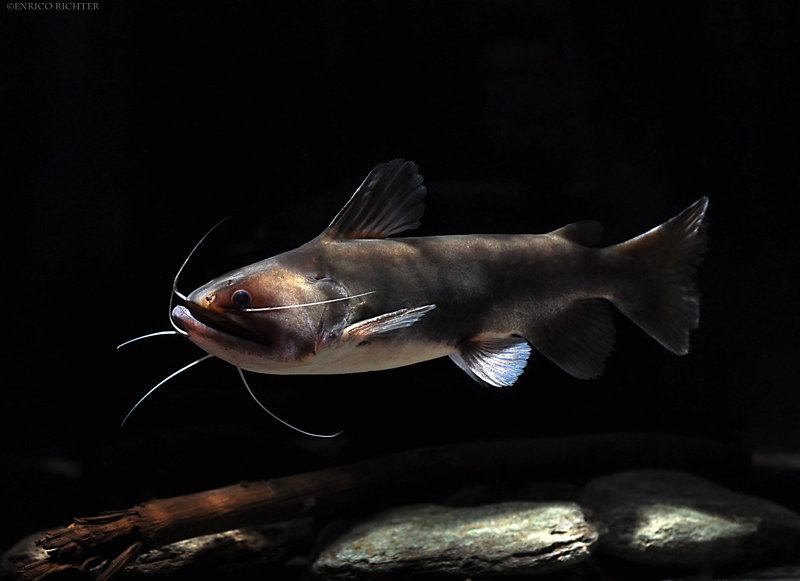
Asterophysus batrachusGulper Catfish
Kner, 1858
Max length250mm SL10in SLTank150 × 60cm60 × 24inTemp22–28°C72–82°FpH5.0–7.0An obligate predator by nature, but captive specimens readily accept strips of white fish, whole shrimp, earthworms, and similar once they are recognised as food. Adult individuals are unlikely to require feeding on a daily basis with 1-2 meals per week sufficient.
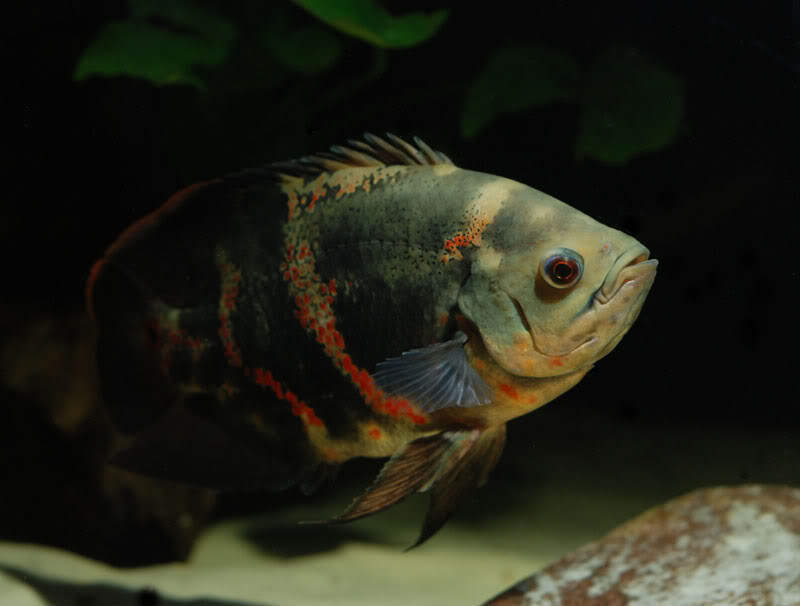
Astronotus ocellatusOscar
Agassiz, 1831
Max length350mm SL14in SLTank150 × 60cm60 × 24inTemp20–28°C68–82°FpH6.0–7.5This species is also referred to as 'velvet cichlid', 'red oscar', 'tiger oscar', or 'marble cichlid'. It is a popular aquarium fish although its adult size and typical life-span of 10-20 years must be taken into account before purchase. Numerous ornamental strains are now available, and while care is more-or-less identical for all of them a degree of additional care must be taken with the 'long-finned' variety which is a little less competitive than other forms.
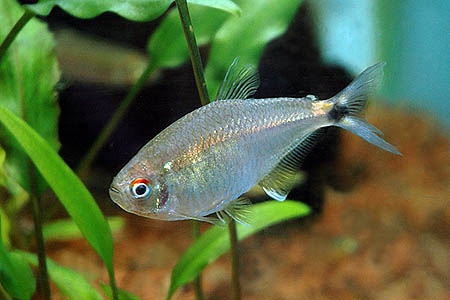
Astyanax bimaculatusTwo Spot Astyanax
Linnaeus, 1758
Max length150mm SL6in SLTank120 × 60cm48 × 24inTemp20–28°C68–82°FpH5.5–7.5A. bimaculatus is not a popular aquarium fish but is available on occasion exception, most often as a contaminant among shipments of other species. It's identity is also in question to an extent with the name currently applied to what is considered to represent a species complex comprising at least four taxa.
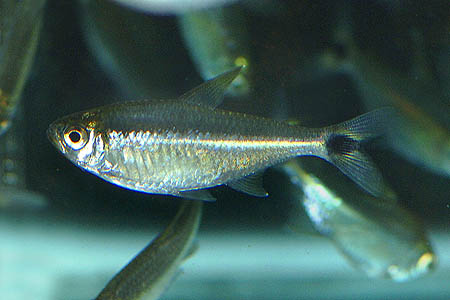
Astyanax kennedyiKennedy's Tetra
Géry, 1964
Max length50mm SL2.0in SLTank80 × 30cm31 × 12inTemp26–29°C79–84°FpH5.5–7.0Endemic to pthe upper Amazon basin in Peru, around the city of Iquitos. Most Astyanax spp. are not popular in the aquarium hobby, though the genus is among the most speciose within the family Characidae. A. kennedyi is no exception; you'll rarely see it offered for sale but may find the occasional specimen mixed among other species in shipments of wild fishes from Peru.